B2B Sourcing Whitepaper · 2026 Edition
Bucket Hats Manufacturers & Manufacturer
OEM & ODM custom straw, raffia, paper straw and performance bucket hats from Linyi, China — engineered for private-label brands, importers, retailers and promotional programs in 60+ countries.
15+Years OEM / ODM Experience
50–100Pieces Starting Quantity
8 hrResponse & Action
60+Countries Served
Banner Featured Selection
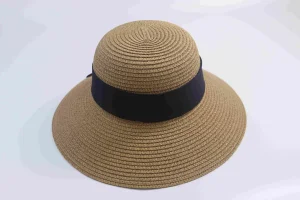
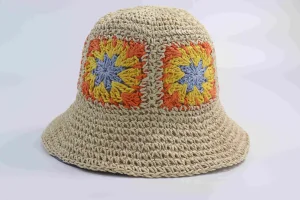
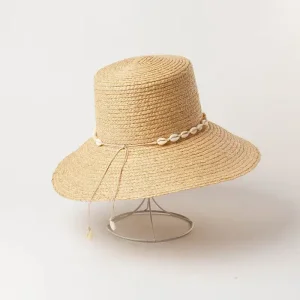
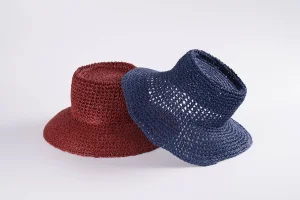
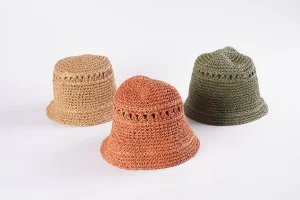
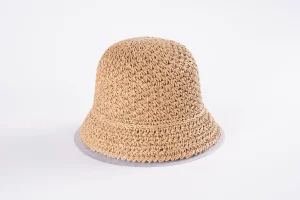
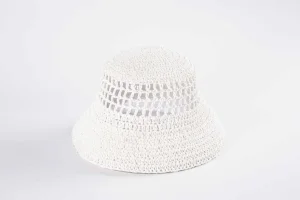
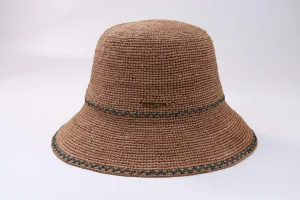
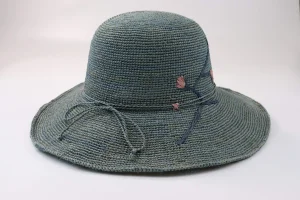
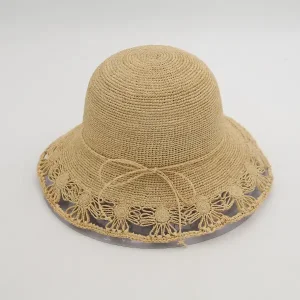
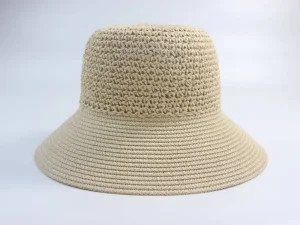
8 Bucket Hat Styles Ready for Wholesale & Private Label
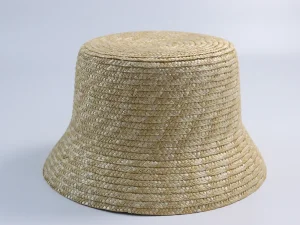
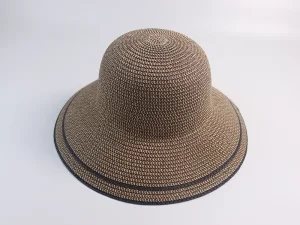
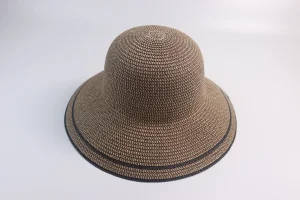
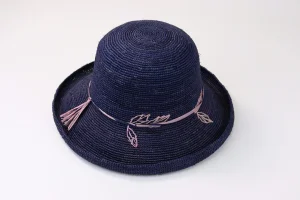
These first eight factory styles show the range buyers can source: natural wheat-grass ribbon, fashion bucket silhouettes, wide-brim UV protection, raffia weaving, beach fisherman shapes and soft packable straw constructions. Every product image and product URL below is preserved for direct inquiry.
Executive Summary
What Global Buyers Should Look for in Bucket Hats Manufacturers
A bucket hat is deceptively simple: crown, brim, band, sweatband and stitching. In commercial production, however, small specification choices determine fit, UV coverage, packability, shelf appeal, freight efficiency and return rates. This whitepaper is based on Lige Hats’ 15+ years of OEM and ODM manufacturing experience in Linyi, Shandong, China, serving importers, wholesalers, brand owners and retailers across more than 60 countries.
Factory Depth Beats Catalog Breadth
A reliable bucket hat manufacturer must control weaving, blocking, trimming, sewing, inspection and packing — or manage each step with documented quality gates. Catalog breadth alone cannot protect a brand from inconsistent sizing, shade variation or late-season shipment delays.
Low MOQ Is a Growth Tool
Starting quantities of 50 to 100 pieces per design let emerging brands, boutiques and test-market teams validate colorways and silhouettes before placing volume orders. This is especially valuable in fashion-led bucket hat categories where trend cycles are short and reorder speed matters.
Response Speed Reduces Risk
An 8-hour response and action standard matters during sampling, artwork approval, inspection and after-sales follow-up. For enterprise buyers, rapid communication is not a courtesy; it is a risk-control mechanism that compresses decision cycles across multiple departments.
15+Years Manufacturing Straw Hats & Bags
25+Global Distributors
60+Countries Served
QingdaoNearby Port for FCL & LCL Export
China Factory Advantage
Why China Remains a Strategic Base for Bucket Hat Manufacturing
China’s advantage in headwear is not a single cost line. It is a dense ecosystem of fiber preparation, weaving, blocking, sewing, trim sourcing, packaging, inspection and export logistics. For bucket hats, that ecosystem shortens development time and improves consistency at scale.
Cluster Supply Chain
Linyi and surrounding Shandong manufacturing clusters provide access to natural grass, paper straw, raffia-style fibers, woven braids, ribbons, labels, hang tags, polybags and export cartons. Buyers benefit from shorter material lead times and faster sampling.
Port & Logistics Access
Lige Hats is located in Linyi City, Shandong Province, within easy reach of Qingdao Port. This supports FCL and LCL sea freight, while samples and urgent small orders can move by air or express courier for time-sensitive launches.
OEM & ODM Flexibility
Factory-direct teams can customize shape, material, color, size and hat band, then add woven labels, patches, hang tags and packaging. In-house designers can develop new styles from a mood board, tech pack or reference sample.
Cost-to-Quality Balance
Raw material sorting, weaving, blocking, finishing and final inspection under one roof reduce middleman margins and stabilize quality. Buyers can optimize cost without sacrificing stitch density, brim shape or size tolerances.
E-E-A-T note: the strongest supplier qualification is evidence: documented sampling, measurement tolerances, inspection records, packaging tests and export references. Lige Hats’ team includes a production manager with 20 years of experience, a QC manager with 15 years, and staff averaging 5+ years in headwear production.
Industry Trends
Bucket Hat Trends Shaping 2026 Wholesale Programs
Bucket hats have moved from festival accessory to core summer wardrobe item. The strongest B2B demand now combines sun protection, packability, tactile material stories and small-batch speed. The following trends are visible across buyer briefs in North America, Europe, Australia, Japan and resort markets.
Sustainability With Real Material Stories
Paper straw, natural grass and raffia-style fibers appeal to consumers who want breathable, lightweight summer accessories with a natural hand-feel. Buyers should request material composition, care instructions and packing specifications that support marketing claims without overstatement.
UV Protection & Functional Detail
Wide brims, chin cords, moisture-wicking sweatbands, air vents and adjustable sizing are increasingly requested for outdoor, travel and hospitality programs. Functional features must be tested in the sample stage for real-world comfort, not added as decorative claims.
Packable & Travel-Ready Construction
Foldable raffia and soft woven bucket hats reduce freight volume and improve retail convenience. Crush resistance, brim recovery and crease behavior should be checked after compression, especially for e-commerce and travel retail channels.
Small-Batch Test & Reorder Culture
Retailers now validate collections in smaller quantities and reorder winners quickly. A supplier that supports 50–100 pieces per design, maintains repeatable blocks and keeps material consistency can help buyers capture demand without excess inventory.
Social Commerce Color Strategy
Colorways designed for short-form video and lifestyle photography continue to drive impulse purchases. Neutral sand, black, ivory and olive remain commercial anchors, while seasonal accent colors can be tested at lower minimums before broader rollout.
Private Label as a Margin Engine
Brands use custom bands, embroidery, woven labels, patches, heat-transfer logos and custom packaging to differentiate bucket hats. A private-label program works best when branding decisions are locked before bulk production to avoid costly rework.
Illustrative Buyer Planning Signals
The chart below is an illustrative weighting model for sourcing discussions — not a market statistic. Use it to structure your RFQ and sample evaluation.
Material Engineering
How to Choose the Right Fiber for Bucket Hats
The fiber determines hand-feel, shape retention, dye response, packing behavior, care requirements and price point. Buyers should specify the material by performance requirement and test it in the actual construction, not by name alone.
Raffia-Style Straw
Soft, flexible and dye-receptive. Well suited to fashion bucket hats, wide-brim packable hats and resort collections. Buyers should confirm folding recovery and colorfastness, especially for saturated shades.
Paper Straw
Lightweight, uniform and cost-efficient for volume programs. It delivers clean color consistency for private label. Care labels should advise keeping the hat dry, because paper straw can soften when soaked.
Natural Grass Straw
Braided natural stems bring stiffness, crisp silhouettes and an artisanal look. This material is strong for structured bucket hats, boater-inspired shapes and premium sun protection lines where shelf shape matters.
Fabric & Knit Blends
Cotton, polyester and knit constructions extend bucket hats beyond summer and into sport, children’s and transitional categories. They can be paired with straw lines for a year-round single-supplier program.
| Specification Decision | Buyer Question | Commercial Impact |
|---|---|---|
| Brim depth and slope | Does the brim shade the face, ears and neck without blocking vision? | Affects UV coverage, comfort, fit and perceived value. |
| Crown height and seam placement | Does the crown sit securely across target head sizes? | Reduces size complaints and returns in e-commerce. |
| Sweatband construction | Is the band breathable, absorbent or moisture-wicking? | Improves wearer comfort in hot and active environments. |
| Trim and branding method | Will embroidery, patch, woven label or print survive cleaning and wear? | Protects brand presentation and reorder consistency. |
| Packing format | Can the hat be compressed, stacked or hung for retail? | Impacts freight cost, shelf appearance and damage rates. |
Localized Application Scenarios
Where Bucket Hats Win in Real Markets
Different markets buy bucket hats for different reasons. A resort hotel, a streetwear brand, a UV-safety retailer and a promotional distributor may use the same silhouette, but their specifications, packaging and compliance expectations differ.
Resort, Beach & Hospitality
Wide-brim raffia and soft straw bucket hats are used in hotel boutiques, beach clubs, cruise retail and destination gift shops. Buyers often request custom labels, hang tags and packaging that match the property’s visual identity.
Outdoor, Travel & UV Safety
UV-blocking wide-brim styles, chin cords, vents and packable crowns serve travel retail, hiking, fishing and family outdoor categories. Function must be validated in samples, especially brim coverage and wind resistance.
Corporate & Promotional Gifting
Event giveaways, staff uniforms and brand activations favor customizable bucket hats with logo embroidery, printed bands and compact packaging. Low minimums help distributors test multiple colorways for different end clients.
Streetwear & Fashion Drops
Urban fashion buyers look for distinctive texture, oversized brims, washed finishes, contrast stitching and custom trims. Drop-based calendars require fast turnaround on samples and reliable repeat production for reorders.
Family, Kids & Travel Retail
Children’s straw hats, toy hats and coordinated family sets create basket-building opportunities in travel retail and gift shops. Adjustable sizing, soft edges and lightweight materials are important for comfort and safety.
Regional Market Nuance
North American buyers often prioritize easy care and value. European buyers ask for material clarity and refined trims. Australian and Middle East programs emphasize UV coverage. Japanese buyers frequently require precise finishing and packaging discipline.
Macro Industry Solutions
A Complete OEM & ODM Solution for Bucket Hat Programs
Enterprise sourcing is not a single purchase; it is a repeatable system. The right manufacturer connects design, material sourcing, sampling, production, inspection and export into one accountable workflow.
Private Label & Custom Branding
Customize shape, material, color, size and hat band. Add woven labels, patches, hang tags, embroidery, printing and retail packaging. Lige Hats can develop new styles from your mood board or reference samples.
Low-MOQ Market Testing
Start with 50 to 100 pieces per design for selected materials and craftsmanship. This is designed for boutiques, emerging brands and importers who want to test new styles before scaling up into container-volume programs.
Design & Sampling Support
Product teams can recommend materials, brim proportions, trims and packaging based on target market, price point and compliance needs. Sampling is the stage to catch issues before bulk materials are ordered.
In-House Quality Control
Material sorting, weaving, blocking, finishing and final inspection are managed under one roof. Inspection should verify shape, stitching, size, trims, color consistency and packing before export.
Global Export Logistics
Bulk orders ship by sea as FCL or LCL through Qingdao Port, while samples and urgent small orders can move by air or express courier. Export documentation and packing marks should be confirmed before production.
One-Stop Category Extension
Beyond bucket hats, Lige Hats manufactures paper hats, straw bags, paper bags, children’s straw hats, toy hats, lifeguard hats, sun visors, winter hats and other bags — useful for buyers building a consolidated summer or accessories assortment.
Share Your Brief
Define style, material, size, color, branding, target quantity and destination market.
Design & Sampling
Recommend materials and construction; develop samples for fit, trim and packaging review.
Approval
Confirm samples, labels, packaging, measurement tolerances and delivery schedule.
Production
Material sorting, weaving, blocking and finishing follow the approved specification.
Quality Inspection
Check shape, stitching, size, trims, color and packing before export.
Export Shipping
FCL or LCL sea freight via Qingdao Port; air or express for samples and urgent orders.
Global Enterprise Procurement
What Large Buyers Expect from Bucket Hat Manufacturers
Enterprise sourcing teams evaluate more than unit price. They assess total landed cost, specification control, supplier responsiveness, repeatability, compliance documentation, packaging performance and the ability to scale without quality drift.
Total Cost, Not Unit Price
Calculate material yield, packing density, freight volume, damage rate, reorder stability and markdown risk. A slightly higher unit price can be cheaper if it reduces returns and protects sell-through.
Specification Discipline
Provide a written tech pack with measurements, tolerances, material references, trim positions, labeling and packing instructions. Approved samples should be sealed and referenced in the purchase order.
Lead-Time Transparency
Ask for sampling time, material lead time, production window, inspection date, packing completion and vessel schedule. Buffer time should match the complexity of custom trims and peak-season port congestion.
Documentation Readiness
Confirm commercial invoice, packing list, bill of lading, material declarations and any buyer-specific compliance forms before shipment. Requirements vary by destination market and must be clarified early.
RFQ Checklist for Bucket Hat Sourcing
- Product silhouette and reference images
- Material composition and preferred hand-feel
- Brim depth, crown height and finished measurements
- Size grading and tolerance requirements
- Color standards, lab dips and colorfastness needs
- Custom branding method and placement
- Labels, care labels, hang tags and packaging
- Target quantity, reorder plan and delivery window
- Destination market and shipping terms
- Inspection standard and sample approval process
- Testing or compliance documentation requirements
- Carton marks, packing density and pallet requirements
Buyer FAQ
Bucket Hats Manufacturers & Manufacturer Q&A
These are the questions global buyers ask most often when comparing bucket hat manufacturers, requesting samples and planning private-label production.
What is the minimum order quantity for custom bucket hats?
The starting quantity for small orders is 50 to 100 pieces per design, depending on material and craftsmanship. This allows boutiques, emerging brands and importers to test new styles before scaling up into larger seasonal programs.
Can Lige Hats produce private-label bucket hats with our logo?
Yes. OEM and ODM production is our core business. We can customize shape, material, color, size and hat band, and add branding elements such as woven labels, patches, embroidery and hang tags. Our in-house designers can also develop new styles from your mood board or reference samples.
Where is your factory located and how are orders shipped?
We are located in Linyi City, Shandong Province, China, close to Qingdao Port. Bulk orders are typically exported by sea freight as FCL or LCL shipments, while samples and urgent small orders can be sent by air or express courier.
Which markets do you export bucket hats to?
Most of our products are exported to the United States, Canada, Australia, Mexico, Western Europe and Japan. We serve customers in more than 60 countries and work with over 25 global distributors.
How quickly does your team respond to buyer requests?
We respond and take action within 8 hours, covering product questions, sampling, order follow-up and after-sales service. For complex custom projects, we confirm the information needed and set a clear next action.
What materials are best for bucket hats?
Raffia-style straw is soft, flexible and dye-receptive for fashion and resort styles. Paper straw is lightweight and cost-efficient for volume programs. Natural grass straw offers stiffness and artisanal texture. Fabric and knit blends extend bucket hats into sport, children’s and transitional categories. The best choice depends on target price, shape retention, care requirements and packing format.
How should buyers compare bucket hats manufacturers?
Compare sampling quality, measurement consistency, material sourcing, communication speed, minimum order flexibility, inspection process, packing standards and export experience. Request references, review approved samples carefully and confirm every specification in writing before bulk production.
What products do you manufacture besides bucket hats?
In addition to straw hats and bucket hats, we manufacture paper hats, straw bags, paper bags, children’s straw hats, toy hats, lifeguard hats, sun visors, winter hats and other bags. This supports buyers who want to consolidate multiple accessories categories with one supplier.
Start Your Bucket Hat Program
Build Your Next Private-Label Bucket Hat Collection
Send your style references, target quantity, material preference and destination market. Our team will reply within 8 hours with material suggestions, a sampling plan and a production timeline.
Bottom Product Showcase
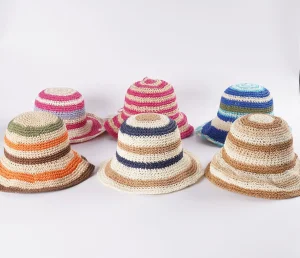
More Bucket Hat & Sun Hat Styles for Wholesale Buyers
The final eight product references complete the original manufacturer portfolio. Use them to compare silhouettes, material directions and end-use positioning before requesting samples or a private-label quotation.