
Toy Hats Supplier & Suppliers
A B2B sourcing and procurement guide for wholesale toy hats, miniature hats, doll hats, plush accessories and costume hat programs — built around factory capability, safety compliance, customization, and global retail requirements.
Wholesale Toy Hats and Related Hat Styles Buyers Request Most
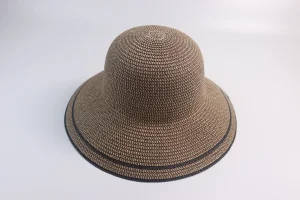
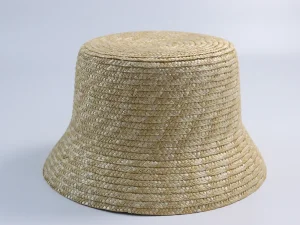
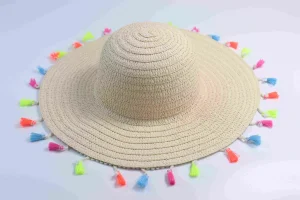
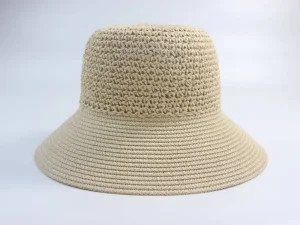
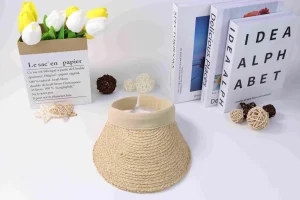
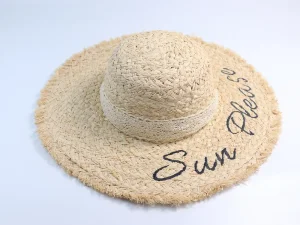
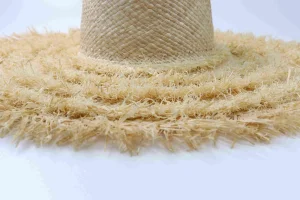
Toy hats are rarely a standalone category. They sit inside doll and plush programs, party favors, costume sets, souvenir lines, children’s accessories and promotional campaigns. The selection below keeps the original product URLs and product imagery while presenting each style as a practical sourcing option for importers, brand owners and retail buyers.
What Does “Toy Hats Supplier & Suppliers” Mean in B2B Sourcing?
The phrase looks narrow, but the intent behind it is broad. A buyer searching for a toy hats supplier may need a factory for miniature felt fedoras for plush bears, a low-MOQ source for doll accessories, a private-label partner for party favor hats, or a compliant manufacturer for a licensed character program. Understanding the semantic clusters behind the query is the first step toward a better supplier decision.
In procurement terms, a toy hat is an accessory product with a very specific job to do: it must fit the intended doll, plush toy, costume or child use case; survive sampling and bulk production with consistent dimensions; meet the destination market’s safety expectations; and arrive in packaging that supports retail, e-commerce or promotional distribution. That makes supplier selection closer to accessory engineering than simple price comparison.
Product Fit & Miniature Dimensions
Buyers need a factory that can work from a doll head circumference, plush pattern, reference sample or mood board — not only from a fixed catalog size.
Compliance Evidence
Age grading, small parts, chemical safety, flammability and labeling can determine whether a toy hat accessory is commercially viable.
Low-MOQ Development
Start quantities of 50–100 pieces per design help boutiques, emerging brands and importers test a collection before scaling.
Scalable Production
A reliable supplier must move from sample room accuracy to repeatable bulk output with stable QC and export packing.
Why China Toy Hat Factories Remain a Strategic Source for Global Buyers
China’s advantage is no longer only cost. It is the depth of component suppliers, hand-weaving skills, blocking and finishing know-how, sample-making speed, packaging infrastructure and export logistics. For toy hats, that ecosystem matters because the product combines textile, craft, miniature sizing and safety documentation.
Shandong Lige Import & Export Co., Ltd., known as Lige Hats, is based in Linyi City, Shandong Province, near Qingdao Port. With more than 15 years of experience in straw hats, paper hats, straw bags and paper bags, the company also manufactures children’s straw hats, toy hats, lifeguard hats, sun visors and winter hats. Its production manager has 20 years of experience, its QC manager has 15 years, and the broader team averages more than five years in hat production and export support.
Integrated Craft & Finishing
Material sorting, weaving, blocking, trimming and inspection under one roof reduce quality drift between sample and bulk order.
Qingdao Port Access
Linyi’s location near Qingdao Port supports FCL and LCL export planning for seasonal retail and e-commerce replenishment.
Flexible MOQ
Programs can begin at 50–100 pieces per design, with room to scale after market testing and sell-through validation.
OEM & ODM Support
Shape, material, color, size, band, logo, label, patch, hangtag and packaging can be aligned to the buyer’s brand system.
Industry Trends Shaping Toy Hat Demand in 2025–2030
Toy hat demand follows the wider toy, plush, doll, party goods and souvenir markets. The strongest opportunities are not mass-market lookalikes, but small, focused collections that solve a buyer’s retail problem: fit, compliance, packaging, speed or storytelling.
Micro-Collections for Dolls & Plush
Doll fashion, plush accessories and collectible figures reward frequent small drops. Suppliers need sample speed and consistent scale across colorways.
Safety-First Material Choices
Buyers increasingly ask for phthalate-free, azo-free, low-migration materials and clear documentation rather than generic “eco” claims.
Personalization & Blind-Box Appeal
Mini hats for gachapon, blind boxes, party kits and gift-with-purchase programs need compact packaging and reliable repeatability.
Sustainability & Traceability
Raffia, paper straw, recycled polyester and FSC-certified packaging are becoming procurement talking points, especially in Europe.
Localized Application Scenarios: How Toy Hats Sell Market by Market
The same miniature hat can serve different commercial purposes depending on the destination market. Buyers should brief the factory on end use, age grade, packaging channel and seasonality before sampling, because these details influence material choice, testing and carton configuration.
United States
Doll and plush accessories, party favors, Halloween costumes, Easter basket fillers, summer camp themes, theme-park souvenirs and pet costume accessories. Retail buyers often prioritize small-parts warnings, barcode-ready packaging and e-commerce photography.
Europe & United Kingdom
Craft kits, eco-material doll hats, Christmas market novelties, heritage miniature hats and licensed costume accessories. Compliance documentation, language labels and recyclable packaging are common requirements.
Australia & New Zealand
Outdoor lifestyle dolls, beach-themed souvenirs, sun-safe play accessories and summer festival products. Lightweight materials, colorfastness and UV-conscious positioning work well.
Japan
Kawaii mini hats, gachapon capsule items, blind-box collectibles and small-scale limited editions. Precision sizing, clean finishing and beautiful packaging often matter as much as unit cost.
Mexico & Latin America
Fiesta themes, carnival costumes, doll traditions and souvenir programs. Bright colorways, flexible MOQ and mixed-style assortments help distributors serve independent retailers.
Middle East & GCC
Hotel kids’ clubs, resort retail, cultural events, gifting programs and premium packaging. Buyers may favor elegant trims, customized presentation boxes and reliable repeat orders.
Macro Industry Solutions: From Miniature Hat to Retail-Ready Program
Toy hats become more valuable when the supplier understands the complete commercial system around them. That can include doll compatibility, packaging, compliance files, assortment planning, warehouse replenishment and seasonal sell-through support.
Doll & Plush Co-Development
Work from a head pattern, plush prototype or 3D reference to create miniature hats that fit securely while remaining easy to decorate, sew, glue or attach.
Party Kit Bundling
Combine toy hats with headbands, favor bags, stickers, banners or costume pieces for birthday, carnival and holiday assortments.
Private-Label Seasonal Capsules
Develop focused summer, Halloween, Christmas, Easter or resort collections with coordinated colors, labels and packaging.
Compliance Documentation Pack
Prepare material declarations, test reports, age-grade notes, labeling artwork and inspection records according to the buyer’s market.
Retail-Ready Packaging
Support polybag, header card, hangtag, display box, barcode, warning label and e-commerce-ready carton planning.
Mixed Container & Replenishment
Consolidate toy hats with straw hats, visors, bags and seasonal accessories to improve container utilization and simplify supplier management.
Global Buyer Requirements: Compliance, Quality and Documentation
For toy hats, safety is the first commercial filter. Requirements vary by destination, product use, age grade and whether the hat is classified as a toy, a costume accessory, a children’s textile product or a doll component. Buyers should confirm the exact regulatory pathway with a qualified lab and compliance specialist. Typical discussions involve CPSIA, ASTM F963, EN71-1/2/3, REACH, phthalates, AZO dyes, lead, cadmium, formaldehyde, flammability and small parts.
Age Grading & Small Parts
Miniature hats and trims may create choking hazards for certain age groups. Attachment methods, detachable decorations and warning labels must be reviewed carefully.
Chemical Safety
Dyed raffia, printed fabrics, glues, trims and surface coatings may require migration or heavy-metal testing depending on the market and intended use.
Physical & Mechanical Tests
Sharp points, sharp edges, seam strength, attachment security, cords and small components should be assessed for the intended user and use environment.
Flammability
Textile-based hats, costume accessories and children’s products may need flammability evaluation or material substitution before bulk approval.
Traceability & Records
Material specifications, supplier declarations, test reports, sample approvals and inspection records help protect the brand after shipment.
Social & Environmental Audits
Large retailers may request factory audit documentation, packaging sustainability data, restricted substance lists or chain-of-custody evidence.
Sourcing Priority Map for Toy Hat Programs
A practical framework used in buyer-supplier discussions — not a market statistic — to balance safety, speed and flexibility.
Materials, Construction and Customization for Toy Hats
Material selection affects hand-feel, shape retention, safety testing, unit cost and packaging. For toy hats, the best material is not always the cheapest — it is the one that meets the fit, age-grade and brand-positioning requirements of the program.
Raffia & Paper Straw
Natural texture and strong visual character for doll hats, souvenir mini hats and seasonal displays. Buyer note: confirm dye fastness, moisture sensitivity and trimming security.
Cotton, Canvas & Felt
Soft, sewable and suitable for plush accessories, costume hats and embroidered mini caps. Buyer note: specify fiber content, shrinkage and colorfastness before bulk.
Plush, Knit & Polyester
Useful for winter toy hats, pet costume accessories and soft collectible items. Buyer note: review fiber shedding, pile direction and flammability requirements.
Recycled & Non-Woven Options
Can support sustainability storytelling for promotions and craft kits. Buyer note: request material declarations and verify that recycled claims are documented.
Construction methods include blocking, sewing, hand assembly, adhesive work, embroidery, printing, ribbon bands, woven labels, patches and hangtags. For miniature hats, the most important controls are dimensional tolerance, attachment strength, trim safety and repeatable finishing. A buyer should approve a sealed sample, measurement sheet, material specification and packaging artwork before mass production begins.
OEM & ODM Workflow: A Lower-Risk Path from Brief to Container
A clear workflow reduces the hidden costs of re-sampling, miscommunication and late-stage compliance surprises. The process below reflects how a hat factory can support importers, brand owners and distributors from first brief to export loading.
Share the Brief
Define product use, target age grade, doll or plush dimensions, material preference, color, logo, packaging, quantity and destination market.
Select the Material Route
Match the design to raffia, paper straw, cotton, felt, plush, knit or blended fabric, and flag likely testing or labeling needs early.
Develop the Sample
The sample room creates a prototype or counter-sample, confirms measurements and documents trims, colors and attachment methods.
Approve & Document
Seal the approved sample, material specification, artwork, packaging, test plan, order quantity and delivery schedule.
Produce & Inspect
Bulk production follows the approved standard, with in-process checks and final inspection for size, finish, safety and packing.
Pack & Export
Orders move via Qingdao Port for FCL or LCL shipment, while samples and urgent small lots can be sent by air or express courier.
Procurement Checklist for Toy Hats Suppliers
Use this checklist to compare quotations beyond unit price. The strongest supplier is the one that can close the loop between product fit, safety evidence, production consistency and export execution.
Clarify whether the product is a toy, costume accessory, doll component, promotional item or children’s textile product.
Provide head circumference, height, brim width, opening shape and fit tolerance for dolls, plush toys or wearers.
Ask for fiber content, dye information, trims, adhesives and any restricted substance declarations.
Match reports to the exact material, color, age group and destination market. Do not rely on generic certificates.
Approve logo placement, woven labels, hangtags, barcodes, warning text, polybags, display boxes and carton marks.
Set AQL, measurement tolerances, color approval method and final inspection timing before production begins.
Include tooling or sampling fees, packaging, testing, freight, duties, insurance and warehousing in the landed-cost model.
Discuss repeat-order lead time, material availability and mixed-container options for seasonal peaks and e-commerce demand.
More Wholesale Toy Hat and Accessory Programs from Our Factory
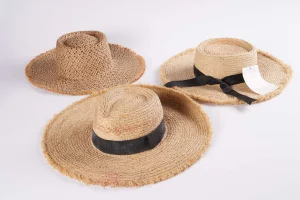
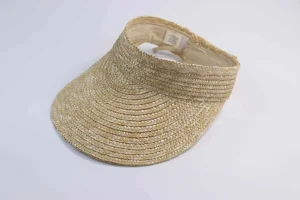
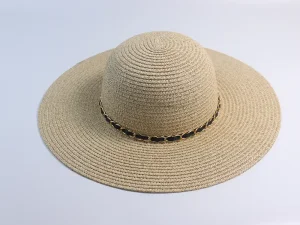
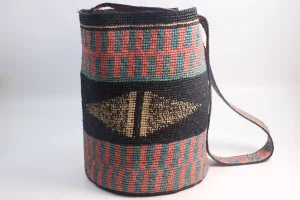
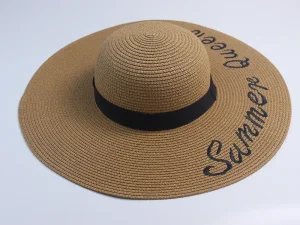
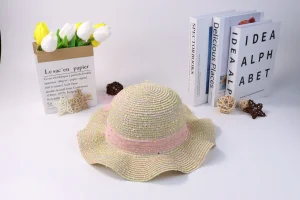
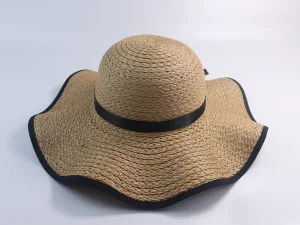
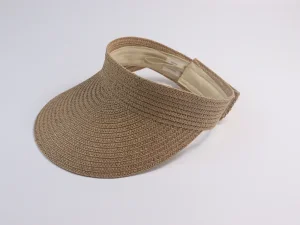
This bottom selection extends the sourcing range into country hats, sun visors, embroidered straw hats, children’s sun hats, large-brim beach hats and raffia bags. These adjacent categories help distributors build a more complete summer, resort and gift assortment from one supply chain.
Toy Hats Supplier & Suppliers: Frequently Asked Questions
These answers address the most common sourcing questions from importers, brand owners and distributors evaluating toy hat programs in China.
What is a toy hat, and how is it different from a children’s sun hat?
A toy hat is usually an accessory for a doll, plush toy, action figure, costume, party favor or promotional item. A children’s sun hat is a wearable product designed for a child and subject to different size, labeling and sun-protection considerations. The factory brief should clearly state the intended user and age grade.
What is the minimum order quantity for custom toy hats?
For many custom hat programs, the starting quantity can be 50–100 pieces per design, depending on material, construction and decoration. This supports boutiques, emerging brands and importers that want to test new doll, plush or party accessory concepts before scaling.
Can you make miniature hats to fit a specific doll or plush toy?
Yes. Provide a head circumference, pattern, 3D file or physical reference sample. A sample room can develop the miniature hat around the required fit, opening shape, brim position and attachment method, then seal an approved sample before bulk production.
Which safety tests should buyers request?
The test plan depends on the destination market, age grade and intended use. Common requirements may include CPSIA or ASTM F963 for the United States, EN71-1/2/3 for the European Union, REACH restricted substances checks, phthalates, AZO dyes, lead, small parts, flammability and labeling review. Confirm the exact plan with a qualified testing lab.
How do you handle private label and packaging?
OEM and ODM programs can customize shape, material, color, size, hat band, embroidery, printing, woven labels, patches, hangtags, polybags, header cards, display boxes and barcodes. Packaging artwork and warning text should be approved before production.
How are orders shipped, and what is the typical lead time?
Samples and urgent small orders can be shipped by air or express courier. Bulk orders are typically exported through Qingdao Port as FCL or LCL shipments. Lead time depends on material availability, sample approval, decoration complexity and order quantity, so it should be confirmed in the final production schedule.
Build a Safer, Faster and More Profitable Toy Hat Program
Send your style references, target age grade, miniature dimensions, quantity, packaging requirements and destination market. Lige Hats supports OEM and ODM production from Linyi, Shandong, with sampling, material recommendations and export coordination through nearby Qingdao Port. The team aims to respond and take action within 8 hours.