
Winter Hats Manufacturer & Factory
Factory-direct knit beanies, thermal cuffed hats, recycled-yarn winter caps and private-label cold-weather headwear for global brands, importers and distributors. Build seasonal programs with 50–100 pcs starting quantities, 8-hour response and export via Qingdao Port.
Winter Beanies & Cross-Season Headwear from Our Product Library
Global buyers rarely purchase a single category. The first eight original products below are retained from Lige’s product library and include a flagship winter beanie plus proven straw and sun-hat styles. Use this selection to test a year-round headwear program while keeping every original image and product URL intact.
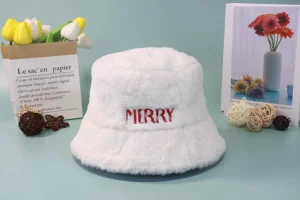
High-Quality Soft Warm Womens Winter Beanie Hat, Thick Knit Hat, Ideal for Ski, Hiking, Daily & Holiday Gift Manufacturers, Factory
View Product →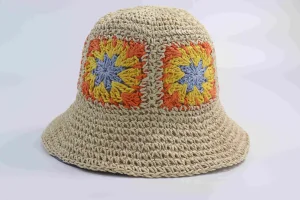
China Trendy Straw Bucket Hat - Perfect for Sun Protection! Supplier, Factories
View Product →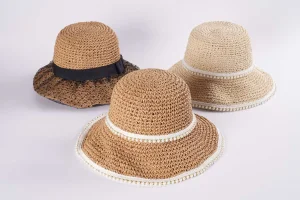
China Stylish Summer Hats for Women - UV Protection & Fashionable Design Manufacturers, Manufacturer
View Product →China Trendy Straw Bucket Hat from China Suppliers - Ideal for Sun Protection | Quality Factory Made Supplier, Factory
View Product →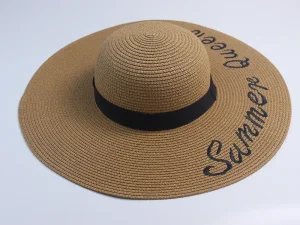
High-Quality Custom Embroidery Women’s Summer Wide Brim Straw Hats - UV Protect Beach Hats from China Suppliers and Factory Suppliers, Factory
View Product →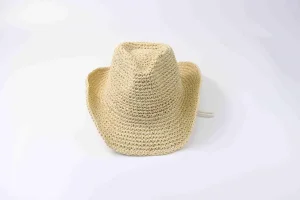
China Authentic Panama Cowboy Hat - Stylish & Durable Headwear Manufacturers, Manufacturer
View Product →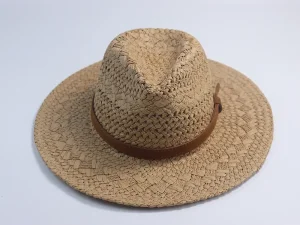
High-Quality China Straw Fedora Hat - Unisex Handmade Cowboy Panama Sun Hat from Premium Suppliers & Factory Supplier, Factory
View Product →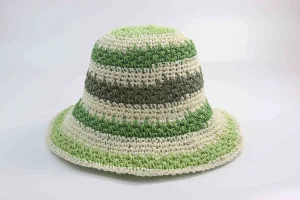
China Trendy Fashion Bucket Hat for Stylish Summer Looks Manufacturer, Suppliers
View Product →The Global Winter Hat Business: Why Headwear Remains a Resilient Sourcing Category
Winter hats sit at the intersection of necessity, fashion, sports performance and corporate branding. Demand is not limited to cold-climate markets: North American outdoor retailers, Northern European fashion chains, Japanese convenience and lifestyle stores, Canadian workwear distributors, alpine resort shops and promotional-product agencies all buy winter headwear on recurring calendars. The commercial category includes wholesale knit beanies, cuffed thermal hats, pom-pom hats, jacquard logo beanies, fleece-lined caps, recycled-yarn winter hats and technical headwear for skiing, hiking and commuting.
From an industrial perspective, winter headwear is a mature but highly responsive segment. Buyers search for a winter hats manufacturer, custom beanie factory, OEM knit hat supplier or private-label winter headwear factory because they need more than low unit price. They need reliable yarn sourcing, consistent stitch density, accurate head sizing, repeatable logo placement, retail-ready labels and packaging, and a production partner that can respond before the cold-weather selling window closes. That is why search intent in this category is usually commercial and specification-led rather than purely informational.
China remains a central sourcing base because the country combines a deep textile supply chain with concentrated knitting, dyeing, embroidery, patch-making, packaging and export services. For winter hats, this integration matters: a single program may involve acrylic or recycled polyester yarn, a jacquard pattern, a woven label, a metal eyelet, a faux-fur pom, a satin care label and a retail polybag. The fewer handoffs between those steps, the faster a brand can move from a mood board to a sellable collection.
Buyer evaluation model for winter hats
An illustrative qualitative model based on common sourcing questions — not a market index. Strong programs balance these variables before they confirm a purchase order.
From Yarn to Container: How China’s Integrated Headwear Chain Creates Speed Advantages
China’s advantage in winter hats is not simply labor cost. It is the density of specialized suppliers and the ability to coordinate knitting, finishing, branding and export around one production plan. Lige Hats is based in Linyi City, Shandong Province, within easy reach of Qingdao Port — a practical gateway for full-container and less-than-container shipments. This location supports efficient access to yarns, knit factories, embroidery and printing services, trim suppliers, labels and packaging, and export logistics.
For buyers, that integration translates into faster sample iteration and clearer accountability. A winter beanie may need a specific knit gauge, cuff depth, anti-pilling yarn, embroidered logo, woven label, size sticker, hang tag and polybag. When these steps are managed by a coordinated factory team rather than scattered trading desks, it is easier to catch sizing drift, color variation and packaging errors before shipment. Our production manager brings 20 years of manufacturing experience, our QC manager brings 15 years, and our team averages more than five years in headwear and accessory programs.
Low starting quantities of 50–100 pieces per design help boutiques, emerging brands and importers test new winter styles without heavy inventory risk. With 15+ years of headwear experience, 25+ global distributors and customers in 60+ countries, our role is to combine factory pricing with export-ready communication: an 8-hour response window, clear sampling feedback and production milestones that buyers can plan around.
The Specs That Separate Commodity Beanies from Retail-Ready Winter Headwear
Professional buyers specify winter hats by construction, not only by appearance. The following four specification areas are useful when briefing a winter hats manufacturer and factory before sampling.
Yarn & Thermal Performance
Acrylic, recycled polyester, merino blends, cotton blends and fleece linings deliver different warmth, softness, price and sustainability profiles. Confirm anti-pilling, colorfastness and shrinkage expectations before bulk production.
Knit Construction & Fit
Circular knit, flat knit, rib structures, jacquard patterns and cuff depth influence stretch recovery and head fit. Specify head circumference, hat height, cuff style and tolerated size variation for each market.
Branding & Finishing
Embroidery, woven patches, printed labels, heat transfer, pom-poms, linings and custom hang tags turn a basic beanie into a private-label product. Placement, thread color and label positioning should be approved on the sample.
Testing & Consistency
Retail buyers often request pilling, colorfastness, shrinkage, measurement and packaging checks. Clarify required test reports and inspection criteria before production, then keep approved samples as the reference standard.
Where Custom Winter Hats Win at Retail, Work and Events
Winter headwear performs across multiple demand channels. The right material and branding strategy depends on where the hat will be used and how it will be sold.
Alpine & Snow Sports Retail
Ski and snowboard shops need warm cuffed beanies, helmet-friendly fits, fleece bands and technical yarns. Branded beanies work as high-margin accessories beside jackets, goggles and gloves.
Urban Commuter & Fashion
City retailers and streetwear brands use jacquard patterns, tonal logos, chunky ribs and refined color stories. Softness, shape recovery and on-trend palettes matter as much as warmth.
Corporate Gifting & Promotions
Brands, banks, logistics companies and event agencies order custom beanies for winter campaigns, staff gifts and customer promotions. Embroidery and woven labels create a polished, repeatable branded gift.
Team Sports & School Programs
Clubs, schools and universities order team-color beanies with school logos or mascot embroidery. Size ranges, quick sampling and consistent color matching help meet seasonal team schedules.
Outdoor Workwear & Cold Chain
Construction, agriculture, logistics and cold-storage teams value warmth, durability and visibility. Consider high-visibility accents, fleece lining and sturdy cuff construction for workwear programs.
Charity, Relief & Hospitality
NGOs, relief organizations and hospitality groups need dependable winter hats in bulk. Clear size curves, simple packaging and reliable delivery windows are often more important than complex decoration.
Winter Headwear Trends Shaping the Next Buying Cycles
Buyer intent is shifting from “cheap winter hats” toward “sellable, responsible and fast-to-market winter hats.” These six trends should be reflected in your product brief and supplier questions.
Recycled & Traceable Yarns
More brands request recycled polyester, documented yarn origins and material traceability. Explain the material story clearly and avoid vague green claims without supporting evidence.
Technical Thermal Comfort
Consumers compare warmth-to-weight, breathability, lining and anti-pilling performance. Technical outdoor styling is moving into everyday fashion, workwear and travel accessories.
Small-Batch Replenishment
Retailers reduce inventory risk by testing fewer units and replenishing winners. Factories that support 50–100 pcs starting quantities and repeat orders with consistent color can win long-term programs.
Digital Product Development
Buyers now expect quick digital mockups, artwork checks and clear sampling photos. Clear communication shortens the design loop between brand teams, sourcing offices and factories.
Design-Led Color & Texture
Chunky ribs, brushed surfaces, tonal jacquards and multi-color logos keep basic beanies interesting. Color accuracy and yarn dye-lot control become critical for fashion collections.
Year-Round Headwear Programs
Brands consolidate suppliers by pairing winter beanies with summer straw hats, sun visors, children’s hats and bags. One coordinated supplier can simplify QC, packaging and freight planning.
What International Buyers Audit Before Placing a Winter Hat Order
Procurement teams rarely buy on appearance alone. A winter hats factory should be ready to answer the following commercial, technical and logistics questions.
Compliance & Documentation
Confirm business licensing, product test requirements, labeling rules and any buyer-specific social compliance or environmental documentation before sampling. Certification scope should always be verified for the exact material and factory.
Material & Lab Testing
Agree on yarn composition, anti-pilling expectations, colorfastness, shrinkage, azo-dye requirements and care-label wording. Third-party test reports may be requested for retail or brand programs.
MOQ & Size Curves
Clarify minimum quantities per design and per color, then plan adult, youth and unisex size curves. Low-MOQ programs help test markets, while volume programs can improve unit pricing.
Sampling & Approval
Approve yarn hand-feel, knit gauge, logo size, label placement, packing method and measurement points on a physical or clear photo sample. Keep signed approval records for bulk reference.
Packaging & Labeling
Retail-ready winter hats may require woven labels, care labels, size stickers, hang tags, barcodes, polybags and carton marks. Packaging errors can delay a shipment even when the product quality is good.
Shipping & Replenishment
Sea freight via Qingdao Port suits FCL and LCL bulk orders; air and express suit samples or urgent replenishment. Confirm carton dimensions, gross weight, shipping marks and delivery schedule early.
A Transparent Six-Step Path from Brief to Export
Clear milestones reduce sampling risk and keep buyers informed. This workflow can be adapted for winter beanies, knit hats, sun hats, straw hats and cross-season accessory programs.
Share Your Brief
Provide style references, material, target price, quantity, size range, logo artwork, packaging and destination market.
Material & Design Proposal
Our team recommends yarn, construction, decoration method and packaging options based on your price and positioning.
Sampling & Approval
Review sample photos or physical samples for fit, hand-feel, colors, logo placement and labels before confirming bulk.
Bulk Production
Yarn preparation, knitting, linking, finishing, trimming and branding proceed according to the approved specification.
Quality Inspection
Check measurements, stitching, color, logo position, labeling, packing and carton marks. Final inspection records can be shared as agreed.
Export Shipping
Bulk orders typically move by sea as FCL or LCL via Qingdao Port; samples and urgent small orders can be sent by air or express.
Winter Hats Plus Straw & All-Season Programs: Why Consolidation Matters
Shandong Lige Import & Export Co., Ltd. has focused on headwear and woven accessories for more than 15 years. Our product range includes straw hats, paper hats, straw bags, paper bags, children’s straw hats, toy hats, lifeguard hats, sun visors, winter hats and other bags. For importers and brand owners, this breadth supports a practical advantage: fewer suppliers to manage, unified quality expectations and better freight consolidation across seasonal collections.
Winter headwear can be developed with the same export discipline used across our wider catalog: confirmed specifications, approved samples, controlled labeling, final inspection and shipping through Qingdao Port. Whether you need a single custom beanie program or a full year-round headwear plan, our team can help align product development with your retail calendar.
Lige Hats at a glance
Factory-direct support for importers, wholesalers, brand owners and retail buyers.
- 15+ years of headwear and accessory manufacturing experience
- Linyi City, Shandong Province, near Qingdao Port
- Starting quantities from 50–100 pcs per design
- OEM & ODM customization for shape, material, color, size and branding
- 8-hour response and action on buyer requests
- Experience serving 60+ countries and 25+ global distributors
Frequently Asked Questions: Winter Hats Manufacturer & Factory
Direct answers to the questions international buyers ask most often about winter hat sourcing, private label production and export.
What is the minimum order quantity for custom winter hats?
Can Lige produce private-label winter hats with our own logo?
Where is your factory located and how are winter hat orders shipped?
Which markets do you export hats to?
How quickly does your team respond to buyer requests?
What products do you manufacture besides winter hats?
Which materials should we use for winter beanies and knit hats?
How do you control quality and lead time for custom winter hats?
Build a Full-Year Headwear Assortment Beyond Winter Beanies
The final eight original products below complete the retained catalog. They support importers who want to pair winter headwear with straw hats, sun visors, Panama styles and bucket hats for spring and summer retail programs.
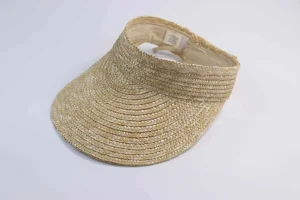
High-Quality Stylish Sun Visor Hat Cap from China Suppliers - Customizable Natural Straw for Outdoor Activities by Factory Factories, Factory
View Product →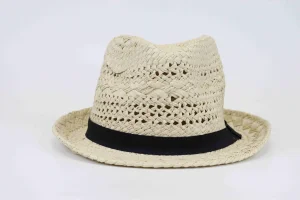
High-Quality Stylish Men's Straw Sun Hat - UV Protection & Breathable Manufacturers, Factories
View Product →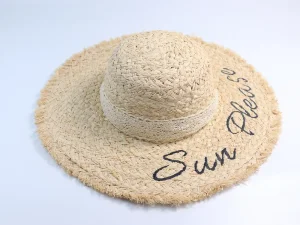
China China Handmade Raffia Western Hat for Women - Stylish Embroidered Straw Hat from Suppliers & Factory Supplier, Suppliers
View Product →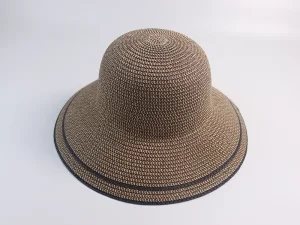
Wholesale China Suppliers Factory Wholesale Women's Summer Bucket Hats with Big Brim - Lightweight & Customizable Paper Straw Hats Manufacturers, Supplier
View Product →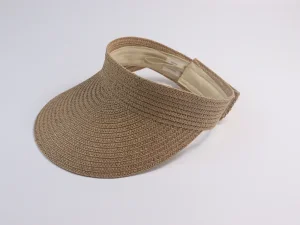
High-Quality China Factory Suppliers Wholesale Lightweight Unisex Straw Sun Visor Hat for Summer Sports - Customizable Designs Available Manufacturer, Supplier
View Product →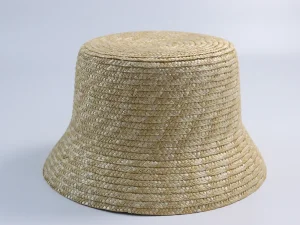
Wholesale China Suppliers Factory Unisex Summer Panama Straw Hat with Custom Logo for Beach Party & Sports, 100% Handmade Manufacturers, Suppliers
View Product →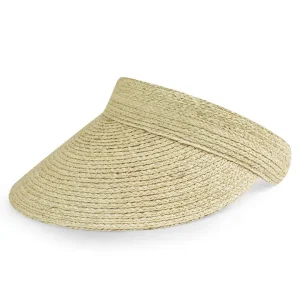
High-Quality Trendy Summer Hats for Women - Stylish & Sun-Proof Styles Manufacturer, Factory
View Product →China Women’s Custom Embroidery Summer Straw Hats - Wide Brim UV Protection | China Suppliers & Factory Manufacturer, Suppliers
View Product →Let’s Build Your Next Winter Hat Program
Send your winter hat references, target quantity, destination market and brand requirements. Our team will reply within 8 hours with material suggestions, a sampling plan and a practical production timeline.