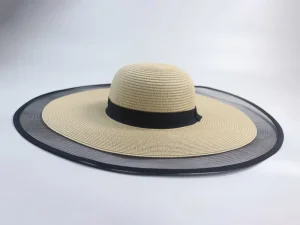
Straw Bags and Summer Accessories Ready for Private Label
Explore buyer-focused designs from our factory collection. Each product URL, original image and product title is preserved for direct sourcing review.
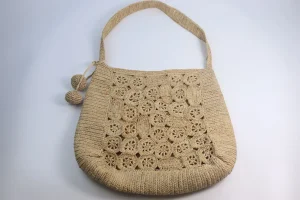
High-Quality Handmade Raffia Straw Bag, Lightweight Woven Crossbody Bag for Summer Holiday Suppliers, Factories
View Product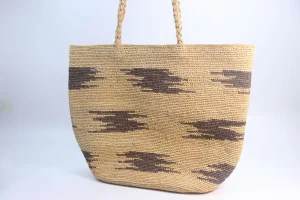
China Women's Handwoven Raffia Straw Tote Bag, Large Capacity Summer Beach Bag, Vintage Vacation Shoulder Bag Manufacturers, Factory
View Product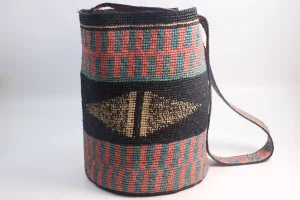
Wholesale Old Money Style Raffia Straw Bag, Handmade Woven Straw Shoulder Tote, Beach Picnic Holiday Handbag Suppliers, Factories
View Product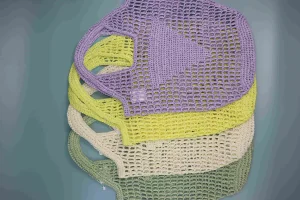
High-Quality Women's Handwoven Straw Tote Bag, Large Capacity Summer Beach Bag, Vintage Vacation Shoulder Handbag Manufacturer, Suppliers
View Product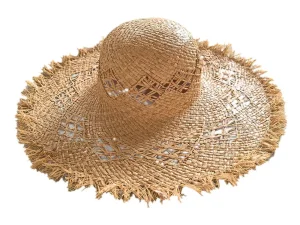
High-Quality 100% Natural Raffia Straw Hand Woven Wide Brim Cloche Hat - China Suppliers & Factory OEM Available Manufacturer, Factory
View Product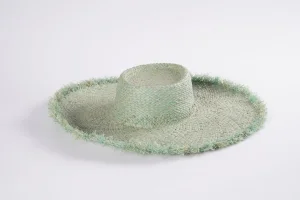
Wholesale Stylish Western Straw Hats for Sun Protection and Fashion Manufacturer, Suppliers
View Product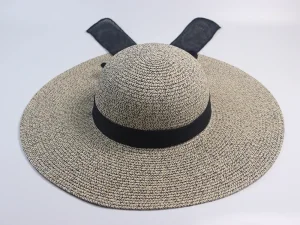
China Multi-Color Lady Hat Summer Floppy Hat with Big Brim - China Suppliers Factory Customizable 56-58cm Manufacturers, Suppliers
View Product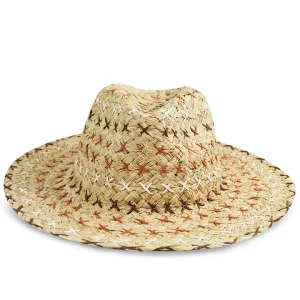
China Straw Cowboy Hat for Women, Classic Western Cowgirl Hat, Lightweight Outdoor Sun Hat Manufacturers, Supplier
View ProductThe Straw Bag Market: From Seasonal Accessory to Strategic Category
Straw bags have crossed an important threshold. What was once a beach-season impulse item is now a year-round accessory category for resort wear, city retail, travel, gifting and lifestyle collections. Buyers are no longer asking only for “a woven bag.” They are asking for a manufacturing partner who can translate a mood board into a repeatable, retail-ready program with dependable materials, consistent finishing and predictable delivery.
For more than 15 years, Shandong Lige Import & Export Co., Ltd. has produced straw hats, paper hats, straw bags and paper bags for importers, brand owners and retail buyers worldwide. From raffia crossbody bags and handwoven totes to beach shoulder bags and children’s hat-and-bag sets, we develop, sample and manufacture in-house in Linyi, Shandong, then ship through nearby Qingdao Port.
This guide is written from the factory floor for sourcing teams, private-label founders and retail buyers. It combines our production experience with practical buyer criteria: material selection, MOQ planning, sampling, quality gates, sustainability claims and export logistics. The goal is information gain, not generic catalog copy — so you can compare suppliers with a clearer brief and a stronger risk plan.
Natural Materials With Proof
Sustainability is moving from slogan to sourcing criterion. Buyers want raffia, paper straw, natural grass and responsibly specified trims — with documentation that supports the claim. The strongest partners help you separate “natural-looking” from “verifiable.”
Quiet Luxury and “Old Money” Style
Woven texture, restrained colorways, visible handwork and vintage-inspired shapes continue to perform. Retailers are pairing raffia totes with linen, leather sandals and resort wear, which extends the perceived value of the bag beyond a low-cost beach item.
Travel and Packable Design
Space-saving construction matters to modern travelers. Bags that fold flat, retain shape after packing and coordinate with vacation wardrobes are easier to merchandise. Buyers should test fold recovery, strap strength and lining comfort before scaling.
Micro-Collections and Test Drops
Small-batch launches reduce inventory risk. A factory that can support 50–100 pieces per design lets boutiques, emerging brands and importers test shapes, colorways and price points before committing to larger production runs.
Kids, Family and Gift Sets
Matching adult-and-child accessories, hat-and-bag sets and gift-ready packaging create seasonal opportunity. Buyers can build coordinated programs around beach holidays, resort retail, photo-friendly travel and birthday gifting.
Omnichannel Retail Readiness
One style may need to work in a boutique window, a hotel gift shop, an online lookbook and a marketplace listing. Consistent color, accurate dimensions, clean packing and reliable reorder capability are now part of product design, not an afterthought.
What Global Buyers Now Expect From a Straw Bag Factory
Procurement teams are balancing price, speed, compliance and differentiation. The factory that wins repeat orders is usually the one that makes the buying process predictable.
MOQ Discipline
Boutiques and emerging brands need low-risk entry quantities, while larger importers need scale. A practical factory should explain MOQ by material, construction, trim and packaging — not quote a single number that hides complexity.
Sampling Speed
Seasonal calendars are less forgiving than ever. Clear sampling briefs, reference images, material swatches and target pricing help reduce revision cycles. Our team responds and takes action within 8 hours.
Documentation and Compliance
Destination-market requirements vary. Buyers should specify labeling, packaging, restricted substances, fiber content and any social-compliance needs before sampling. Lige supports audit preparation and product testing planning based on the final market.
Retail-Ready Finish
Trim alignment, clean stitching, uniform color, strap strength and packaging all affect chargebacks and customer reviews. A factory should treat finishing and inspection as a core capability, not a final quick check.
A stronger brief shortens sampling and protects margin.
Before asking for a quote, define the use case, target retail price, material direction, dimensions, lining, strap type, hardware, branding, packaging and destination market. Lige’s team can then recommend a construction that fits both the aesthetic and the cost target.
Send your brief to our team- Style references, dimensions and target price
- Raffia, paper straw, natural grass or fabric direction
- Lining, pocket, strap, handle and hardware details
- Logo method: woven label, patch, embroidery, print or hang tag
- Packaging, carton marks and destination compliance
Supply-Chain Resilience and Efficiency Advantages
“Factory 4.0” in a craft-intensive category does not mean replacing handwork with machines. It means combining skilled hands with process visibility, digital communication, material planning and controlled quality gates.
Cluster Advantage in Linyi
Linyi’s textile, weaving and accessory ecosystem gives buyers access to material sorting, weaving, trimming, packing and export services within a concentrated region. That density supports faster problem solving and more flexible capacity planning.
In-House Control
Raw material sorting, weaving, blocking or shaping, lining, strap attachment, hardware, finishing, inspection and packing are managed under one roof. Fewer handoffs reduce quality drift and make responsibility clear when a buyer raises a concern.
Digital Communication
Clear photos, specification sheets, sample comments and production updates keep remote buyers aligned. We respond and take action within 8 hours, covering product questions, sampling, order follow-up and after-sales service.
Flexible Low MOQ
Starting quantities of 50–100 pieces per design allow test launches without overstock risk. Once a style proves itself, production can scale. This is especially valuable for boutique brands, resort shops and social-commerce sellers.
Qingdao Port Proximity
Our location in Linyi, Shandong, is within practical reach of Qingdao Port. Bulk orders can move by FCL or LCL sea freight, while samples and urgent small orders can be sent by air or express courier.
Audit-Ready QC
A production manager with 20 years of experience and a QC manager with 15 years lead our process. The team averages more than 5 years of experience, supporting consistent weaves, accurate sizing and disciplined final inspection.
Material Selection for Straw Bags: A Buyer’s Guide
The fiber determines hand-feel, shape retention, color depth, packing performance and unit cost. This is how our product team advises buyers before sampling.
Raffia
A natural palm-leaf fiber traditionally sourced from Madagascar. Its natural resins make it soft, flexible and highly dye-receptive, so bags can be packed and recover shape while supporting rich colorways.
Best for: crossbody bags, totes, premium resort lines, beach bags and packable travel styles.
Paper Straw
Twisted paper yarn woven or braided into a lightweight, uniform fabric. It delivers clean, consistent colors and a competitive unit cost for volume programs and promotional retail.
Best for: structured totes, market bags, seasonal promotions and coordinated hat-and-bag sets.
Natural Grass Straw
Braided natural stems with inherent stiffness, producing crisp, structured silhouettes and an authentic artisanal look that buyers value at premium price points.
Best for: structured beach bags, vintage-inspired shapes, market totes and shelf-stable retail programs.
Fabric and Knit
Cotton, polyester and knitted constructions extend your assortment beyond summer and into children’s, gifting and cold-weather categories. They also support easy-care messaging and softer hand-feel.
Best for: kids’ sets, gift bags, visors, winter accessories and coordinated lifestyle collections.
Where Straw Bags Win: Retail Scenarios That Repeat
Different markets buy woven bags for different reasons. Matching the construction to the use case is the fastest way to improve sell-through and reduce returns.
Resort and Beach Retail
Large-capacity totes, crossbody bags and matching hat sets work well in coastal boutiques, hotel shops and vacation destinations. Buyers should prioritize colorfastness, strap strength and packability.
City Daily and Quiet Luxury
Clean shapes, neutral raffia, leather-look handles and structured linings move woven bags into everyday city wear. This segment rewards finish quality, hardware consistency and refined packaging.
Travel and Packable Capsules
Foldable totes and lightweight shoulder bags suit luggage-space-conscious shoppers. Sampling should include fold recovery, lining comfort and whether the bag holds its shape after transit.
Festival and Western Lifestyle
Western straw hats, raffia shoulder totes and textured accessories align with country concerts, rodeo events and festival retail. Buyers often request packable brims, bold bands and unisex shapes.
Grocery, Market and Sustainable Retail
Reusable woven market bags support low-waste shopping and brand gifting. For this use, reinforce handles, choose easy-clean linings and specify load-bearing tests that reflect real shopping weight.
Kids, Gifting and Hotel Amenities
Mini totes, hat-and-bag sets and gift-ready packaging support family travel, hotel amenities and holiday promotions. Soft edges, safe trims and size grading are essential for children’s collections.
Six Controlled Steps From Brief to Container
A transparent process keeps buyers informed from first brief to container loading — with clear approval points before production and shipment.
Share Your Brief
Style, material, size, color, branding, packaging and target quantity. Reference samples and mood-board images help our team align quickly.
Design and Sampling
Our designers recommend materials, constructions and finishing options, then develop samples for your review. Sampling comments are consolidated before revision.
Approval
Confirm samples, labels, packaging, quality standards and delivery schedule. A clear approved sample becomes the reference for bulk production.
Production
Material sorting, weaving, cutting, lining, strap attachment, hardware and finishing are controlled in-house with intermediate quality checks.
Quality Inspection
Final inspection covers shape, stitching, size, trims, color, hardware, strap strength and packing before export.
Export Shipping
FCL or LCL sea freight via nearby Qingdao Port, with air or express options for samples and urgent small orders.
Claims Buyers Can Defend — and Quality They Can Feel
Natural materials and handcrafted construction are strong selling points, but they require clearer standards. Buyers should define what “good” looks like before bulk production begins.
Material Consistency
Check weave density, color variation, softness, stiffness and moisture sensitivity. Natural fibers vary by batch, so approved tolerances should be agreed before production.
Construction and Load
Test handles, straps, stitching, lining seams and hardware attachment. For totes and market bags, load-bearing checks should reflect the intended use, not only a visual inspection.
Color and Finish
Review colorfastness, lining shade, trim alignment, logo placement and packing marks. Small inconsistencies become visible when the product appears in online listings and store displays.
Packing and Documentation
Specify hangtags, labels, polybags, carton marks and any compliance labels. Clean packing protects the product and helps your warehouse process the shipment efficiently.
Sustainability starts with traceable decisions.
Natural raffia, paper straw and grass fibers can support a more responsible product story, but the strongest claims are the ones you can document. Work with your supplier to record material specifications, dye choices, packaging materials and test requirements. Avoid broad environmental claims that cannot be supported by your supply chain.
- Specify fiber content and approved material samples
- Reduce unnecessary plastic in packaging where possible
- Keep test reports aligned with the destination market
- Use care labels that match the real fiber and construction
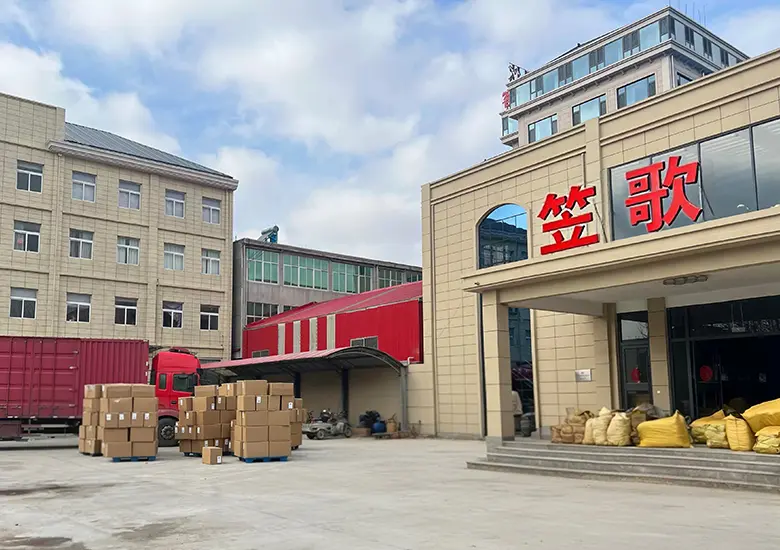
 Shandong Lige Import & Export Co., Ltd.
Crafting Quality Straw Bags & Accessories for the World
Shandong Lige Import & Export Co., Ltd. is based in Linyi City, Shandong Province, within easy reach of Qingdao Port — one of China’s major container gateways. For more than 15 years we have focused on straw hats, paper hats, straw bags and paper bags, combining traditional hand-weaving skills with modern finishing expertise.
Our customers are importers, wholesalers, brand owners and retailers in the United States, Canada, Australia, Mexico, Western Europe and Japan. They rely on our professional designers, efficient sales team, competitive factory pricing and dependable quality. We serve customers in more than 60 countries and work with over 25 global distributors.
Our goal is simple: to become your one-stop hat and bag supplier with clear communication, practical MOQs and production standards that support repeat business.
Inside Our Straw Bag and Hat Factory
Real production capacity separates a dependable supplier from a trading desk. Our in-house line covers material sorting, weaving, shaping, finishing and final quality inspection.
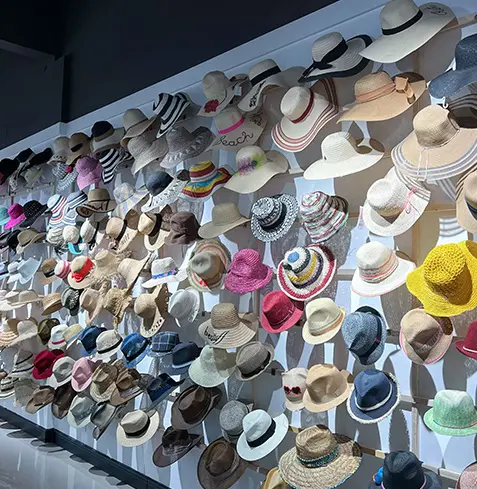
Sample Room
Where new shapes, materials and colorways are developed.
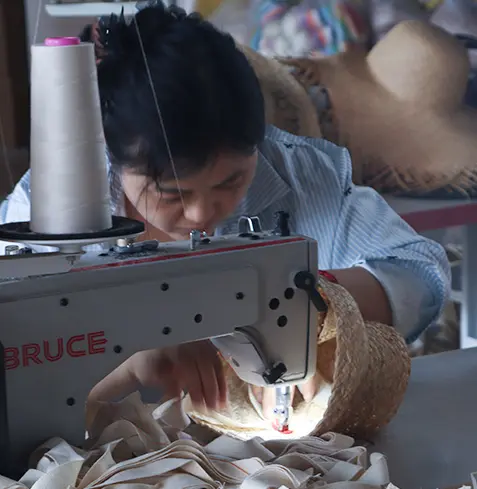
Production Workshop
Weaving, shaping and assembly of straw products.

Finishing and Detailing
Bands, labels, linings, straps and trims applied with care.
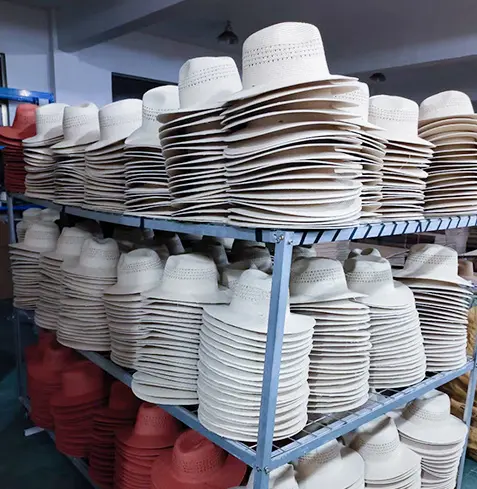
Inspection and Packing
Final QC before export packing and container loading.
Explore the Full Lige Range
From straw bags and paper bags to Panama hats, cowboy hats, bucket hats, visors, children’s hats and seasonal accessories — use these direct links to review the wider collection.
Straw Bag, Hat and Material Knowledge for Buyers
Material guides, trend notes and factory updates written for sourcing teams and brand owners.
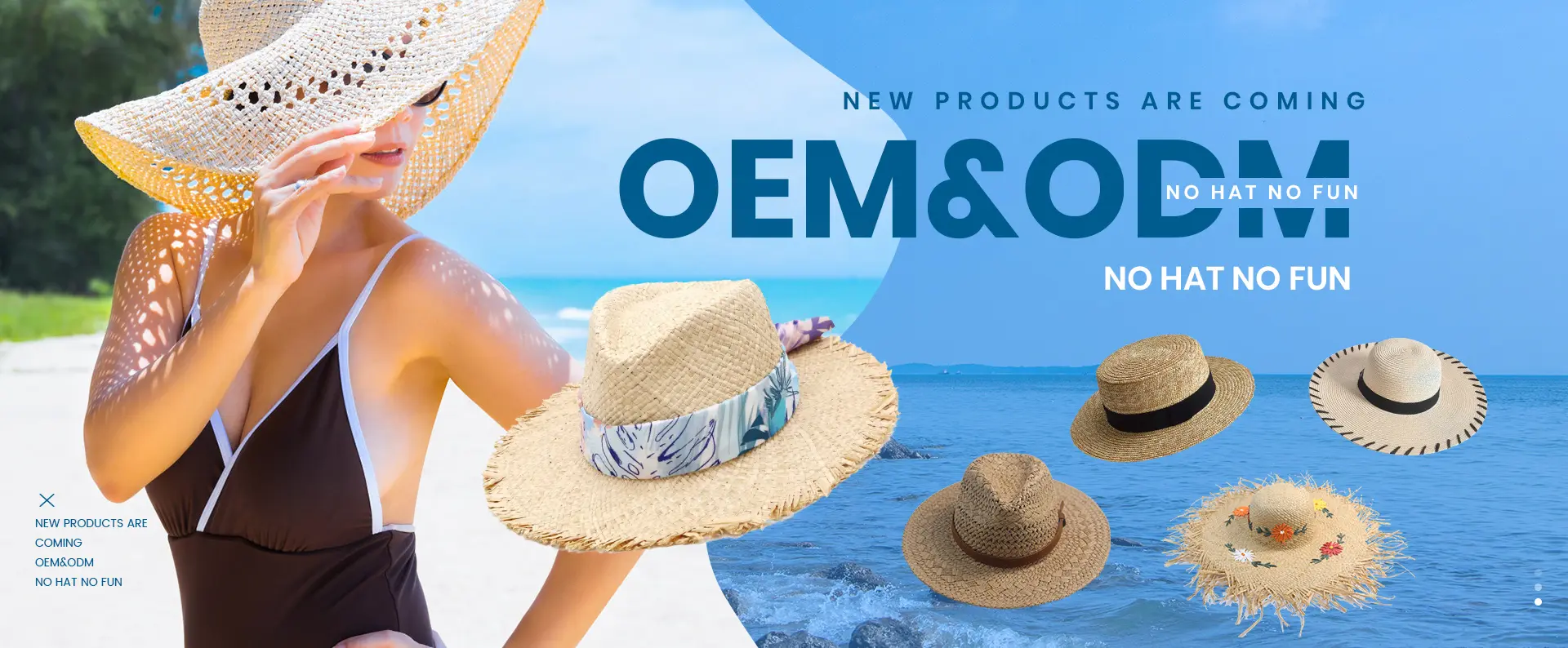
Lige Straw Hat Factory Launches New Official Website for Overseas Buyers
Our full in-house line runs from raw material sorting and weaving to blocking, finishing and final inspection.
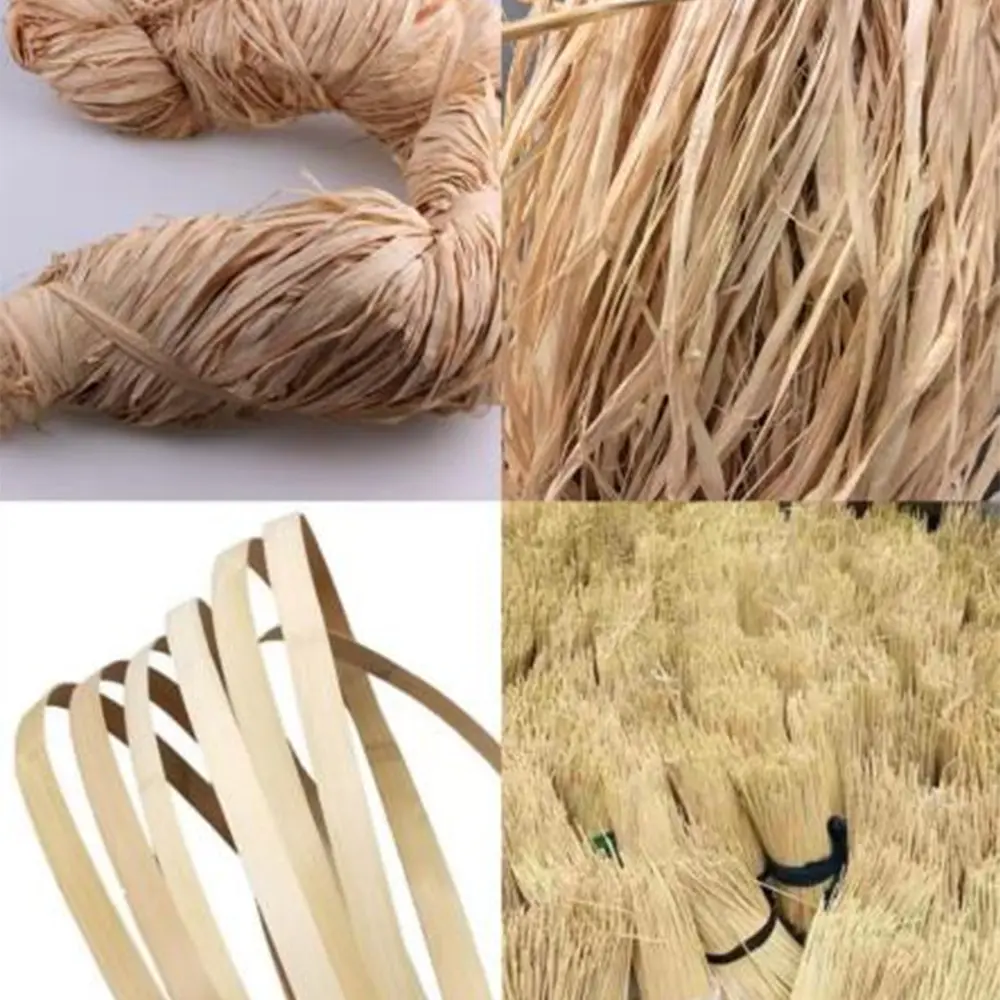
Nature’s Legacy in Straw Hats: 4 Classic Woven Materials
A straw product’s character comes from the natural grasses it is woven from. Explore texture, durability and style.
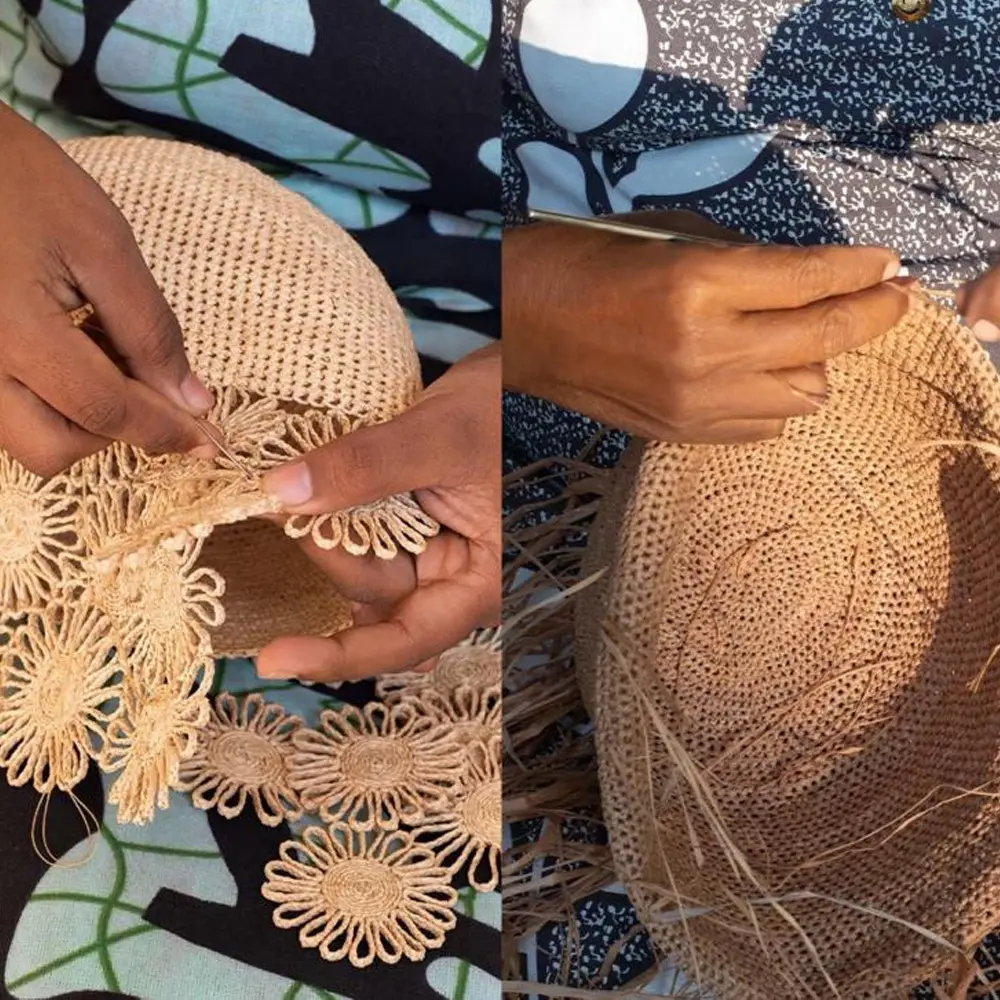
RAFFIA: The Artistic Poetry of Raffia Straw
Sourced from Raphia palms in Madagascar, raffia’s natural resins give it durability, flexibility and vibrant dye receptivity.
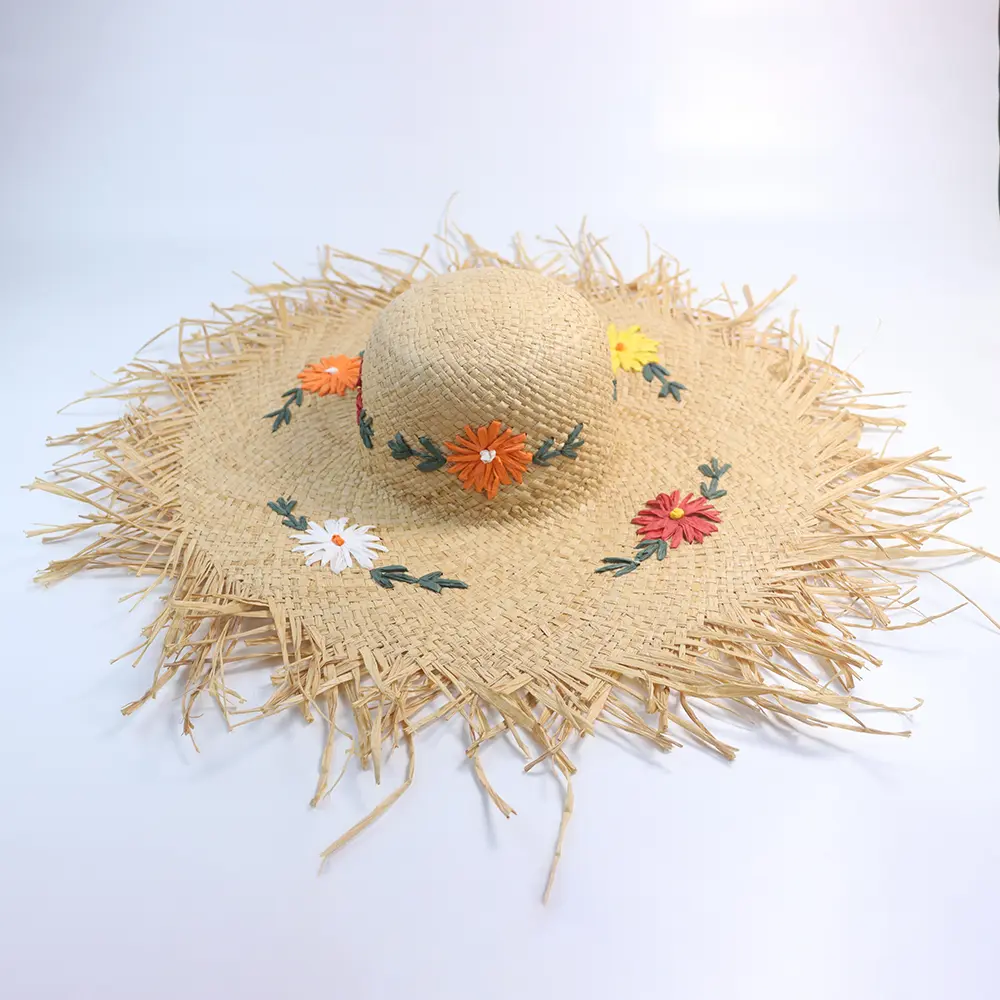
Eco-Chic Takes Over: Sustainable Straw Hats Drive Summer Fashion
As consumers prioritize planet-friendly choices, artisanal straw products merge timeless style with eco-conscious appeal.

The Straw Hat Riot of 1922: A Clash over Fashion Rules
In 1922 New York City saw an unusual riot sparked not by politics but by the unwritten rules of when men could wear straw hats.

Raffia Straw Hats: The Timeless Summer Staple Returns
Woven from durable raffia palm fibers, these pieces offer more than shade — they are a natural choice for conscious consumers.
Questions Straw Bag Buyers Ask Us Most
Straight answers on MOQ, customization, materials, shipping and service. Our team replies within 8 hours.
What is the minimum order quantity for custom straw bags or hats?
Can Lige produce private-label straw bags with our own logo?
Where is your factory located and how are orders shipped?
Which markets do you export straw bags to?
How quickly does your team respond to buyer requests?
What products do you manufacture besides straw hats?
Which straw bag materials are available?
Can we order small quantities to test the market?
How do you control quality for straw bags?
Can you support more sustainable packaging?
Let’s Build Your Next Straw Bag Collection
Send us your style references, target quantity and destination market. Our team replies within 8 hours with material suggestions, a sampling plan and a production timeline.
Straw Bags, Hats and Seasonal Accessories
Review additional product links from the Lige Hats collection. Each image and product URL is preserved for direct buyer access.
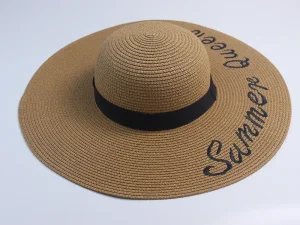
High-Quality Custom Embroidery Women’s Summer Wide Brim Straw Hats - UV Protect Beach Hats from China Suppliers and Factory Suppliers, Factory
View Product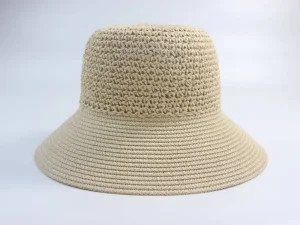
China Elegant Summer Bucket Hats for Women - China Suppliers Factory - Custom Crochet Sun Fisherman Hat Manufacturers, Factory
View Product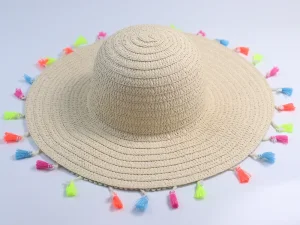
High-Quality Cute Summer Hat & Bag Set for Kids - Handmade from China, Premium Quality from Trusted Suppliers and Factory Manufacturers, Suppliers
View Product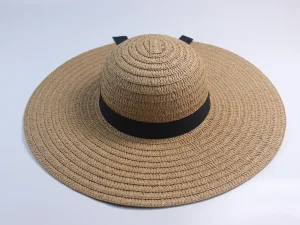
High-Quality Big hat new style paper straw hat summer hat lady hat floppy hat sun hats Manufacturers, Suppliers
View ProductHigh-Quality Cute Kids Summer Hat & Bag Set - Handmade Beach Accessories from China Suppliers & Factory Factories, Factory
View Product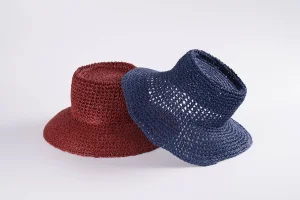
Wholesale Stylish Summer Hats for Women - Sun Protection & Fashion Manufacturer, Suppliers
View Product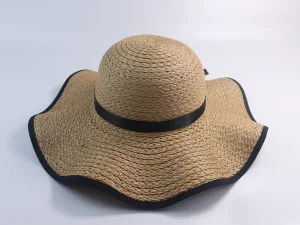
High-Quality Women's Large Brim Summer Beach Hat Wavy Edge Sun Protection Hat Supplier, Factories
View Product