Lifeguard Hats Supplier & Factories
Compliance-aware lifeguard hat programs for municipal pools, resorts, beach patrols, water parks, distributors and global uniform buyers — supported by material sourcing, custom branding, documentation planning and 8-hour response from Linyi, Shandong, near Qingdao Port.
8 Product References Below the Banner: Sun Protection Assortment
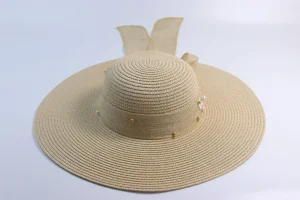
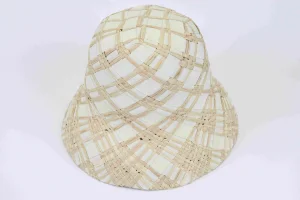
The eight items below are part of the existing Lige Hats sun-hat and straw-hat portfolio. They are useful when a lifeguard, resort or retail program needs shape references, color direction or a mixed summer collection alongside performance lifeguard hats. Every original image and product URL is retained.
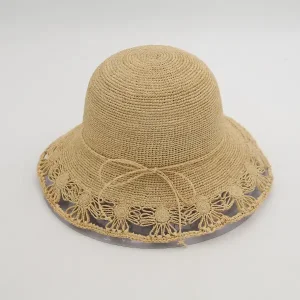
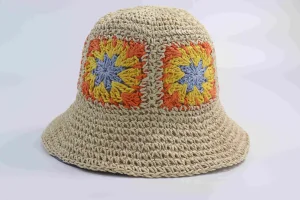
China Old Money Style Wide Brim Bucket Hat for Women, Soft Woven Straw Sun Hat, Casual Outdoor Travel Hat Manufacturer, Suppliers
View Product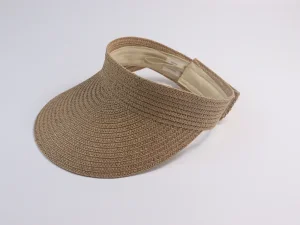
High-Quality China Factory Suppliers Wholesale Lightweight Unisex Straw Sun Visor Hat for Summer Sports - Customizable Designs Available Manufacturer, Supplier
View Product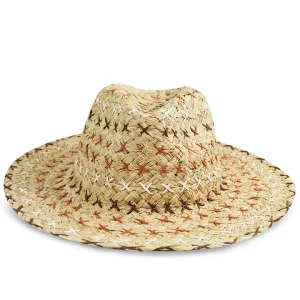
China Straw Cowboy Hat for Women, Classic Western Cowgirl Hat, Lightweight Outdoor Sun Hat Manufacturers, Supplier
View Product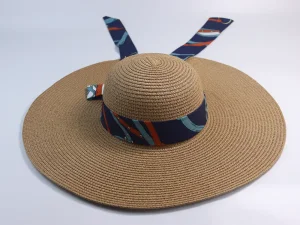
China Wholesale fashion female summer hats big brim hat sunshine hat Manufacturer, Supplier
View Product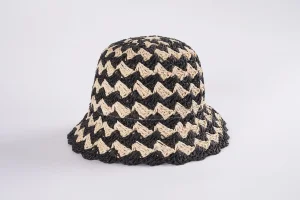
High-Quality Stylish UV Protection Sun Hats for Outdoor Adventures Manufacturers, Factories
View Product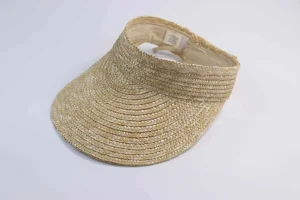
High-Quality Stylish Sun Visor Hat Cap - Perfect for Outdoor Activities Manufacturer, Factory
View Product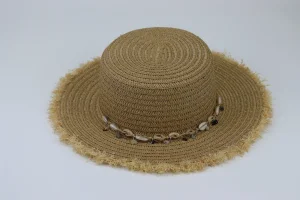
Lifeguard Hats Supplier & Factories: Procurement-Grade Headwear
Lifeguard hats sit at the intersection of uniform visibility, sun protection, comfort and brand presentation. In a public pool, beach patrol, resort group or water park, the hat is seen by guests and staff every day. It must survive heat, sweat, wind, salt spray, chlorine mist and repeated handling. For a procurement team, the buying question is not simply “who sells lifeguard hats?” but which factory can repeat the same crown shape, brim size, colour, sweatband, logo and packaging across markets and replenishments?
For more than 15 years, Shandong Lige Import & Export Co., Ltd. has produced straw hats, paper hats, straw bags and paper bags for importers, brand owners and retail buyers worldwide. Our production manager brings 20 years of experience, our QC manager brings 15 years, and our team averages more than 5 years in export headwear. We quote, sample, produce and inspect under one roof in Linyi, Shandong, near Qingdao Port. These facts matter because lifeguard hat programs fail less often on “design” than on spec control, colour consistency, documentation and replenishment speed.
The eight products above and the eight at the bottom of this page are retained from the current portfolio. They show the shape language, material range and custom branding capability that also apply to lifeguard and sun-protection programs. For a pure lifeguard brief, we map the use environment first: dry patrol or splash zone; one-off event or multi-year uniform; adult unisex or youth sizing; stock logo or fully custom; straw-look retail or performance quick-dry.
Operational facts that matter in an RFQ
Use this illustrative decision-weight model to brief suppliers consistently. It is not market research; it is a practical way to compare quotes and avoid hidden risk.
A low unit price can be expensive if the sweatband discolours, the brim measurement drifts, the logo placement changes, or the shipment misses the season.
What “Lifeguard Hats Supplier & Factories” Means in Real Buyer Language
Queries such as “lifeguard hats supplier” and “lifeguard hat factories” are not all equal. A surf club may need 120 branded hats in three weeks. A municipal buyer may need a three-year uniform contract with colourfastness reports. A distributor may need 50–100 pieces per design to test a market. A resort group may need retail-ready packaging and mixed shipments.
Immediate restock
The buyer already has a supplier or a tender deadline. They need stock availability, a clear sample time, and an answer within hours rather than days. Our operational benchmark is 8-hour response and action.
Tender & uniform program
The buyer needs measurable specifications: brim width, crown height, sweatband, chin strap, ventilation, logo size and colour tolerance. They also need documentation and repeatability across annual orders.
Private-label resort retail
Here the hat is sold or gifted under a hotel, beach club or lifestyle brand. Packaging, hangtags, label placement and colour coordination with towels, uniforms and retail displays become important.
Distributor sourcing
The buyer wants a repeatable factory partner with mixed SKUs, flexible MOQ and export experience. They compare total landed cost, not just FOB price, and they value communication discipline.
Compliance Is a File, Not a Badge Graphic
Lifeguard hat programs cross borders. A hat may be designed for a US resort group, assembled in China, labelled for the EU, packed with Japanese retail instructions, and replenished for a Middle East water park. The supplier should define who owns testing, who approves labelling, and how material or colour variations are controlled.
Document pack per market
We help organize material composition, fibre content, colourfastness, UV test reports where applicable, and labelling files. We do not present a product as “certified” until a valid report exists for the exact material, colour and construction.
Label & language localization
Care labels, fibre content, country of origin, barcode, hangtag and polybag information can be prepared for the destination market. Multilingual retail packaging is planned during sampling, not after bulk production.
Colour & emblem control
Lifeguard programs often rely on uniform colour systems. We can work with Pantone references, lab dips, embroidery files, woven labels, patches and heat-transfer logos, with approval samples signed off before production.
Replenishment planning
Uniform buyers need replacement hats after peak season. We keep approved specifications, material records and branding files so repeat orders can be matched more consistently across seasons and destinations.
Practical compliance note: depending on material, colour and market, buyers may request UV transmission testing, colourfastness to light and perspiration, pH, formaldehyde, azo dyes, heavy metals, fiber content or care labelling. Examples of regulatory frameworks that may apply include EU REACH, US CPSIA for children’s products, California Prop 65 and Japan household goods labelling. Final responsibility for placing a product on the market remains with the importer or brand owner; our role is to support the approved specification and documentation file with clear, verifiable information.
Why Linyi, Shandong, and Qingdao Port Matter
Linyi, Shandong, is a mature textile and headwear cluster. It gives access to weaving, blocking, trimming, labels, packaging and export services in a concentrated area. Qingdao Port provides a practical gateway for FCL and LCL shipments, while air and express channels support samples and urgent small orders.
Material breadth
Raffia, paper straw, natural grass straw, cotton, polyester, knit, ribbons, sweatbands, chin cords and hardware can be sourced and matched to the target price point and use environment.
Export gateway
Bulk orders can move by sea as FCL or LCL through Qingdao Port. Samples and urgent small orders can be sent by air or express courier. Incoterms and consolidation plans are agreed before production.
One-roof production
Raw material sorting, weaving, blocking, finishing and final inspection are controlled in-house. This reduces communication gaps between weaving, trimming and packing.
Scalable MOQ
Starting quantity is commonly 50–100 pieces per design, depending on material and craftsmanship. Boutiques, emerging brands and importers can test styles before scaling into larger seasonal programs.
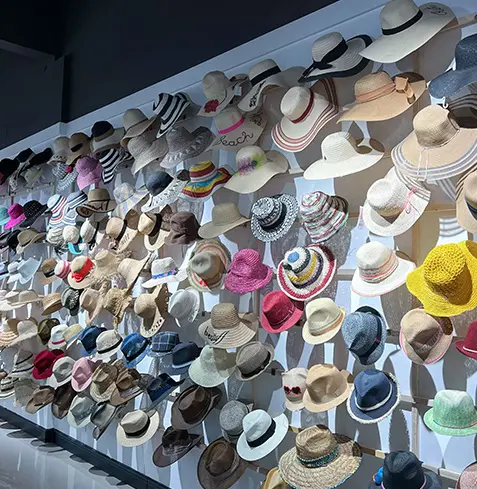
Sample Room
Shape, material and colourway development before bulk approval.
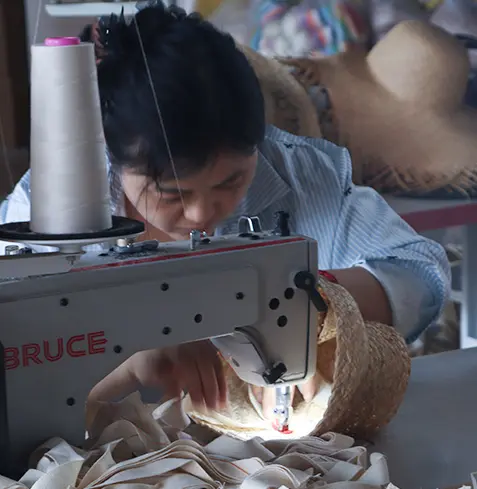
Production Workshop
Weaving and blocking controlled by experienced line leaders.

Finishing & Detailing
Bands, labels and trims applied with approved placement.
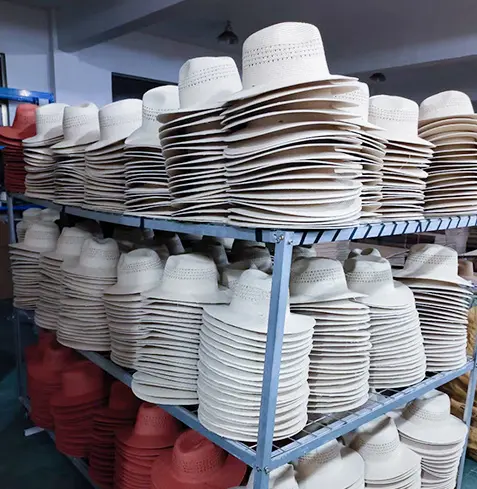
Inspection & Packing
Final QC before export packing and container loading.
What Large Buyers Need From a Lifeguard Hat Factory
Enterprise buyers rarely purchase a single hat style from a single market. They need a core specification that can be rolled out across properties, countries or distributors, with limited local variations for colour, label language and packaging.
Spec-sheet discipline
Lock brim width, crown height, head circumference, sweatband material, chin strap, eyelets, logo position and colour tolerance. Dimensions should be measurable, not described as “wide brim” only.
AQL & pre-shipment inspection
Agree inspection level, sampling plan, measurement points, visual defects and packing checks in the purchase order. Final inspection covers shape, stitching, size, trims, labels and cartons.
Incoterms & consolidation
Clarify EXW, FOB, CIF or DDP responsibilities, document requirements, shipping marks, palletisation and whether mixed SKUs can be consolidated into one container or air shipment.
Traceability & repeat orders
Keep the approved sample, material record, logo file and packaging artwork on file. This supports seasonal replenishment, distributor reorders and consistent quality across multiple destinations.
From “Straw Hat With Logo” to Sun-Protection System
Lifeguard and resort headwear is becoming more technical, more regulated and more brand-led. The strongest suppliers will be those that can connect material selection, compliance language, localized packaging and fast replenishment.
Test-backed UV language
Buyers are moving away from vague “UV protection” claims toward material-specific test reports where required. Suppliers should separate a marketing claim from a verified test result.
Performance hybrid construction
Straw-look crowns, quick-dry sweatbands, ventilated panels and adjustable chin cords combine uniform aesthetics with comfort in splash zones and humid climates.
Visibility & colour control
Lifeguard teams need visible, repeatable uniform colours. Pantone references, lab dips and approved colour standards reduce drift between production runs.
Sustainability & traceability
Natural fibres, paper straw, raffia and recycled synthetic options are increasingly requested. The key is to support material declarations rather than use unverified “eco” slogans.
Smaller drops, faster replenishment
Resort groups and distributors test more styles with smaller initial quantities. MOQ from 50–100 pieces per design helps validate demand before larger seasonal commitments.
Retro lifeguard aesthetics
Boater, bucket, visor, cowboy and wide-brim silhouettes continue to influence resort retail and event merchandising. The product references above show how these shapes can support a broader sun-care collection.
One Headwear Program, Different Local Realities
Localized support does not mean pretending to be a local company in every country. It means operating as a factory partner with clear responsibilities: we document materials and production; the buyer confirms regulatory obligations and brand standards; together we lock the approval sample.
🏊 Municipal aquatic centres
North American and European public pools often require measurable specs, uniform colour control, replacement availability and youth sizing options. We support spec sheets, labelling files and AQL inspection planning.
🏨 Resort & hotel groups
Resorts in the Mediterranean, Caribbean and Indian Ocean often prioritise retail-ready presentation, compact packing and brand consistency across properties. Multilingual labels and gift packaging can be planned during sampling.
🏖️ Beach patrol & surf clubs
Australian, Californian and Hawaiian teams need wide brims, neck protection, secure fit and salt-air durability. For wet environments, performance fabric is usually more appropriate than dry straw.
🎢 Water parks & theme parks
High-visibility colours, quick-dry sweatbands, durable logos and consistent sizing help large teams. Mixed SKUs can be consolidated for seasonal launches, subject to order volume and schedule.
⛺ Camps & school programs
Youth sizing, comfortable fit, easy labelling and safe trims matter. Where children’s products are involved, additional market-specific requirements may apply and should be confirmed before production.
🎪 Events & safety teams
Promotional events and temporary safety crews need low MOQ, fast sampling and simple branding. A 50–100 piece starting quantity helps test an event concept without overstock.
Choose the Fiber Around the Use Environment
The most common sourcing mistake is selecting the material from a photo instead of from the use case. A hat for a dry poolside uniform has different requirements from a hat that will be soaked during a rescue drill or daily beach patrol.
🌾 Natural grass straw
Braided natural stems with inherent stiffness, producing crisp, structured silhouettes. It suits boater, cowboy and ceremonial lifeguard looks, and holds shape well on shelf. It is generally best for dry conditions, not prolonged soaking.
📄 Paper straw
Twisted paper yarn woven or braided into a lightweight, uniform fabric. It delivers clean, consistent colours and a competitive unit cost for volume programs. Add “keep dry” care guidance because paper straw softens when soaked.
🌴 Raffia
A natural palm-leaf fibre known for softness, flexibility and dye receptivity. It is ideal for packable floppy hats, bucket hats, premium resort lines and straw bags, where rich colour and a relaxed hand-feel are valued.
💧 Performance fabric
Cotton, polyester, knit and quick-dry synthetic constructions are often a better fit for active lifeguards. Specify wicking sweatbands, ventilation, adjustable chin cords and washable logo treatments when the hat will be exposed to water and chlorine.
From Brief to Container: Six Controlled Steps
A transparent process reduces sampling loops and protects the delivery date. Each step should have a named owner, an approval record and a measurable acceptance criterion.
Share the brief
Use environment, style, material preference, size range, colour, branding, packaging, target quantity and destination market.
Design & material selection
Our team recommends constructions, brim dimensions, sweatbands, trim options and logo methods, then prepares a sampling plan.
Sampling & approval
Confirm shape, colour, label, packaging and measurements. The signed approval sample becomes the production standard.
Bulk production
Material sorting, weaving, blocking, trimming and finishing are scheduled under one roof with in-line checks.
QC & compliance file
Final inspection covers shape, stitching, size, trims, logo, labels and cartons. Required test reports and declarations are organized before shipment.
Export & replenishment
FCL or LCL sea freight through Qingdao Port, or air/express for urgent orders. Approved specifications are kept for reorder consistency.
What to Put in the Purchase Order
Quality is not a final inspection alone. It is the accumulation of material checks, approved samples, in-line controls and shipping discipline.
Incoming materials
Check fibre, yarn, ribbon shade, sweatband, chin cord, eyelets, labels and packaging against the approved specification before production begins.
In-line checks
Monitor weave density, brim width, crown height, stitching, trim placement and logo position during production, not only at the end.
Final inspection
Agree AQL level, measurement tolerance, visual defect criteria, logo approval and packing requirements in the PO. Inspect cartons and barcodes before sealing.
Shipment audit
Verify quantity, shipping marks, moisture protection, palletisation, container loading and document consistency before departure.
Lifeguard Hats Supplier & Factories FAQ
Straight answers on MOQ, customization, compliance support, shipping and global service. If your question is market-specific, send the destination, use environment and target quantity so we can answer precisely.
What is the minimum order quantity for custom lifeguard hats?
Our starting quantity for small orders is commonly 50 to 100 pieces per design, depending on material and craftsmanship. This allows boutiques, emerging brands, resorts and importers to test new styles before scaling up.
Can Lige produce private-label lifeguard hats with our own logo?
Yes. OEM and ODM production is our core business. We customize the shape, material, colour, size, sweatband, chin strap and trim, and can add branding such as woven labels, patches, embroidery and hang tags. Our designers can also develop new styles from your mood board or reference sample.
What compliance documents can you support?
We can help organize material composition, fibre content, colourfastness, UV test reports where applicable, care labels and packaging information. Actual certification depends on the final material, colour, construction and destination market. We do not claim a product is certified unless a valid report exists for that exact specification.
Which construction is better for pool and beach lifeguards?
For active lifeguards exposed to water, chlorine, salt and repeated handling, performance fabric or quick-dry synthetic constructions are usually more suitable. Straw and raffia are better for dry patrol, resort retail, ceremonial uniforms or mixed sun-hat collections.
Where is your factory, and how are orders shipped?
We are located in Linyi City, Shandong Province, China, close to Qingdao Port. Bulk orders are typically exported by sea freight as FCL or LCL shipments, while samples and urgent small orders can be sent by air or express courier.
Which markets do you export to?
Most of our products are exported to the United States, Canada, Australia, Mexico, Western Europe and Japan. We serve customers in more than 60 countries and work with over 25 global distributors. English communication and export documentation are standard parts of our service.
How quickly does your team respond to buyer requests?
We respond and take action within 8 hours, covering product questions, sampling, order follow-up and after-sales service. For urgent restock or tender deadlines, include the target date, destination, quantity and artwork in your first message.
What products do you manufacture besides lifeguard hats?
Our wider range includes paper hats, straw bags, paper bags, children’s straw hats, toy hats, lifeguard hats, sun visors, winter hats, and other bags. This allows distributors to build a broader headwear and bag assortment with one supplier.
Build Your Next Lifeguard Hat Program
Send your style reference, use environment, target market, quantity, logo, packaging requirements and required delivery date. Our team will reply within 8 hours with material suggestions, a sampling plan and a production timeline.
8 Additional Product References at the Bottom of the Page
These eight items complete the retained product set. They provide additional shape and material references for distributors, resort buyers and brands building a wider sun-protection or summer headwear assortment alongside a lifeguard hat program.
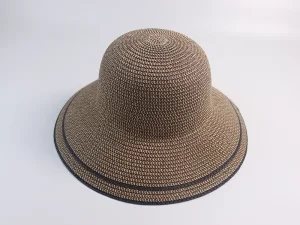
Wholesale Wholesale Women’s Big Brim Summer Bucket Hats - Customizable Paper Straw Hats from China Suppliers & Factory Suppliers, Factory
View Product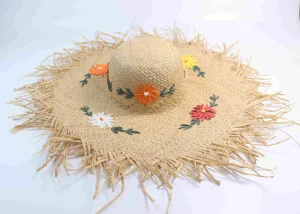
Wholesale Wide Brim Sun Hat for Women - UV Protection & Stylish Design Suppliers, Factories
View Product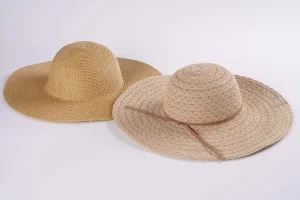
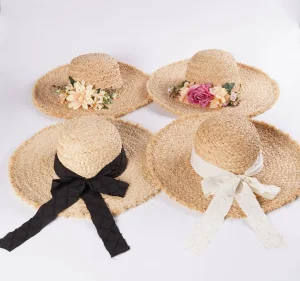
China Stylish Western Hats for Ultimate Cowgirl and Cowboy Look Manufacturers, Supplier
View Product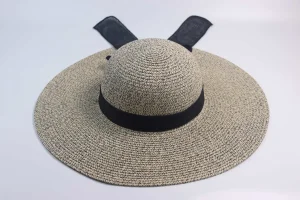
High-Quality Stylish Cowgirl Hat for Western Fashion Lovers Manufacturers, Manufacturer
View Product