Rising Sun-Safety Awareness
Pediatric guidance on UV exposure has pushed parents toward UPF-rated, wide-brim infant headwear. Buyers now search for UPF 50+ labeled baby bucket hats rather than decorative-only styles.
Infant and toddler sun protection has shifted from an afterthought to a standalone merchandising category. Retailers now treat baby bucket hats as a repeat-purchase, high-margin SKU that improves basket size across beachwear, outdoor and kids' apparel lines.
Pediatric guidance on UV exposure has pushed parents toward UPF-rated, wide-brim infant headwear. Buyers now search for UPF 50+ labeled baby bucket hats rather than decorative-only styles.
Brands differentiate via organic cotton, adjustable chin straps and reversible linings. Value migrates from unit price to brand story — sustainable fibers and traceable factories win shelf space.
Marketplaces require 15–40 SKUs per category. Baby bucket hats are compact, low-freight-cost items that allow brands to test colors and prints with limited inventory risk.
As a China best baby bucket hat supplier, the honest differentiator is not price alone. It is the ability to translate a brand's aesthetic into an infant-safe product — correct brim rigidity, breathable fabric, non-irritating seams and a fastening system that is child-safe yet parent-friendly. The sections below document how Lige Hats approaches that translation across design, compliance, localization and production.
Global sourcing for baby bucket hats is a four-tier structure. Understanding where each tier sits — and where margin leaks — helps buyers negotiate with confidence.
| Supply Chain Tier | Typical Role | Cost Impact | Buyer Risk |
|---|---|---|---|
| Fiber & Fabric Mills | Cotton, polyester, bamboo-viscose, recycled PET yarns | 25%–35% of landed cost | Fabric weight variance, color fastness to light |
| Component Makers | Chin strap webbing, breakaway buckles, woven labels | 6%–12% | Batch inconsistency in buckle tension |
| Hat Factories (OEM / ODM) | Cutting, stitching, blocking, printing, assembly | 30%–40% | Stitch density, brim symmetry, sizing drift |
| Trading & Logistics | Export documentation, consolidation, freight | 15%–25% | Port delays, LCL damage, HS classification |
100% cotton twill offers breathability and printability; polyester blends hold colorfastness in chlorine; bamboo-viscose delivers softness for newborn sizing. Each choice affects brim drape and how the hat performs after 20 laundry cycles.
Too soft, and the brim collapses; too stiff, and it restricts peripheral vision. Mid-weight non-woven interlining plus a double-turn seam is the industry benchmark for infant bucket brims — this is the detail that separates genuine factories from traders.
Four production routes cover the full price spectrum, from entry-level promotional lines to premium organic collections.
The default for premium kids' brands. Breathable, print-ready, and easy to certify as OEKO-TEX Standard 100.
GRS-certified rPET yarns hold color brilliantly and are chlorine-resistant, a strong fit for swim and beach swimwear collections.
Buttery-soft hand-feel targeted at newborn and toddler sizing. Excellent for heat-sensitive markets in Southeast Asia and the Gulf.
Natural raffia or paper straw bucket silhouettes for resort collections. Softer construction with an inner cotton band for comfort.
Baby products carry higher compliance scrutiny than adult headwear. A credible Chinese baby bucket hat supplier should provide test reports, not just verbal assurances.
Lige Hats documents factory audits and material test reports as standard practice for infant lines. Buyers should always request the CPSIA or EN 71 test report for the specific colorway and fabric composition — certification is fabric-and-color-specific, not a factory-wide declaration.
The same product performs differently across markets. Buyer expectations shift by climate, retail format and cultural reference points.
Nautical prints, anchor patches, matching adult-and-child sets. Buyers prefer UPF 50+ printed labels sewn into the inside band and chlorinated-water-resistant polyester blends.
Muted palettes, undyed cotton, GOTS-certified knits. Retailers want minimal packaging with FSC-certified hangtags and EU-based responsible person details pre-printed.
Larger brims, hidden rear sun flap, moisture-wicking liners. Neutral beige and sand tones dominate, and breathability weights take priority over print variety.
Ultra-lightweight (140–170 gsm), quick-dry fabric, wide adjustable straps. Sold through marketplace bundles with matching bibs or muslin blankets.
Fine French seams, functional snap buttons, muted signature prints. Buyers expect millimeter-precise sizing charts and packaging that photographs well for marketplaces.
Higher color counts, lower unit price, seasonal school-start campaigns. Buyers order 6–8 colorways per style, 50–100 pcs each, to balance shelf variety against MOQ.
What buyers should prepare for as infant headwear moves toward traceability, sustainability and tighter compliance.
Fiber-level traceability will move from differentiator to expectation. Factories that already maintain fabric lot records, dye-lot IDs and inbound mill certificates will lead quote requests.
GRS-certified rPET and bio-based polyester will replace commodity blends for premium and mid-market kids' ranges. Expect buyers to demand batch-level documentation rather than brand-level certificates.
EU digital product passport pilots will reach textiles, and infant headwear will likely be an early test category. QR-coded labels linking to material, origin and care data are the realistic near-term implementation.
Digitally driven cutting and smaller-batch scheduling will make 50-piece orders economically viable across more styles — shifting minimums from volume commitments to colorway commitments.
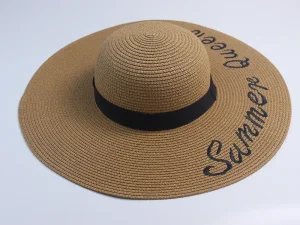
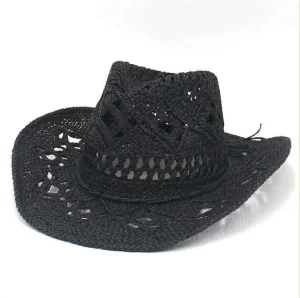
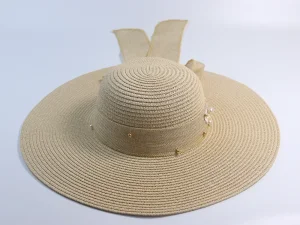
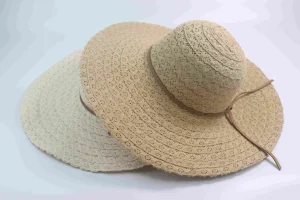
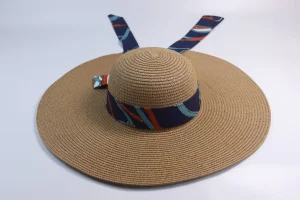
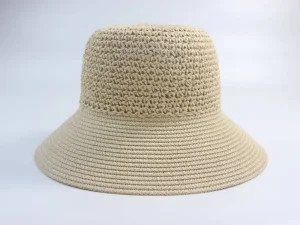
Direct factory links to best-selling silhouettes. All product URLs are preserved from the original catalog.
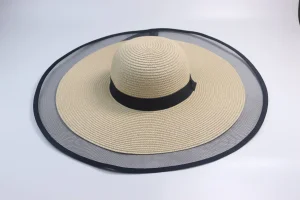
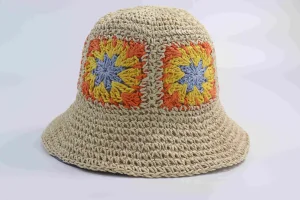
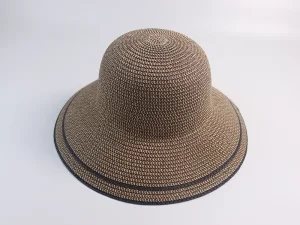
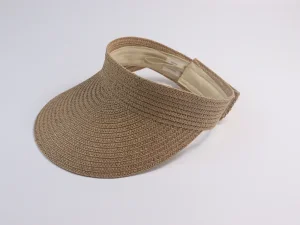
Buyers compare factories on cost, but the differentiators that reduce total landed cost are QC discipline, sampling speed and communication reliability.
Start with 50–100 pieces per design per colorway, validate sell-through, then scale the winners.
20-year production manager, 15-year QC manager, 5+ years average team experience across infant categories.
Sorting, cutting, stitching, blocking, printing, inspection under one roof — no trading-desk markups.
Response and action within 8 hours on sampling, order follow-up and after-sales requests.
Practical answers for importers, brand owners and retailers evaluating a China baby bucket hat supplier.
Share your reference styles, target quantities and destination market. Our team replies within 8 hours with material recommendations, a sampling plan, and a production timeline.
All product links preserved from the original catalog. Click through to the factory-direct product page.