
Best-Selling Reference Range
Colorful Straw Bags & Matching Accessories Buyers Reorder
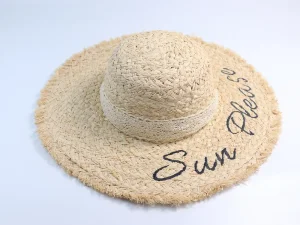
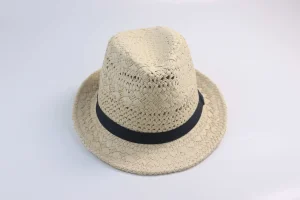
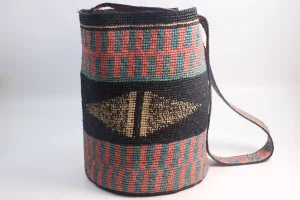
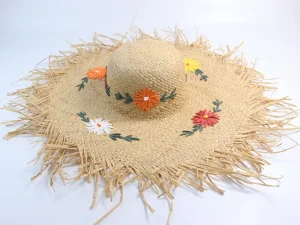
Every silhouette below is offered in raffia, paper straw or natural grass, with hand-banded colorways, embroidered accent panels and private-label trims. Use this range as a starting point for sampling and catalog planning.
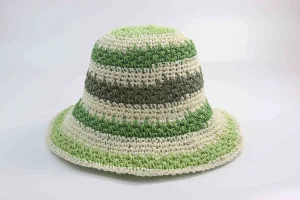
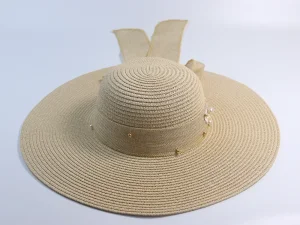
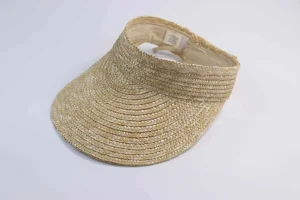
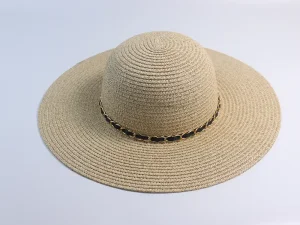
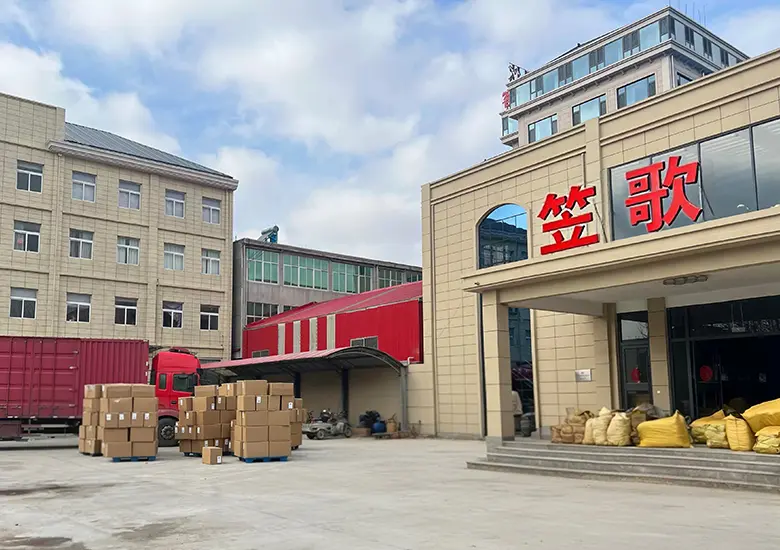
15+ yrsSpecializing in straw hats, paper hats and woven straw bags for global brands.
Executive Summary
Why "Colorful Straw Bag" Is Now a Category-Level Search Intent
Buyers no longer search for "straw bag" as a generic commodity. They search with color, finish, use case and sourcing constraint built in — colorful raffia tote, wholesale straw beach bag, sustainable resort collection supplier. That shift is the single most important fact for any factory trying to rank, and for any importer trying to shortlist.
As Shandong Lige Import & Export Co., Ltd. (Lige Hats), based in Linyi City, Shandong Province, China, we have produced straw hats, paper hats, straw bags and paper bags for more than 15 years. Our in-house line covers raw material sorting, weaving, blocking, finishing and final inspection, with export shipping through nearby Qingdao Port. This document is written for importers, private-label brand owners, boutique buyers and marketplace sellers who need to understand both the product and the supply chain behind it.
What follows is not a brochure. It is a buyer's working reference: how colorful straw bags are engineered, how Chinese factory clusters create structural cost advantages, which compliance and localization programs matter for Western and Asian retail, and how purchasing patterns are evolving through 2027.
0Years of Manufacturing
0Global Distributors
0Countries Served
0Hour Response SLA
Supply Chain Advantage
China Factory Supply Chain: The Structural Cost and Speed Advantage
China's advantage in woven accessories is not "cheap labor." It is vertical density: fiber processors, twisters, dyers, weavers, blocking workshops, trim suppliers and freight consolidators located within a short radius of each other. That density compresses both cost and lead time.
Vertical Material Density
Raffia import handling, paper-yarn twisting, dye-house color matching and weaving sit within one logistics cluster. A color change that would take weeks with fragmented sourcing takes days here.
- Colorfastness verified in-house before bulk weaving
- Multi-fiber programs: raffia, paper straw, grass, cotton, polyester
- Shorter sample-to-bulk gap by avoiding cross-region handoffs
Shape Retention Engineering
Straw bags live or die on structure — handle strength, base flatness, gusset memory. Blocking jigs, starch finishing and stitch-density standards are dialed in for each silhouette before bulk production.
- Handle pull-testing to buyer specification
- Base-board and gusset reinforcement options
- Packable flat-pack versus pre-shaped shipping modes
Experienced Production Team
Our production manager brings 20 years of woven-accessory experience; our QC manager brings 15; the wider team averages 5+ years. That continuity is why sizing, weave density and color repeat stay consistent across seasons.
- Dedicated account contact per buyer
- Pattern library retained between seasons
- Institutional knowledge that survives staff turnover
Qingdao Port Proximity
Linyi sits within easy reach of Qingdao Port, one of China's major container gateways. That short inland leg means faster cut-off capture, lower drayage cost and simpler LCL consolidation for mixed-SKU orders.
- FCL and LCL sea freight both routine
- Air and express for samples and urgent restocks
- Consolidation across hats, bags and packaging
Direct Factory Economics
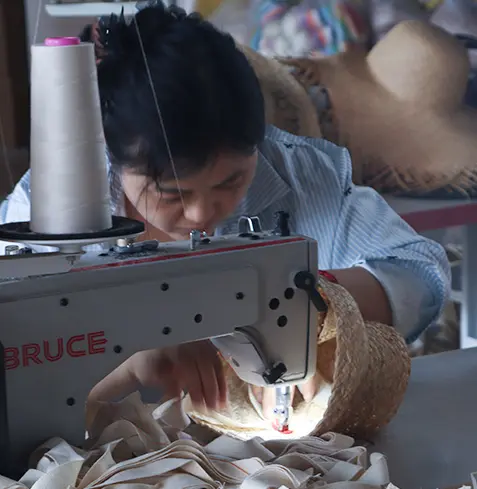
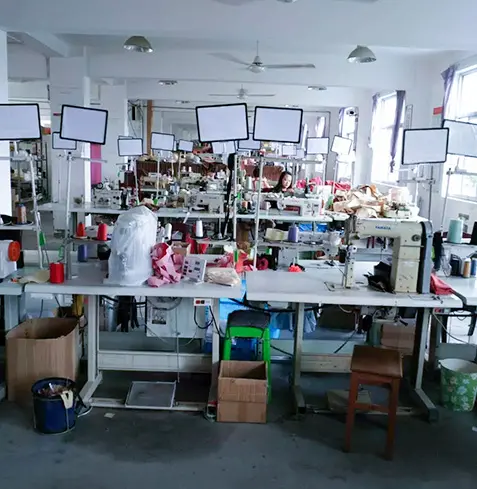
Raw material sorting, weaving, blocking, finishing and final inspection all run under one roof. Buyers avoid middleman margin stacking, and quality defects are traced to a specific production step instead of a chain of unclear handoffs.
- No trading-desk markup between buyer and line
- Transparent cost breakdown on request
- Faster root-cause resolution on defects
Low MOQ Flexibility
Small-format programs from 50 to 100 pieces per design are viable, depending on material and craftsmanship. Boutiques, emerging brands and test-market importers can validate a colorway before committing to scale.
- Test-market friendly starting quantities
- Graduated pricing at larger volumes
- Repeat-order color archival
Fiber Engineering
Material Selection: The First Decision That Locks In Cost, Color and Compliance
Colorful straw bags are defined by their fiber before they are defined by their design. The table below reflects how our product team advises buyers before sampling — including the trade-offs that show up only after 6 months in market.
| Material | Hand-feel & structure | Color performance | Best-fit bags | Buyer caution |
|---|---|---|---|---|
| Raffia (palm leaf) | Soft, flexible, recovers shape after packing | Saturated, vivid dyes; excellent repeatability | Colorful totes, shoulder bags, resort slings, picnic baskets | Premium cost; natural fiber variation is inherent |
| Paper straw | Light, uniform, lower resilience | Clean, consistent, cost-efficient on volume | Entry-price totes, promotional bags, crossbody minis | Softens when soaked — needs a "keep dry" care label |
| Natural grass straw | Crisp, rigid, structured silhouette | Earthy naturals; bold color is achievable but harder | Box totes, structured top-handle, market baskets | Less forgiving for "packable" marketing claims |
| Cotton & knit cord | Soft, tactile, stretchy | Broad palette, easy to dye to Pantone | Crochet totes, net bags, kids' sets, visor bundles | Weight and drape differ from straw — test fill volume |
| Recycled / blend yarn | Variable, depends on blend ratio | Good, watch heat-set stability | Sustainable capsule collections | Requires traceable documentation for eco claims |
Localization & Compliance
Localization Support and Compliance Assurance
Compliance is where most first-time importers lose margin. The correct approach is to design the labeling, packaging and documentation plan before the sampling round ends — not after the container is booked.
Labeling & Content Localization
Sell sheets, hang tags, care labels and packaging copy can be produced in the destination language and regulatory format, so retail floors receive shelf-ready goods.
- Multi-language hang tags and care labels
- Barcode and SKU sticker programs
- Retail-ready polybag and header-card formats
Material Safety Documentation
For fiber, dye and trim inputs, buyers commonly request documentation aligned with destination-market expectations. We support the paperwork path rather than promise a badge we don't hold.
- Fiber composition declarations
- Dye and finish documentation support
- Third-party lab testing coordination on request
Retailer & Marketplace Vendor Standards
Large retailers and online marketplaces impose their own vendor manuals — packaging specs, carton marking, drop-test rules. We align production packing to the buyer's manual, not a generic default.
- Carton marking and packing-list formats per buyer
- Drop-test and compression packaging options
- Shipment photo records before seal
Incoterms & Trade Documentation
FOB Qingdao is the most common term we quote, though EXW, CIF and DDP arrangements are negotiated per buyer. Export documentation follows the buyer's nominated forwarder and destination regime.
- FOB, EXW, CIF, DDP negotiation
- Commercial invoice, packing list, B/L support
- Coordination with buyer-nominated forwarders
Sustainability Claim Discipline
Green claims are scrutinized harder than ever. We advise buyers to make only substantiated claims — fiber origin, recycled content, biodegradability — with documentation behind each statement.
- Fiber-origin documentation on request
- Recycled-content evidence where applicable
- Avoiding vague "eco" language in retail copy
After-Sales & Claim Handling
An 8-hour response and action window covers product questions, sampling, order follow-up and after-sales. Claims are handled against the approved pre-production sample as the reference standard.
- Pre-production sample as the contractual reference
- Photo-based defect verification
- Remediation, credit or replacement per agreement
Global Purchasing Intent
What Global Enterprises Actually Want From a Straw Bag Supplier
Procurement teams rarely buy "a bag." They buy a commercially safe outcome: predictable quality, defensible price, documented compliance, and a supplier who answers inside the working day. Understanding this is what separates a successful program from a costly learning cycle.
Most of our products are exported to the United States, Canada, Australia, Mexico, Western Europe and Japan. We serve customers in more than 60 countries and work with over 25 global distributors — which means we have already seen how different markets read the same product.
North American importers typically prioritize seasonal speed, marketplace-ready packaging and a defensible landed cost. European buyers lean toward material provenance, durability and packaging minimization. Australian buyers emphasize sun-driven end-use and beach-resort styling. Japanese buyers focus on finish detail, dimensional precision and packing discipline.
The consequence for buyers: a supplier who can hold one quality standard across all of these is more valuable than one who quotes lowest on a single spec.
60+Export markets across six continents with a single quality standard.
Assortment Depth
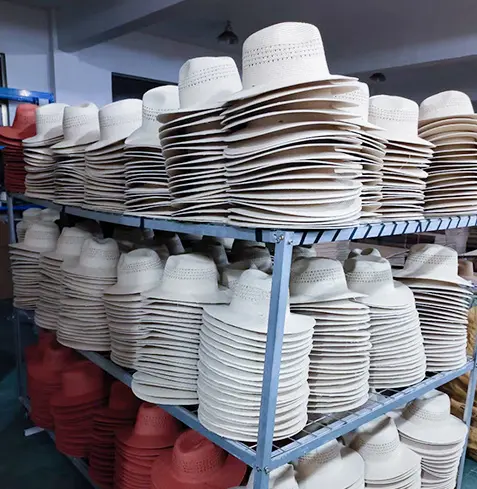
A single supplier covering tote, shoulder, basket, crossbody mini and matching hat or visor reduces vendor-management overhead and improves coordination on mixed containers.
Lead-Time Reliability
Retail windows do not move. Delivery predictability, not the lowest possible quote, is what protects a seasonal launch and the markdown budget behind it.
Documented Compliance
A supplier who can produce the paperwork and align to the buyer's vendor manual removes a large share of the importer's operational risk before goods leave the factory.
Industry Trajectory
Where the Colorful Straw Bag Market Is Heading Through 2027
Four structural forces are reshaping assortment planning for woven accessories. Each carries a direct sourcing consequence.
Sustainability Becomes Table Stakes
Consumers now expect natural fibers and traceable sourcing as a baseline, not a premium. Buyers need suppliers who can document fiber origin rather than merely assert it.
Color as the Primary Differentiator
Silhouettes converge quickly; colorways differentiate. Saturated citrus, terracotta, cobalt and two-tone weaves are driving reorders in resort and festival channels.
Small-Batch & Drop Culture
Marketplace sellers and boutique brands launch small, fast drops. Low MOQ capability from 50–100 pieces per design is now a purchasing criterion, not a courtesy.
Cross-Category Sets
Bag-and-hat sets and bag-and-visor bundles improve average order value and photograph better on marketplace listings — a trend our kids' set and matching accessories already serve.
Localized Use Cases
Application Scenarios by Market and Occasion
The same woven tote may be sold as beachwear in one market and as a home-styling object in another. Matching the product spec to the end-use scene is where margin is gained or lost.

Resort & Beach Retail
Oversized colorful raffia totes paired with floppy hats, sun visors and sun protection accessories for coastal boutiques and hotel gift shops in the US, Australia and the Mediterranean.
Picnic & Farmers Market
Structured market baskets with reinforced bases and sturdy handles for European lifestyle retail and home-styling brands where woven goods are merchandised year-round.
Festival & Travel
Packable, lightweight crossbody minis and slings for festival and travel retail, where crush resistance and a low shipped volume matter as much as the color story.
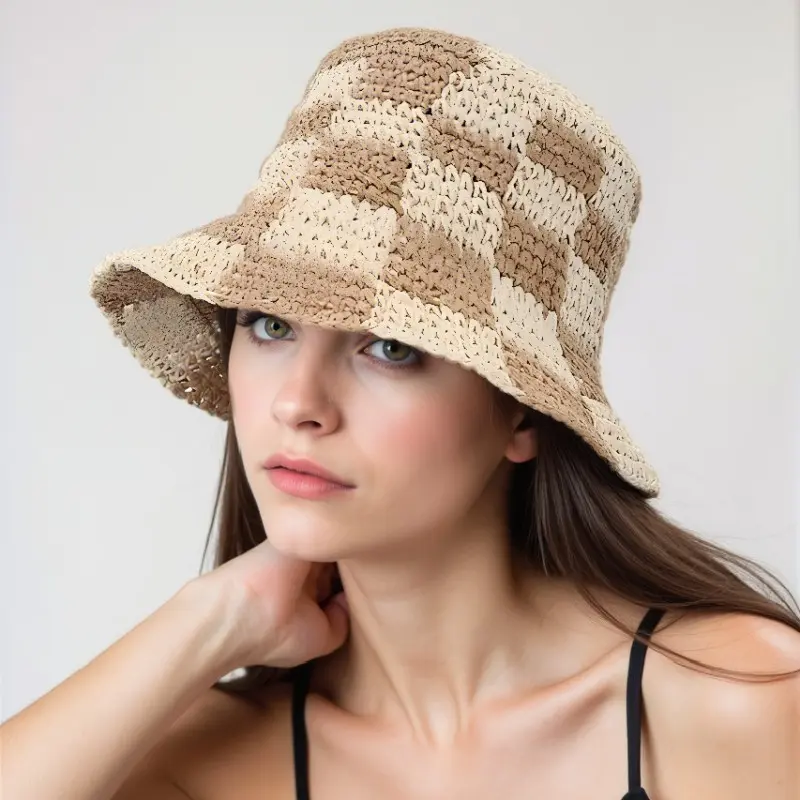
Kids & Family Sets
Colorful mini totes coordinated with children's straw hats for family resort lines and gift retail, with safety-tested trims and simplified construction.

Wedding & Events
Structured top-handle and boater-matched sets for outdoor ceremonies and wellness-brand styling, where finish precision and neutral-to-soft colorways dominate.

Country & Rodeo
Western-styled accessory sets aligned to rodeo and country-concert retail in North America, combining structured straw bags with cowboy silhouettes.
OEM & ODM Workflow
From Brief to Container: Six Transparent Steps
A clear process keeps buyers informed and removes surprises. This is the sequence we run on every custom straw bag program.
Share Your Brief
Style, material, size, color, branding and target quantity — plus destination market and retail channel.
Design & Sampling
Our designers recommend fiber and construction, then develop samples against your reference or mood board.
Approval
Confirm samples, labels, packaging and the delivery schedule. The approved sample becomes the quality standard.
Production
Material sorting, weaving, blocking, finishing and trim application run in-house for consistent output.
Quality Inspection
Final inspection covers shape, stitching, sizing, handle strength and trims before export packing.
Export Shipping
FCL or LCL sea freight through nearby Qingdao Port, or air and express for samples and urgent orders.
Extended Range
More Straw Bag Styles & Matching Accessories
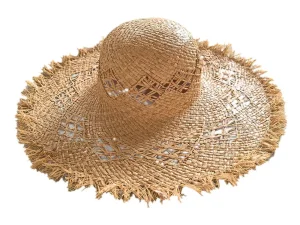
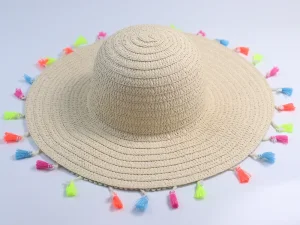
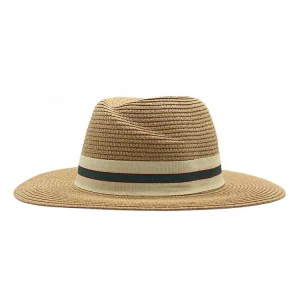
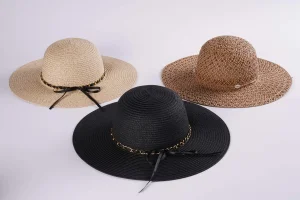
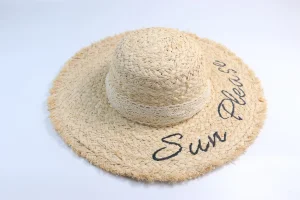
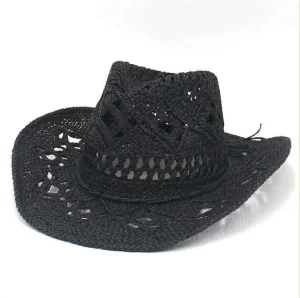
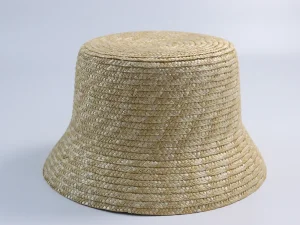
Continue browsing the full reference range — from natural raffia cloches to custom-embroidered western and Panama silhouettes and handcrafted kids' bag-and-hat sets.
Buyer FAQ
Questions Straw Bag Buyers Ask Us Most
Direct answers on MOQ, customization, compliance, shipping and service.
What is the minimum order quantity for colorful straw bags?
Our starting quantity for small orders is 50 to 100 pieces per design, depending on material and craftsmanship. This lets boutiques, emerging brands and importers test new colorways and silhouettes before scaling up.
Can you produce private-label straw bags with our own logo?
Yes. OEM and ODM production is our core business. We customize shape, material, color, size and trims, and can add branding elements such as woven labels, patches, hardware and hang tags. Our in-house designers can develop new styles from your mood board or reference samples.
Which fiber should I choose for a first colorful straw bag program?
Raffia gives the best color saturation and shape recovery and is the safest choice for a premium resort line. Paper straw offers the most competitive unit cost with consistent color on volume. Natural grass straw delivers crisp structure but is less suited to "packable" claims. We advise buyers based on channel and price point before sampling.
Where is your factory and how are orders shipped?
We are located in Linyi City, Shandong Province, China, close to Qingdao Port. Bulk orders are typically exported by sea freight as FCL or LCL shipments, while samples and urgent small orders can be sent by air or express courier.
Which markets do you export to?
Most of our products are exported to the United States, Canada, Australia, Mexico, Western Europe and Japan. We serve customers in more than 60 countries and work with over 25 global distributors.
How do you support localization and compliance requirements?
We produce hang tags, care labels, packaging copy and carton marking in the destination language and to the buyer's vendor-manual format. We support fiber composition declarations, dye and finish documentation, and third-party lab testing coordination on request. We advise buyers to make only substantiated sustainability claims, with documentation behind each statement.
How quickly does your team respond to buyer requests?
We respond and take action within 8 hours, covering product questions, sampling, order follow-up and after-sales service.
Can you supply matching hats and bags as a coordinated set?
Yes. Coordinated bag-and-hat and bag-and-visor sets are a growing trend for resort, family and gift retail. Mixed-SKU containers can be consolidated through Qingdao Port to simplify logistics and improve order value.
What do you manufacture besides straw bags?
In addition to straw bags, we manufacture straw hats, paper hats, paper bags, children's straw hats, toy hats, lifeguard hats, sun visors, winter hats and other bags.
Start Your Program
Let's Build Your Next Colorful Straw Bag Collection
Send us your style references, target quantity, destination market and retail channel. Our team replies within 8 hours with material recommendations, a sampling plan and a production timeline. For reference, we are reachable at +86 136 8639 8175, [email protected], or on WhatsApp at +86 178 6505 3218.