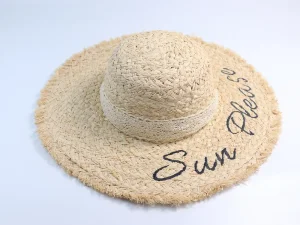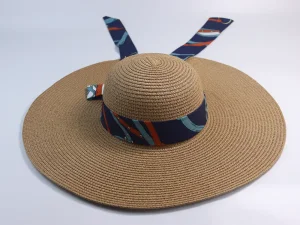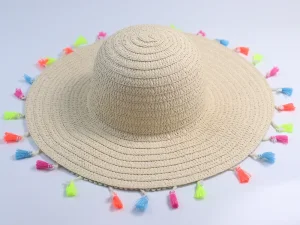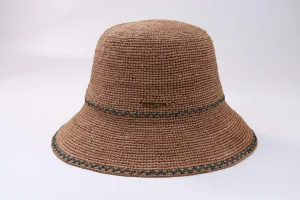
China Best Straw Bag & Large Straw Hat Manufacturer & Suppliers
A white-paper grade intelligence brief on China's straw bag and large straw hat supply chain — factory 4.0 capability, global sourcing demand, compliance architecture and the technology roadmap behind Lige Hats in Linyi, Shandong.
Factory-Direct Straw Hat & Bag Collection
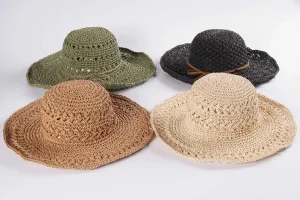
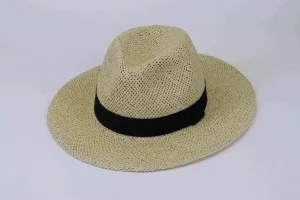
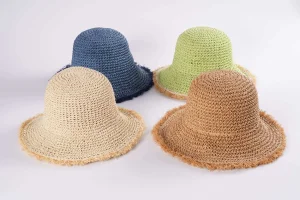
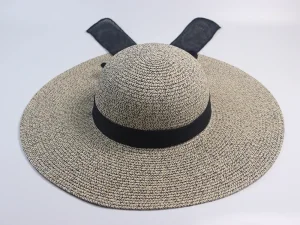
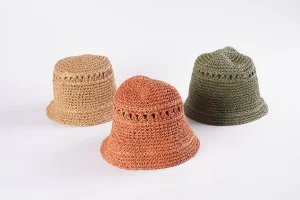
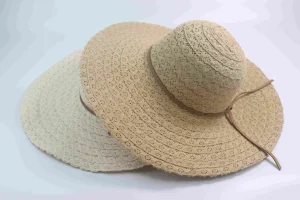
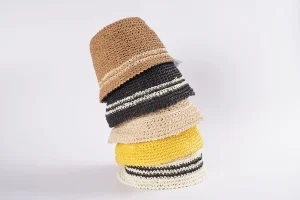
Executive Intelligence Brief
Why China Still Defines the Global Straw Bag & Large Straw Hat Market
Search engines increasingly reward content that demonstrates first-hand manufacturing knowledge rather than keyword repetition. This brief is written from the factory floor outward — the same lens a sourcing director uses when auditing a new supplier.
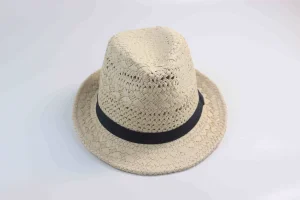
For more than 15 years, Shandong Lige Import & Export Co., Ltd. — trading as Lige Hats — has produced straw hats, paper hats, straw bags and paper bags for importers, brand owners and retail buyers worldwide. From Panama and fedora styles to cowboy, boater, bucket and floppy sun hats, the company designs, samples and manufactures collections in-house, then ships through nearby Qingdao Port.
The demand signal is unambiguous. Buyers in the United States, Canada, Australia, Mexico, Western Europe and Japan are consolidating smaller vendor lists into fewer, deeper supplier relationships. They want one partner who can deliver a large-brim straw beach hat, a matched straw bag, a children's hat-and-bag set, and a seasonal visor program — under one quality standard and one shipping document set.
That consolidation is exactly where a specialized China best straw bag large manufacturer & suppliers relationship outperforms a generalist trading company. Our customers rely on professional designers, an efficient sales team, competitive factory pricing and dependable quality. The stated goal is simple: to become your one-stop hat supplier.
- 50–100 pcs starting quantity per design for market testing
- 8-hour response and action on every buyer request
- 60+ countries served across six continents, 25+ global distributors
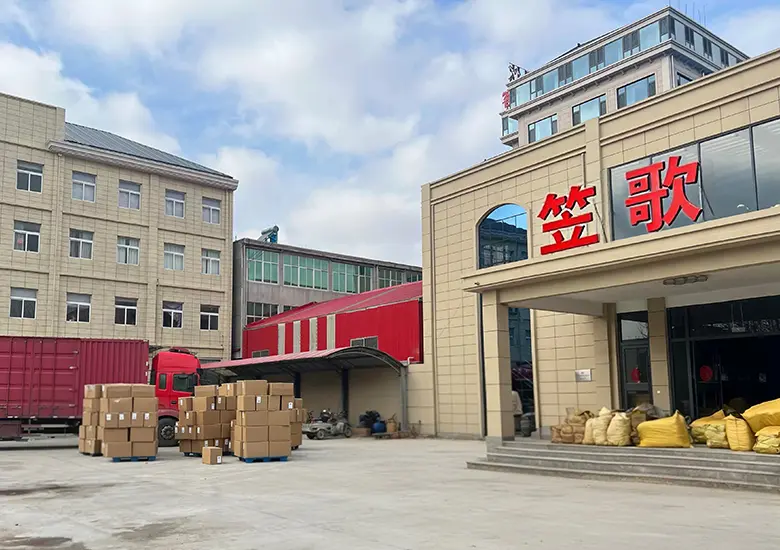
Operational Scorecard
Measurable Capability, Not Marketing Claims
Sourcing teams evaluate suppliers against numbers. These are the four figures that most often decide whether a trial order becomes a seasonal program.
0+Years of Manufacturing
0+Global Distributors
0+Countries Served
0 yrsProduction Manager Experience
Factory 4.0
China Factory 4.0: Supply Chain Resilience & Efficiency Advantage
"Factory 4.0" in handicraft-adjacent categories does not mean replacing hands with robots. It means digitizing the links between design, material planning, hand-weaving capacity and outbound logistics so that artisan work can be scheduled with industrial predictability.
Vertical Integration Under One Roof
Raw material sorting, weaving, blocking, finishing and final inspection all happen inside the same facility. That single footprint removes the margin stacking and quality drift that occur when a broker subcontracts each stage to a different workshop.
For the buyer, vertical integration translates into stable unit pricing across repeat orders and a shorter path from approved sample to shipped carton.
Digital Sampling & Spec Control
Every style is captured as a fixed specification set — fiber type, weave density, brim diameter, crown height, band width, label position. Once approved, that spec governs every subsequent production run and every reorder.
This is the difference between a straw bag that arrives matching the sample photo and one that arrives "close enough," which is where retail chargebacks originate.
Capacity Planning & Season Smoothing
Hand-weaving capacity is finite and seasonal. By locking material forecasts early and sequencing large-brim and bag programs against peak demand windows, the factory avoids the Q1 congestion that delays most straw programs.
Port Proximity as a Resilience Asset
Linyi, Shandong sits within easy reach of Qingdao Port, one of China's major container gateways. Bulk orders move as FCL or LCL sea freight; samples and urgent small orders travel by air or express courier.
When a route is disrupted, proximity to multiple carrier options is a genuine risk mitigation — not a brochure line.
In-Line Quality Gates
A QC manager with 15 years of experience runs staged inspection: incoming fiber grading, in-process weave checks, blocking verification and final pre-pack audit covering shape, stitching, sizing and trims.
Consolidated Mixed-Carton Export
Because hats, straw bags and paper bags are produced under one roof, mixed-style cartons and mixed-container loads are assembled without third-party consolidation fees or cross-vendor scheduling conflicts.
Technology Roadmap
Best Straw Bag Large — Technical Roadmap & Future Outlook
Where the category is heading over the next three to five years, and what buyers should begin specifying now to avoid re-sourcing later.
01
Traceable Natural Fiber
Batch-level fiber documentation from raffia, paper straw and natural grass supply chains — supporting retailer ESG questionnaires and eventual digital product passports for woven accessories.
02
Engineered Shape Retention
Blocking and stiffening refinements that let a large-brim straw beach hat survive compression packing and recover its silhouette — reducing the "crushed on arrival" returns that plague wide-brim online sales.
03
Upgraded UV & Comfort Specs
Documented UPF ratings, breathable sweatbands and adjustable internal sizing — moving sun protection from a marketing claim to a measurable specification buyers can print on packaging.
04
Digital Twin Sampling
3D style previews that shorten the sample round-trip, letting brands approve silhouettes and colorways before a physical sample is woven — compressing the development calendar by weeks.
The strategic point for buyers is sequencing. Brands that lock traceable fiber and documented UV specifications into their 2027 line plans will convert sustainability and sun-safety claims into defensible product advantages — while competitors are still retrofitting documentation after the order is placed. Lige Hats — Product Development Team
Macro Industry Solutions
Segment-Level Programs for Every Buying Channel
Different channels demand different assortments, pack sizes and compliance documentation. These are the solution architectures Lige Hats runs for each major buyer type.
Resort, Beach & Hospitality
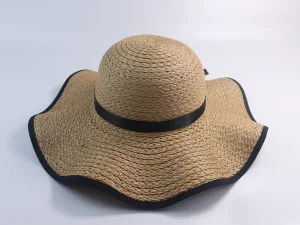
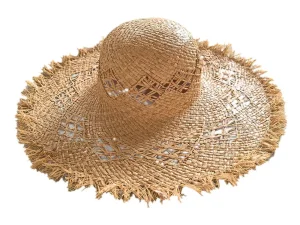
Large-brim floppy hats, wavy-edge beach hats and matched straw bags for hotel boutiques, cruise retail and resort gift shops. Programs typically require color consistency across repeat summer seasons and coordinating bag-and-hat sets.
Fashion & Private Label Brands
OEM and ODM production covering shape, material, color, size and hat band, plus woven labels, patches and hang tags. In-house designers develop new styles from a mood board or reference sample — essential for brands differentiating on silhouette.
Mass Retail & Importers
Volume programs across fedoras, Panamas, boaters and bucket hats with paper-straw constructions that hold competitive unit costs. Mixed-carton packing and CBM optimization keep landed cost predictable for category managers.
Childrenswear & Family Lines
Cute kids' summer hat-and-bag sets, handmade beach accessories, toy hats and children's straw hats — a natural cross-sell that raises average order value without adding a second supplier.
Outdoor, Sport & Event
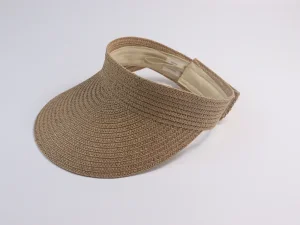
Sun visors for running and tennis, lightweight UV protection hats for outdoor safety, and western cowboy silhouettes for festivals and rodeo events — categories where functional claims and packability drive conversion.
Promotional & Seasonal Gifting
Customizable colorways, branding elements and gift-ready packaging for corporate, travel-retail and holiday programs — with low MOQs that let marketing teams test multiple concepts in one cycle.
Global Procurement Demand
What International Buyers Actually Need in 2026
Procurement behavior has shifted from price-first to risk-adjusted value. Four requirements now appear in almost every serious sourcing conversation.
Predictable Landed Cost
Buyers want the full cost picture — unit price, packing density, CBM per carton and route options — before committing. Port proximity and consolidated mixed cartons directly reduce the variable costs that erode seasonal margin.
Documented Quality Consistency
Repeat-season color matching, verified sizing and consistent weave density matter more than a one-off perfect sample. Specification control is the mechanism that makes consistency auditable.
Low-Friction Market Testing
With 50 to 100 pieces per design as the starting quantity, boutiques, emerging brands and importers can validate new silhouettes and colorways before scaling into container volume.
8-Hour Response Discipline
Response speed is a proxy for factory organization. An 8-hour commitment covering product questions, sampling, order follow-up and after-sales service signals that inquiries are not queued behind an overloaded inbox.
Most products are exported to the United States, Canada, Australia, Mexico, Western Europe and Japan. The company serves customers in more than 60 countries and works with over 25 global distributors.
Buyer's Material Guide
Straw Materials Explained: Choose the Right Fiber
The fiber you choose determines hand-feel, shape retention, price point and how well a hat survives shipping. This is how our product team advises buyers before sampling.
Raffia
A natural palm-leaf fiber traditionally sourced from Madagascar. Its natural resins make it soft, flexible and highly dye-receptive, so brims can be packed and recover their shape.
Best for: floppy hats, bucket hats, premium resort lines, straw bags. Buyer tip: ideal for "packable" claims and bold, saturated colorways.
Paper Straw
Twisted paper yarn woven or braided into a lightweight, uniform fabric. It delivers clean, consistent colors and a competitive unit cost for volume programs.
Best for: fedoras, Panama-style hats, seasonal and promotional retail. Buyer tip: add "keep dry" care labels — paper straw softens when soaked.
Natural Grass Straw
Braided natural stems with inherent stiffness, producing crisp, structured silhouettes and an authentic artisanal look that buyers value at premium price points.
Best for: boater hats, cowboy hats, lifeguard hats. Buyer tip: choose it when shape retention on the shelf matters most.
Fabric & Knit
Cotton, polyester and knitted constructions extend your assortment beyond summer and into children's and cold-weather categories.
Best for: visors, winter hats, children's hats, toy hats. Buyer tip: pair with straw lines for a year-round single-supplier program.
Localization & Compliance Assurance
Localized Support, Documentation & Market-Specific Compliance
Cross-border sourcing fails on paperwork far more often than on product quality. These are the support layers that keep shipments moving.
English-Language Single Point of Contact
One dedicated account contact handles the program from sampling question through after-sales follow-up, so buyers are not re-explaining context to a rotating cast of assistants.
Export Documentation & Labeling
Commercial invoices, packing lists and carton marking aligned to destination requirements, plus care labels and fiber content statements suited to the specific construction — including "keep dry" guidance for paper straw.
Branding Compliance at the Trim Level
Woven labels, patches, hang tags and band branding are applied to a documented position and attachment method — reducing mislabeled-lot risk at retail receiving.
Route & Incoterm Flexibility
FCL for volume programs, LCL for mid-sized orders, air or express for samples and urgent small runs. Terms can be structured to match how each buyer's finance team prefers to book freight.
Season-Calendar Alignment
Production is sequenced against Northern and Southern Hemisphere summer windows, so a December brief for a June program does not collide with peak weaving congestion.
After-Sales Resolution
Issues are triaged and actioned within the same 8-hour response window, with root-cause feedback routed back to the production line rather than left at the sales desk.
OEM & ODM Workflow
A Transparent Six-Step Process From Brief to Container
Buyers should always know which stage their order is in and what decision is required next. This is the sequence Lige Hats runs on every program.
Share Your Brief
Style, material, size, color, branding and target quantity. Reference photos or a mood board accelerate this stage considerably.
Design & Sampling
Our designers recommend materials and develop samples that match the intended silhouette, colorway and price architecture.
Approval
Confirm samples, labels, packaging and delivery schedule. Once signed off, the specification becomes the production reference.
Production
Material sorting, weaving, blocking and finishing — all executed in-house under staged quality gates.
Quality Inspection
Final inspection of shape, stitching, size and trims before any carton is sealed for export.
Export Shipping
FCL or LCL sea freight via nearby Qingdao Port, with air and express options for samples and urgent small orders.
Why Choose Lige Hats
Your Personal Customization Expert for Hats & Accessories
Four structural advantages that keep seasonal programs with a single supplier instead of spreading across a vendor list.
Low MOQ: 50–100 pcs
Start with 50 to 100 pieces per design, test the market and scale your winners — private-label launches without overstock risk, which matters most for large-brim styles where sizing and brim width drive return rates.
Experienced Team
A production manager with 20 years of experience, a QC manager with 15 years, and a team averaging 5+ years — reflected in consistent weaves and accurate sizing across repeat orders.
Direct Factory
Raw material sorting, weaving, blocking, finishing and final inspection under one roof — stable quality and pricing without middleman margins.
8-Hour After-Sales Response
Rapid response and action within 8 hours, from sampling questions to after-sales follow-up, with one dedicated contact for your account.
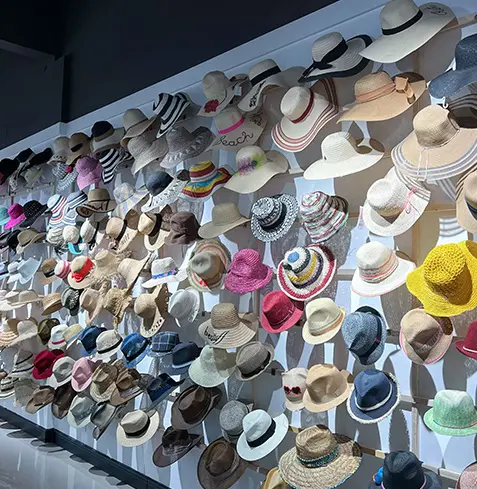
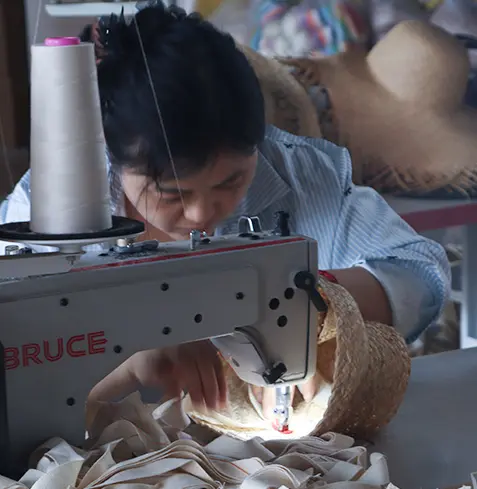
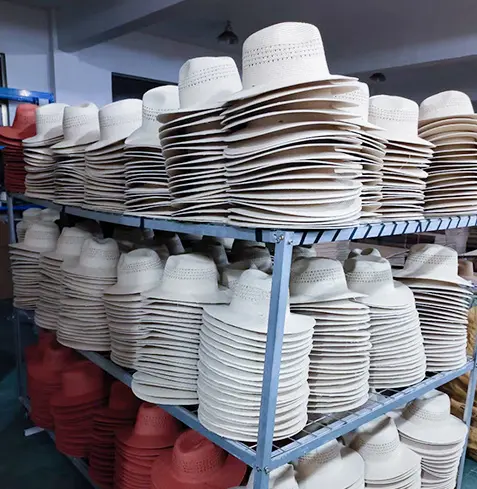
Factory Display
Inside Our Straw Hat Factory
Real production capacity separates a dependable supplier from a trading desk. Our in-house line covers raw material sorting, weaving, blocking, finishing and final quality inspection.

Buyer FAQ
Questions Hat & Bag Buyers Ask Us Most
Straight answers on MOQ, customization, shipping and service. Need more detail? Our team replies within 8 hours.
What is the minimum order quantity for custom straw hats and straw bags?
Our starting quantity for small orders is 50 to 100 pieces per design, depending on material and craftsmanship. This lets boutiques, emerging brands and importers test new styles before scaling up.
Can Lige produce private-label hats with our own logo?
Yes. OEM and ODM production is our core business. We customize shape, material, color, size and hat bands, and can add branding such as woven labels, patches and hang tags. Our in-house designers can also develop new styles from your mood board or reference samples.
Where is your factory located and how are orders shipped?
We are located in Linyi City, Shandong Province, China, close to Qingdao Port. Bulk orders are typically exported by sea freight as FCL or LCL shipments, while samples and urgent small orders can be sent by air or express courier.
Which markets do you export hats and straw bags to?
Most of our products are exported to the United States, Canada, Australia, Mexico, Western Europe and Japan. We serve customers in more than 60 countries and work with over 25 global distributors.
How quickly does your team respond to buyer requests?
We respond and take action within 8 hours, covering product questions, sampling, order follow-up and after-sales service.
What products do you manufacture besides straw hats?
In addition to straw hats, we manufacture paper hats, straw bags, paper bags, children's straw hats, toy hats, lifeguard hats, sun visors, winter hats and other bags.
Can you match a large-brim straw beach hat to a matching straw bag?
Yes. Because hats and bags are produced under one roof, matched sets in the same fiber, weave and colorway can be developed and packed together — a common request from resort, cruise and gift-channel buyers.
How do you keep color consistent across repeat seasons?
Approved colorways are recorded as fixed specifications alongside the fiber, weave density and band details. Each repeat run is checked against that specification during incoming material grading and again at final inspection.
Explore More Best-Selling Styles