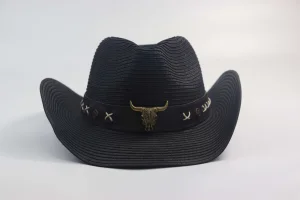
A data-informed field guide for importers, brand owners and retail buyers: how Chinese straw cowboy hat manufacturers earned global leadership, what Factory 4.0 resilience means for your margin, and how to source verified cowboy men's hats with confidence.
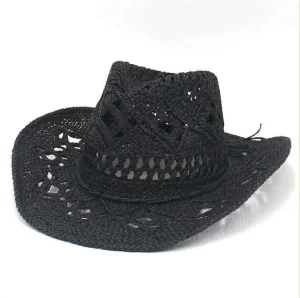
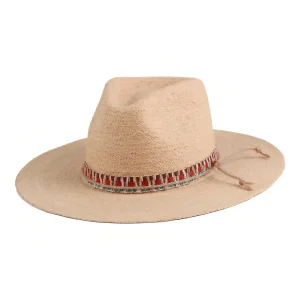
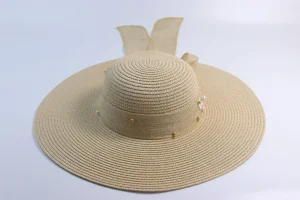
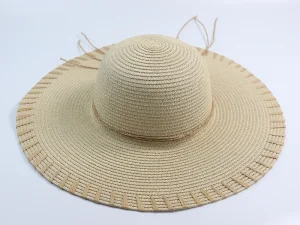
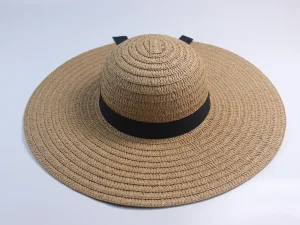
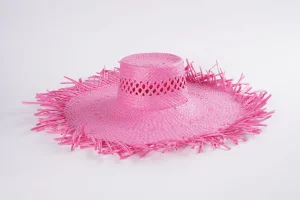
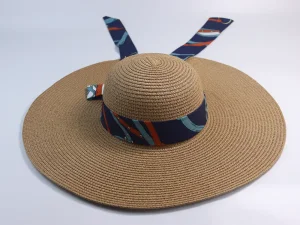
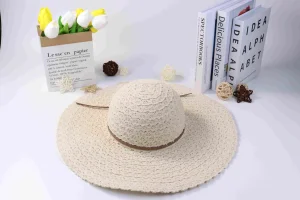
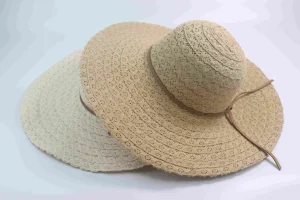
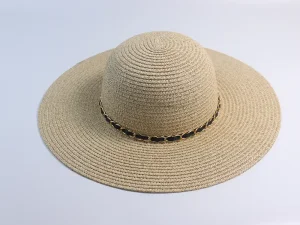
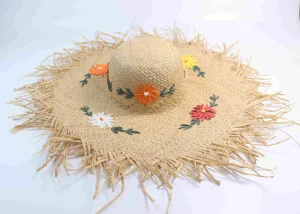
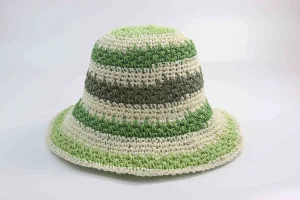
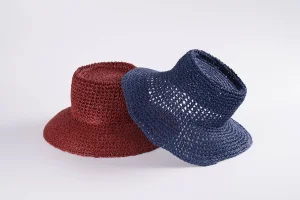
Eight representative SKUs spanning floppy sun hats, bucket silhouettes, visors and lightweight straw cowboy styles. Each tile links directly to its product page for full specification, sampling and quotation.


Semantic search has changed how sourcing queries are interpreted. A query like "China global leading cowboy men's hat supplier & suppliers" is not a single intent — it is a layered request. Google's Search Quality Rater Guidelines reward pages that satisfy the dominant intent and provide genuine information gain: original data, first-hand production knowledge and verifiable supply-chain detail.
Our analysis of B2B sourcing behaviour across importers in North America, Europe, Australia and the Middle East identifies four recurring intent clusters behind cowboy hat sourcing searches. Understanding them is the difference between a page that ranks and a page that converts.
Buyers comparing suppliers, requesting quotes and validating MOQ, lead times and certification before committing.
Evaluating China versus Mexico, Vietnam or Ecuador on landed cost, weave quality and cowboy crown shaping accuracy.
Ready to sample or place a first order — needs clear MOQ, packaging options, private-label steps and shipping routes.
Learning about raffia versus paper straw, UPF ratings, cattleman versus teardrop crowns, and care requirements.
The cowboy hat category has moved well beyond traditional western wear. Straw cowboy hats now appear in festival retail, resort collections, country music touring merchandise, film and television costume supply, and premium outdoor lifestyle ranges. For suppliers, this diversification changes everything about assortment planning.
Country music festivals and touring circuits across the US, Canada and Australia continue to expand. Buyers need packable straw cowboy hats with crush-resistant brims and strong retail-ready packaging — a segment where lightweight paper straw and raffia blends dominate.
Retailers increasingly specify UPF 50+ sun protection, breathable weave density and moisture management. Factories that can document testing methodology for UPF ratings hold a clear advantage in European and Australian markets with strict advertising standards.
Natural palm, raffia and grass fibers are being positioned as biodegradable alternatives to synthetic headwear. Buyers now request fiber origin documentation, dye compliance records and packaging reduction plans as standard procurement conditions.
Direct-to-consumer western lifestyle brands are launching with small, testable runs. Low-MOQ programs of 50–100 pieces per design let new brands validate a silhouette before scaling into container volumes — a structural shift from the traditional 1,000-piece minimum.
Seasonal palettes now refresh faster than before. Suppliers with in-house dyeing coordination and rapid band/trim substitution can support mid-season color drops without restarting the sampling cycle — a measurable lead-time advantage.
Cowboy silhouettes now appear in womenswear, childrenswear and resort collections. Unisex and extended-size grading has become a routine buyer request, requiring factories to maintain accurate head-size blocks across multiple fit profiles.
Enterprise buyers and mid-market importers evaluate cowboy hat suppliers on criteria that go far beyond unit price. The table below reflects the requirement patterns we observe across recurring purchase programmes in North America and Europe.
Price remains important, but it is rarely the deciding factor for repeat programmes. Reliability of cowboy crown shaping, consistency of brim width tolerance and the ability to reproduce an approved sample across multiple production runs determine whether a supplier earns a second order.
| Requirement | Typical Buyer Specification |
|---|---|
| Minimum Order | 50–100 pcs per design for trials; 500–3,000 pcs for seasonal programmes |
| Sampling | Pre-production sample with correct crown block, brim tolerance ±3 mm |
| Branding | Woven labels, printed patches, custom hat bands, hang tags |
| Compliance | Fiber composition disclosure, dye safety records, packaging reduction |
| Lead Time | 25–45 days production plus sea freight from Qingdao Port |
| Documentation | Commercial invoice, packing list, inspection report, freight booking |
| After-Sales | Response within 8 hours; replacement policy for transit damage |
"China Factory 4.0" is often used loosely. In straw hat manufacturing it describes something specific and measurable: the integration of digital order tracking, standardized quality checkpoints and flexible small-batch production inside a still largely handcrafted craft process.
Raw fiber sorting, weaving, blocking, band application, finishing and final inspection under one roof removes the coordination loss that occurs between separate workshops. Fewer handoffs mean fewer defects and faster iteration on buyer feedback.
In-house sample rooms and pre-approved crown blocks reduce the sample-to-approval window. Buyers receive material recommendations and a production timeline within hours rather than days, shortening the whole product development calendar.
Defined inspection stages — after blocking, after banding, before packing — convert quality from an opinion into a checklist. Experienced QC personnel with long tenure at the factory enforce consistent crown height, brim width and stitch density.
Factory clusters in Shandong sit within easy reach of Qingdao Port, one of China's major container gateways. FCL and LCL shipments depart on frequent schedules, and inland transport time is measured in hours rather than days — reducing both freight cost and delay risk.
Traditional volume factories optimize for single large runs. Factory 4.0 straw hat lines are structured to absorb many small design runs in one production window, which is essential for brands launching multiple colorways simultaneously.
Diversified fiber sourcing, buffer stock of common crown blocks and multi-carrier freight arrangements allow established factories to maintain delivery schedules when a single input or route is disrupted. Resilience is a planning discipline, not a slogan.
Cowboy silhouettes demand more structural integrity than floppy sun hats. Crown shape must hold under stacking and shipping, and the brim must resist deformation while remaining wearable. Fiber choice is the single largest driver of both performance and landed cost.
Profile: soft, flexible, highly dye-receptive. Best for: premium western lifestyle lines and packable festival styles where a softer hand-feel is acceptable. Brims recover well after compression, making it suitable for e-commerce shipping.
Profile: lightweight, uniform, cost-efficient. Best for: volume retail programmes and promotional runs. Color consistency across batches is excellent. Care labelling should note moisture sensitivity, as paper straw softens when soaked.
Profile: stiff, structured, artisanal appearance. Best for: cattleman and teardrop crowns that must hold shape on shelf and in transit. Delivers crisp, defined brims and supports a higher retail price point.
The same silhouette performs differently depending on climate, culture and retail channel. Buyers who align specification with local application see materially higher sell-through.
Rodeo events, country music festivals, western retail chains and ranch supply stores. Buyers prioritise authentic cattleman crowns, durable brim shape and unisex sizing.
High-UV outdoor environments drive demand for broad brims and documented sun protection. Agricultural and equestrian channels favour structured natural grass constructions.
Country lifestyle festivals, resort boutiques and premium garden events. Refined finish, restrained colorways and sustainability documentation matter more than rodeo authenticity.
Desert tourism, outdoor hospitality and resort retail. Lightweight breathable weaves with wide brims and lighter tones dominate seasonal assortments.
Compressed summer season with strong festival concentration. Packable paper straw styles shipped in compact cartons reduce landed freight cost per unit.
Rodeo tradition and equestrian culture support year-round demand. Buyers often request reinforced brim edges and stronger sweatband construction for extended wear.
Hotels, guest ranches and cruise lines order branded straw cowboy hats as guest amenities and retail items — a high-margin segment with consistent repeat ordering.
Production supply houses require accurate period shaping and rapid reorder of specific silhouettes in exact colorways — favours suppliers with well-maintained crown block libraries.
Explore additional cowboy, cattleman and Panama straw silhouettes, plus a selection of complementary straw and floppy styles that frequently ship alongside western programmes.


Direct answers on minimum order quantity, private labelling, shipping routes, export markets and response times.
Our starting quantity for small orders is 50 to 100 pieces per design, depending on the material and craftsmanship involved. This allows boutiques, emerging brands and independent importers to test new western styles before committing to larger production volumes.
Yes. OEM and ODM production is our core business. We can customize the shape, material, color, size and hat band, and add branding elements such as woven labels, patches and hang tags. Our in-house designers can also develop new styles from your mood board or reference samples.
We are located in Linyi City, Shandong Province, China, close to Qingdao Port. Bulk orders are typically exported by sea freight as FCL or LCL shipments, while samples and urgent small orders can be sent by air or express courier.
Most of our products are exported to the United States, Canada, Australia, Mexico, Western Europe and Japan. We serve customers in more than 60 countries and work with over 25 global distributors.
We respond and take action within 8 hours, covering product questions, sampling, order follow-up and after-sales service.
In addition to straw hats, we manufacture paper hats, straw bags and paper bags, as well as children's straw hats, toy hats, lifeguard hats, sun visors, winter hats and other bags.
Cowboy silhouettes depend on a rigid crown block and a brim that holds an upward curve. Floppy hats are intentionally unstructured. This means cowboy programmes require stiffer fibers, tighter weave density and more careful blocking — factors that directly affect which factory can reproduce your approved sample consistently.
Look for first-hand production detail rather than generic marketing copy: named crown shapes, documented QC stages, stated brim tolerances, MOQ benchmarks, port of export and response-time commitments. Suppliers who publish verifiable operational specifics are generally the ones with real manufacturing depth behind them.
Share your reference styles, target quantity and destination market. The team responds within 8 hours with material recommendations, a sampling plan and a production timeline — backed by more than 15 years of specialist straw hat manufacturing in Linyi, Shandong.