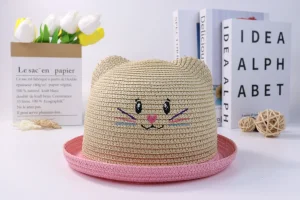
Category Deep-Dive · Children's Straw Headwear
Why Kids Straw Hats Represent a High-Growth Export Lane for Chinese Manufacturers
The kids straw hat category has moved from a seasonal novelty to a structural growth segment inside global sun-protection and resort-wear assortments. Against that backdrop, Chinese exporters, suppliers and factories — especially in Shandong, Zhejiang and Guangdong clusters — have become the default sourcing anchor for importers, boutique labels and mass retailers in North America, Western Europe, Australia, Japan and the Gulf.
This briefing consolidates what buyers actually need to evaluate a China-based kids straw hat program: material integrity, UPF claims, compliance frameworks, MOQ economics, localization support, and the technology roadmap shaping the next five years. It reflects the operating reality of Shandong Lige Import & Export Co., Ltd. (Lige Hats) — a Linyi-based manufacturer with over 15 years of OEM and ODM experience shipping to more than 60 countries.
0+
Years of straw hat manufacturing
0+
Export destination countries
0+
Global distributor partners
0+
Minimum order per design (pcs)
Featured OEM & ODM Range
Kids Straw Hat Collection — Representative Export Styles
Each SKU below is production-ready for private-label programs, with customization on shape, weave, colorway, brim depth, trim, label and packaging. Request counter-samples or a mixed-container plan from our export team.
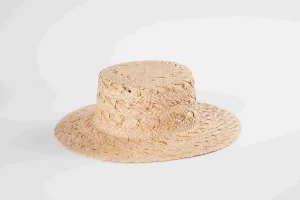
High-Quality China Suppliers Factory Unisex Summer Straw Hat Panama Style with Custom Logo for Beach Party and Sports Manufacturers, Supplier
View Product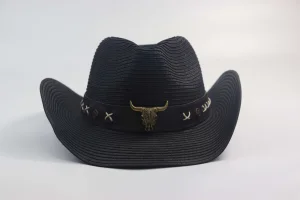
China China Suppliers Lightweight Men's Straw Cowboy Hat - Stylish Summer Accessory from Factory Manufacturers, Suppliers
View Product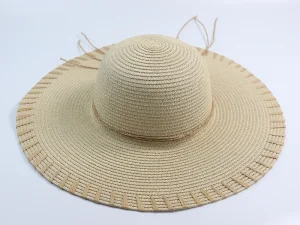
Wholesale Wide Brim Women's Sun Straw Hat - UPF 50 Foldable Beach Hat from China Suppliers and Factory, Customizable Options Available Manufacturer, Suppliers
View Product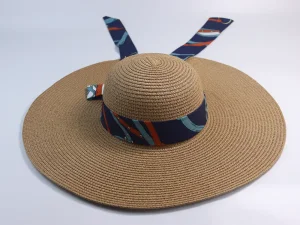
China Wholesale China Suppliers Factory Women's Summer Big Brim Hats with Bow Decoration - Sunshine Hats for Ladies Manufacturers, Manufacturer
View Product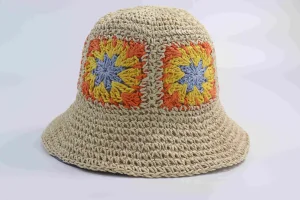
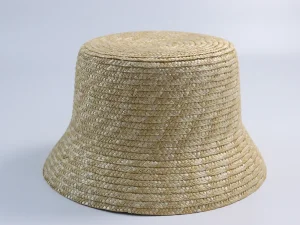
Wholesale Trendy Straw Bucket Hat from China Suppliers - Factory-Made for Ultimate Sun Protection! Manufacturers, Supplier
View Product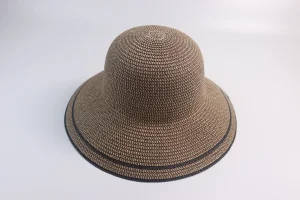
China China Wide Brim Bucket Hat - Stylish Sun Protection from Trusted Suppliers and Factory Supplier, Suppliers
View Product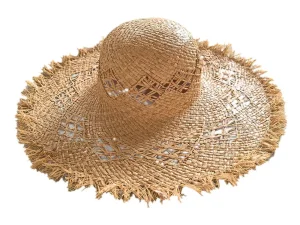
Wholesale OEM 100% Natural Raffia Hand Weaved Straw Hat Supplier, Suppliers
View Product
Macro Industry Outlook
The Global Kids Headwear Market: Where China Still Wins on Cost, Craft and Speed
The children's straw hat segment sits at the intersection of three durable demand drivers: UV-driven sun-safety regulation, travel and resort-wear recovery, and a shift toward natural, renewable materials in kids' apparel. Understanding how Chinese supplier clusters respond to these forces is now a baseline competency for any serious buyer.
Sun-Safety Regulation as a Category Accelerator
Regulators and pediatric bodies in Australia, the EU and parts of North America increasingly treat UPF-rated children's headwear as a first-line defense against UV exposure. Buyers who can evidence genuine UPF 50+ performance and consistent weave density are winning shelf space inside health, pharmacy and school-uniform channels — not just beachwear.
Resort and Family-Travel Recovery
Family travel, cruise and resort retail programs have structurally rebounded, pulling with them coordinated "mini-me" assortments where the kids' hat is deliberately matched to an adult silhouette. Chinese factories with broad adult-plus-kids shape libraries convert this best, because colorways, trims and weave scales can be aligned inside one production run.
Natural-Fiber Preference in Kids' Apparel
Parents increasingly reject synthetic, heat-trapping fabrics near children's skin. Raffia, paper straw and natural grass weaves — when properly finished and free of harsh chemical treatments — align with the "clean label" story brands want to publish. This has shifted demand toward mills and factories that control their own raw-material sorting.
Clustered Manufacturing Beats Fragmented Sourcing
Shandong (Linyi), Zhejiang (Yiwu, Wenling) and Guangdong (Dongguan) form the backbone of China's woven headwear capacity. Clusters compress lead times, keep raw-material access continuous, and let smaller MOQs be aggregated across buyers — which is precisely how a boutique label can place a 50–100 piece order without paying handcraft-lab premiums.
Smaller Initial Runs, Faster Re-Order Cycles
Post-pandemic inventory discipline has shortened initial buy quantities and increased the number of in-season re-orders. For factories this has elevated three capabilities above raw price: sampling speed, MOQ flexibility, and colorway continuity — a re-order that arrives in a different raffia shade is effectively a damaged shipment for a brand with visual coherence.
Compliance Is Now a Procurement Gate
Children's products trigger tighter scrutiny than adult lines: chemical residues, small-parts safety, labeling, and documentary evidence of test results. Buyers are increasingly shortlisting factories that can present test reports, chain-of-custody documentation and market-specific labeling as default deliverables, not exceptions.
Macro Industry Solutions
Integrated Sourcing Solutions Beyond the Single Order
Leading China-based kids straw hat exporters no longer compete on unit price alone. They compete on whether a buyer can consolidate an entire seasonal kids' headwear program — spanning silhouettes, materials, branding, packaging and compliance — inside one accountable supplier relationship.
Category Consolidation
Consolidate kids' straw hats, kids' bags, toy hats and coordinated sun visors with a single factory to reduce supplier count, simplify quality control and unlock mixed-container economics.
Private Label & OEM
Full ownership of shape, weave, brim depth, crown proportion, hat band, woven label, hang tag and packaging — engineered to your brand style guide, not adapted from a stock catalog.
Seasonal Re-Order Stability
Colorway and weave-tone continuity batched against your original approved sample, so a Q3 re-order does not visually diverge from your Q1 buy on the shelf.
Sampling-to-Scale Pipeline
Sample development in days, not weeks, with in-house designers translating mood boards and reference samples into production-ready specs and costed BOMs.
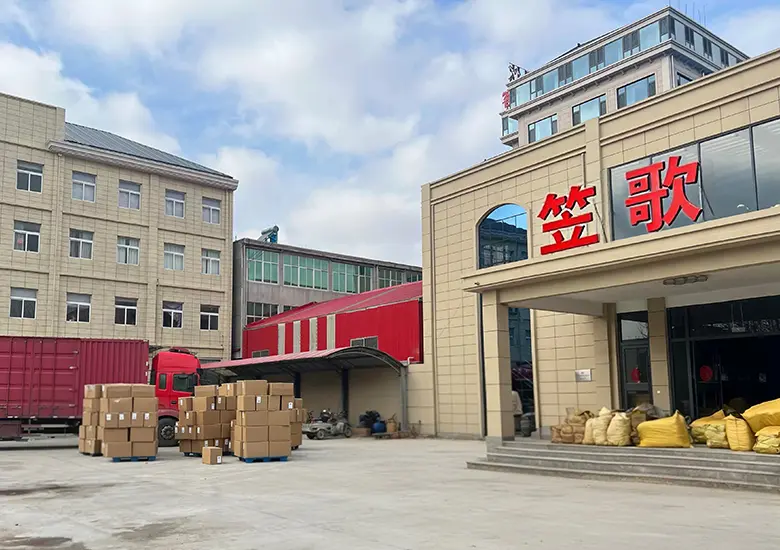
Linyi, Shandong · Qingdao Port Gateway
FCL & LCL export with consolidated QC before loading
Localization Support & Compliance
Buyer-Side Localization: Documentation That Actually Clears Customs
Localization for a kids straw hat program means more than translation. It means engineering each shipment to the documentary and labeling expectations of the destination market, then supporting the buyer through audit questions after arrival.
A well-run China exporter anticipates the three friction points buyers consistently raise:
- Labeling: fiber composition, country of origin, care instructions and, where required, age-suitability marks in the destination language.
- Chemical & safety documentation: test reports for restricted substances and small-parts safety on decorative elements such as bows, pom-poms and buttons.
- Logistics localization: correct HS classification, packing lists that match commercial invoices, and pre-shipment inspection evidence to prevent rework at destination.
US CPSIA-aligned documents
EU REACH support
AU/NZ sun-protection labeling
Bilingual packaging
Pre-shipment inspection
HS classification guidance
Localized Application Scenarios
Where Kids Straw Hats Actually Sell: Channel-by-Channel Use Cases
Different markets demand different silhouettes, trims and protective performance. Chinese exporters who understand channel context can shorten a buyer's specification cycle by months.
Resort and Beach Retail
Wide-brim floppy silhouettes in raffia or soft paper straw, color-matched to adult lines. Branding via embroidered ribbon or woven patch that reflects the resort's own identity. Small initial runs with fast re-orders are standard.
School and Uniform Headwear
Featuring structured bucket or boater silhouettes with consistent sizing and quiet, uniform-compliant colorways. Buyers in this channel prioritize fit consistency, washability tolerance and printable interior labeling. Pack-size discipline and box labeling matter as much as the hat itself.
National Parks, Zoo and Theme Park Retail
Character-integrated kids' styles — printed brims, playful woven motifs and coordinated hat-and-bag sets. These programs value short-run test quantities, responsive design support and certificate-rich production for kids' safety and animal-themed brand approvals.
Sports, Water-Activity and Outdoor Retail
Lightweight visors and bucket hats with adjustable chin cords, quick-dry linings and UPF-rated weaves. Specialty outdoor retailers expect documented performance testing and demand clear care frameworks for salt-water and chlorine exposure.
Boutique and Lifestyle Retail
Small-batch curated styles with artisanal finishing — hand-woven raffia hats, natural grass boater styles and bow-trimmed floppy shapes. Buyers here expect hand-sample consistency, story-rich material sourcing and elegant packaging.
Wholesale and Distribution
Broad multi-SKU deliveries with mixed-container loading, standardized cartonization and hang-tag compliance for secondary resale. Reliability of volume and shipping schedule matters more than the visual richness of any single SKU.
Expertise & Material Science
Choosing the Right Fiber for a Kids' Hat Program
Fiber choice drives hand-feel, shape retention, cost point, compliance framing and how well the hat survives container shipping. This is exactly how our product engineers advise buyers before sampling begins.
Raffia Palm Fiber
Natural palm-leaf fiber with inherent resins that make it soft, flexible and highly dye-receptive. Brims pack down and recover their shape — ideal for travel-oriented kids' programs.
Best for: floppy hats, bucket hats, kids' straw bags.
Buyer tip: ideal when "packable" and saturated colorways matter.
Paper Straw Weave
Twisted paper yarn woven into a lightweight, uniform fabric. Clean, consistent colors and competitive unit cost for volume programs — the workhorse fiber for mass retail kids' programs.
Best for: Panama-style kids' hats, seasonal promotional retail.
Buyer tip: specify "keep dry" care labels — paper straw softens when soaked.
Natural Grass Straw
Braided natural stems with inherent stiffness, producing crisp, structured silhouettes and artisanal looks that support premium price points on kids' boater or cowboy styles.
Best for: boater hats, cowboy hats, structured summer styles.
Buyer tip: choose when shape retention on shelf is critical.
Fabric & Knit Constructions
Cotton, polyester and knit constructions extend an assortment across summer into cold-weather categories, useful for buyers consolidating headwear under a single supplier.
Best for: visors, kids' winter hats, toy hats.
Buyer tip: pair with straw lines for year-round single-supplier programs.
Technology Roadmap & Future Outlook
Where Kids Straw Hat Manufacturing Is Heading Next
Across the 2025–2030 horizon, the leaders among China's kids straw hat exporters will be distinguished less by raw factory footprint and more by how they integrate documentation, traceability and customization speed into the buyer workflow.
2025Standardized UPF reporting on kids' sun hats
2026Digital sampling & 3D style libraries for buyers
2027Traceable raffia supply chains from origin to bay
2028+Closed-loop packaging & recycled-fiber blends at scale
Digital Sampling & Virtual Catalogs
3D style libraries and virtual sampling will compress the time between a buyer's brief and a finalized BOM. Expect early adopters to cite "sampling days, not weeks" as a standard service level, with digital twin models replacing part of physical sampling rounds.
Traceable Raw Materials
Raffia, paper straw and natural grass will be subject to increasing traceability expectations from retail buyers and NGOs. Forward-looking exporters are building origin-level documentation that can be published as part of a "story" on consumer-facing packaging.
Longer Lifecycle & Repairability
Kids grow out of hats faster than they wear them out, but the "repair-and-pass-on" mentality is gaining momentum in sustainable families and secondary resale. Designs anticipating shape re-blocking, replaceable bands and washable construction will win favor.
Regulatory Convergence
Chemical restrictions, sun-protection labeling and small-parts safety rules will slowly converge across major markets. Exporters who adopt a single highest-common-denominator test suite will reduce duplication and lead time for buyers sourcing across multiple regions.
Operating Framework
How a Kids Straw Hat OEM Program Actually Runs
A transparent six-step workflow that keeps buyers informed from first brief to container loading — and that lets us deliver 8-hour response cycles across product questions, sampling and after-sales follow-up.
Share Your Brief
Style references, material preference, size range, colorway direction, branding specification and target quantity.
Design & Sampling
In-house designers translate mood boards and reference samples into a costed BOM and physical sampling plan.
Approval
Confirm sample, labels, packaging spec, market-specific compliance documents and production schedule.
Production
Raw-material sorting, weaving, blocking and finishing under one roof — full control over quality and lead time.
Quality Inspection
Final inspection on shape consistency, stitching integrity, size accuracy and trim attachment before packing.
Export Shipping
FCL or LCL via Qingdao Port for bulk orders; express or air for samples and urgent small quantities.
Buyer Q&A · Kids Straw Hat Sourcing
Direct Answers to Global Buying Questions
These are the questions our export team answers most frequently across US, EU, Australia, Japan and Gulf-based buyer conversations.
What is the minimum order quantity for custom kids straw hats?
Our starting quantity for small orders is 50 to 100 pieces per design, depending on the material and craftsmanship. This is designed to let boutiques, emerging kids' brands and importers test new styles inside a real retail environment before scaling up to full-season commitments.
Can Lige produce private-label kids hats with our own logo and packaging?
Yes. OEM and ODM production is our core business. We customize the shape, material, color, brim depth, size and hat band, and add branding elements such as woven labels, printed patches and hang tags. Our in-house designers can also develop entirely new styles from your mood board or reference samples — and yes, packaging is specified alongside the hat, not after.
Where is your factory located and how are orders shipped?
We are located in Linyi City, Shandong Province, China, close to Qingdao Port. Bulk orders are typically exported by sea freight as FCL or LCL shipments, while samples and urgent small orders can be sent by air or express courier. Consolidated container loading with mixed kids' SKUs is standard.
Which markets do you export kids straw hats to?
Most of our products are exported to the United States, Canada, Australia, Mexico, Western Europe and Japan. We serve customers in more than 60 countries and work with over 25 global distributors — including a growing number of specialist kids' and family-travel retailers.
How do you handle children's product compliance for different markets?
We support buyers by assembling market-specific documentation — fiber composition labeling, care instructions, country of origin, age-suitability marks and, where required, restricted-substance test reports. We also flag design elements (such as small bows or detachable trims) that could raise small-parts safety questions and recommend alternatives during sampling.
How fast does your team respond to buyer requests?
We respond and take action within 8 hours, covering product questions, sampling, order follow-up and after-sales service. Each account is assigned a dedicated contact so the buyer is not re-explaining their program to a new representative with every email.
What else do you manufacture besides kids straw hats?
Alongside kids straw hats, we manufacture paper hats, straw bags, paper bags, children's straw hats, toy hats, lifeguard hats, sun visors, winter hats and other bags — giving buyers a consolidation path under a single supplier with consistent QC.
Can we combine a kids' program with an adult line in one shipment?
Yes. Many of our buyers run coordinated "mini-me" programs where the kids' hat mirrors an adult silhouette in the same raffia or paper-straw colorway. Because both run through the same production line, colorway matching between the adult and kids' SKUs is naturally tighter than if you sourced them from two separate factories.
What is the typical lead time for a kids straw hat program?
Sampling typically takes days, not weeks. Bulk production lead time depends on material availability, craftsman bandwidth and total volume — we confirm your window during sampling approval, with buffer for pre-shipment inspection and export documentation. Re-orders on approved styles move faster because BOMs and colorways are already locked.
Extended Kids' & Family Headwear Range
More Export Styles from Our Kids & Family Collection
From coordinated hat-and-bag sets to natural wheat straw top hats, each style is available for OEM private-label programs with configurable colorways, trims and packaging.
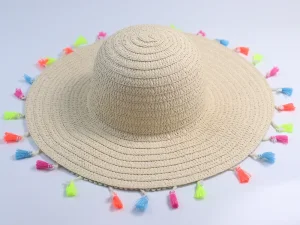
High-Quality Cute Kids Summer Hat & Bag Set - Handmade Beach Accessories from China Suppliers & Factory Factories, Factory
View Product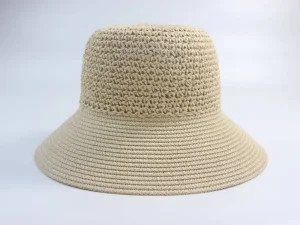
High-Quality Elegant Beach Sun Fisherman Bucket Hats For Woman Summer Supplier, Factories
View Product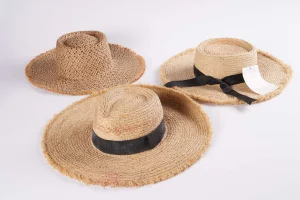
China Stylish Country Hats for Every Outdoor Adventure Suppliers, Factory
View Product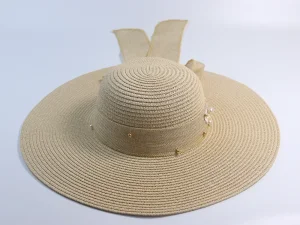
China China Suppliers Factory Women's Sun Protective Floppy Beach Straw Hat with Bow Decoration, Customizable Size and Design Manufacturer, Factory
View Product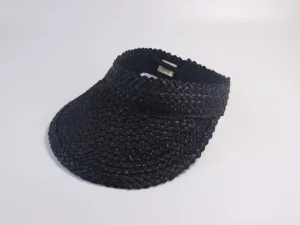
Wholesale Natural Wheat Straw Top Hat with Sawtooth - Customizable from China Suppliers and Factory, Sizes 56-58cm Supplier, Factory
View Product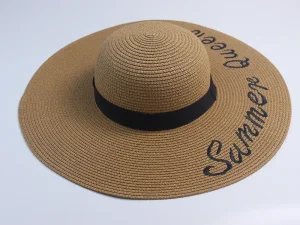
China China Suppliers Women's Summer Wide Brim Floppy Straw Hats - Custom Embroidery UV Protection from Factory Supplier, Factory
View Product
High-Quality Women's UPF 50 Sun Straw Hat - Wide Brim, Foldable, Fashionable Beach Hat from China Suppliers and Factory Manufacturer, Suppliers
View Product