
Core Catalog
Western & Sun Hat Programs Ready for Private Label
Every silhouette below is produced in-house in raffia, paper straw or natural grass straw, with custom bands, branding and packaging available from 50 pieces per design.
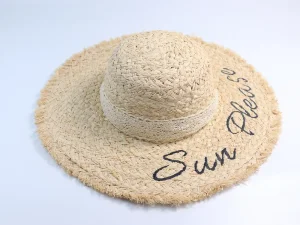
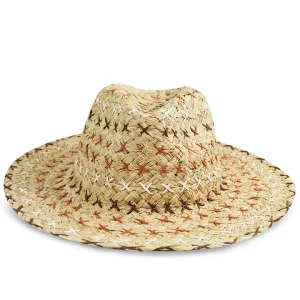
Wholesale Stylish Handmade Raffia Western Hat for Women – Custom Embroidery Straw Hat from China Suppliers
View ProductChina Factory Supplier Handmade Raffia Western Hat for Women – Embroidered Straw Hat, Customizable Designs
View Product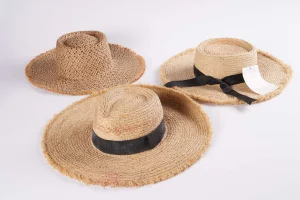
China Stylish Country Hats for Every Outdoor Adventure
View Product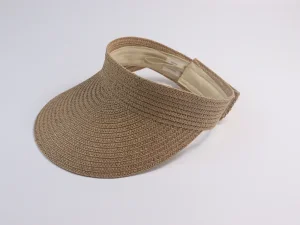
High-Quality China Factory Wholesale Lightweight Unisex Straw Sun Visor Hat for Summer Sports – Customizable Designs
View ProductHigh-Quality China Factory Wholesale Unisex Straw Visor Hat for Summer Sun Protection – Lightweight & Breathable
View Product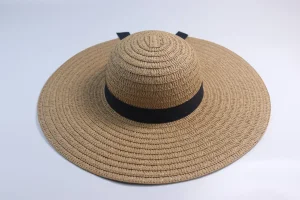
High-Quality Stylish Ladies Sun Hats – Perfect for Australian Summers
View Product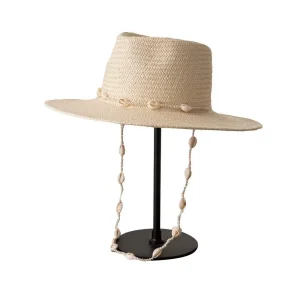
High-Quality Women's Straw Boater Hat, Flat Top Wide Brim Summer Sun Hat with Ribbon Band
View Product
Industry White Paper Brief
Why China Became the Reference Source for Cowboy Men's Hats
Global demand for western headwear has shifted from a seasonal novelty to a year-round category. Country music festivals, rodeo circuits, dude-ranch tourism, equestrian events, and the mainstreaming of "country-core" fashion have pushed straw cowboy hats into the same buying rhythm as caps and beanies — which means buyers now need a supply partner who can deliver repeatable specifications, consistent shape memory and dependable lead times, not one-off samples.
Shandong Lige Import & Export Co., Ltd. — trading as Lige Hats — has operated in Linyi City, Shandong Province for more than 15 years, within easy reach of Qingdao Port. That geography matters more than it first appears: raw material sorting, hand-weaving, blocking, finishing and inspection sit under one roof, and the finished goods move through one of China's busiest container gateways. The result is a compressed, transparent chain from fiber to FCL.
The purpose of this brief is not to sell a single style. It is to document the information layer that competent buyers need before committing a purchase order: how fiber choice changes cost and shape retention, what "low MOQ" actually means in production terms, where cowboy hat demand is concentrated geographically, and how localised use cases differ between a Texas rodeo retailer and a Queensland beachwear brand.
Factory Positioning at a Glance
A vertically integrated straw hat line in Linyi, Shandong, serving importers, wholesalers, brand owners and retailers across North America, Australia, Mexico, Western Europe and Japan.
RaffiaPaper StrawNatural GrassFabric & KnitOEMODMFCL & LCL8h Response
20 yrsProduction manager experience
15 yrsQC manager experience
25+Global distributors
60+Countries served
Structural Advantages
China Cowboy Hat Factory Advantages Buyers Can Actually Verify
Advantage claims are cheap. These are the five structural reasons why a Chinese specialized cowboy hat factory outperforms both generalist trading companies and small regional workshops on total landed cost and consistency.
Full-Stack Vertical Integration
Raw material sorting, weaving, blocking, trimming, labeling and final QC are handled in-house. When one stage owns the next, defects are caught before they compound — the single biggest driver of return rates in straw headwear.
Specialisation, Not Generalism
Fifteen-plus years focused exclusively on straw hats, paper hats and woven bags. Specialised teams develop muscle memory for brim tension, crown blocking and band attachment that cannot be replicated quickly by a general apparel factory.
Low MOQ That Enables Testing
A 50–100 piece starting quantity per design lets boutiques, emerging brands and importers validate a style before scaling. This de-risks assortment planning and shortens the path from concept to first sell-through read.
Port Proximity & Logistics Depth
Located in Linyi with nearby Qingdao Port, orders move as FCL or LCL with predictable sailing schedules. Samples and urgent replenishments can travel by air or express without re-routing through inland hubs.
Cost Curve Visibility
Direct-from-factory quotation removes intermediary margins, and because material selection, construction and trim are all in one place, buyers can model the exact cost impact of upgrading a band, adding embroidery or changing fiber.
Mature QC Discipline
A QC manager with fifteen years of experience and a team averaging five-plus years runs final inspection on shape, stitching, size tolerance and trim attachment — the checkpoints that determine whether a container matches the approved sample.
Buyer's Material Science
Fiber Choice Determines Hand-Feel, Shape Memory and Margin
In cowboy hats specifically, the fiber decision is more consequential than in any other straw category — because western silhouettes depend on a structured crown and a brim that holds a deliberate curl. This is how the material guide actually reads in production terms.
| Fiber | Behavioral Profile | Best-Fit Western Styles | Buyer Consideration |
|---|---|---|---|
| Raffia | Natural palm-leaf fiber with inherent resins; soft, flexible, highly dye-receptive, capable of recovering shape after packing. | Floppy western hats, embroidered cowgirl styles, premium resort lines, straw bags | Supports "packable" and "travel-friendly" claims; enables bold saturated colorways that photograph well. |
| Paper Straw | Twisted paper yarn braided into a lightweight, uniform fabric with clean, consistent color reproduction. | Cattleman-crown cowboys, Panama-style westerns, promotional and seasonal retail | Strong cost position for volume programs; add "keep dry" care labeling as paper straw softens when soaked. |
| Natural Grass Straw | Braided natural stems with inherent stiffness, producing crisp, structured silhouettes and an artisanal appearance. | Boater hats, structured cowboy hats, lifeguard hats, country event headwear | Choose when on-shelf shape retention matters most; supports premium price positioning. |
| Fabric & Knit | Cotton, polyester and knitted constructions that extend assortments beyond the summer window. | Visors, winter hats, children's hats, toy hats, year-round accessories | Combine with straw lines to consolidate sourcing into a single year-round supplier relationship. |
PackabilityBrim MemoryDye SaturationUV DensityCost per UnitShipping ResilienceCare LabelingShelf Life
Industry Development Trends
Where the Cowboy Hat Category Is Actually Heading
Buyers planning an 18-month horizon need to separate durable structural shifts from short-lived fashion noise. Four movements have consistently shaped purchase orders through recent seasons:
1. Sustainability as a spec, not a slogan. Raffia and natural grass straw are renewable, biodegradable inputs, and the hand-weaving process is inherently low-energy. Buyers increasingly request documentation of material provenance and artisan involvement, because their own customers now ask for it. This favors factories that can trace fiber lot to finished carton.
2. The western category crossing gender and generation lines. Cowboy hat purchase intent is no longer concentrated in traditional rodeo demographics. Music-festival dressing, "old money" outdoor aesthetics and unisex styling have broadened the buyer set substantially — which means multi-size, multi-colorway programs with tighter reorder cycles.
3. Smaller, faster, more frequent orders. The combination of low-MOQ capability and packable construction has moved the market toward test-and-repeat purchasing. Buyers place a modest initial run, read sell-through, then scale winners — a pattern that punishes factories built only for large minimums.
4. Personalized and embroidered detail. Custom embroidery, woven label placement, branded bands and hang tags have shifted from premium-only customization to baseline expectation in mid-market programs. A factory that runs branding in-house shortens sampling cycles considerably.
Demand Concentration Index
Relative strength of inbound sourcing intent by region, based on the factory's export distribution across 60+ countries.
Localized Applications
The Same Hat Performs Differently in Every Market
A cowboy hat sold in Fort Worth and a cowboy hat sold on the Gold Coast are not the same product, even when they share a silhouette. Localised application intelligence is what separates a stocked SKU from a returned one.
North American Rodeo & Country
Wide, shapeable brims with cattleman crowns are expected to hold a deliberate curl. Buyers here prioritize brim rigidity, size-run accuracy and the ability to brand the band. Replenishment cycles track the rodeo and festival calendar.
Australian Outdoor & Beach
UV protection is the lead message, not decoration. Lightweight raffia and breathable weaves dominate, with wide brims and chin straps for coastal wind. Styles skew unisex and packable for travel retail and beachside boutiques.
European Festival & Resort
Silhouette refinement and color discipline matter more than extreme brim width. Embroidered raffia western hats, ribbon-band finishes and muted earth tones perform in boutique and resort-wear channels with shorter, curated runs.
Latin American Western
Structured crowns and tightly controlled brim geometry are valued, with strong brand loyalty to traditional shape families. Consistency across production lots is a stronger purchase driver than aggressive cost reduction.
Dude Ranches & Hospitality
Uniform programs and guest amenities require repeatable sizing, comfortable interior finishing and fast reorder. Logo-embossed bands and bulk packaging are frequently specified alongside the hat itself.
Promotional & Event Merch
Festival and brand-activation buyers need low quantities per design, fast sampling and strong print or embroidery capability. Paper straw and raffia both accept branding cleanly at accessible unit costs.
Macro Industry Solutions
Sourcing Models the Factory Is Structured to Support
Different buyers need structurally different programs. Rather than one generic offer, the factory organizes capability around four macro engagement models that match how purchasing teams actually operate.
OEM Manufacturing — Build to Your Specification
You provide the tech pack, reference sample or detailed brief; the factory executes shape, fiber, band, trim and packaging to that specification, then adds your woven labels, patches and hang tags. This is the model most importers and established retail brands use, because it keeps product design ownership with the buyer while leveraging factory production discipline.
ODM Development — Design Originates at the Factory
In-house designers develop new silhouettes from a mood board, market reference or trend direction, then refine them through sampling. This model suits boutique owners, emerging direct-to-consumer brands and licensing programs that need original product but do not maintain an internal design department. Customization cascades across shape, material, colorway, size grading and hat band.
Wholesale Distribution — Stock & Reorder Programs
For wholesalers and multi-store retailers, the priority is a stable, reorderable core range rather than continuous novelty. Repeatable specifications, consistent carton packing and predictable production windows let distributors plan inventory across seasons without re-qualifying a vendor each cycle.
Cross-Category Consolidation — Hats & Bags Together
Because the factory also produces paper hats, straw bags, paper bags, children's straw hats, toy hats, lifeguard hats, sun visors, winter hats and other bags, buyers can consolidate multiple accessory categories with one supplier. Fewer vendors means fewer shipments, fewer quality standards to reconcile and simpler documentation.
Global Enterprise Procurement
What Global Buyers Actually Require Before Awarding a PO
Enterprise procurement has changed. Price alone no longer wins a program — commercial teams now screen suppliers against a documented set of operational expectations.
Sample-to-Bulk Consistency
The approved sample is the contract. Buyers require that container goods match it on crown height, brim tension, band placement and color within a stated tolerance.
Lead-Time Reliability
Seasonal windows are unforgiving. Buyers evaluate historical on-time performance and require realistic production calendars rather than optimistic ones.
Documentation Hygiene
Commercial invoices, packing lists, HS classification and material declarations must be accurate and consistent across every shipment to avoid customs delays.
Responsiveness as a Metric
Eight-hour response and action is treated as an operational KPI, not a courtesy — covering product questions, sampling, order follow-up and after-sales issue resolution.
Private-Label Readiness
Branding elements — woven labels, patches, hang tags, printed bands and packaging — must be sourced and applied without breaking the production timeline.
Multi-Market Flexibility
A single supplier capable of serving US, Australian, European and Japanese specifications reduces the overhead of managing regional vendor portfolios.
Packing & Shipping Fit
Carton configuration, moisture protection and stackability directly affect landed cost and damage rate — especially for a category built on structured brims.
Escalation Path
Buyers want a named contact and a clear escalation route when something goes wrong, not a shared inbox and an anonymous reply.
OEM / ODM Workflow
Six Controlled Steps from Brief to Container Loading
Transparency at each stage is what allows a buyer to commit to a production calendar with confidence.
Share Your Brief
Style reference, fiber preference, size grading, colorway, branding requirements and target quantity per design.
Design & Sampling
Designers recommend materials and constructions, then develop samples for handling and shape evaluation.
Approval
Confirm sample, labels, packaging, tolerances and delivery schedule before production is released.
Production
Material sorting, weaving, blocking, banding and finishing executed in-house on a scheduled line.
Quality Inspection
Final inspection of shape, stitching, sizing tolerance, trim attachment and packing configuration.
Export Shipping
FCL or LCL consolidation via nearby Qingdao Port; samples and urgent orders by air or express.
Buyer FAQ
Questions Sourcing Teams Ask Before a First Order
Answers written for procurement, not for marketing brochures.
What is the minimum order quantity for custom straw cowboy hats?
Our starting quantity for small orders is 50 to 100 pieces per design, depending on the fiber and the construction complexity. This lets boutiques, emerging brands and importers test new styles before committing to larger production runs. Styles with heavy hand-embroidery or custom structural changes may require a slightly higher starting quantity, which is confirmed at quotation stage.
Can Lige produce private-label hats with our own logo?
Yes. OEM and ODM production is our core business. We customize shape, material, color, size and hat band, and we can add branding elements such as woven labels, patches, printed bands and hang tags. Our in-house designers can also develop entirely new styles from your mood board or reference samples.
Where is your factory located and how are orders shipped?
We are located in Linyi City, Shandong Province, China, close to Qingdao Port. Bulk orders are typically exported by sea freight as FCL or LCL shipments, while samples and urgent small orders can be sent by air or express courier. Port proximity keeps sailing schedule options broad and transit planning predictable.
Which export markets do you supply?
Most of our products are exported to the United States, Canada, Australia, Mexico, Western Europe and Japan. We serve customers in more than 60 countries and work with over 25 global distributors, which gives us direct visibility into how specifications differ between regional markets.
How quickly does your team respond to buyer requests?
We respond and take action within 8 hours, covering product questions, sampling requests, order follow-up and after-sales service. For urgent production issues we escalate to a named account contact rather than routing through a general inbox.
What products do you manufacture besides straw hats?
In addition to straw hats, we manufacture paper hats, straw bags, paper bags, children's straw hats, toy hats, lifeguard hats, sun visors, winter hats and other bags. This breadth lets buyers consolidate multiple accessory categories into a single supplier relationship.
How do you control quality between sample approval and bulk delivery?
The approved sample functions as the production reference. A QC manager with fifteen years of experience, supported by a team averaging five-plus years, runs inspection across shape, stitching, size tolerance, trim attachment and packing. Because weaving, blocking and finishing happen in-house, deviations are caught at the stage where they occur rather than after packing.
Which fiber should I choose for a structured western silhouette?
For maximum shape retention on shelf and in wear, natural grass straw is typically the strongest choice because of its inherent stiffness. For a softer, packable western hat that travels well and accepts vivid dye colors, raffia is usually the better fit. Paper straw sits in between, offering clean uniform color and a competitive unit cost for volume programs.
Next Step
Build Your Next Cowboy Hat Collection With Evidence, Not Guesswork
Send a style reference, a target quantity and your destination market. Our team replies within eight hours with fiber recommendations, a sampling plan and a realistic production timeline — the same information this brief has laid out, applied to your specific program.
Whether you are a first-time importer testing fifty pieces of a single design, or an established distributor planning a multi-market seasonal range, the factory structure described above is designed to scale with you rather than force you into a minimum you cannot yet support.
Verified Supplier Snapshot
Shandong Lige Import & Export Co., Ltd. — Linyi City, Shandong Province, China. Fifteen-plus years in straw hats, paper hats and woven bags.
Linyi FactoryQingdao PortMOQ 50–1008h Response60+ Countries25+ Distributors
Sun & Summer Range
Wholesale Sun Hats, Bucket Hats & Beach Accessories
Complementary silhouettes that let a cowboy hat program sit alongside a complete summer headwear assortment — all from the same factory floor.
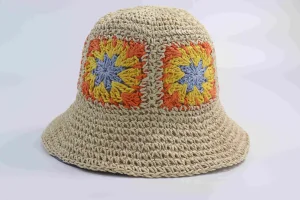
Wholesale Stylish China Straw Bucket Hat from Trusted Suppliers – Ideal for Sun Protection, Factory Direct Pricing
View Product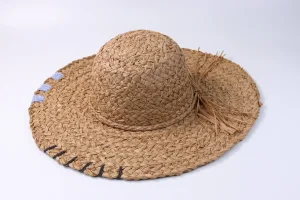
Wholesale Raffia Wide Brim Sun Hat for Women – Summer Beach Vacation
View Product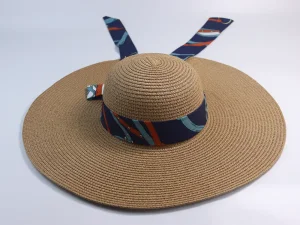
China Wholesale Fashion Female Summer Hats – Big Brim Sunshine Hat
View Product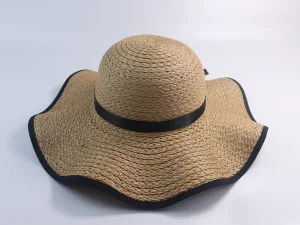
Wholesale China Women's Large Brim Summer Beach Hat – Handcrafted Wavy Edge Sun Protection
View Product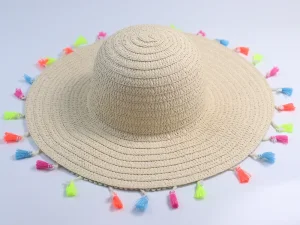
China Summer Hat & Bag for Kids – Cute Beach Handbag and Hat Set
View Product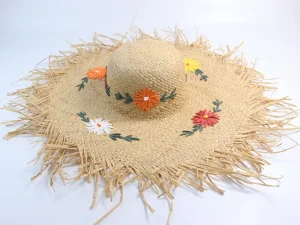
Wholesale Handmade Raffia Straw Lady Floppy Hat – Big Hat Summer Hat
View Product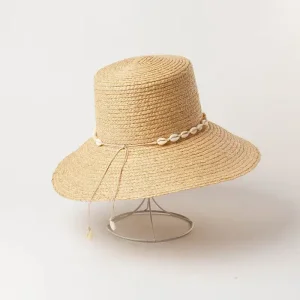
High-Quality Stylish Summer Hats for Ultimate Sun Protection & Fashion
View Product