
Industry White Paper
The Global Commercial Reality of Straw Woven Bags
Straw woven bags — raffia tote bags, handwoven shoulder bags, beach totes and paper-straw carryalls — have moved from seasonal curiosities to a permanent, high-margin accessory category in global retail. Understanding the supply chain behind them is now a competitive advantage.
Over the past decade, consumer demand for natural-fiber accessories has shifted decisively. Retailers from the United States and Western Europe to Australia and Japan now allocate dedicated shelf space and e-commerce SKUs to woven bags every spring/summer season — and increasingly into resort and cruise collections year-round. This is not a trend spike; it is a structural reclassification of woven accessories from "sun hats add-on" to a standalone, design-led category with its own buying calendar.
China has become the dominant global source for this category not because of a single cost advantage, but because of an integrated ecosystem: raw material processing, hand-weaving labor depth, blocking and finishing capability, and — critically — the ability to manage small-batch, high-mix private-label programs that Western brands now require. Shandong Province, anchored by Linyi's weaving tradition and Qingdao Port logistics, sits at the center of that ecosystem.
This brief is written from the perspective of a manufacturer that ships woven bags alongside straw hats and paper bags, and that has observed how buyers actually evaluate suppliers. The goal is information gain — the kind of operational and commercial detail that generic product pages never provide — so that sourcing teams can make better, faster, more defensible decisions.
15+Years focused on woven straw goods
60+Export countries served
25+Active global distributors
8hBuyer response commitment
Supply Chain Advantage
Why Chinese Factory Efficiency Outperforms for Woven Bags
The efficiency argument for China is no longer simply labor cost. It is integration, speed and program flexibility — the three variables that decide whether a woven-bag launch ships on time.
Vertical Integration
Raffia and paper-straw sorting, weaving, blocking, band sewing and final QC run under one roof. Buyers avoid the margin stacking and coordination loss of multi-vendor chains.
Compressed Lead Times
Sample development in days, not weeks. In-house designers and prototyping rooms cut iteration cycles that typically add 30–45 days to a Western supply route.
Low-MOQ Flexibility
Programs starting at 50–100 pieces per design let brands test silhouettes, colorways and trims before committing container-scale volume — reducing inventory risk dramatically.
Port Proximity
Linyi sits within easy reach of Qingdao Port, one of China's major container gateways. FCL and LCL export consolidation is predictable, with shorter inland transit than inland-only factories.
Application Intelligence
Localized Use Cases That Drive Regional Demand
Woven bags are not a universal product. The same factory output is specified, trimmed and merchandised differently depending on the destination market — and suppliers who understand these nuances produce better first samples.
North America & Resort Retail
Large-capacity raffia totes with reinforced handles and structured bases dominate. Buyers prioritize packability and beach-tote functionality, often bundling with floppy hats and visors for coordinated summer sets.
Western Europe & Boutique
Smaller, more artisanal silhouettes with visible hand-weaving detail and muted natural tones. Sustainability messaging, traceable fibers and reusable, decorative trims carry more weight than pure price.
Australia & Sun-Driven Markets
UV-conscious consumers favor tighter weaves, wider brims on matching hats, and cross-body and shoulder bag formats that free the hands. UV-blocking claims and breathability drive conversion.
Japan & Precision Retail
Exceptional consistency in weave density, stitch alignment, color matching and packaging presentation. Tolerances are tighter and QC documentation is expected as part of the supplier relationship.
Latin America & Beach Trade
Volume-driven, price-sensitive programs with bold colorways and durable construction designed for high turnover. Suppliers who offer stable repeat production and consolidated shipping win long-term accounts.
Promotional & Brand Gifting
Corporate and hospitality buyers demand small-batch customization — logo bands, hang tags, woven labels and branded packaging — at MOQs low enough for regional launches and event gifting.
Forward View
Industry Trends Reshaping Woven-Bag Sourcing
Four shifts are redefining how global brands buy straw woven bags. Suppliers that anticipate them deliver measurably better programs.
Traceable Natural Fibers
Buyers increasingly request fiber-origin documentation and favor suppliers who can describe raffia sourcing, processing and dye methods with specificity rather than generic claims.
Small-Batch, High-Mix Programs
Brands are launching more SKUs with less depth per SKU. Low-MOQ production and rapid sample iteration are now standard requirements, not premium add-ons.
Direct-to-Consumer Packaging
With DTC and marketplace sellers growing, bags now ship individually — demanding tighter folding, protective wrapping and branded unboxing detail that traditional bulk packs did not require.
Coordinated Accessory Sets
Hat-and-bag matching sets are becoming a merchandising standard, favoring suppliers who can produce both categories in consistent materials, trims and colorways from a single production line.
Faster Seasonal Cycles
Compressed retail calendars push suppliers toward shorter production windows and reliable reorder capacity. Backup capacity and material stock planning separate dependable factories from the rest.
Price-to-Quality Scrutiny
Post-inflation buying teams are comparing landed cost, defect rates and reorder reliability together. Transparent factory pricing with documented QC becomes a competitive differentiator.
Buyer Playbook
What Global Enterprises Actually Need From a Woven-Bag Supplier
Procurement teams evaluate woven-bag suppliers against a consistent set of criteria. The following checklist reflects what experienced importers and brand owners actually prioritize.
Verified Production Capability
Proof of in-house weaving, blocking and finishing — not just trading-desk resale. Factory audits, sample-room tours and production capacity evidence build trust fast.
Consistent Quality Across Batches
Repeat-order fidelity in weave density, dye lots, handle strength and trim placement. A QC manager with 15 years of experience makes this measurable rather than aspirational.
Flexible Customization
Shape, size, material, colorway, lining, handle style, woven labels, patches and hang tags. ODM design support from mood boards or reference samples accelerates brand development.
Small-Batch Agility
Programs beginning at 50–100 pieces per design let boutiques, emerging brands and regional importers validate demand before scaling — without overstock exposure.
Responsive Communication
An 8-hour response standard across sampling questions, order follow-up and after-sales service. One dedicated contact per account keeps communication coherent and auditable.
Reliable Export Logistics
FCL and LCL shipments via Qingdao Port, with samples and urgent small orders shipped by air or express. Predictable consolidation is a recurring reorder advantage.
Featured Collection
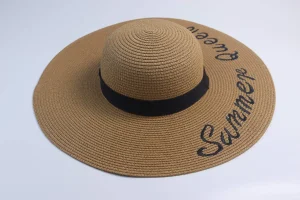
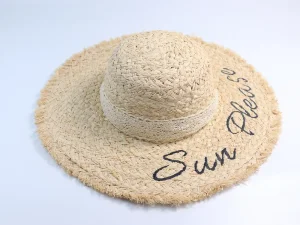
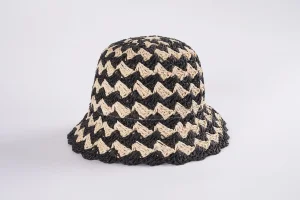
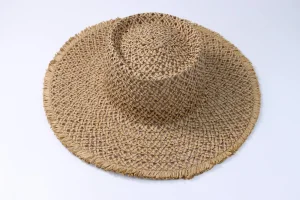
Explore Our Woven Straw Bags & Headwear
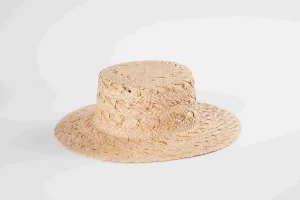
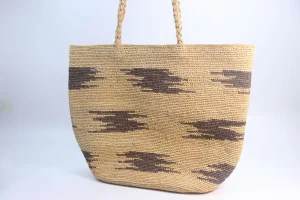
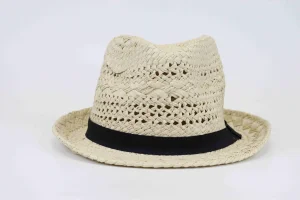
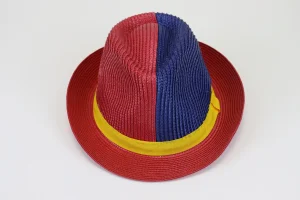
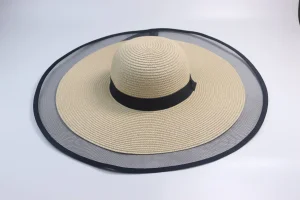
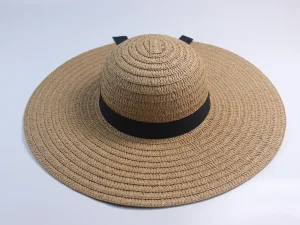
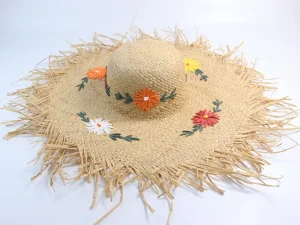
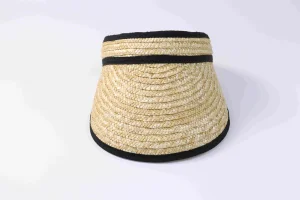
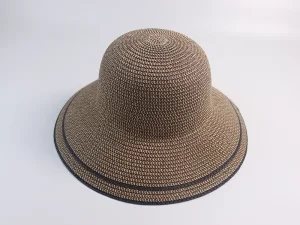
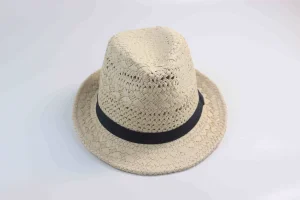
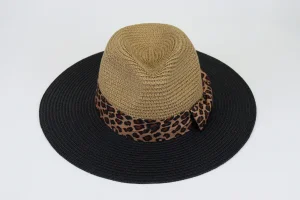
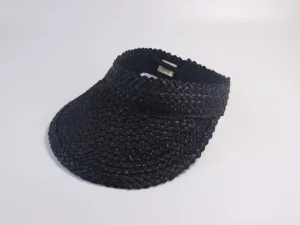
Every silhouette below is produced in-house with customizable materials, trims and branding. Request a catalog or a sample set for your market.
Material Science
Choosing the Right Fiber for Woven Bags
Fiber selection determines hand-feel, shape retention, price point and how well a bag survives shipping. Our product team advises buyers on this before sampling.
Raffia
Natural palm-leaf fiber traditionally sourced from Madagascar. Its natural resins make it soft, flexible and highly dye-receptive, so bags retain shape after packing.
Paper Straw
Twisted paper yarn woven into a lightweight, uniform fabric. It delivers clean, consistent colors and a competitive unit cost for volume retail programs.
Natural Grass Straw
Braided natural stems with inherent stiffness, producing crisp, structured silhouettes and an authentic artisanal look buyers value at premium price points.
OEM & ODM Workflow
Six Transparent Steps From Brief to Container
A predictable process that keeps buyers informed at every stage — the operational backbone behind reliable woven-bag programs.
Share Your Brief
Style, material, size, color, branding and target quantity.
Design & Sampling
Designers recommend materials and develop samples.
Approval
Confirm samples, labels, packaging and delivery schedule.
Production
Material sorting, weaving, blocking and finishing in-house.
Quality Inspection
Final inspection of shape, stitching, size and trims.
Export Shipping
FCL or LCL sea freight via nearby Qingdao Port.
Buyer FAQ
Questions Sourcing Teams Ask Most
Direct answers on MOQ, customization, shipping, sourcing regions and the global woven-bag market — written for procurement and product teams.
What is the minimum order quantity for custom straw woven bags?
Our starting quantity for small orders is 50 to 100 pieces per design, depending on material and craftsmanship. This allows boutiques, emerging brands and importers to test new styles before scaling up — a significant advantage for brands validating silhouettes and colorways in new markets.
Can you produce private-label woven bags with our branding?
Yes. OEM and ODM production is our core business. We customize shape, material, color, size, lining, handles and trim, and can add branding elements such as woven labels, patches and hang tags. Our in-house designers can also develop new styles from your mood board or reference samples.
Where is your factory and how are orders shipped?
We are located in Linyi City, Shandong Province, China, close to Qingdao Port. Bulk orders are typically exported by sea freight as FCL or LCL shipments, while samples and urgent small orders can be sent by air or express courier.
Which markets do you export to?
Most of our products are exported to the United States, Canada, Australia, Mexico, Western Europe and Japan. We serve customers in more than 60 countries and work with over 25 global distributors.
How quickly does your team respond to buyer requests?
We respond and take action within 8 hours, covering product questions, sampling, order follow-up and after-sales service.
Why is China the leading supplier of straw woven bags globally?
China's advantage is not simply cost. It is an integrated ecosystem — raw fiber processing, deep hand-weaving labor capacity, in-house blocking and finishing, low-MOQ program flexibility and highly developed export logistics through ports like Qingdao. No other single region combines all these capabilities at the same scale, which is why importers consistently favor Chinese factories for woven-bag programs that require both quality control and speed.
How do I choose between raffia, paper straw and natural grass straw?
Choose raffia for soft, flexible bag bodies with rich colorways and premium hand-feel. Choose paper straw for consistent colors, uniform weave and competitive unit cost in volume programs. Choose natural grass straw for crisp, structured silhouettes that hold their shape on the shelf. Buyers often use a mix across a single range to hit multiple price points.
What products do you manufacture besides woven bags?
Alongside straw woven bags, we manufacture straw hats, paper hats, paper bags, children's straw hats, toy hats, lifeguard hats, sun visors, winter hats and other bags — allowing buyers to consolidate accessory programs with a single supplier.
More From Our Range
Further Selections for Your Program
Additional woven and straw silhouettes available for sampling, private label and volume production.
Let's Build Your Next Woven-Bag Collection
Send us your style references, target quantity and destination market. Our team replies within 8 hours with material suggestions, a sampling plan and a production timeline.
Contact Our Team