
Executive Summary
Why Wool Floppy Hats Became the Cross-Season Program Buyers Rely On
The wool floppy hat occupies a rare position in global headwear: it is a style-driven silhouette and a functional cold-weather layer at once. For importers, that duality is exactly what makes it valuable. It sells into fashion accessory assortments, resort-adjacent shoulder-season lines, winter collections, and — increasingly — private-label apparel drops that need one hero accessory to complete the look book.
Over 15+ years of manufacturing in Linyi, Shandong, we have watched the wool floppy hat evolve from a seasonal curiosity into a repeat-order staple. Buyers who once ordered 200 pieces for a single autumn shelf now run continuous programs of 3,000–15,000 units across multiple colorways and two production windows. The reason is simple: a well-engineered wool floppy hat photographs beautifully, travels well, holds its shape through retail handling, and crosses the calendar from early autumn into late spring.
This dossier consolidates what we have learned as a straw hat and wool felt hat manufacturer serving importers, wholesalers, brand owners, and retailers across the United States, Canada, Australia, Mexico, Western Europe and Japan — and how leading Chinese exporters convert that knowledge into a reliable supply relationship.
- ✓Dual-season engine. Autumn/winter cold-weather fashion plus shoulder-season travel and resort retail.
- ✓Low entry barriers. MOQ from 50–100 pcs per design across our wool and straw programs.
- ✓Factory-direct economics. Raw material sorting, blocking, finishing, and QC in one facility near Qingdao Port.
- ✓8-hour response SLA. Dedicated account contact for sampling, order follow-up, and after-sales.
15+Years of Headwear Manufacturing
60+Countries Served
25+Global Distributors
50–100pcs MOQ Per Design
Featured Headwear & Sun Protection
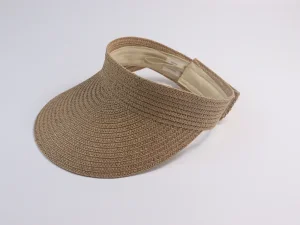
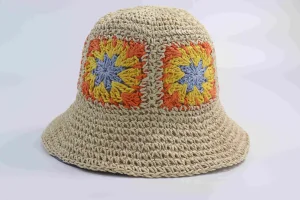
Popular Factory Styles Ready for Wholesale
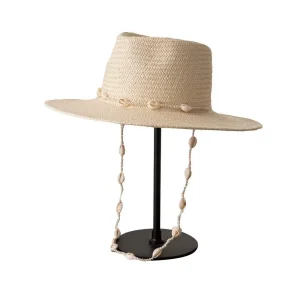
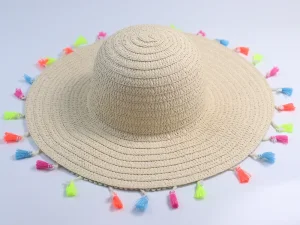
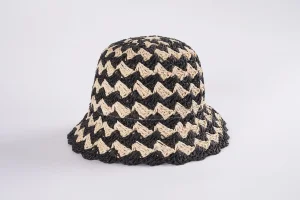
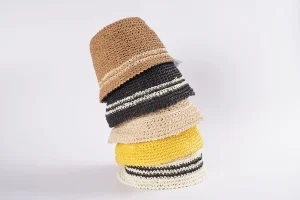
Direct-from-factory silhouettes proven across North American, Australian and European retail seasons. Every style is available for OEM and ODM customization in raffia, paper straw, or natural grass straw.
Global Procurement Demand
What Global Buyers Actually Need From a Wool Floppy Hat Supplier
Insight from the buying briefs we receive across our 60+ export markets — and the recurring procurement patterns that define a successful season.
Retail Private Label Buyers
They need consistent colorways across seasons, reliable size grading, and a factory that can hold shape during 40-foot container transit. Branding flexibility — woven labels, hang tags, custom bands — is non-negotiable.
Importers & Distributors
They prioritize price stability and low MOQ so they can spread risk across a broader assortment. Repeatability matters more than novelty — the same SKU must look identical on reorder 3 and reorder 30.
Department Store Fashion Buyers
They value trend alignment and editorial-ready finish. A floppy brim must drape predictably for photoshoots, and the crown must sit comfortably under hoods and travel cases.
Compliance-Driven Facilities
Institutional, hospitality, and promotional buyers demand traceability and fiber content documentation. They often require fiber declarations, care labels, and restrictive-substances attestations bundled into the PO.
DTC & E-commerce Sellers
They need packable, return-resistant products with shrinkwrap and polybag-ready packaging. Fit complaints are the #1 return driver, so accurate head-circumference sizing is mandatory.
Travel & Resort Retail
The wool floppy hat has become a shoulder-season travel companion. Buyers want a shapeless-to-stylish transformation — a hat that folds into luggage and returns to form with a light steam.
Macro Industry & Commercial Landscape
The Global Woollen Headwear Sector in 2026 and Beyond
Headwear is no longer a discretionary extra. It is a category defined by climate adaptation, sustainable fiber preferences, and a post-pandemic return to tactile, durable accessories that buyers keep rather than replace.
Cold-Weather Fashion as a Growth Channel
Wool floppy hats are climbing within the wider wool accessories segment. Buyers in Canada, Northern Europe, the UK, and the northern US are expanding cold-weather accessory assortments as consumers add layers rather than replace outerwear. A wide, soft wool brim offers perceived value in photography that a knit beanie cannot match.
China's Structural Cost Advantage
China's headwear clusters — including Shandong, Zhejiang, and Jiangsu — combine raw material scale, finishing infrastructure, and shipping proximity. For importers, that means fewer handoffs between fiber source, blocker, and packer. Factories located near Qingdao Port reduce inland freight days versus inland clusters.
Sustainability Pressures and Fiber Transparency
Global buyers are increasingly asking: Which wool? Which farm? What's the RWS/equivalent status? Even where certifications aren't yet mandatory, buyer procurement teams expect suppliers to know the fiber chain, dye chemistry, and finishing agents — and to distil that knowledge into understandable product copy.
Regional Sourcing Diversification
Multi-country sourcing is now standard risk management. China remains the anchor for volume programs — its integrated supply chain cannot be replicated in a season — while emerging suppliers handle niche or low-volume runs. Suppliers that can offer flexible, documentation-complete China production remain the most resilient partners.
Technical Road Map
Materials, Construction & the Engineering Behind a Good Floppy Hat
Wool floppy hats fail in three predictable ways: brim droop that never recovers, crown collapse, and color inconsistency on reorder. Every design decision below is a countermeasure to one of those failures.
Wool Felt
Compressed wool fibre produces the classic soft, dense floppy brim. 100% wool delivers premium drape and dye depth; wool blends lower unit cost while keeping the felt character. Finishing includes blocking, brim curling, and brushing.
Brim Wire & Structure
A subtle internal wire — or a stiffened felt core — allows the brim to hold its flop without sagging. Wire is bendable for travel; felt-core is more shape-stable on-shelf. Choose by channel: DTC favours wire, department store favours felt-core.
Dye Lots & Color Consistency
Wool is a natural fiber, so dye-lot variation must be managed deliberately. Factories that batch dye per program and document lot numbers prevent the “reorder looks different” complaint that erodes trust.
Road Map to 2030
Expect wider adoption of recycled wool, RWS-aligned sourcing, and digital product passports. Waterless dyeing, low-impact finishes, and traceability across fiber-to-shelf will shift from differentiator to baseline requirement in most Western markets.
| Construction Decision | Premium Option | Volume Option | Buyer Trade-off |
|---|---|---|---|
| Fiber | 100% wool felt | Wool-poly blend felt | Hand-feel & dye depth vs. unit cost |
| Brim structure | Felt-core brim | Internal bendable wire | Shelf stability vs. packability |
| Band | Grosgrain ribbon / leather trim | Woven cotton band | Editorial look vs. cost & MOQ |
| Lining | Silky full-lining + sweatband | Partial band only | Comfort & premium perception vs. cost |
| Packaging | Custom box / dust bag | Polybag + hangtag | Unboxing & brand perception vs. freight volume |
Operational Reliability
The Six-Step OEM & ODM Workflow From Brief to Container
A transparent, deadline-driven process. Every stage is documented so that a first-time importer understands exactly what to expect — and a repeat buyer receives consistent service quality.
Share Your Brief
Style, material, size, band, color, branding, and target quantity per colorway.
Design & Sampling
Our designers recommend fiber, blocking, and finishing that fit your price point and channel.
Approval
Confirm sample, labels, packaging, and delivery schedule before mass production begins.
Production
Material sorting, blocking, banding, and finishing completed under one roof for consistency.
Quality Inspection
Shape, stitching, size, trims, and color match against the approved sample.
Export Shipping
FCL or LCL sea freight through Qingdao Port — sample and urgent orders by air/express.
Localization & Compliance
Local Support & the Paperwork That Gets a Hat On a Shelf
A wool floppy hat is a textile product, and textiles carry obligations. The strongest exporters treat compliance as a design variable, not an afterthought. We help buyers navigate the paperwork that retailers, marketplaces, and customs authorities increasingly require.
- ✓Fiber content & care labels. Country-specific text requirements (US, CA, EU, AU) verified at packing stage.
- ✓Restricted substances. Azo dyes, formaldehyde, heavy metals — aligned with EU REACH and equivalent parameters discussed per program.
- ✓Logistics localization. Qingdao Port proximity for FCL and LCL; express routing for samples and low-volume launches.
- ✓Language support. English-language communication with 8-hour response commitment across time zones.
- ✓After-sales assurance. Dedicated account contact for QC escalations, reorders, and program reviews.
Documentation Snapshot
Typical program-level documents buyers request with wool headwear:
- ✓Commercial invoice, packing list, and bill of lading
- ✓Fiber composition declaration per SKU
- ✓Care and country-of-origin label artwork
- ✓Restricted-substances attestation (program scope)
- ✓Pre-shipment inspection report on request
Experience · Expertise · Authority · Trust
Why Buyers Trust a Specialist Manufacturer Over a Trading Desk
Lige Hats is based in Linyi City, Shandong Province, within easy reach of Qingdao Port. For more than 15 years we have focused on straw hats, paper hats, wool felt hats, straw bags, and paper bags — combining traditional hand-weaving skills with modern blocking and finishing expertise.
Experienced Team
A production manager with 20 years of experience, a QC manager with 15 years, and a team averaging 5+ years — reflected in consistent weaves and accurate sizing.
Direct Factory, Not a Broker
Raw material sorting, weaving, blocking, finishing, and final inspection under one roof — stable quality and pricing without middleman margins.
8-Hour Response
Rapid response and action within 8 hours, from sampling questions to after-sales follow-up, with one dedicated contact for your account.
50–100pcs starting quantity
8 hrsresponse & action
60+countries served
Qingdaonearby export gateway
Continue Exploring the Range
More Factory Styles for Your Next Collection
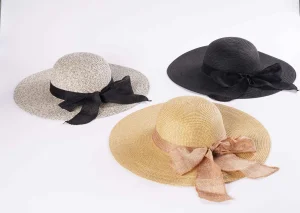
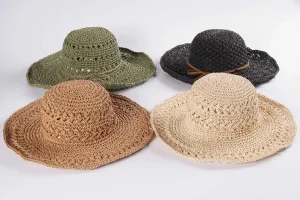
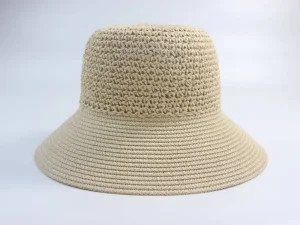
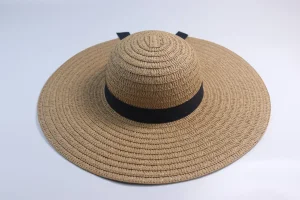
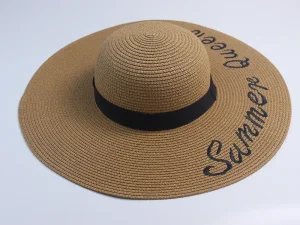
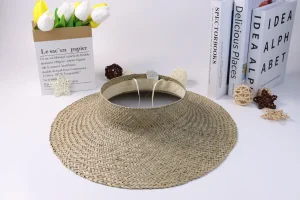
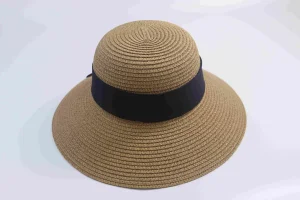
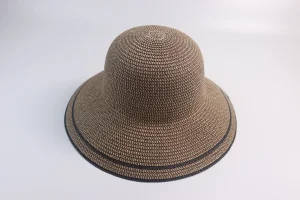
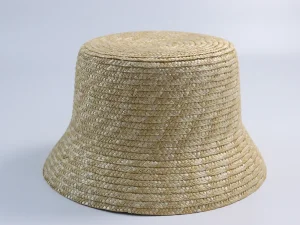
Every silhouette below can be produced in raffia, paper straw, natural grass straw, or wool felt with custom bands, trims, labels, and colorways to match your brand.
Future Outlook
Five Forces Reshaping Wool Floppy Hat Sourcing by 2030
Buyers planning three-to-five-year programs should design around these structural shifts — not simply react to each season's trend cycle.
Circular Wool
Recycled and regenerated wool will move from pilot to core SKU as Western retailers formalize sustainability scorecards.
Digital Product Passports
QR-linked traceability across fiber-to-shelf, especially for EU-facing programs, will become an embedded manufacturing step.
Small-Batch, High-Frequency
Buyers want more colorways in smaller runs — favoring suppliers with 50–100 pcs MOQ flexibility and rapid sampling.
Multi-Season Versatility
Hybrid silhouettes — wool top, breathable woven brim, packable shaping — will cross categories and expand calendar coverage.
Design-Led Differentiation
Accessory buyers are choosing editorial quality over commodity fill — favoring partners who can develop styles from a mood board, not only replicate a sample.
Nearshoring Complements
China remains volume anchor, but hybrid programs may pair it with regional finishing partners for last-mile speed. Suppliers with flexible logistics win.
Buyer FAQ
Questions Sourcing Managers Ask Us Most
Straight answers on MOQ, customization, shipping, and service coverage. Our team responds and acts within 8 hours.
What is the minimum order quantity for custom wool floppy hats?
Our starting quantity for small orders is 50 to 100 pieces per design, depending on material and craftsmanship. Wool felt programs are priced by fiber composition and blocking complexity, and this MOQ lets boutiques, emerging brands, and importers test new styles before scaling up.
Can you produce private-label wool hats with our logo?
Yes. OEM and ODM production is our core business. We customize shape, material, color, size, and hat bands, and can add branding elements such as woven labels, patches, and hang tags. Our in-house designers can develop new styles from your mood board or reference samples.
Where is your factory located, and how are orders shipped?
We are located in Linyi City, Shandong Province, China, close to Qingdao Port. Bulk orders are typically shipped as FCL or LCL sea freight, while samples and urgent small orders can go by air or express courier.
Which markets do you export hats to?
Most of our products go to the United States, Canada, Australia, Mexico, Western Europe, and Japan. We serve customers in more than 60 countries and work with over 25 global distributors.
How fast will your team respond to my sourcing request?
We respond and take action within 8 hours — covering product questions, sampling, order follow-up, and after-sales service.
What do you make besides wool floppy hats?
Alongside wool floppy hats and straw hats, we manufacture paper hats, straw bags, paper bags, children's straw hats, toy hats, lifeguard hats, sun visors, winter hats, and other bags.
How do you handle color consistency on reorders of wool hats?
We batch dye per program and record lot numbers so reorders stay within tolerance. For high-repeat programs we keep a reference swatch on file and check each production run against it before blocking and finishing.
Start Your Program
Let's Build Your Next Wool Floppy Hat Collection
Send us your style references, target quantity, and destination market. Our team responds within 8 hours with material suggestions, a sampling plan, and a production timeline.