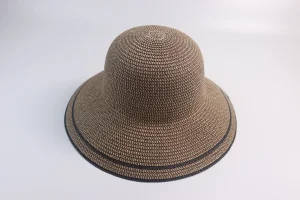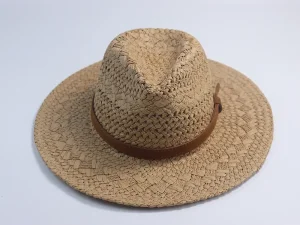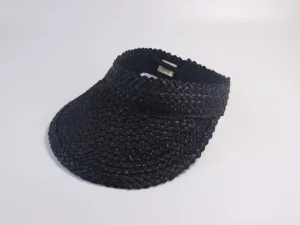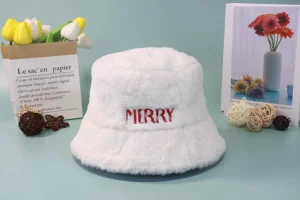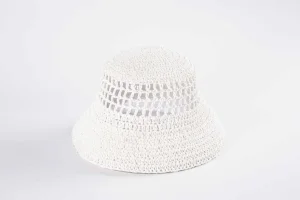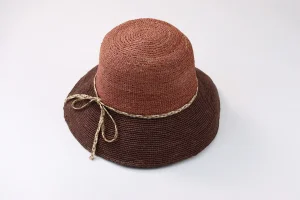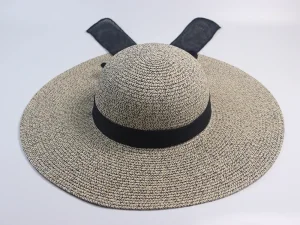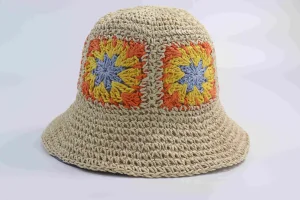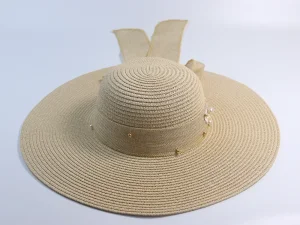
Signature Range
Beach & Straw Programs Buyers Reorder Every Season
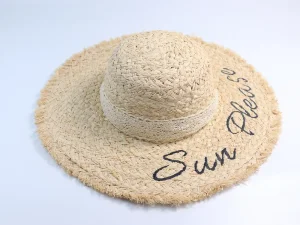
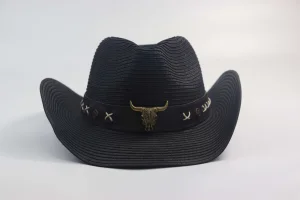
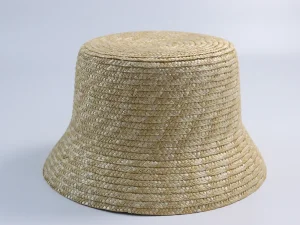
Every silhouette below is produced in-house at our Linyi facility — from raffia and paper straw to natural grass — with custom trims, labels and colorways available for private-label launch.
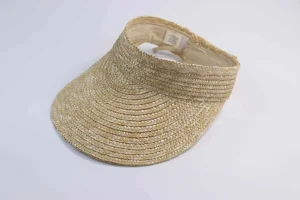
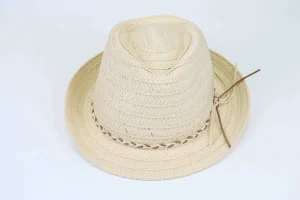
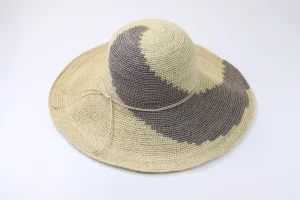
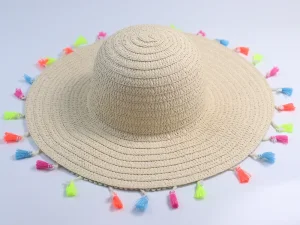
Executive Overview
Why "China Top Straw Beach Bag" Is a Search Intent Signal, Not Just a Keyword
Buyers typing "China top straw beach bag manufacturer & supplier" are not browsing — they are running a commercial-investigation query with a supplier-selection intent. Our response, therefore, is not a landing page but a technical briefing: raw-material provenance, tooling capability, compliance documentation, logistics lead-time modelling and post-order service SLAs.
Shandong Lige Import & Export Co., Ltd. ("Lige Hats") has manufactured straw hats, paper hats, straw bags and paper bags for over 15 years from Linyi City, Shandong Province — within easy reach of Qingdao Port, one of China's major container gateways. We serve importers, wholesalers, brand owners and retailers across the United States, Canada, Australia, Mexico, Western Europe and Japan, work with 25+ global distributors, and export to 60+ countries.
Our professional designers, efficient sales team, competitive factory pricing and dependable quality are structured around one objective: to be your one-stop woven accessory supplier for hats, beach bags, paper bags and seasonal carry collections.
15+ Years
Dedicated straw hat, straw bag and paper bag manufacturing specialization.
8-Hour SLA
Response and action on every RFQ, sampling request and after-sales case.
MOQ 50–100
Per design, depending on material and craftsmanship — test before scaling.
60+ Markets
North America, ANZ, Mexico, Western Europe and Japan distribution coverage.
0+Years Manufacturing
0+Global Distributors
0+Countries Served
0 yrsProduction Manager Experience
Material Science Briefing
Woven Fiber Engineering: Choosing the Right Substrate for Bags & Hats
The fiber determines hand-feel, shape retention, price architecture and shipping survivability. This is the decision matrix our product team walks buyers through before sampling — the single highest-leverage choice in a beach bag program.
Raffia
Natural palm-leaf fiber, traditionally sourced from Madagascar. Natural resins deliver softness, flexibility and exceptional dye receptivity — ideal for packable beach bags and saturated colorways.
Paper Straw
Twisted paper yarn braided into a lightweight, uniform fabric. Clean color consistency and competitive unit cost for volume retail and promotional programs.
Natural Grass Straw
Braided natural stems with inherent stiffness, producing crisp structured silhouettes and an authentic artisanal hand that supports premium price points.
Fabric & Knit
Cotton, polyester and knitted constructions extend assortments beyond summer into children's, toy and cold-weather categories from a single supplier.
China Factory 4.0
Supply-Chain Resilience & Efficiency Inside the Linyi Workshop
"Factory 4.0" in labor-intensive woven goods does not mean full automation — it means digitized order flow, standardized SOPs, in-line QC checkpoints and a vertically integrated material pipeline that removes middlemen from the critical path.
Vertical Integration
Raw-material sorting, weaving, blocking, finishing and final inspection all run under one roof — stable quality and pricing without trading-company margins.
In-Line QC Checkpoints
Shape, stitching, sizing and trim checks are embedded at multiple stages, backed by a QC manager with 15 years of woven-headwear experience.
Qingdao Port Proximity
Short inland drayage to one of China's major container gateways reduces transit risk and supports both FCL and LCL export configurations.
Season-Load Smoothing
Pre-season material reservation and staggered production slots keep lead times predictable during Q1–Q2 beachwear peak demand.
Dedicated Sample Room
New shapes and colorways are prototyped in-house, cutting iteration cycles and reducing the cost of design exploration for buyers.
Documentation Readiness
Commercial invoices, packing lists, HS classification support and inspection-ready carton labeling prepared in advance of vessel cut-off.
Global Enterprise Procurement
What Global Buyers Actually Need from a China Beach Bag Supplier
Across RFQs from North American importers, European brand owners and ANZ retail groups, the same five procurement requirements surface repeatedly. Our program architecture is built to satisfy each one before the first sample ships.
- Low-risk entry quantities. 50–100 pcs per design lets boutiques, emerging brands and importers test new styles before committing to volume.
- Private-label depth. Custom shape, material, color, size and hat band plus woven labels, patches and hang tags; designers can develop new styles from mood boards or reference samples.
- Predictable logistics. FCL or LCL sea freight via nearby Qingdao Port for bulk; air or express courier for samples and urgent small orders.
- Documented responsiveness. 8-hour response and action covering product questions, sampling, order follow-up and after-sales service.
- Category breadth. Straw hats, paper hats, straw bags, paper bags, children's straw hats, toy hats, lifeguard hats, sun visors, winter hats and other bags from one supplier.
Six-Step OEM / ODM Workflow
A Transparent Path from Brief to Container
01
Share Your Brief
Style, material, size, color, branding and target quantity.
02
Design & Sampling
Our designers recommend materials and develop samples.
03
Approval
Confirm samples, labels, packaging and delivery schedule.
04
Production
Material sorting, weaving, blocking and finishing in-house.
05
Quality Inspection
Final inspection of shape, stitching, size and trims.
06
Export Shipping
FCL or LCL sea freight via nearby Qingdao Port.
Macro Industry Solutions
Category-Level Programs Beyond Single-SKU Buying
Mature buyers no longer purchase individual SKUs — they commission category architectures: coherent, seasonally sequenced collections with aligned material stories, packaging systems and replenishment cadence. These are the macro solutions we co-develop with retail partners.
Resort & Cruise Collections
Coordinated hat-plus-bag sets in matched raffia and straw, packaged for boutique display — a single brief producing a merchandised capsule rather than scattered items.
Private-Label Brand Programs
Design development from mood board to tech pack, with woven labels, patches, hang tags and branded packaging consolidated under one production schedule.
Sustainable Seasonal Lines
Natural raffia and grass programs positioned for eco-conscious assortment planning, supported by material traceability narratives and artisan-craft storytelling.
Family & Kids Sets
Children's straw hats and beach handbag-and-hat sets sized for family retail — extending a summer program across multiple consumer segments.
Promotional & Event Volumes
Competitive paper-straw and visor programs with clean color consistency, suited to high-volume promotional campaigns, resort gifting and event merchandising.
Year-Round Assortment Continuity
Fabric, knit and visor lines fill the off-season gap, letting partners consolidate straw, winter and children's categories with a single supplier.
Technology Roadmap
Technical Route Map & Future Outlook for Woven Carry Goods
Where is the straw beach bag category heading over the next three to five years? Our product and production teams track four converging vectors — and we are already building capability against each one.
Vector 1 — Material Traceability
Buyers increasingly demand fiber-origin storytelling. We are standardizing documentation across raffia and natural grass lines so material provenance can be presented to end consumers without disrupting production flow.
Vector 2 — Digital Tech Packs
Specification transfer is moving from email threads and photos to structured digital tech packs, reducing sampling rounds, cutting interpretation error and shortening the brief-to-approval cycle.
Vector 3 — Low-Impact Finishing
Finishing chemistry and dye processes are being reviewed against tightening EU and North American requirements, with an emphasis on lower-impact options that preserve raffia's natural resin character.
Vector 4 — Compliance-by-Design
Rather than retrofitting compliance, new programs are drafted with labeling, fiber-content and destination-market requirements built into the specification from the first sample.
Localization & Compliance Assurance
Destination-Market Readiness, Built into the Spec
Every export market applies its own labeling conventions, fiber-naming rules, sizing expectations and packaging preferences. Treating these as afterthoughts is the most common cause of retail rejection. We localize at the specification stage — not the shipping stage.
Our planning documentation helps partners align on US, Canadian, Australian, Mexican, Western European and Japanese market conventions for care labeling, fiber content disclosure, size grading and carton marking. Where a program requires test reports or conformity documentation, these are scheduled into the production timeline rather than requested post-production.
- Labeling localization — language, care instructions and fiber naming per destination market.
- Size grading alignment — head circumference and bag dimension conventions matched to regional retail norms.
- Packaging configuration — polybag, hangtag and carton specification adapted to buyer warehouse requirements.
- Documentation sequencing — compliance checks scheduled before vessel cut-off to protect delivery dates.
Care Labeling
Material-appropriate care guidance — critical for paper straw, which softens when soaked.
Fiber Disclosure
Accurate fiber-content statements aligned with destination-market naming conventions.
Carton & Marking
Inspection-ready carton labeling and packing lists prepared before production completion.
Pre-Shipment QC
Final shape, stitching, size and trim inspection documented prior to export loading.
Experience · Expertise · Authoritativeness · Trust
The Team Behind the Woven Program
Authority in woven headwear and bags is earned on the production floor, not in marketing copy. Our organizational experience is concentrated and measurable.
20 Years
Production manager experience across woven headwear and bag categories.
15 Years
QC manager experience governing shape, stitching and sizing tolerances.
5+ Years
Average team experience across design, sales and export coordination.
Linyi, Shandong
Manufacturing base within easy reach of Qingdao Port for container export.
Buyer FAQ
Questions Beach Bag Buyers Ask Us Most
Direct answers on order quantity, private label, logistics, market coverage and service response. Need more detail? Our team replies within 8 hours.
What is the minimum order quantity for custom straw beach bags and hats?
Our starting quantity for small orders is 50 to 100 pieces per design, depending on the material and craftsmanship. This allows boutiques, emerging brands and importers to test new styles before scaling up.
Can Lige produce private-label bags and hats with our own logo?
Yes. OEM and ODM production is our core business. We customize the shape, material, color, size and hat band, and add branding elements such as woven labels, patches and hang tags. Our in-house designers can also develop new styles from your mood board or reference samples.
Where is your factory located and how are orders shipped?
We are located in Linyi City, Shandong Province, China, close to Qingdao Port. Bulk orders are typically exported by sea freight as FCL or LCL shipments, while samples and urgent small orders can be sent by air or express courier.
Which markets do you export straw bags and hats to?
Most of our products are exported to the United States, Canada, Australia, Mexico, Western Europe and Japan. We serve customers in more than 60 countries and work with over 25 global distributors.
How quickly does your team respond to buyer requests?
We respond and take action within 8 hours, covering product questions, sampling, order follow-up and after-sales service.
What products do you manufacture besides straw hats?
In addition to straw hats, we manufacture paper hats, straw bags, paper bags, children's straw hats, toy hats, lifeguard hats, sun visors, winter hats and other bags.
Build Your Next Beach Bag & Straw Program
Send style references, target quantity and destination market. Our team replies within 8 hours with material recommendations, a sampling plan and a production timeline.
Explore More Styles
Additional Straw & Beach Bag Programs from the Factory
Complete the range with panama, boater, visor and wide-brim silhouettes — all customizable in material, band, trim and colorway.