
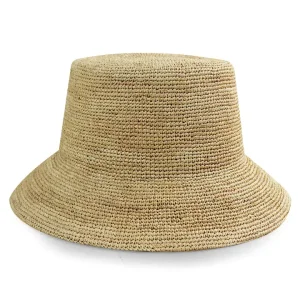
Featured Assortment
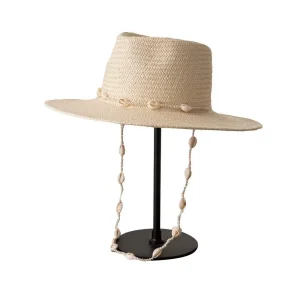
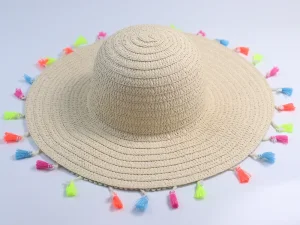
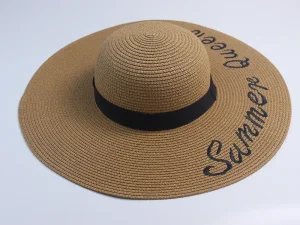
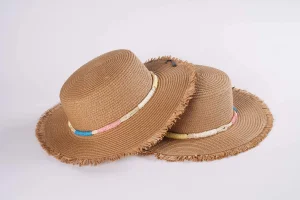
Best-Selling Straw Hat Shapes & Sets for Wholesale Buyers
Hover any card to preview. Each style can be produced in the fiber, colourway and branding that matches your retail line.
Global Sourcing Context
Why Colorful Straw Bags Became a Strategic Procurement Category
Over the last five buying cycles, the colourful straw bag has shifted from a seasonal novelty to a core accessory line for resort wear, beach lifestyle, retail gifting and private-label fashion brands. Buyers now ask for the same things they demand of hard goods: predictable colour consistency, fibre provenance, verifiable UV and dye performance, replenishment capability and a documented quality process. That shift is exactly why exporters are being evaluated less on catalogue breadth and more on manufacturing depth and information transparency.
As a straw hat and straw bag manufacturer based in Linyi, Shandong, with more than 15 years in this category, Shandong Lige Import & Export Co., Ltd. sits at the point where the raw material supply chain, weaving skill and export logistics meet. Our buyers are importers, wholesalers and brand owners in the United States, Canada, Australia, Mexico, Western Europe and Japan — markets with very different compliance expectations, but the same underlying requirement: a supplier who can be trusted with a full seasonal program.
This guide is written for procurement teams, product developers and sourcing managers who need more than a product list. It explains how the category is actually structured, what global demand looks like, where the technical risks sit, and how to build a repeatable straw bag and straw hat program without inheriting hidden cost or compliance exposure.
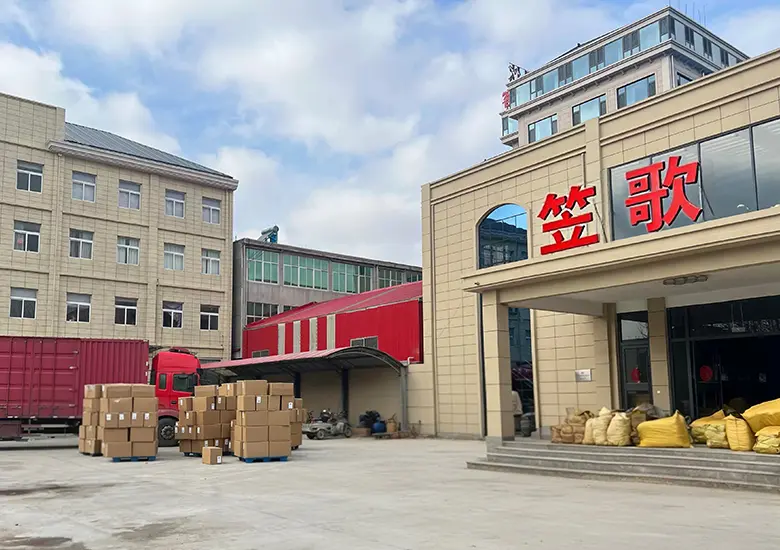
Factory Snapshot
- Location: Linyi City, Shandong, China — close to Qingdao Port for FCL and LCL export.
- Category focus: Straw hats, paper hats, straw bags, paper bags, sun visors and winter hats.
- Team depth: Production manager with 20 years, QC manager with 15 years, team averaging 5+ years.
- Launch threshold: 50–100 pcs per design for small orders and new styles.
- Service standard: Response and action within 8 hours.
15+Years Manufacturing
25+Global Distributors
60+Countries Served
50–100pcs Per Design MOQ
Demand Analysis
What Global Buyers Actually Need From Best Colorful Straw Bag Exporters
Procurement behaviour differs by region, but the underlying drivers are consistent. The following patterns reflect the briefs our sales and design teams receive across more than 60 destination countries.
Trend-Led Programmability
US and Canadian buyers run tight seasonal drops. They want multiple colourways per shape, fast sampling, low launch quantities and a reliable replenishment path once a SKU sells through.
Material Transparency
EU importers increasingly require fibre origin documentation, dye and finish declarations, and evidence of restricted-substance controls — especially for natural raffia and dyed paper straw.
UV & Sun Protection
The strongest UPF expectations in the category. Buyers ask for documented UPF claims, brim coverage measurements and packability that survives long-haul freight.
Finishing Precision
Stitch density, trim alignment, label placement and colour fastness are inspected at a level that leaves little margin for error. Consistency between production runs matters more than price alone.
Volume & Value Balance
Larger run sizes with competitive FOB pricing, plus a growing appetite for bright, saturated colourways and mixed-size assortments for wholesale markets and tourism retail.
Information Gain
Buyers no longer accept a photo and a price. They want fibre specifications, sampling timelines, QC checkpoints and shipping lead times — the information that de-risks a purchase order.
OEM / ODMFull private-label programs
Low MOQ50–100 pcs per design
Qingdao PortFCL & LCL export
8-Hour ResponseSales & after-sales
In-House QCChecked before packing
Macro Industry Solutions
Supply-Chain Solutions That Remove Risk From Seasonal Programs
Whether you are a boutique ordering 100 pieces or a distributor planning several containers, the same four structural problems decide whether a straw bag program succeeds or stalls.
Inventory Exposure
Low launch quantities per design let you validate colour and shape demand before committing to a full seasonal buy. Winners scale; slow SKUs never become dead stock.
Colour Consistency
Dyed raffia and paper straw batches are verified against an approved colour standard before weaving, so a reorder matches the original shipment instead of drifting.
Compliance Readiness
Material declarations, dye records and finish documentation are prepared to support your destination-market requirements before goods leave the factory.
Freight Predictability
Proximity to Qingdao Port supports consolidated LCL programs for small buyers and full container loads for distributors, with transparent lead times from order confirmation.
Buyer's Material Guide
Fibre Selection: The Single Decision That Defines Cost, Feel and Longevity
Colourful straw bags and hats are only as good as the fibre beneath the finish. Our product team advises buyers on this trade-off before a single sample is made.
Raffia
A natural palm-leaf fibre traditionally sourced from Madagascar. Its natural resins make it soft, flexible and highly dye-receptive — ideal for bold colourways and packable shapes.
Colour vibrancy: very high
Paper Straw
Twisted paper yarn woven into a lightweight, uniform fabric. Delivers clean, repeatable colours and competitive unit cost for volume programs and promotional retail.
Colour consistency: excellent
Natural Grass Straw
Braided natural stems with inherent stiffness, producing crisp structured silhouettes and an authentic artisanal appearance that supports premium price points.
Shape retention: strong
Fabric & Knit
Cotton, polyester and knitted constructions extend assortments beyond summer and into children's and cold-weather categories, supporting a year-round supplier relationship.
Seasonal range: widest
Technology Roadmap
From Raw Fibre to Exported Carton: A Practical Manufacturing Roadmap
A repeatable production route is what makes a colourful straw bag program reliable quarter after quarter. This is the sequence we run for OEM and ODM orders.
Brief & Fibre Selection
Style, material, size, colour standard, branding and target quantity are agreed. Our designers recommend raffia, paper straw or natural grass based on the intended price point and use case.
Dye & Colour Approval
Colour standards are prepared and checked before weaving begins. This is the checkpoint that prevents batch-to-batch drift on bright and saturated colourways.
Weaving & Blocking
In-house weaving, blocking and shaping give control over tension, brim geometry and body structure — the variables that most often cause buyer rejections.
Finishing & Inspection
Bands, trims, labels and hardware are applied, then final QC inspects shape, stitching, sizing and packaging before export packing and shipment through Qingdao Port.
Looking further ahead, the category is moving toward traceable natural fibres, digitally approved colour standards, and greater use of recycled paper yarn. Buyers who begin documenting fibre provenance and finish specifications now will be positioned to meet those expectations without re-specifying entire ranges later.
Why Choose Lige
Your Customization Partner for Colorful Straw Bags & Hats
Four operational reasons importers and brand owners keep their seasonal programs with our factory.
Low MOQ, 50–100 pcs
Test a new colour or silhouette without overstock risk, then scale the winners into container volumes.
Experienced Team
A production manager with 20 years, a QC manager with 15 years and a design team averaging 5+ years — experience that shows up in weave consistency.
Direct Factory Control
Sorting, weaving, blocking, finishing and inspection under one roof: stable quality and pricing without middleman margins.
8-Hour Response
From sampling questions to after-sales follow-up, one dedicated contact responds and acts within eight hours.
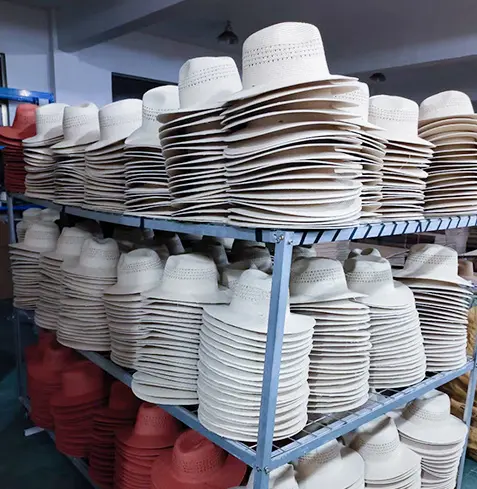
Documentation Support
- Material and fibre declarations for natural and paper straw.
- Dye and finish records aligned to your specification sheet.
- Packing lists, carton marks and export paperwork support.
- Sample approval and golden-sample retention for reorders.
Localization & Compliance
Localized Support and Compliance Assurance for Importers
Working with an overseas factory fails most often not at production, but at the edges: unclear specifications, missing documents, or a language gap that turns a small query into a delayed shipment. We close those gaps deliberately.
Language and communication. English-language sales and documentation support throughout the order cycle, with a single dedicated contact who owns your account rather than routing you through a general inbox.
Specification control. Approved samples and colour standards are retained as golden references, so a reorder six months later is measured against the original approved goods rather than a verbal description.
Destination alignment. For EU buyers we support fibre origin information and restricted-substance declarations; for Australian buyers we provide UPF-related information for sun-protection lines; for North American buyers we align labelling and packaging to your retail requirements.
Logistics reality. Bulk orders ship via nearby Qingdao Port as FCL or LCL, while samples and urgent small quantities move by air or express courier. Lead times are quoted from order confirmation, with defined sampling and production windows.
Global Industry Status
The Category Today: Consolidation, Sustainability and Speed
Three forces are reshaping how colorful straw bags and hats are bought and supplied.
Supplier Consolidation
Buyers are reducing the number of suppliers per category and asking single partners to cover hats, bags and accessories together — which is precisely why our range extends beyond straw hats into straw bags, paper bags, visors and winter hats.
Natural-Material Preference
Consumers are actively choosing plant-based and artisanal materials. Raffia and natural grass straw benefit from that shift, provided suppliers can document origin and processing honestly.
Compressed Lead Times
Retail calendars keep tightening. Factories that control sampling, weaving and finishing in-house can compress the critical path instead of waiting on outsourced stages.
Buyer FAQ
Questions Straw Bag & Hat Buyers Ask Us Most
Straight answers on quantity, customization, shipping, markets and service.
What is the minimum order quantity for custom straw bags and hats?
Our starting quantity for small orders is 50 to 100 pieces per design, depending on the material and craftsmanship involved. This allows boutiques, emerging brands and importers to test new styles before scaling up.
Can Lige produce private-label straw bags with our own logo?
Yes. OEM and ODM production is our core business. We customize shape, material, colour, size and trims, and add branding such as woven labels, patches and hang tags. Our designers can also develop new styles from your mood board or reference samples.
Where is the factory and how are orders shipped?
We are located in Linyi City, Shandong Province, China, close to Qingdao Port. Bulk orders are typically exported by sea freight as FCL or LCL shipments, while samples and urgent small orders can be sent by air or express courier.
Which markets do you export colorful straw bags to?
Most of our products are exported to the United States, Canada, Australia, Mexico, Western Europe and Japan. We serve customers in more than 60 countries and work with over 25 global distributors.
How quickly does your team respond to buyer requests?
We respond and take action within 8 hours, covering product questions, sampling, order follow-up and after-sales service.
What products do you manufacture besides straw bags?
Alongside straw bags, we manufacture straw hats, paper hats, paper bags, children's straw hats, toy hats, lifeguard hats, sun visors, winter hats and other bags.
Can you match a specific colourway across a reorder?
Yes. Approved colour standards and golden samples are retained after the first order, and dyed fibre is checked against them before weaving — which is what keeps reorders visually consistent with the original shipment.
Extended Range
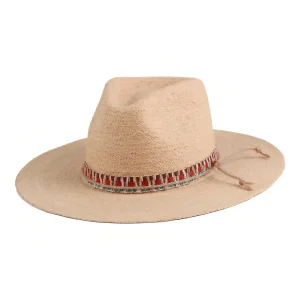
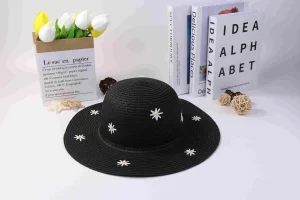
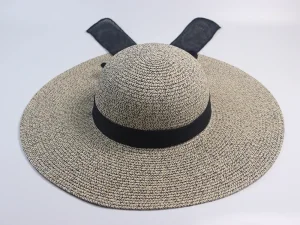
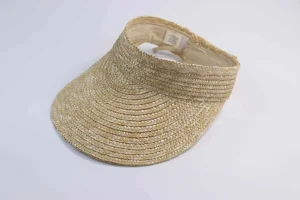
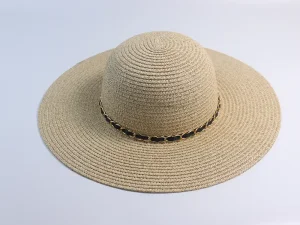
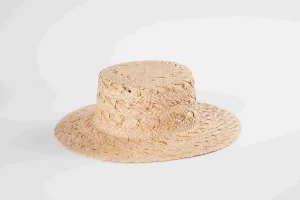
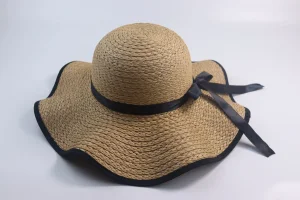
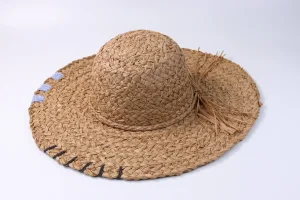
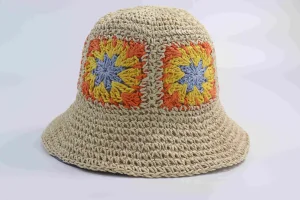
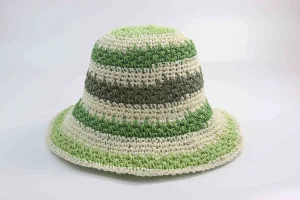
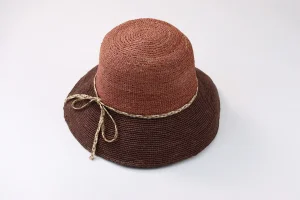
More Wholesale Straw Hat Styles From Our Factory
Visors, bucket hats, cowboy shapes and occasion hats — all available for OEM and ODM production.
Future Outlook
What the Next Buying Cycles Will Reward
Verifiable Provenance
Expect fibre origin and processing documentation to move from "nice to have" to a line item in supplier scorecards for European and Australian buyers.
Colour-Range Depth
Bright, saturated colourways remain the differentiator in resort and beach retail, which places a premium on dye consistency and rapid colourway extension.
Supplier Depth, Not Breadth
Buyers will keep rewarding factories that can hold performance across long runs, match reorders, and answer technical questions clearly and quickly.
Let's Build Your Next Colorful Straw Bag & Hat Collection
Send your style references, target quantity and destination market. Our team replies within 8 hours with material suggestions, a sampling plan and a production timeline.