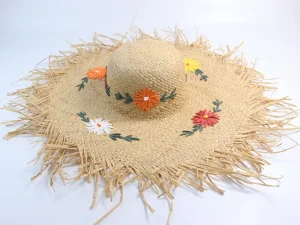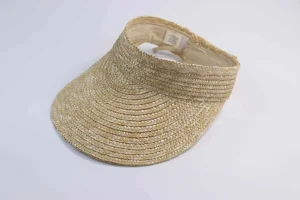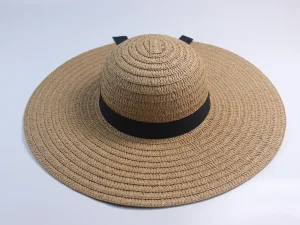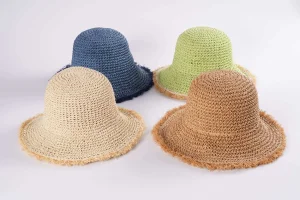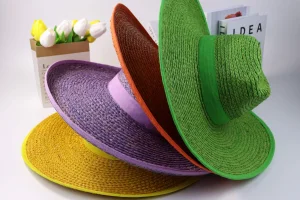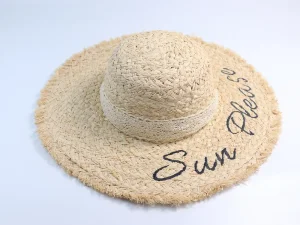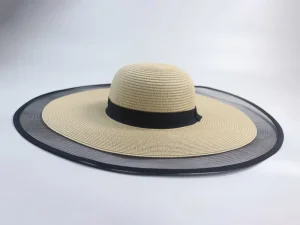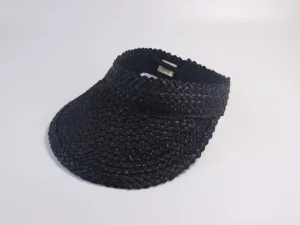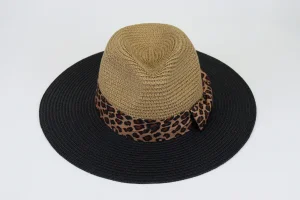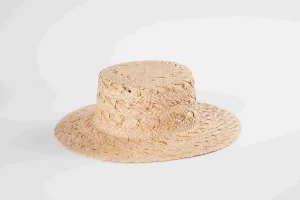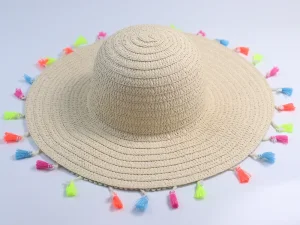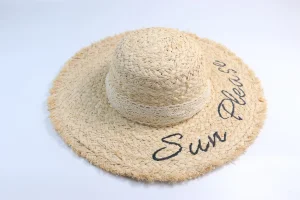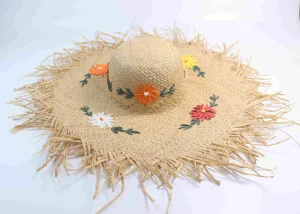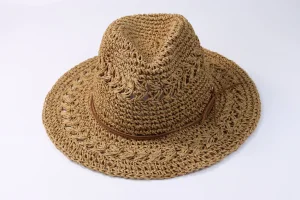
Factory-direct pricing, low MOQ, and full customization for importers and brand owners worldwide.
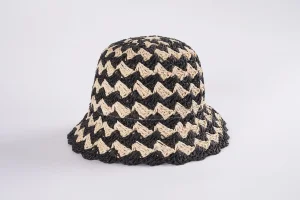
Beyond rodeo culture, the cowboy hat has evolved into a global fashion and utility accessory. Here is the current state of the supply chain.
China remains the dominant manufacturing hub for straw and paper cowboy hats, with Shandong, Zhejiang, and Guangdong provinces accounting for the majority of global exports. Linyi, near Qingdao Port, has emerged as a specialized cluster for woven headwear.
Post-pandemic, western wear has surged in North America and Australia, while European and Japanese markets show growing interest in sustainable, artisan-style straw cowboy hats. The UNESCO recognition of Ecuadorian Panama hat weaving has further elevated consumer appreciation for handcrafted headwear.
Raffia, paper straw, and natural grass remain the core fibers, but suppliers are increasingly blending them with recycled synthetics and organic cotton for moisture management and shape memory. The shift toward eco-certified materials is a key differentiator for premium buyers.
Five macro trends are redefining how brands source and market western headwear in 2025 and beyond.
Buyers now demand traceable raffia and paper straw, water-based dyes, and biodegradable packaging. Factories that can document their fiber chain—from Madagascar palm to finished hat—win premium contracts.
Brands are moving away from one-size-fits-all. Custom brim shapes, laser-engraved leather bands, and monogrammed sweatbands are now feasible at 50–100 unit MOQs thanks to modular production lines.
While the American Southwest and Australia remain core markets, cowboy hats are finding new life in Japanese festival fashion, European boutique resort wear, and Middle Eastern sun-protection segments.
Shopify and Instagram have enabled hundreds of micro-brands to launch western hat lines. These buyers prioritize low MOQ, fast sampling, and private-label branding—services now central to factory value propositions.
Leading factories now offer 3D renders of custom hat designs, reducing the sampling cycle from 3–4 weeks to 5–7 days. This accelerates buyer decision-making and lowers development costs.
Rising temperatures are driving demand for breathable, UPF-rated straw cowboy hats. Ventilated crowns, moisture-wicking bands, and lightweight weaves are becoming standard requirements in sun-belt markets.
From hand-weaving to smart manufacturing—a phased view of how the industry is evolving.
Development of hybrid straw fibers with enhanced UV resistance, shape memory, and moisture management. Bio-based coatings replace synthetic lacquers.
Robotic steam-blocking and hydraulic pressing reduce labor variance and increase output consistency. Digital pattern libraries enable rapid style changes.
Modular assembly lines and 3D-knitted crown components allow true made-to-order production at near-mass-production cost.
Closed-loop raffia recovery, biodegradable trims, and take-back programs for worn hats create a fully circular lifecycle by 2030.
Understanding regional demand drivers helps buyers tailor assortments and marketing.
Rodeo, country music festivals, ranch work, and western fashion. Demand favors structured felt and straw hats with cattleman creases and wide brims.
Outback workwear and surf-culture crossover. Breathable raffia and paper straw styles with neck cords are preferred for harsh sun and wind.
Boutique resort wear and festival fashion. Slimmer brims, pastel colorways, and embroidered bands cater to fashion-forward consumers.
Sun-protection and outdoor labor segments. Lightweight, breathable straw hats with full-coverage brims and moisture-wicking sweatbands.
From raw material sourcing to retail-ready packaging—how leading factories streamline the supply chain.
Direct relationships with raffia and paper straw mills in Madagascar, Ecuador, and China reduce lead times and ensure fiber consistency. Contract pricing locks in costs for seasonal programs.
In-house design studios, 3D sampling, and dedicated project managers provide a single point of contact from mood board to container loading. Typical lead time: 25–35 days for repeat orders.
Factories adhere to ISO 9001, BSCI, and Sedex standards. In-line QC at four production stages ensures hat shape, stitch density, band alignment, and size tolerance meet buyer specifications.
Proximity to Qingdao Port enables FCL and LCL consolidation. Factories provide drop-testing, humidity-controlled packing, and container loading supervision for ocean freight.
A quick-reference guide for buyers balancing cost, durability, and aesthetics.
| Fiber Type | Hand Feel | Shape Retention | Cost Index | Best For |
|---|---|---|---|---|
| Raffia | Soft, flexible | Moderate | $$$ | Floppy hats, premium resort lines, straw bags |
| Paper Straw | Uniform, crisp | Good | $$ | Fedoras, Panama-style hats, promotional retail |
| Natural Grass Straw | Stiff, artisanal | Excellent | $$$ | Boater hats, cowboy hats, lifeguard hats |
| Fabric & Knit | Soft, stretchy | Good | $–$$ | Visors, winter hats, children's hats, toy hats |
Direct answers from our production and export teams.
From premium Panama blends to western raffia—every style is customizable.