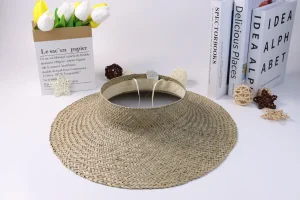
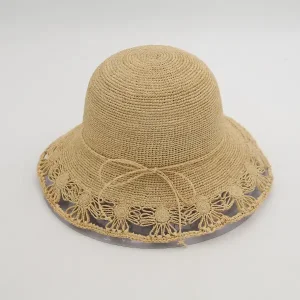
1. Factory vs. Trader Verification
Request production video, machinery lists and raw-material sourcing records. A genuine exporter can show blocking presses, sewing lines and QC benches, not just a showroom.
Every silhouette below is produced in-house and can be adapted to cowhide, raffia, paper straw or woven blends for your private label.
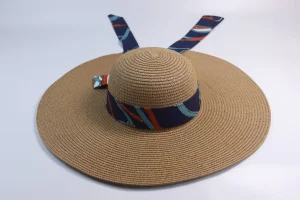
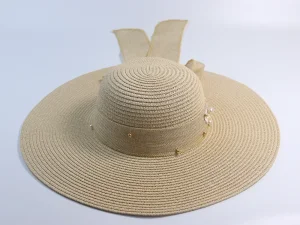
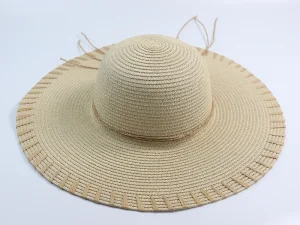
High-Quality Stylish Big Hats for Women - Perfect for Sun Protection! Suppliers, Factories
View Product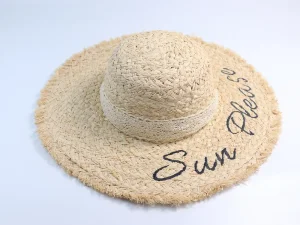
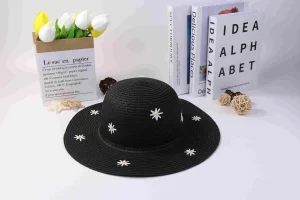
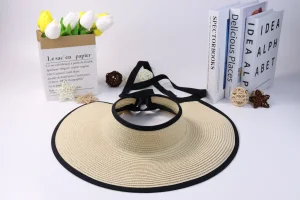
High-Quality Kids' Sun Hats - Lightweight UV Protection for Outdoor Fun Supplier, Factories
View Product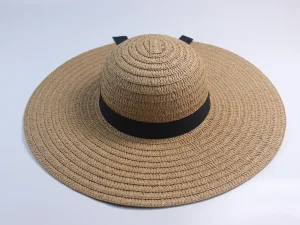
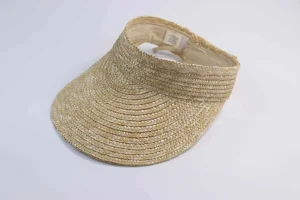
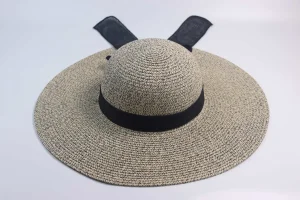
High-Quality Stylish Cowgirl Hat for Western Fashion Lovers Manufacturers, Manufacturer
View Product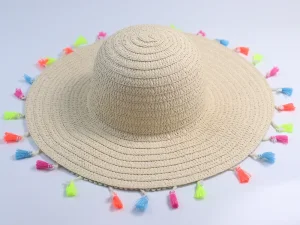
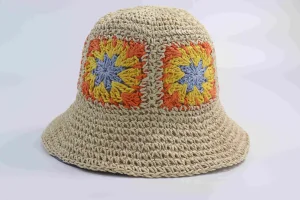
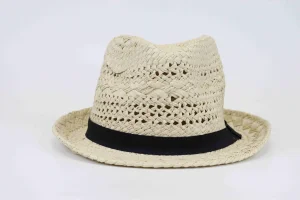
China Trendy Straw Bucket Hat - Perfect for Sun Protection! Supplier, Factories
View ProductGenuine cowhide cowboy hats sit at the intersection of heritage craft and high-margin retail. Unlike straw or wool-felt entries, a cowhide cowboy hat carries a durability narrative, a tanning and traceability story, and a price ceiling that rewards the right manufacturer. For importers, distributors and private-label brands, the competitive question is no longer "who sells the cheapest hat" — it is "who can prove consistent leather quality, verifiable compliance, and resilient delivery across a full season."
Lige Hats, operating as Shandong Lige Import & Export Co., Ltd. in Linyi, Shandong Province for over 15 years, applies the same vertically integrated discipline to leather cowboy programs that built its straw, raffia and paper hat business: raw material sorting, blocking, finishing and final inspection under one roof, then export through nearby Qingdao Port.
Buyers searching for "best cowhide cowboy hat exporters" are expressing a specific commercial intent: they need a supplier who understands leather chemistry, shaping tolerance and cross-border compliance — not just a hat catalog.
A genuine cowhide cowboy hat is constructed from full-grain or top-grain bovine leather that has been chrome- or vegetable-tanned, then blocked, shaped and finished into a western silhouette — typically a cattleman, brick, pinch-front or teardrop crown paired with a wide, upturned brim. The leather's thickness (0.8–1.6 mm is typical), temper (the firmness that determines whether the brim holds shape), and finish (oiled, waxed, suede or smooth) collectively decide whether the hat survives two seasons of rodeo use or falls flat in a warehouse.
For exporters, three performance dimensions matter more than aesthetics:
Information gain for buyers: the value of a cowhide cowboy hat exporter is not measured by unit price alone, but by the total landed cost of a defect-free, on-time, compliance-ready shipment.
A disciplined evaluation framework separates authentic manufacturers from trading intermediaries. Use these six criteria as a scorecard when shortlisting suppliers.
Request production video, machinery lists and raw-material sourcing records. A genuine exporter can show blocking presses, sewing lines and QC benches, not just a showroom.
Ask which tanneries supply the hide, the tanning method, and how dye lots are controlled. Documented answers signal an exporter that understands buyer risk.
Top exporters compress design-to-sample time to 7–14 days. Slow sampling is a leading indicator of slow production.
REACH, CPSIA, Prop 65 and destination-specific labeling must be provided before shipment, not promised after.
Proximity to a major port (Qingdao, Ningbo, Shanghai) directly affects freight cost and recovery speed after disruption.
An 8-hour response commitment, written after-sales policy and a named account manager are hallmarks of a professional export partner.
Leather headwear is entering a phase where digital traceability, automated blocking and low-impact tanning will separate premium exporters from commodity suppliers. This is the roadmap we are building toward.
QR-linked hide origin, tannery ID, tanning method and care instructions embedded into every retail-ready hat and hang tag.
Semi-automated steam-and-press cells for crown shaping, reducing cycle time variance and improving crown-to-crown consistency.
Shift toward vegetable and chrome-free tanning partners, with documented effluent standards and buyer-facing sustainability scorecards.
Computer-vision inspection for stitching density, edge finishing and defect spotting, giving buyers photographic QC evidence before shipment.
Flexible micro-lot lines that produce 50–200 piece runs at near-mass-production cost, enabling true test-and-scale dropship programs.
Cowhide cowboy hats do not exist in isolation. They are part of a multi-category headwear + accessory program that buyers increasingly source from a single partner to unlock freight efficiency and reduce supplier management overhead.
Retail groups, festival merchandisers, holiday resort chains and western-wear distributors all face the same sourcing dilemma: straw hats peak in spring/summer, leather and wool peak in autumn/winter, and accessory categories (bags, visors, kids' sets) span both. Managing 4–6 separate suppliers creates freight fragmentation, inconsistent QC standards and duplicated compliance work.
The macro solution is a consolidated seasonal program from one vertical manufacturer. Lige Hats already produces across the following categories, which can be combined with cowhide styles into single shipment plans:
Western cowboy and cowgirl silhouettes in genuine hide, oiled and waxed finishes.
Panama, floppy, boater and bucket programs for spring/summer seasons.
Coordinate a hat-and-bag story that lifts average order value at retail.
Matching kids' categories to capture family and gift retail demand.
Year-round continuation styles that absorb freight minimums.
Consolidating cowhide hats, straw hats and bags with one manufacturer reduces supplier audits, harmonizes QC standards and typically improves container utilization by 10–20%. That is the macro solution: fewer suppliers, deeper transparency, better landed cost.
Exporting leather headwear is a compliance exercise as much as a craftsmanship one. Different markets demand different documentation, labeling and packaging standards.
| Market | Key Requirement | What the Exporter Must Provide |
|---|---|---|
| European Union | REACH chemical restriction, leather labeling | Restricted-substance declaration, material composition label, tanned-hide origin note |
| United States | CPSIA, Prop 65 | Children's item testing where applicable, Prop 65 warning if relevant, general conformity checklist |
| United Kingdom | UKCA-marked items where applicable, labeling | Destination-compliant labels, post-Brexit customs documentation |
| Japan | Household Goods Quality Labeling Act | Japanese-language fiber and care labels for applicable components |
| Australia & Canada | Consumer safety and fiber labeling | Accurate fiber content, country of origin, care instructions |
| Mexico & LATAM | Customs nomenclature and labeling | Spanish labeling, correct HS classification, certificates as requested |
Retail-ready polybags, hang tags, size stickers and carton markings aligned to each destination market's conventions.
Commercial invoice, packing list, HS codes, certificates of origin and test reports coordinated before vessel departure.
English-first communications with regional support across major buyer markets, including size conversion guidance.
The phrase "Factory 4.0" is often overused. For cowhide cowboy hat production, it translates into four concrete buyer benefits.
Leather headwear is not electronics, but the resilience principles are identical: reduce single points of failure, digitize every handoff, and compress signal time between buyer and production floor. Lige Hats operates from Linyi, Shandong — a location that combines manufacturing depth, port proximity and supplier density.
Raw-material sorting, blocking, finishing and inspection inside one facility, reducing lead-time variance from multi-supplier handoffs.
Qualified backup tanneries and trim suppliers maintain production continuity during regional disruption.
Buyer requests acknowledged within 8 hours, feeding directly into production planning and issue resolution.
Short inland transit to one of China's largest container ports, supporting both FCL and LCL shipments.
Enterprise buyers — retail groups, festival operators, western-wear chains and resort brands — describe their requirements in surprisingly consistent terms. These are the five recurring demand patterns we see across active RFQs.
100-piece trials that can grow to 5,000-unit programs without renegotiating pricing, packaging or lead times.
Woven labels, embossed leather patches, custom bands and hang tags applied at factory, not after arrival.
Extended ranges that carry a brand from spring straw programs into autumn leather and winter headwear.
Written QC checklists, photographic evidence and batch traceability that satisfy internal buyer audits.
Quoted production windows that hold under seasonal pressure, with proactive delay communication if risks emerge.
Mixed containers combining cowhide, straw and bag lines to lift carton utilization and reduce per-unit freight.
A transparent six-step process that keeps every buyer informed from first brief to container loading.
Style, leather type, size range, colorways, branding and target quantity.
Our in-house designers recommend materials and develop samples for evaluation.
Confirm samples, labels, packaging specification and delivery schedule.
Hide sorting, cutting, blocking, shaping, stitching and finishing in-house.
Final inspection for shape, stitching, sizing, trims and packaging integrity.
FCL or LCL sea freight via nearby Qingdao Port, with documentation pack.
The fiber or leather you choose determines hand-feel, shape retention, price point and how well the hat survives ocean freight. This is how our product team advises buyers before sampling.
The strongest, most durable hide tier. Natural surface preserved. Ages into a patina that premium western buyers actively seek.
Lightly sanded surface for uniformity, then finished. Smoother appearance with slightly reduced natural variation.
Natural palm-leaf fiber. Soft, flexible and highly dye-receptive, so brims can be packed and recover shape.
Twisted paper yarn for consistent color and cost efficiency; braided natural grass for crisp, structured silhouettes.
Direct answers to the questions we receive most often from importers, distributors and private-label brands.
Combine any of these styles with cowhide cowboy hats to build a consolidated seasonal shipment.
Send us your style references, target quantity and destination market. Our team replies within 8 hours with material suggestions, a sampling plan and a production timeline.
Shandong Lige Import & Export Co., Ltd. · Linyi City, Shandong Province, China