
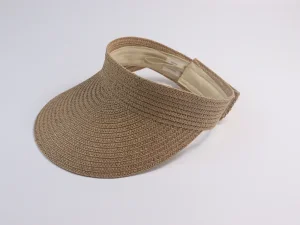
Featured Collection
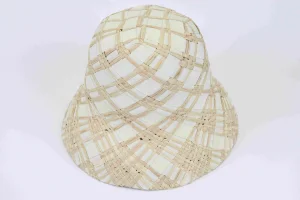
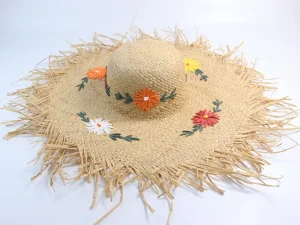
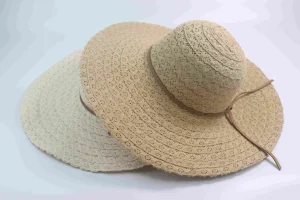
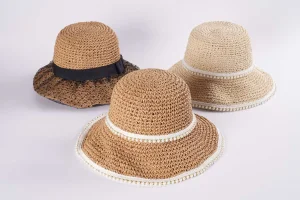
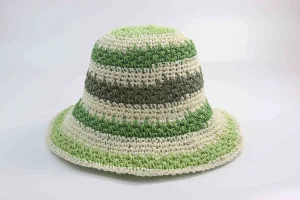
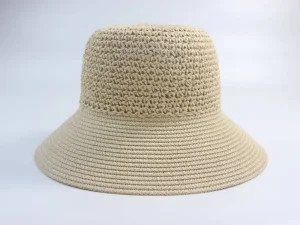
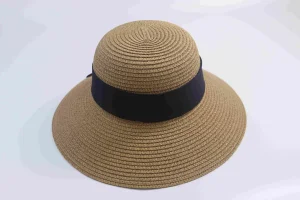
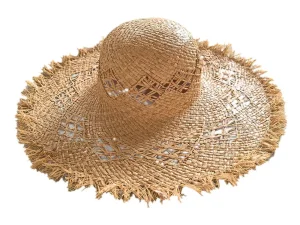
Best-Selling Straw Bag & Straw Hat Styles
Sourcing highlights from our 2020 proven lineup — each silhouette has been reordered season after season by global buyers.
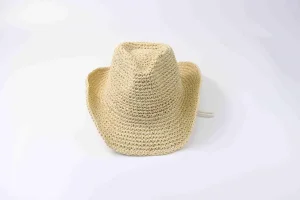
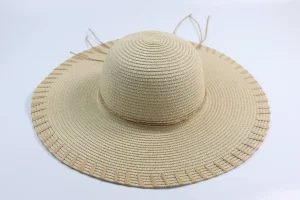
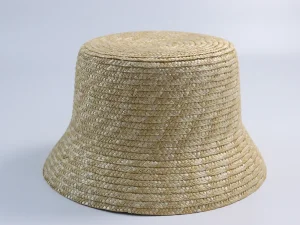
Industry Overview
Why Straw Bags 2020 Still Define Sustainable Sourcing
Before "eco-friendly" became a mainstream retail keyword, 2020 marked the inflection point where straw bags and woven raffia accessories shifted from seasonal novelties into a year-round category for global brands. Buyers began asking manufacturers for natural fiber traceability, UPC/GTIN-ready labeling, and factory-direct scalability in the same conversation.
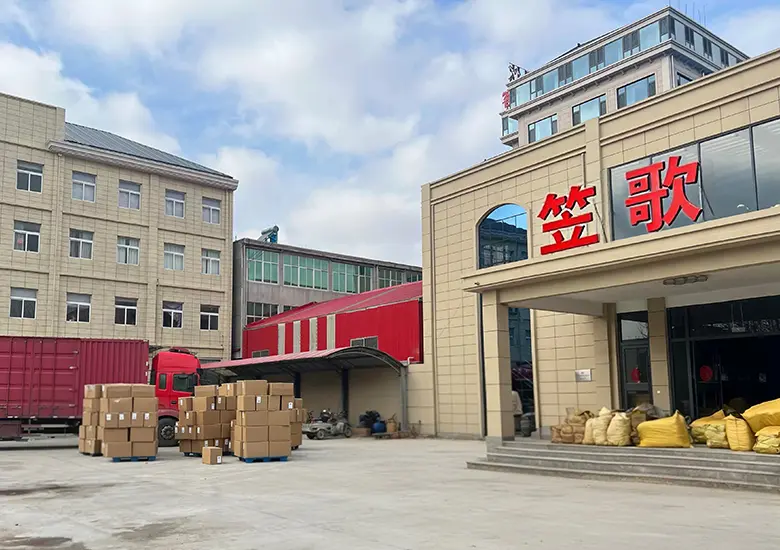
As a straw bag and straw hat manufacturer operating from Linyi, Shandong, we watched this demand curve accelerate across North America, Western Europe, Australia, and Japan. The 2020 collections that survived and reordered into 2021–2024 shared three traits: consistent weave density, dimension-stable blocking, and compliant labeling on arrival.
- Natural fibers — raffia, paper straw, seagrass, and grass blends offer low-carbon alternatives to synthetic totes.
- Packable design — rollable and foldable straw structures reduce freight volume by up to 40%.
- OEM-ready — customizable linings, hardware, and hand-feel finishes align with brand identity.
Compliance & Localization
Localized Support and Compliance Assurance for Global Buyers
Best Straw Bags 2020 style sourcing is no longer just about price — importers need documentation, labeling, and market-specific customization from day one.
Market-Specific Labeling
Fiber content, country of origin, care labels, and importer contact data are prepared to align with US FTC, EU Textile Regulation, Japanese Household Goods labeling, and Australian ACCC requirements.
Tip: Share each destination market up front so bilingual hang tags and packing lists are drafted correctly the first time.
Documentation Package
Commercial invoice, packing list, bill of lading, and Certificate of Origin are prepared for every shipment. Additional certifications (e.g., REACH-related testing, AZO-free dye reports) are quoted on request.
Tip: Request test reports during sampling to protect container release windows.
Regional Customization
Brim dimensions, crown heights, handle lengths, and color palettes are adapted to regional body measurements and fashion preferences — from North American resort wear to Japanese minimalist aesthetics.
Tip: European buyers frequently order deeper bucket crowns and matte raffia finishes.
China Factory Advantage
The China Factory Supply Chain Advantage in 2020 and Beyond
Shandong province, and Linyi specifically, benefits from a mature natural-fiber ecosystem: proximity to port, hand-weaving talent, and integrated finishing capabilities.
Raw Material Integration
Raffia, paper straw, seagrass, and grass blends are sourced and sorted in-house. This shortens the material variability cycle and allows consistent dye lots across large orders — a critical factor for retail displays that must match across SKUs.
Fast Sampling Turnaround
In-house sample rooms combined with proximity to Qingdao Port allow 5–7 day sampling cycles. Buyers can align new season development with retail buying calendars without losing weeks to logistics on the sample stage.
Low MOQ at Scale
Small starting quantities (50–100 pcs per style) coexist with high-volume programs up to container loads. Boutique brands and national retailers can both scale without switching suppliers mid-cycle.
Export & Freight Optimization
FCL and LCL departures via Qingdao Port support US, EU, and AU retail delivery windows. Packing optimization for straw goods — using stackable shapes and compressible brims — reduces per-unit freight costs.
15+Years of manufacturing
50–100MOQ per design
60+Countries served
8hResponse window
Global Procurement
What Global Buyers Are Actually Asking For
In 2020 and continuing today, procurement teams from chain retailers and DTC brands consistently evaluate suppliers against the same five-point filter.
| Buyer Requirement | Why It Matters | How Lige Hats Responds |
|---|---|---|
| Certified fiber content | Retail compliance & consumer transparency | Fiber origin documentation + request-based test reports |
| Packable & durable | Freight efficiency & shelf durability | Quality-controlled blocking with shape memory |
| Private label branding | Brand differentiation & margin | Woven labels, patches, hang tags, custom lining |
| Predictable lead times | Retail window alignment | In-house production + Qingdao Port proximity |
| Low MOQ for testing | Market validation without overstock | 50–100 pcs per design starting quantity |
Trend Outlook
Industry Trends Reshaping Straw Bag Sourcing
From 2020 to now, several shifts have permanently changed how straw bag collections are designed, priced, and merchandised.
Natural Over Synthetic
Consumers actively filter for natural fiber accessories. Raffia, seagrass, and paper straw are positioned as premium alternatives to PU and polyester, with real material provenance driving price premium.
Seasonality Breakthrough
Straw bags are no longer confined to summer. Lined straw totes, embossed finishes, and darker dye lots extend the category into resort, festival, and winter-vacation retail calendars.
Micro-Collection Strategy
Brands now launch smaller, more frequent straw collections to reduce markdowns and respond to social trends. This favors suppliers who can flex between 50-piece drops and container volumes.
Brand-Led Customization
Differentiation via hardware, strap length, ink-stamped interiors, and custom trims is now expected — generic catalogs lose out to suppliers offering coordinated hat-plus-bag sets.
Omnichannel-Ready Design
Packaging, tags, and photography are now sourced with e-commerce in mind — drop-test resilient structures and retailer-specific cartonization reduce damage claims during parcel shipping.
Traceable Sourcing Stories
Marketing teams demand supplier-backed narratives: region of fiber, weaving style, and cooperative sourcing. Lige Hats provides traceable documentation that feeds directly into brand storytelling.
Application Scenarios
Localized Application Scenarios Across Markets
The same straw bag ships to consumers living very different lives. Buyers increasingly buy in story-mode — and manufacturers must adapt the product accordingly.
North America — Resort & Beach Retail
Wide-brim floppy hats, tote-style straw bags, and UPF 50 accessories anchor resort gift shops in Florida, California, Hawaii, and the Caribbean. Characterized by US retail tag requirements and preference for loud, seasonal colorways.
Western Europe — Premium Boutique
Raffia bucket bags, structured boater silhouettes, and muted neutral palettes dominate French, Italian, and Spanish boutiques. Buyers prioritize small-batch capsules, refined finishes, and multilingual packaging.
Japan & South Korea — Minimalist Daily
Compact tote and crossbody straw bags with soft handles and refined interior linings. Preferences run toward subtle colorways, compact proportions, and Japanese-language care labels.
Australia & New Zealand — Outdoor & Lifestyle
High-UV markets demand UPF-rated straw styles, reinforced stitching, and lighter-weight packable options. Rural and coastal retail categories prefer wider brim coverage and stiffer brim structures.
FAQ
Frequently Asked Buyer Questions
Practical answers for procurement teams sourcing Best Straw Bags 2020 styles today.
What is the minimum order quantity for Best Straw Bags 2020 styles?
Standard MOQ starts at 50–100 pieces per design, depending on material and weave complexity. This supports boutique buyers, emerging brands, and test-market programs without committing to full container volumes on first order.
Can Lige Hats customize straw bags with our private label?
Yes — OEM and ODM are our core capabilities. We customize bag shape, material, lining, straps, hardware, dye lot, and branding (woven labels, leather patches, hang tags, printed linings). Our designers can also develop new shapes from your mood board or reference samples.
Where is the factory located and how are orders shipped?
Our factory is in Linyi City, Shandong Province, China, close to Qingdao Port. Bulk orders ship by sea as FCL or LCL, while samples and urgent small orders go by air or express courier. Delivery windows are agreed at the sampling stage to protect retail launch dates.
Which markets do you typically supply?
Most shipments go to the United States, Canada, Australia, Mexico, Western Europe, Japan, and South Korea. We work with more than 25 global distributors and serve customers in over 60 countries.
What compliance documentation do you provide?
Standard export documentation includes commercial invoice, packing list, bill of lading, and Certificate of Origin. On request, we coordinate third-party fiber content testing, AZO-free dye reports, and REACH-related compliance testing through accredited labs.
How fast will your team respond to a sourcing request?
We respond and take action within 8 hours, covering product questions, sampling logistics, order follow-up, and after-sales support. Each account is assigned a dedicated contact to keep communications consolidated.
Do you produce matching straw hats and bags as sets?
Yes. Straw hats, paper hats, straw bags, paper bags, children's straw hats, toy hats, lifeguard hats, sun visors, winter hats, and other bags are all produced in-house, allowing coordinated colorways, trim finishes, and packaging for curated brand sets.
More Straw Styles
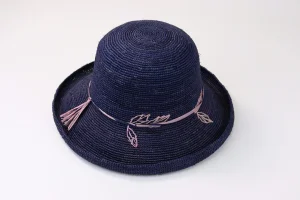
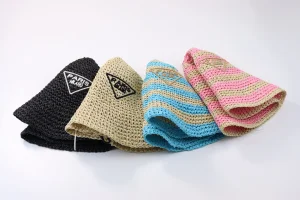
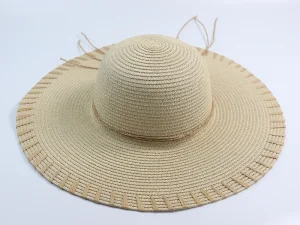
Additional Best-Selling Straw Hat Concepts
Beyond the 2020 core collection — expanding silhouettes for buyers building complete seasonal programs.
Start Sourcing
Let's Build Your Next Straw Bag Collection
Share your style references, target market, and quantity. Our team replies within 8 hours with material recommendations, sampling plan, and production timeline.
Contact Lige Hats