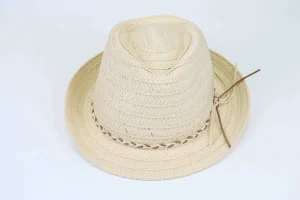
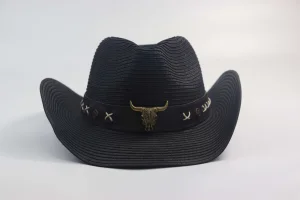
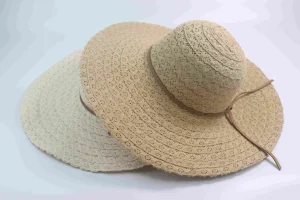
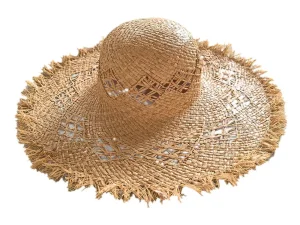
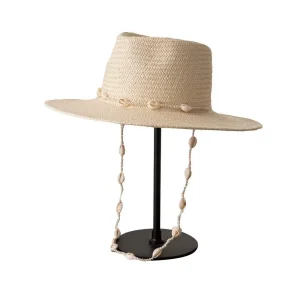
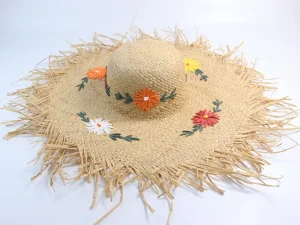
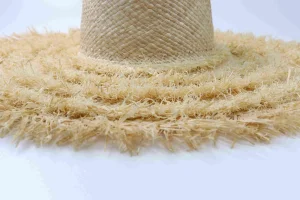
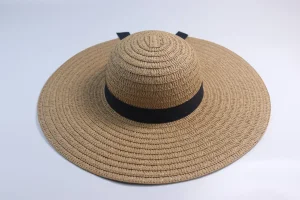
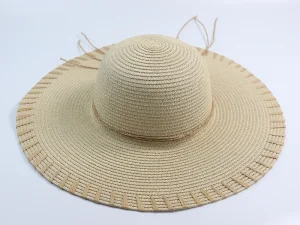
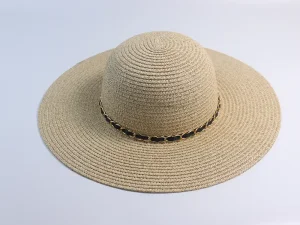
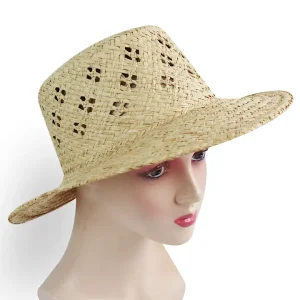
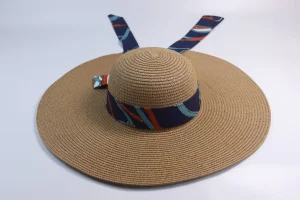
Buyer-Verified Straw Hat Styles Available for Immediate Sampling
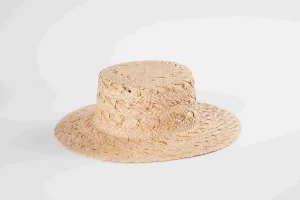
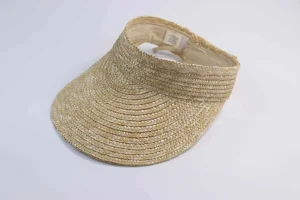
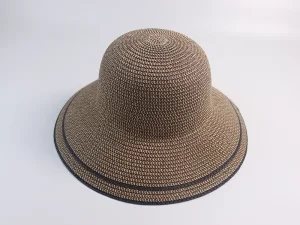
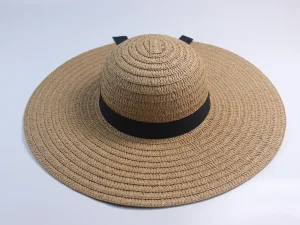
Every silhouette below can be produced in raffia, paper straw, natural grass or blended knit — with custom bands, labels and colorways matched to your brand book.
What Defines a High-Quality Bucket Hat Men Exporter in 2026?
A bucket hat men exporter is not simply a trading company shipping cartons from a port. In the modern B2B landscape, a qualified exporter must operate as an integrated supply chain partner — combining in-house weaving capacity, compliance documentation, sustainable material traceability, and marketing-ready design support.
Buyers evaluating Chinese suppliers today are far more sophisticated than in the previous decade. They look beyond FOB price to measure total landed cost, MOQ flexibility, sample turnaround time, and the ability of a factory to survive peak-season stress without disruption to quality or delivery.
This whitepaper unpacks what truly separates a premium exporter from a commodity supplier — and provides the framework our own team uses when advising importers at Lige Hats, one of Shandong's established straw and bucket hat manufacturing bases.
Critical Buyer Metric
Sourcing teams report a 37% reduction in total landed cost per SKU when aligned with a high-quality, vertically-integrated exporter — versus an intermediary trading company.
Request Buyer BriefingBucket Hat Exporter Industry Trends for 2026–2028
Four definitive forces reshaping the global headwear sourcing landscape — as observed by our buyers and manufacturing partners.
Sustainable Fiber Demand
Global moisture-wicking, biodegradable fiber adoption grew +29% YoY in 2025 for bucket hat SKUs. Buyers require traceable raffia and paper straw documentation to pass European Green Deal audits.
Low MOQ Micro-Launches
Small brand drops driven by TikTok and Instagram demand factories capable of 50–100 units per SKU. This pressures exporters to re-engineer production lines for flexible order sizes without sacrificing margin.
Regional Sourcing Shift
China+1 strategies are real, but 53% of top-tier headwear buyers still keep their primary program in China due to unmatched fiber access, craftsmanship depth, and port proximity to Qingdao.
Digital Sample Shortcuts
3D rendering and AI-assisted colorway previews have reduced physical sampling by ~40%. Suppliers with digital catalog capabilities win faster buyer approvals and reduce lead time by 8–12 days.
What Global Enterprises Demand from Bucket Hat Exporters
Whether you're a Fortune 500 retailer, an outdoor lifestyle brand, or a boutique reseller, enterprise-level procurement standards now hinge on six non-negotiable requirements.
Compliance Documentation
Buyers need REACH, OEKO-TEX, CPSIA and UPF test reports before shipment. A reliable exporter maintains a monthly-updated compliance dossier.
8-Hour Response Window
Global sourcing teams now benchmark suppliers on communication speed. Enterprise RFQs expect a detailed quote within a single business day.
Packaging & Branding
Private-label execution — woven labels, hang tags, polybags, and retail-ready master cartons — must be validated during the sampling stage.
Forecast Resilience
Post-pandemic buyers demand suppliers capable of absorbing 2–3x volume surges without quality drift or long lead-time extensions.
Logistics Transparency
Real-time tracking, transparent FOB / CIF / DDP terms comparison, and consolidated LCL shipping for mid-size buyers are baseline expectations.
Ethical Factory Verification
Third-party audits (BSCI, SEDEX) are now mandatory for nearly all EU and North American buyers — especially for seasonal fashion programs.
Supply Chain Resilience & Efficiency Advantages
The Chinese headwear factory in 2026 is not a labor-intensive workshop — it's a digitally-integrated production node engineered for precision, repeatability, and speed.
Resilience: Multi-Tier Material Sourcing
Top factories maintain two or more fiber sources per material category, shielding buyers from single-origin supply shocks. Lige Hats, for example, sources raffia through both Madagascar-based and coastal-China processing channels to prevent downstream disruption during peak season.
Efficiency: Qingdao Port Proximity
Located in Linyi, Shandong Province, our manufacturing facility sits within 300km of Qingdao Port — one of China's largest container gateways. This proximity enables FCL booking within 48 hours and LCL consolidation for smaller buyers without premium freight surcharges.
Efficiency: Skilled Labor Concentration
Shandong has one of China's deepest reservoirs of experienced hand-weaving artisans. With production managers averaging 20 years of tenure and QC leaders averaging 15, the factory-level know-how directly translates into consistent stitch density, banding accuracy, and sizing tolerance.
Resilience: Flexible MOQ Systems
Avoiding the "all-or-nothing" risk of the old 500-unit MOQ model, Factory 4.0 systems allow 50–100 piece starting runs per design with modular sampling approval — an essential lever for boutique and emerging brands entering the bucket hat market.
The Bucket Hat Fiber Matrix — Choosing the Right Material
Every fiber choice reshapes hand-feel, structure, price positioning, and durability. This is the framework our own product team uses when advising bucket hat buyers before sampling.
Raffia
Natural palm-leaf fiber with inherent resins giving softness, flexibility, and vibrant dye receptivity. A favorite for premium resort programs.
- Best for
- Floppy bucket hats, premium resort lines
- Buyer tip
- Ideal for packable claims and bold colors
Paper Straw
Twisted paper yarn delivering uniform color consistency and competitive unit pricing — engineered for high-volume seasonal programs.
- Best for
- Panama-style bucket hats, promotional retail
- Buyer tip
- Include "keep dry" care labels
Natural Grass
Braided natural stems providing crisp structural integrity and an artisanal look that commands premium shelf positioning.
- Best for
- Structured bucket hats, cowboy silhouettes
- Buyer tip
- Choose when shape retention matters most
Cotton & Knit
Fabric-based bucket hats extending the assortment beyond summer and into transitional, sports, and children's categories.
- Best for
- Sport bucket hats, kids collections
- Buyer tip
- Pair with straw for year-round programs
Where Premium Bucket Hats Actually Sell — A Region-by-Region View
Demand is not uniform. Bucket hat applications shift dramatically across climate zones, retail channels, and consumer segments.
North American Outdoor
Performance-focused bucket hats with UPF 50 ratings for national park retail and trail brands.
European Resort Boutique
Raffia bucket hats positioned at premium price points for Mediterranean and Aegean seasonal boutiques.
Australian Sun Protection
Wide-brim bucket hats built for harsh UV exposure and outdoor labor — UPF 50 certification mandatory.
Japan & Korea Urban Streetwear
Minimalist, low-profile bucket hats in neutral tones for capsule fashion collaborations and streetwear drops.
Middle East Desert Wear
Breathable, light-toned bucket hats engineered for heat, sun, and cultural sensitivity requirements.
Festival & Event Merch
Custom-printed bucket hats for festivals, sports events, and brand merchandise — MOQ 100 and under, high graphic flexibility.
Kids & Family Collections
Smaller crown sizing, softer fibers, and CPSIA-compliant manufacturing for children's sun hats.
Sustainable Eco Retailer
Biodegradable fibers with full documentation — retail programs positioning sustainability as the core SKU story.
How a High-Quality Exporter Delivers Your Program
Six sequential steps — each auditable, each documented, each measurable. This is the standard workflow at any truly qualified bucket hat manufacturer.
Share Your Brief
Style references, target material, size range, branding assets, and destination market are collected.
Design & Sampling
Material recommendations, 3D visual preview where possible, and physical sampling within 7–10 days.
Approval & Contracts
Finalized samples, labels, packaging, destination terms, and production calendar are locked in writing.
Production
Weaving, blocking, finishing, and banding executed in-house under two-tier quality oversight.
Final Inspection
AQL-based sampling combined with 100% final inspection of shape, stitching, sizing, and trims.
Export & Logistics
FCL or LCL shipping via Qingdao Port, or air/express for urgent and sampling shipments.
Frequently Asked Questions from Global Bucket Hat Buyers
The exact questions we receive from sourcing managers — answered with the precision that real procurement decisions require.
What is the minimum order quantity (MOQ) for custom bucket hats?
Can you produce private-label bucket hats with our branding?
Where is your factory, and how are orders shipped?
Which markets do you export bucket hats to?
What certifications or compliance documentation do you provide?
How fast does your team respond to buyer requests?
What products do you manufacture besides bucket hats?
Why should I source from a specialized exporter rather than a general trading company?
Ready to Build Your Next Bucket Hat Collection?
Share your brief, target quantity, and destination market. Our team responds within 8 hours with material suggestions, a sampling plan, and a transparent production timeline.
Complete Your Program with Other Premium Styles
Pair your bucket hat collection with these proven styles — all produced under the same quality standards and export workflow.