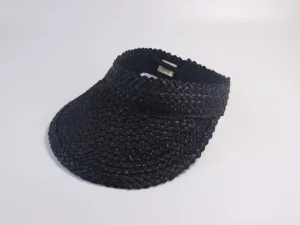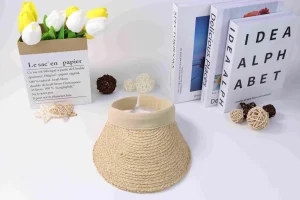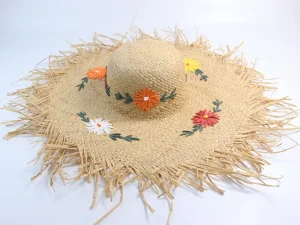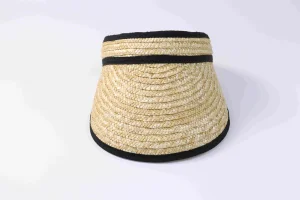
Wholesale Packable Straw Visor Hat, Adjustable Open Top Straw Sun Hat Lightweight Breathable Summer Visor for Women Manufacturers, Suppliers
View ProductBehind every well-structured cowboy hat category sits a display and storage system that protects shape, accelerates sell-through and survives the rigors of cross-border logistics. This white paper consolidates the sourcing intelligence that importers need before placing a program.
A cowboy hat is not a folded T-shirt. A straw or felt western hat depends on crown structure and brim integrity to keep its value at retail. That is why a professionally specified cowboy hat rack — whether a wall-mounted display, a rotating retail stand or a protective storage stack — is a profitability decision, not a merchandising afterthought.
For sourcing teams working in parallel with headwear production, the hat rack category is best evaluated the same way as the hats themselves: material, finish, packaging density, freight efficiency and the reliability of the supplier behind it. Suppliers such as Shandong Lige Import & Export Co., Ltd. (Lige Hats), a straw hat manufacturer based in Linyi, Shandong, routinely coordinate rack and headwear requirements inside a single seasonal program so that display systems arrive with the collections they serve.
Countries served by export-oriented headwear factories
Years of combined hat manufacturing experience
Target quotation and response window for buyer requests
Representative low-MOQ starting point per design
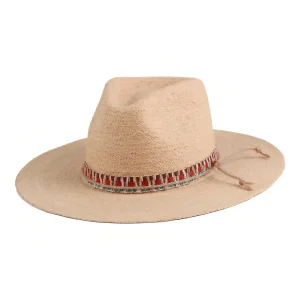
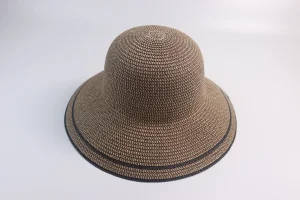
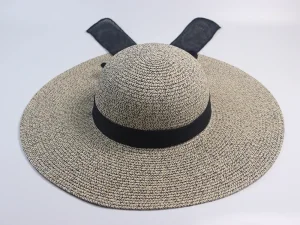
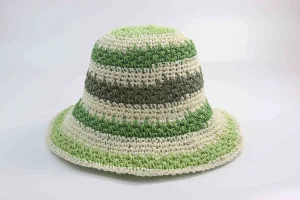
Display systems are designed around the hats they carry. These factory-direct styles represent the shapes that most frequently pair with cowboy hat rack programs.
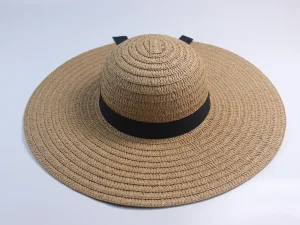
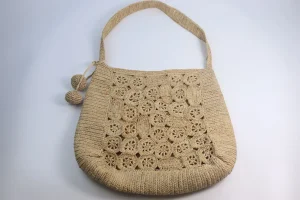
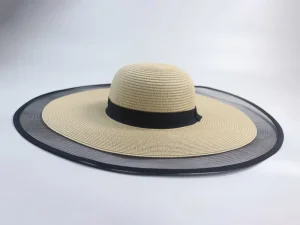
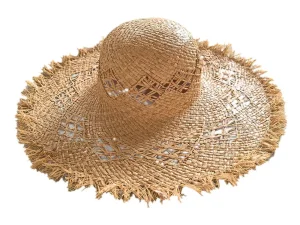
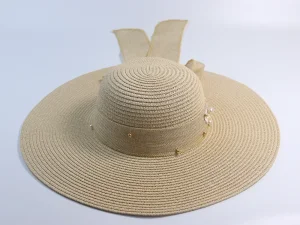
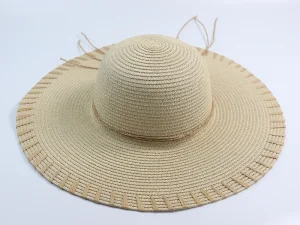
Hat racks and display systems are a derivative category — demand grows wherever western headwear grows. Understanding that connection is the first step in sourcing intelligently.
Globally, the cowboy hat rack sits at the intersection of three industries: retail fixtures & store fit-out, home organization & storage, and hospitality display. Each has a distinct buying cycle, specification norm and buyer persona, and each rewards suppliers who understand the end-use rather than only the unit price.
North America — the United States, Canada and Mexico — remains the single largest demand cluster for western hat display, driven by rodeo culture, country music festivals, ranch supply retailers and boutique western-wear chains. In Europe, demand is more retail-design led: independent hat boutiques, heritage menswear stores and pop-up concept shops specify racks as part of an interior design language rather than purely utilitarian storage.
In Australia and New Zealand, the hat rack category overlaps with outdoor and workwear retail, where Akubra-style shapes need brim-safe display. In the Gulf and Southeast Asia, hospitality and resort operators frequently specify decorative rack systems for lobby and poolside merchandise corners. For buyers, this fragmentation is important: a single rack SKU rarely fits all channels, and successful programs are usually built on two or three core rack families rather than one universal design.
Rodeo, ranch supply and country-western retail chains; high seasonal peaks ahead of spring and fall rodeo seasons; strong emphasis on durability and freight efficiency.
Boutique and heritage menswear; design-led fixtures; smaller order quantities with higher finish expectations and demand for FSC-conscious wood options.
Outdoor and workwear retail; heat and UV resistance is critical; brim protection is a priority specification over aesthetic minimalism.
Hospitality and resort retail corners; decorative finishes and branded presentation favored; strong seasonality tied to tourism.
Growing festival and tourism-driven demand; e-commerce-first buyers who prioritize flat-pack design and low carton volume.
Western and equestrian retail with strong domestic craftsmanship tradition; competitive price sensitivity and localized styling preferences.
Efficiency in this category is not about cheap labor — it is about material access, tooling speed, finishing consistency and the density of supporting suppliers within a single region.
Wood, metal, bamboo and coated substrates are sourced within days rather than weeks, shortening the gap between sample approval and bulk production.
Dense tooling and mould-making capacity allows rapid iteration on hooks, caps and bracket geometry — critical when buyers need custom-branded designs.
Access to Qingdao, Ningbo and Shenzhen ports gives Chinese suppliers multiple export routes, so buyers can select the gateway that best matches freight cost and schedule.
Flat-pack and knock-down rack designs developed by Chinese factories dramatically reduce container volume, lowering landed cost per unit on long-haul freight.
For headwear-focused buyers, there is an additional advantage: a supplier with existing western hat production, such as Lige Hats in Linyi, Shandong, already understands crown height, brim diameter and hat weight. That knowledge transfers directly into rack specification — a rack designed by people who make hats is less likely to distort a brim or compress a cattleman crown after months of display.
The same cowboy hat rack can be sold into six very different channels. Buyers who align specifications with the end scenario reduce returns, increase reorders and build stronger retail partnerships.
Western wear and boutique stores use wall-mounted racks to present multiple SKUs at eye level. Priority specs: load rating per hook, consistent hook spacing, and a finish resistant to repeated handling.
Temporary retail demands flat-pack portability and rapid assembly, often without tools. Lightweight construction with visible branding turns the rack into a merchandising asset on its own.
Online hat sellers need storage racks that keep shape between picking and packing. Stackable designs and powder-coated finishes limit damage in warehouses with mixed inventory.
Resorts and guest ranches install decorative racks in retail corners and lobbies. Finish quality, timber tone and branded plaques matter more than unit cost.
Collectors and home organizers are a fast-growing DTC segment. Buyers specify rack systems with protective contact surfaces and clean, minimal aesthetics for home interiors.
Distributors standardize on a small number of rack families to simplify SKU management. Modular designs that share common brackets reduce spare-part complexity.
Buyers who anticipate these shifts can specify better programs today and avoid re-sourcing tomorrow.
Retailers increasingly request documented sourcing for timber components. Suppliers who can provide FSC-conscious options and recycled metal finishes win specification rounds.
Freight costs have permanently changed design priorities. Knock-down, tool-free assemblies that pack densely continue to displace bulky one-piece racks.
Racks are evolving from fixtures into branded merchandising tools. Printed headers, laser-etched logos and coordinated color programs are increasingly expected.
As straw and felt hats become more premium, rack design is shifting toward padded contact points and support geometry that preserves crown and brim.
A fifth, quieter trend deserves attention: consolidated sourcing. Importers are combining headwear and display fixtures into single programs to reduce supplier count and shipping complexity. A supplier that already understands western hat construction can often absorb rack sourcing into the same seasonal calendar — one contact, one freight plan, one production schedule.
Based on the recurring themes in sourcing briefs for headwear display systems, buyers converge on a consistent set of requirements.
New brands and boutique buyers need small first orders and fast sample turnaround before committing to seasonal volume.
Load testing, finish inspection and dimensional checks are expected as standard, not as an optional add-on.
Custom dimensions, finishes and logo applications are frequently required, including design development from a mood board.
Flat-pack or knock-down design is now a baseline expectation for long-haul container shipping.
A response window under 24 hours — ideally within 8 — remains the most frequently cited service criterion.
Buyers value suppliers who can repeat a specification season after season without drift in finish, dimensions or packing.
The questions procurement and product teams raise most often when evaluating cowboy hat rack suppliers and factories.
Send style references, target quantity and destination market. Our team replies within 8 hours with material suggestions, a sampling plan and a production timeline — whether you are sourcing racks, hats, or both.
Sun protection, children's styles and western silhouettes — all available for OEM and ODM development.