
Sustainability-Led Material Choice
Retail buyers increasingly request natural fibers — raffia, paper straw, seagrass and cotton blends — supported by recyclability documentation and traceable sourcing narratives.
Factory-direct woven tote bags, raffia beach bags and paper-straw carry collections for importers, private-label brands and volume retailers — engineered for repeatable quality, compliance and scale across 60+ markets.
Over the past decade, the straw tote bag has moved from a seasonal beach accessory to a year-round, design-led retail staple. Buyers no longer source tote bags as a single impulse SKU — they build capsule collections that blend raffia, paper straw, cotton canvas and woven grass, and they expect a manufacturing partner who can carry that range from concept sketches to consolidated FCL shipments.
As a long-established straw tote bag exporter and manufacturer based in Linyi, Shandong, Shandong Lige Import & Export Co., Ltd. (Lige Hats) has spent more than 15 years refining this category. Our perspective is simple: high-quality global leadership is not a marketing phrase — it is the measurable outcome of material expertise, low-MOQ flexibility, disciplined QC and reliable export logistics close to Qingdao Port.
This page consolidates our operational knowledge into a practical reference for procurement teams, brand developers and retail buyers evaluating straw tote bag suppliers for the next sourcing cycle.
Five structural shifts are redefining how importers, brands and retailers specify woven tote bags — and how leading exporters must respond.
Retail buyers increasingly request natural fibers — raffia, paper straw, seagrass and cotton blends — supported by recyclability documentation and traceable sourcing narratives.
Hotel gift shops, cruise lines and travel retail are scaling personalized tote programs — often with logo embroidery, custom luggage tags and coordinated hat-and-bag sets.
Fashion and lifestyle labels treat tote bags as wearable brand assets, driving demand for woven labels, woven patches, custom linings and premium packaging.
Data-driven assortment planning rewards suppliers who can deliver 50–100 piece trial runs, then scale to container volume without changing production lines.
Chemical safety, fiber labeling and packaging waste rules in the EU and North America now determine whether a supplier is even shortlisted.
Buyers favor suppliers with direct access to major container gateways — like Qingdao Port — to shorten lead times and reduce inland logistics risk.
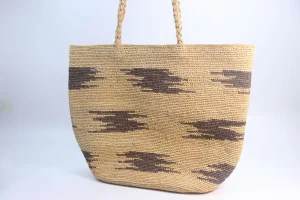
Enterprise procurement teams evaluate woven tote bag suppliers far beyond unit price. Based on our work with importers, wholesalers and brand owners across the US, Canada, Australia, Mexico, Western Europe and Japan, the evaluation criteria are consistently predictable:
Round-tripping a sample in weeks, not months, and hitting the approved color and weave on production runs.
Documented dimensions, weight, lining, handle construction and trim details on every PO.
Shipment windows aligned to retail launch calendars, with realistic capacity and lead-time commitments.
Consistent chemical, fiber and packaging records that survive destination customs and retailer audits.
A high-quality exporter is not just a production line — it is a program manager. These are the solution layers we provide to enterprise buyers preparing multi-season assortments.
Shape, weave, colors, handle types, linings, hardware and embroidery developed alongside your in-house design language.
Coordinate hats, bags and accessories into cohesive seasonal capsules for a single consolidated shipment.
Pilot quantities from 50–100 pieces transition into full FCL production without changing the source factory.
Custom hang tags, polybags, tissue wrap, cartons and barcodes aligned to destination retailer requirements.
Woven brand labels, illustrated care labels, fiber composition and origin tagging per target market rules.
Mixed containers combining hats, bags and accessories to reduce per-unit freight spend and simplify receiving.
Material-in, in-line and final inspection checkpoints with records available for buyer review on request.
Complete export documentation, HS classification guidance and consolidated shipment planning via Qingdao.
A single named contact for sampling, order progress, shipment documentation and after-sales service.
Seasonal color boards, silhouette recommendations and best-seller analysis from both our factory data and retailer feedback.
Physical prototypes for every new design, with reference photos, measurements and material swatches.
Repeat-order planning with reserved capacity for reliable restocking on in-demand tote and hat styles.
Every style below can be produced in raffia, paper straw or natural grass and customized with your brand’s trims, colors and labels.
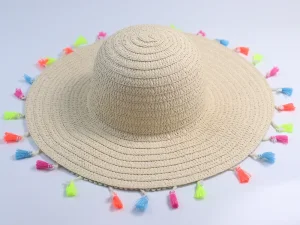
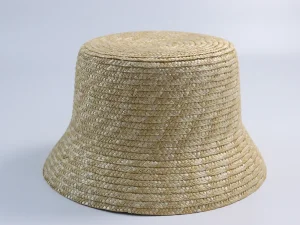
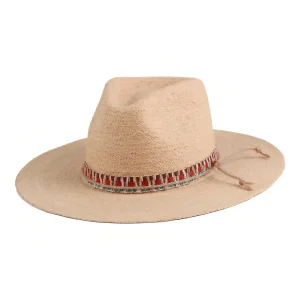
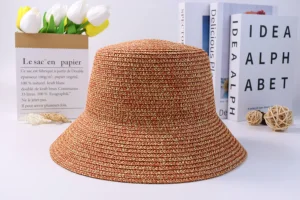
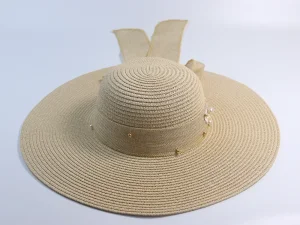
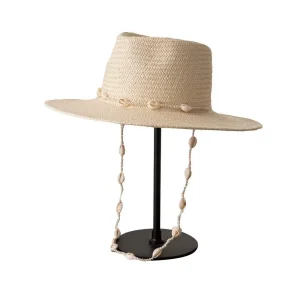
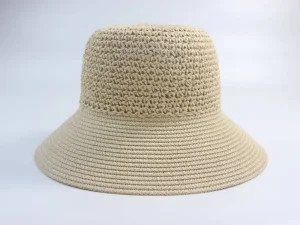
Material selection determines hand-feel, shape retention, price point and shipping resilience. This guide reflects how our in-house product team advises brand buyers before sampling begins.
Soft, flexible and highly dye-receptive. Natural resins make raffia brims and tote panels recover shape after packing — the ideal material for packable claims and saturated colorways.
Lightweight, uniform and cost-efficient. Delivers clean, consistent color and a refined surface finish across volume programs and promotional retail lines.
Stiff, structured silhouettes with an artisanal look. Buyers value natural grass straw for premium priced totes and hats due to crisp shape retention on-shelf.
Cotton, polyester and knitted constructions extend assortment ranges beyond summer, opening children’s and cold-weather categories with the same supplier.
Cross-border tote bag sourcing succeeds or fails on compliance detail. Our export team maintains market-specific knowledge so your program clears customs, retailer audits and destination labeling rules.
Directly serving US, Canada, Australia, Mexico, Western Europe and Japan — with translated labeling support and market-aware packing standards.
Complete commercial invoice, packing list, certificate of origin, bill of lading and HS classification support for smooth clearance.
Fiber composition and chemical safety documentation aligned to destination market expectations for textile and bag accessories.
Consistent quality inspection records and traceable production data available for buyer review, supporting third-party retailer audits.
Polybag warnings, recycled-content notes and packaging waste guidance aligned to EU and North American regulations.
An English-speaking sales team with naming conventions, port terminology and lead-time expectations aligned to your buying culture.
Three technology vectors are reshaping the woven accessories category. Our 2025–2028 roadmap tracks each one closely to keep buyers ahead of compliance and competitive pressure.
Continued expansion of natural and recycled fibers — recycled paper yarn, cotton-blend weaves and refined seagrass constructions — paired with clearer origin and care labeling to support brand sustainability storytelling.
3D material previews and digital sample libraries reduce sampling cycles, while production tracking improves transparency on order progress and quality checkpoints for enterprise buyers.
Semi-automated blocking and finishing paired with skilled hand-weaving preserves the artisanal character buyers value while lifting consistency and throughput on volume programs.
Buyer demand for faster replenishment favors suppliers with flexible low-MOQ lines and quick-change tooling — a competitive advantage we continue to invest in.
Labeling, packaging waste and chemical documentation built into every order template rather than handled ad hoc — reducing destination hold-ups and retailer rejection risk.
Coordinated mixed containers combining hats, bags and accessories enable buyers to reduce landed freight cost and simplify receiving across a single seasonal drop.
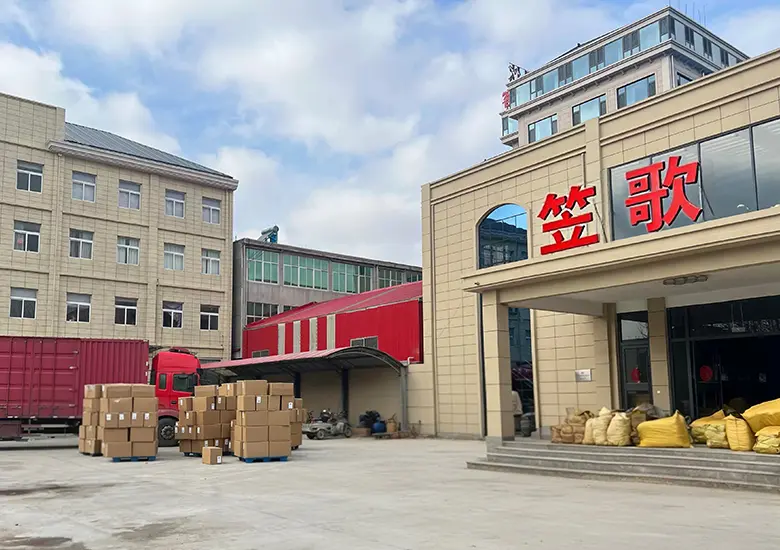
Shandong Lige Import & Export Co., Ltd. operates from Linyi City, Shandong Province, near Qingdao Port — one of China’s major container gateways. For over 15 years we have focused on straw hats, paper hats, straw bags and paper bags, combining traditional hand-weaving skills with modern blocking and finishing expertise.
Our customers include importers, wholesalers, brand owners and retailers across the United States, Canada, Australia, Mexico, Western Europe and Japan. They rely on our professional designers, efficient sales team, competitive factory pricing and dependable QC. Our goal is simple: to be your one-stop woven accessories supplier.
After more than 15 years of producing woven tote bags for importers and brands, we’ve noticed the same patterns in successful sourcing relationships. Buyers who ask these questions up front tend to avoid costly surprises later in the season.
1. Ask for spec-level samples, not stock photos. Request physical samples with measurements, weight and material details. Photos on a website rarely reflect the finished handle stitching or lining quality of the production run.
2. Confirm labeling requirements before the order is placed. Fiber composition, country of origin and care instructions must match destination rules. Retro-fitting labels after production is a leading cause of shipment delays and retail rejections.
3. Verify capacity expectations in writing. A supplier who quotes low MOQ and quick lead time must also demonstrate they can hold those commitments when a reorder lands mid-season. Ask about reserved capacity and lead-time buffers.
4. Understand the port and consolidation plan. A factory near a major port simplifies mixed shipments of hats and bags. Inland transfers add risk and cost — a detail that rarely surfaces until the ocean freight is booked.
5. Match material to shipping conditions. Paper straw tote bags need moisture protection in transit, while raffia totes hold shape better when compressed. Material choice should account for the full container journey, not just the showroom sample.
Straight answers to the questions most often raised by importers and brand buyers preparing their next woven accessories program.
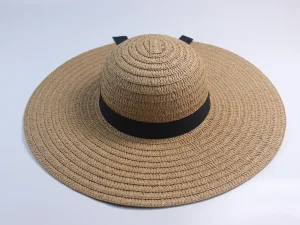
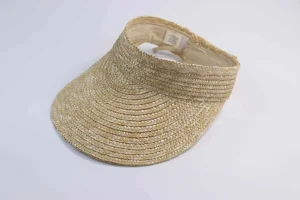
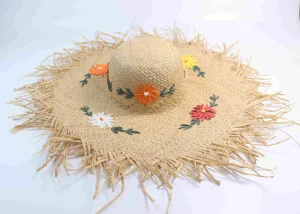
All of the styles below can be customized by material, color, trim and label — supporting a full seasonal range for your retail drops.
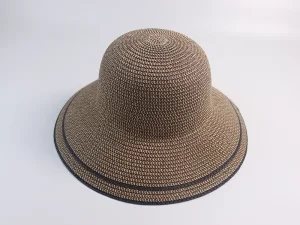
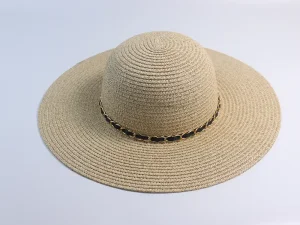
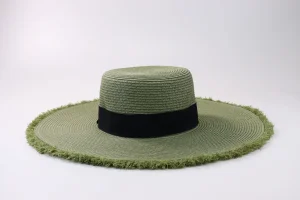
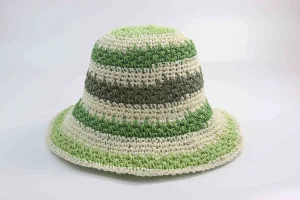
Send us your style references, target quantity and destination market. Our team responds within 8 hours with material suggestions, a sampling plan and a production timeline.