
Executive Summary
The Bucket Hat Supply Chain, Rewritten for Bulk Buyers
What separates a leading bucket hat bulk exporter from a mid-tier trading desk — and how importers should evaluate factories in 2026.
The bucket hat has quietly become one of the most durable silhouettes in global headwear. Originally a practical rain-and-sun hat adopted by anglers and farmers, it has moved through hip-hop culture, festival retail, luxury reinterpretation and — most recently — into the mainstream accessories assortment of nearly every fast-fashion, outdoor and resort brand. For importers, distributors and private-label program managers, that shift changes the sourcing question. The question is no longer "can we find a bucket hat factory?" but "can we find a leading bucket hat bulk exporter with the material depth, finishing control and export discipline to run a repeatable seasonal program?"
This whitepaper draws on more than fifteen years of OEM and ODM manufacturing experience at a straw hat and woven accessories factory in Linyi, Shandong, China — shipping through Qingdao Port to importers, wholesalers, brand owners and retailers across the United States, Canada, Australia, Mexico, Western Europe and Japan. It is written from the buyer's side of the table, with the practical detail that a sourcing manager, brand founder or retail category buyer actually needs: material selection, MOQ economics, quality control checkpoints, localization scenarios and the technology roadmap shaping the next generation of bucket hat production.
0Years of manufacturing specialization
0Export countries served
0Global distribution partners
0Hour response & action commitment
Reference Styles · Part One
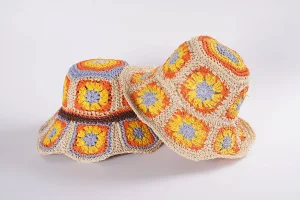
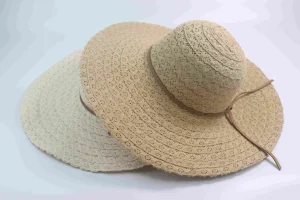
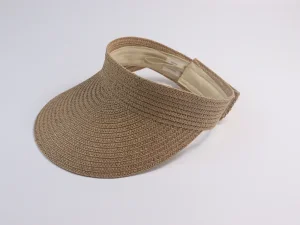
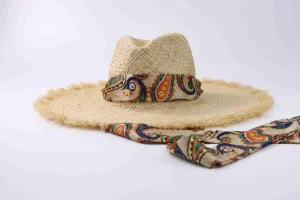
Bucket Hat & Woven Headwear Program Essentials
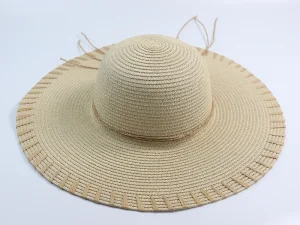
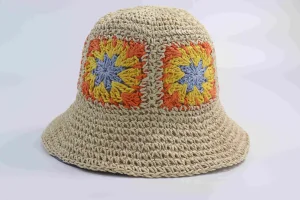
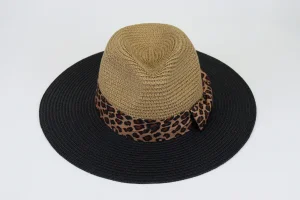
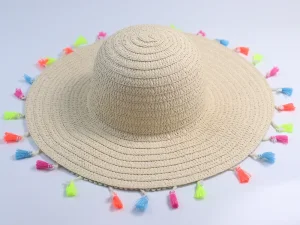
Core silhouettes buyers reorder season after season — each available in raffia, paper straw or natural grass with custom bands, labels and colorways.
Global Commercial Landscape
Where Leading Bucket Hat Bulk Exporters Compete Today
A regional read on demand structure, price architecture and the factory footprints that serve each market.
The global bucket hat export business is concentrated in a small number of manufacturing clusters — principally Shandong and Zhejiang in China, with secondary capacity in Vietnam, Bangladesh and Indonesia — but demand is genuinely global and increasingly segmented. Understanding that segmentation is the first step to evaluating whether a bulk exporter's factory is actually aligned with your program.
North America
The largest single outlet for promotional, festival and outdoor-retail bucket hats. Buyers prioritize consistency across reorders, compliance documentation and predictable lead times over rock-bottom unit price.
Western Europe
Premium-led demand for raffia, natural straw and dye-receptive fibers, with strong emphasis on sustainability narrative, traceable materials and refined colorfastness testing.
Australia & Oceania
Strong sun-protection demand with UPF-rated construction, wide-brim variants and lightweight woven builds tuned for high UV exposure and coastal retail.
Japan & East Asia
Highly technical buying: fine-gauge weave, tight tolerance on crown shape and brim slope, careful color matching, and small-lot reordering across multiple colorways.
Latin America
Resort, coastal and festival demand; buyers favor structured straws, bold dye colorways and mixed container loads with complementary bags and visors.
Private-Label Brands
Fast-growing segment: emerging DTC labels ordering 50–100 pcs per design to test demand, then scaling the winners across seasonal drops and alternate colorways.
Promotional & Corporate
High-volume, compliance-heavy programs where decoration method, size grading and packing accuracy matter more than premium finishing.
Hospitality & Resort
Boutique hotels, cruise lines and beach clubs order branded bucket hats as guest amenities and retail add-ons, often with woven labels and hang tags.
Industry Trends
Four Forces Reshaping Bucket Hat Manufacturing
The structural shifts a leading exporter must engineer around — and buyers should screen for.
Material Traceability
Retail buyers increasingly request fiber origin, dye chemistry and recycling content documentation. Exporters that can name their raffia, paper-straw and natural-grass sources — and produce consistent test reports — win the premium programs.
Small-Lot, Fast-Reorder
MOQ compression from container-scale to 50–100 pcs per design is now a competitive requirement for emerging brands. The factories that lead here have modular blocking and finishing cells rather than single-purpose long lines.
Digital Sampling
3D crown-and-brim modeling paired with rapid physical prototypes shortens the development cycle from weeks to days. Buyers can now review silhouette, brim slope and band proportion before a single sample ships.
Hybrid Utility Design
Bucket hats are converging with sun visors, boonies and technical outdoor headwear — chin cords, packable brims, moisture-wicking sweatbands and UPF-rated weaves now appear in mainstream assortments.
Localized Application Scenarios
One Silhouette, Many Market Use Cases
The same bucket hat program can serve several channels at once — if the material and finishing spec are matched to the scenario.
Coastal Resort Retail
Raffia and natural grass bucket hats with wide downward brims, sold alongside straw bags and visors as a coordinated beach set.
Outdoor & Festival
UPF-rated weaves, adjustable chin cords and packable brims for summer festivals, hiking retail and travel-accessory buyers.
Children & Family Sets
Smaller crown blocks, softer brims and matching bags — a high-margin gifting and back-to-school category with tight safety standards.
Corporate Gifting
Branded woven labels, embroidery and hang tags on volume bucket hat runs for events, hospitality amenities and promotional programs.
Materials & Engineering
The Fiber Decision Behind Every Bulk Order
The material you choose determines hand-feel, shape retention, shipping survival and price architecture. This is how our product team advises buyers before sampling.
Raffia
A natural palm-leaf fiber traditionally sourced from Madagascar. Natural resins make it soft, flexible and highly dye-receptive.
- Best for
- Floppy hats, bucket hats, premium resort lines, straw bags
- Buyer tip
- Ideal for packable claims and saturated colorways.
Paper Straw
Twisted paper yarn woven into a lightweight, uniform fabric with clean, consistent color and competitive unit cost.
- Best for
- Fedoras, Panama-style hats, seasonal and promotional retail
- Buyer tip
- Add keep-dry care labels — paper straw softens when soaked.
Natural Grass Straw
Braided natural stems with inherent stiffness, producing crisp, structured silhouettes and an artisanal look.
- Best for
- Boater hats, cowboy hats, lifeguard hats
- Buyer tip
- Choose it when shape retention on the shelf matters most.
Fabric & Knit
Cotton, polyester and knitted constructions extend your assortment beyond summer into children's and cold-weather categories.
- Best for
- Visors, winter hats, children's hats, toy hats
- Buyer tip
- Pair with straw lines for a year-round single-supplier program.
Technology Roadmap & Future Outlook
From Loom to Container: The 2026–2030 Roadmap
Where leading bulk exporters are investing, and what buyers should ask about now before their competitors do.
2026
Digital Sampling Standard
3D crown-and-brim modeling becomes routine for pre-sample approval, compressing the development cycle and reducing sample shipping cost.
2027
Traceable Fiber Ledgers
Batch-level documentation for raffia and paper-straw inputs, supporting sustainability claims and retailer compliance audits.
2028
Modular Finishing Cells
Reconfigurable blocking and trimming cells that handle 50-pc runs and 5,000-pc runs on the same floor without line changeover loss.
2029
Smart QC Vision
Automated inspection of weave density, brim symmetry and stitch accuracy, paired with human final inspection for texture and finish.
2030
Closed-Loop Yarn Recovery
Reclaiming weaving waste into secondary paper-straw yarn, reducing material loss and supporting circular-economy positioning.
Macro Industry Solutions
How a Leading Bulk Exporter Structures a Program
Beyond the product: the six-step OEM and ODM workflow that keeps buyers informed from first brief to container loading.
Leading exporters do not sell hats off a shelf; they run programs. A well-structured program absorbs a buyer's design intent, matches it to the right fiber and blocking method, establishes quality gates, and delivers on a schedule the buyer's own retail calendar can rely on. The workflow below is the same one used for importers, wholesalers and private-label brands across more than sixty countries.
- Brief & material match — style, material, size, color, branding and target quantity confirmed in writing.
- Sampling & iteration — designers recommend materials and develop samples against the approved reference.
- Approval lock — confirmed sample, labels, packaging and delivery schedule signed off before production.
- In-house production — material sorting, weaving, blocking and finishing under one roof.
- Quality inspection — final inspection of shape, stitching, size and trims against the approved standard.
- Export shipping — FCL or LCL sea freight via nearby Qingdao Port, with air or express for urgent orders.
Supplier Evaluation Framework
Four Controls That Separate Leading Exporters
Use these as a screening checklist when comparing bucket hat factories and bulk exporters.
Low MOQ: 50–100 pcs
Start with 50 to 100 pieces per design, test the market and scale winners — private-label launches without overstock risk.
Experienced Team
A production manager with 20 years of experience, a QC manager with 15 years, and a team averaging 5+ years — reflected in consistent weaves and accurate sizing.
Direct Factory Control
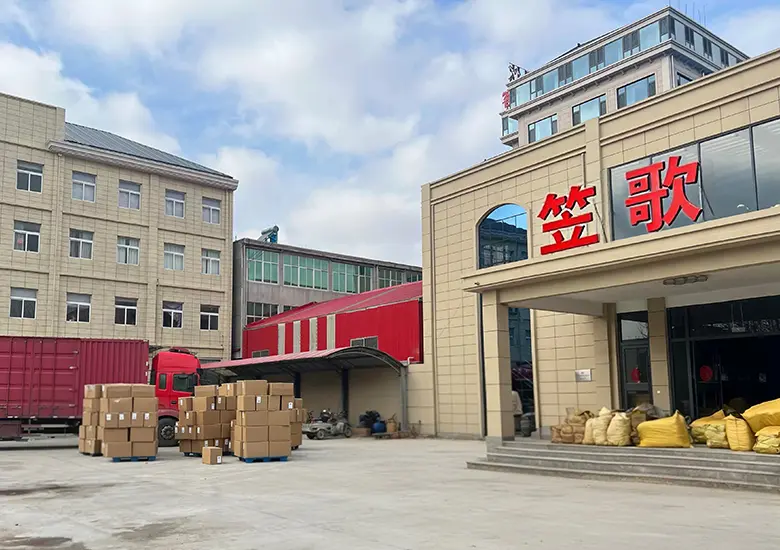
Raw material sorting, weaving, blocking, finishing and final inspection under one roof — stable quality and pricing without middleman margins.
8-Hour Response
Rapid response and action within 8 hours, from sampling questions to after-sales follow-up, with one dedicated contact for your account.
Reference Styles · Part Two
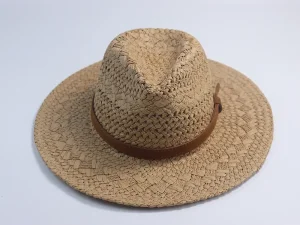
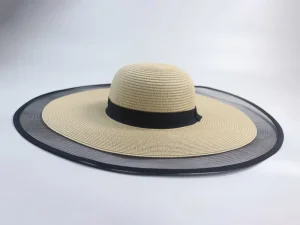
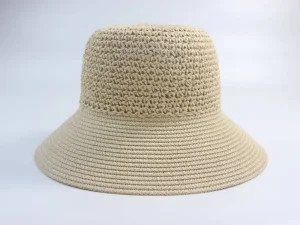
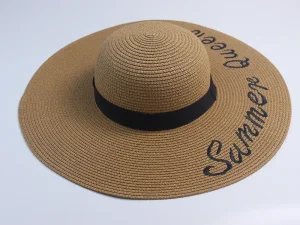
Extended Range for Bulk Programs
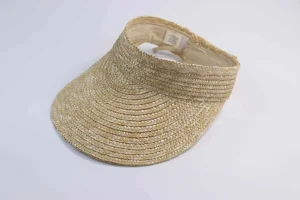
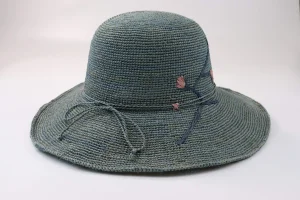
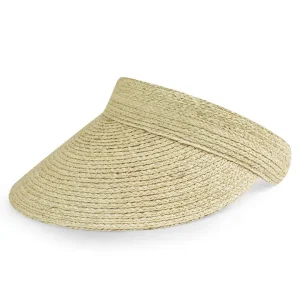
Visor, fedora, panama, bucket and floppy silhouettes — each a candidate for private-label development.
Buyer Q&A
Frequently Asked Questions on Bulk Sourcing
Straight answers on MOQ, customization, shipping and service from a factory that ships to more than sixty countries.
What is the minimum order quantity for custom bucket hats or straw hats?
Our starting quantity for small orders is 50 to 100 pieces per design, depending on the material and craftsmanship. This lets boutiques, emerging brands and importers test new styles before scaling up.
Can you produce private-label hats with our own logo?
Yes. OEM and ODM production is our core business. We customize the shape, material, color, size and hat band, and can add branding such as woven labels, patches and hang tags. Our in-house designers can also develop new styles from your mood board or reference samples.
Where is your factory located and how are orders shipped?
We are located in Linyi City, Shandong Province, China, close to Qingdao Port. Bulk orders are typically exported by sea freight as FCL or LCL shipments, while samples and urgent small orders can be sent by air or express courier.
Which markets do you export bucket hats and straw hats to?
Most of our products are exported to the United States, Canada, Australia, Mexico, Western Europe and Japan. We serve customers in more than 60 countries and work with over 25 global distributors.
How quickly does your team respond to buyer requests?
We respond and take action within 8 hours, covering product questions, sampling, order follow-up and after-sales service.
What products do you manufacture besides straw hats?
In addition to straw hats, we manufacture paper hats, straw bags, paper bags, children's straw hats, toy hats, lifeguard hats, sun visors, winter hats and other bags.
Can I combine multiple styles or colorways in one order?
Yes. Mixed orders across bucket hats, visors, straw bags and complementary styles are common, subject to per-design minimums. This helps buyers build a coordinated beach or resort set while meeting container-optimization goals.
How should buyers evaluate a leading bucket hat bulk exporter?
Screen for in-house weaving and blocking capability, documented material sourcing, a written QC checkpoint plan, low-MOQ flexibility, and response discipline. A factory that controls the full line — from raw material sorting to final inspection — will deliver more consistent reorders than a trading intermediary.