Executive Overview
Why Leading Straw Bag Women Exporters Win on Trust, Not Only Price
Global buyers of women's straw bags — from boutique resort labels to supermarket private-label programs — are no longer searching for "cheap raffia bags." They are searching for verifiable, high-quality exporters who can prove material integrity, on-time delivery, and consistent brand customization across seasons. This guide translates those buyer intents into a sourcing playbook built from Lige Hats' 15+ years of in-house straw manufacturing in Linyi, Shandong.
0+
Years specializing in straw hats, straw bags and woven accessories
0+
Countries served across North America, Europe, Oceania and Asia
0+
Minimum order quantity as low as 50 pcs per design for testing
0h
Response-and-action window for every buyer request
Product Spotlight
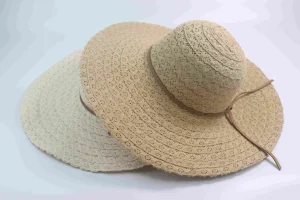
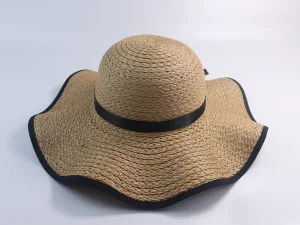
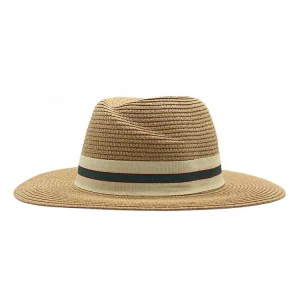
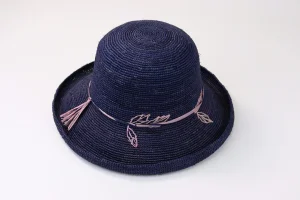
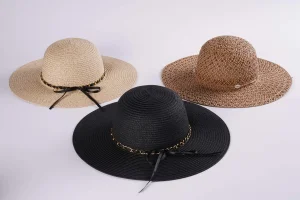
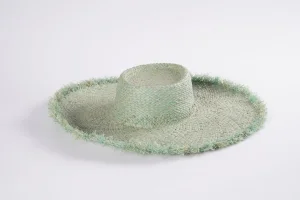
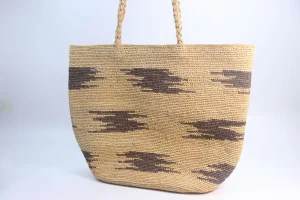
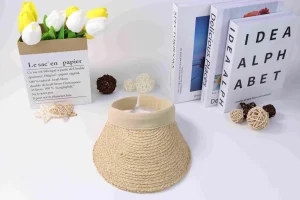
Featured Straw Hat & Straw Bag Selections
Hand-picked silhouettes that anchor most women's straw programs — from UV visors to oversized raffia tote bags. Every item is customizable in material, color, trim and private label.
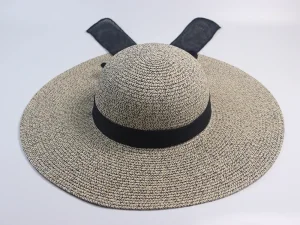
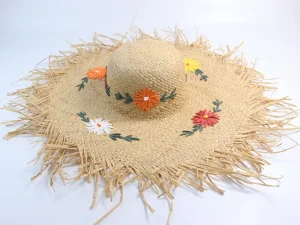
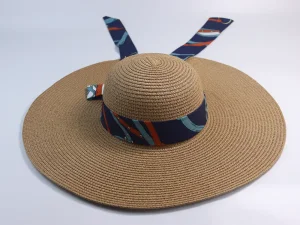
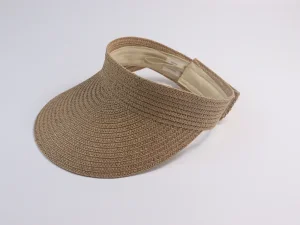
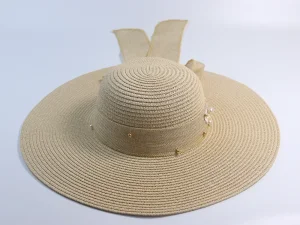
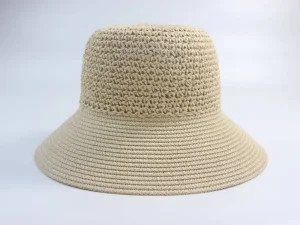
Localized Application Scenarios
Where Leading Straw Bag Women Exporters Actually Sell
Straw bags are not a single category — they behave differently per region and sales channel. The table below is the practical localization framework our team uses when helping importers plan an assortment.
Resort & Coastal Retail
Hotel gift shops and beach boutiques in Florida, Cancún, Bali and the Greek Islands favor oversized raffia totes with bow or shell trims, because tourists buy quickly and pack lightly. Lightweight weave and flat-fold construction reduce shelf damage.
Fast-Fashion & E-commerce
Online dropship sellers in the US and EU need low MOQs (50–100 pcs) and consistent SKU-level photography. Our in-house sample room supports rapid colorway prototyping before investing in bulk production.
Grocery & Private-Label Programs
Supermarket and discount chains in the Netherlands, Germany and Australia buy caps, tags and trims to a fixed price ladder. We consolidate multi-SKU orders into single containers for cost-effective LCL/FCL shipping from Qingdao Port.
Festival & Lifestyle Events
Country music festivals, rodeos and outdoor weddings in Texas, Queensland and Spain drive demand for structured straw bags and cowboy-hat pairings. Custom hand-tag and woven-label branding turns these into repeat seasonal drops.
Sustainable & Ethical Fashion
Brands in Scandinavia and Canada spotlight natural raffia, paper straw and hand-woven stories. Traceable raw materials, in-house weaving and low-waste cutting support honest green claims — without greenwashing.
Children & Toy Segments
Mini straw bags sold alongside toy hats in theme parks and family retail chains use softer fibers and rounded trims to satisfy toy-safety expectations in North America and the EU.
Supply Chain Resilience & Efficiency
Why Chinese Straw Bag Factories Outperform in Lead Time and Cost
China remains the world's dominant exporter of hand-woven straw bags because the industry clusters — raw materials, weaving, blocking, trim and finishing — sit within a few kilometres of each other. Lige Hats operates inside that cluster in Linyi, Shandong, giving importers three structural advantages.
Integrated Cluster
Raw raffia and paper straw supply, weaving looms, blocking presses, trim suppliers and QC labs are all reachable within a 1-hour drive, cutting coordination overhead and reducing material lead times by weeks versus dispersed sourcing.
Skilled Labour Density
Linyi has built weaving expertise across multiple generations. The result is reliable hand-finishing for raffia trims, bow attachments and leather straps where automation cannot substitute human skill.
Export Gateway Access
Qingdao Port offers weekly FCL sailings to Los Angeles, Rotterdam, Sydney and Yokohama. LCL consolidation via Linyi's freight network keeps small-order buyers competitive on landed cost.
| Stage | In-House Location | Typical Lead Time | Buyer Benefit |
|---|---|---|---|
| Raw material sorting | Linyi facility | 2–5 days | Consistent weave character and dye lot control |
| Weaving & blocking | Linyi facility | 10–18 days | Shape retention and accurate brim sizing |
| Trims & finishing | Linyi facility | 5–10 days | Bow, patch and label application under one roof |
| Final QC & packing | Linyi facility | 3–5 days | Reduced damage claims and inspection failure risk |
| Container loading | Qingdao Port | 1–3 days | Weekly FCL/LCL departures to major markets |
Global Commercial Landscape
The Global Women's Straw Bag Market in Context
Three structural shifts define demand for straw bags in 2024–2027 and shape how importers should structure their programs.
Rising Demand for Natural Materials
Consumers in North America and Europe increasingly reject single-use synthetics. Raffia and paper straw bags position well against plastic totes and offer a defensible sustainability narrative when materials are traceable.
Shortened Product Cycles
Social-media trend cycles compress the "beach bag" season into tight windows. Flexible MOQ programs let brands replenish winning SKUs rather than commit to seasonal overstock.
Consolidated Buyer Trust
Large retail buyers prefer fewer, more reliable supplier partners. Exporters who document QC, sustainability and communication standards convert first-time buyers into multi-season programs.
Technology Roadmap & Future Outlook
From Hand-Weaving to Digital-First Manufacturing
Straw bag manufacturing is not static. Lige Hats' technology roadmap pairs traditional hand-weaving with digital tooling — giving buyers transparency into how future cooperation will scale.
Digital Color Library
Pantone-matched yarn archives reduce color drift between sampling and bulk production.
CAD & 3D Pre-Viz
3D renders let brands review shape, trim and label placement before physical samples are made.
QC Image Trails
Every production lot is photographed at weaving, finishing and final inspection — auditable for buyer QC teams.
Digital B2B Order Portal
Order status, shipping docs and spec history in one interface for multi-market accounts.
Looking further ahead, we are evaluating traceable raffia sourcing with QR-based lot labeling, closed-loop trim recycling, and low-energy blocking processes. The goal is not to automate the artisan hand-work that defines quality, but to make the compliance, delivery and communication layer as reliable as a modern software product.
Localized Support & Compliance Assurance
Export-Ready for Every Major Market
Buyers in each market ask for different documents, labeling conventions and packaging formats. Lige Hats ships DDP, DAP, FOB Qingdao and CIF, and pre-empts compliance friction with a documented export pack.
United StatesCPSC labeling support, Prop 65 warnings pre-printed where required, US-style hang tags & UPC-compatible labels.
CanadaBilingual EN/FR labeling for retail buyers, CSA-aligned compliance notes on trims and hardware.
European UnionREACH material documentation, EUDR-friendlier raffia sourcing notes, CE-adjacent packaging information.
Australia & NZBiosecurity-aware raw-material declarations, ACCC-friendly care and composition labeling.
JapanHousehold Goods Quality Labeling Act documentation, precise size tolerance and packing conformance.
Mexico & LATAMSpanish-language labeling, INMETRO-style conformity support for retail buyers crossing into Brazil.
For every order — from a 50-piece boutique test to a 20,000-piece private-label rollout — the export pack includes proforma invoice, packing list, bill of lading, commercial invoice, certificate of origin where applicable, and QC photo reports. Conflict-of-interest-free material sourcing documentation is available on request.
The OEM / ODM Buyer Workflow
How a Straw Bag Program Gets Built with Lige Hats
A transparent six-step process that keeps buyers informed from first brief to container loading — the same workflow we describe to new importers during their first week.
Share Your Brief
Style, material, size, color, branding, target quantity and destination market.
Design & Sampling
Our designers suggest materials and produce samples with 5–10 day turnaround.
Approval
Confirm samples, labels, packaging format and delivery schedule.
Production
Material sorting, weaving, blocking and finishing all under one roof.
Quality Inspection
Final inspection of shape, stitching, size and trims — photo-documented.
Export Shipping
FCL or LCL sea freight via nearby Qingdao Port, or air for urgent orders.
After-Sales
Dedicated account contact with 8-hour response and action commitment.
Program Expansion
Repeat-season replenishment, new colorways, expanded SKU ranges.
Buyer Q&A
Straw Bag & Straw Hat Sourcing FAQ
Direct answers to the questions importers, private-label brands and retail buyers ask most often during the evaluation stage.
What is the minimum order quantity for custom straw bags and hats?
Our starting quantity for small orders is 50 to 100 pieces per design, depending on the material and craftsmanship. This lets boutiques, emerging brands and importers test new styles before scaling up, without taking on excess inventory risk.
Can Lige produce private-label straw bags with our own logo?
Yes. OEM and ODM production is our core business. We can customize shape, material, color, size and trim (including bows, straps, patches and woven labels), and add branding elements such as hang tags and packaging. Our in-house designers can also develop new styles from your mood board or reference samples.
Where is your factory located and how are orders shipped?
We are located in Linyi City, Shandong Province, China, close to Qingdao Port. Bulk orders are typically exported by sea freight as FCL or LCL shipments, while samples and urgent small orders can be sent by air or express courier. DDP, DAP, FOB Qingdao and CIF terms are all supported.
Which markets do you export straw bags to?
Most of our products are exported to the United States, Canada, Australia, Mexico, Western Europe and Japan. We serve customers in more than 60 countries and work with over 25 global distributors.
How quickly does your team respond to buyer requests?
We respond and take action within 8 hours, covering product questions, sampling, order follow-up and after-sales service. Each account has a dedicated contact who handles logistics, compliance documentation and production updates.
What materials do you recommend for women's straw bags?
Raffia is the most versatile for premium summer programs — it holds bold colors, drapes softly and packs well. Paper straw delivers consistent tone at a competitive cost for volume programs. Natural grass straw is best for structured pieces where shape retention matters. We can supply material swatch books on request.
What do you manufacture besides straw bags?
Alongside straw bags, we manufacture straw hats (Panama, fedora, cowboy, boater, bucket, floppy, sun visors), paper bags, paper hats, children's straw hats, toy hats, lifeguard hats, winter hats and other bags — meaning a single supplier can cover a full seasonal assortment.
How do you handle compliance documentation for EU and US buyers?
Every export pack includes proforma invoice, packing list, bill of lading, commercial invoice and certificate of origin where applicable. For EU buyers we provide REACH-related material notes, and for US buyers we support CPSC and Prop 65 labeling considerations. QC image reports are included for every production lot.
Ready to Source High-Quality Straw Bags from a Leading Chinese Exporter?
Send us your style references, target quantity and destination market. Our team will respond within 8 hours with material suggestions, a sampling plan and a production timeline.
Start a Conversation
Explore More
Additional Straw Styles from Lige Hats
Continue browsing across the wider collection — from western straw hats to a women's hand-woven raffia straw tote bag built for beach and vacation use.