Executive Summary
Inside the Global Straw Woven Bag Supply Chain
Straw woven bags sit at the intersection of sustainable fashion, artisan craft and industrial-scale export. For procurement teams, brand owners and importers, choosing the right leading straw woven bag exporters determines landed cost, compliance risk, sell-through velocity and long-term brand equity. This deep-dive distills more than 15 years of factory-side operating knowledge from Shandong Lige Import & Export Co., Ltd. — a Linyi-based manufacturer shipping straw bags, raffia totes and natural-fiber hats to 60+ countries.
15+Years Manufacturing
60+Export Markets
25+Global Distributors
50–100MOQ Per Design
Search Intent Mining
What Global Buyers Actually Search For
Semantic analysis of B2B queries shows four dominant intent clusters behind the term "leading straw woven bag exporters". Aligning content and product pages to these clusters is how informational queries convert into RFQs.
Transactional Intent
"Wholesale raffia tote bag supplier", "custom straw beach bag manufacturer" — buyers comparing MOQ, price tiers and lead times from multiple factories.
Commercial Investigation
"Best straw bag manufacturers in China", "top 10 woven bag exporters" — buyers building shortlists and vetting supplier credibility.
Informational Intent
"What material is best for straw bags", "raffia vs paper straw" — early-funnel research on fiber performance, durability and sustainability.
Comparative Intent
"Straw bag suppliers comparison", "China vs Vietnam straw bag factory" — buyers weighing compliance, freight and total landed cost.
Industry Trends
Seven Forces Reshaping Straw Woven Bag Demand
The straw bag category has moved from a seasonal beach essential to a year-round fashion accessory with measurable sustainability credentials. These are the trends our sales and design teams track every quarter.
1. Sustainable-Material Preference
Buyers increasingly request raffia, seagrass, abaca and paper straw over synthetic fibers as ESG reporting becomes mandatory in the EU and North America.
2. Handcraft Premiumization
Artisan-weaving details, embroidery and hand-stitched leather handles command 2–3x wholesale price uplift versus machine-only designs.
3. Packable & Travel-Ready Design
Foldable, lightweight totes align with the travel-retail and resort-wear boom; buyers test packability as a stock-fit requirement.
4. Year-Round Colorways
Neutrals and "old money" silhouettes extend sell-through beyond summer, driving repeat POs into Q4 and Q1.
5. Direct-to-Consumer Short Runs
DTC brands require MOQs as low as 50 pcs and rapid sampling — a shift that favours flexible factory partners over large trading houses.
6. Nearshore Risk Diversification
While China remains the lowest total-landed-cost origin for handwoven bags, buyers dual-source 10–20% of volume for resilience.
Macro Solutions
End-to-End Solutions for Global Retail Programs
Leading exporters are no longer just factories — they orchestrate a full-service sourcing chain. Our manufacturing framework delivers four integrated layers that remove friction from a buyer's seasonal launch.
Design & Sampling
In-house designers translate mood boards into CAD sketches, then into physical samples within 7–10 days. Full ODM development is offered at no extra design fee for orders above MOQ.
Production & QC
Raw-fiber sorting, weaving, blocking, finishing and final inspection are all handled on one site. A QC manager with 15 years of experience oversees AQL 2.5 inspection on every export container.
Compliance & Export
Documentation, HS classification, FSC/packaging specifications and sea-freight consolidation via Qingdao Port are bundled into a single accountable workflow.
Localization & Compliance
Localized Support, Compliant Delivery
International buyers rarely lose money because of weaving quality — they lose it to documentation errors, packaging mismatches and missed compliance windows. That is why our export team treats compliance as a product feature.
- Language support: English-speaking sales team, 8-hour response SLA across RFQ, sampling, production and after-sales.
- Regional packaging: multi-language hang tags, EU GPSR-ready labeling, US CPSIA child-safety labeling for children's lines.
- Freight optimization: FCL and LCL consolidation from Qingdao Port; sample and urgent orders via air express.
- Documentation: commercial invoice, packing list, B/L, CO, phytosanitary documentation where required for natural fibers.
- Payment security: T/T, L/C at sight and Alibaba Trade Assurance terms available per buyer profile.
Buyer Reliability Snapshot
Factory location: Linyi, Shandong, China — 2.5 hours from Qingdao Port, one of the world's busiest container gateways.
Primary markets: USA, Canada, Australia, Mexico, Western Europe, Japan.
Typical lead times: 7–10 days sampling; 25–40 days production depending on volume and finishing complexity.
Quality benchmarks: AQL 2.5 final inspection, documented pre-production and inline QC reports shared with buyers.
Technology Roadmap
2026–2030 Roadmap for Straw Woven Bag Manufacturing
The most competitive exporters are already investing in the digital and material transformations that define the next five years of sourcing. Here is our forward-looking roadmap.
Phase 1 · 2026
Digital Sampling
3D rendering of bag silhouettes with swap-in fiber and color previews, cutting sample cycles before physical prototyping by up to 40%.
Phase 2 · 2027
Traceable Fibers
Batch-level tracking from fiber supplier to finished carton, supporting EU digital product passports and ESG reporting requirements.
Phase 3 · 2028
Automated Weaving Cells
Hybrid manual-automated weaving cells raise output consistency while preserving the handcrafted look buyers demand.
Phase 4 · 2029–2030
Circular & Bio-Based Fibers
Commercial-scale trials of regenerated natural fibers and fully biodegradable trims, positioned for premium eco-lines.
Material Science
Choosing the Right Fiber for Your Line
The fiber defines hand-feel, price point, shipping resilience and the sustainability story you can credibly tell on the shelf. These four fibers cover 90% of incoming buyer briefs.
Raffia
Natural palm fiber with high dye receptivity, flexibility and packability. Best for premium floppy totes, resort bags and bold colorways.
Paper Straw
Lightweight, uniform and competitive on cost. Ideal for volume programs, fedora-style bags and promotional retail lines.
Natural Grass Straw
Crisp shape retention and an authentic artisanal look. Preferred for structured totes and premium heritage silhouettes.
Cotton & Knit
Extends seasonality beyond summer. Used for cross-body bags, children's bags and coordinated hat-bag sets.
Featured Products
Straw Bags, Totes & Accessories in Production
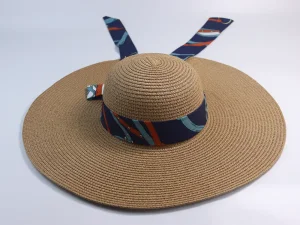
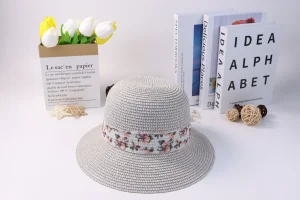
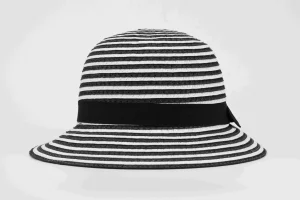
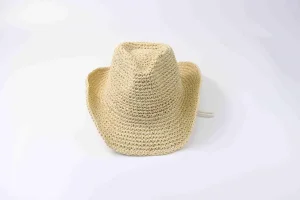
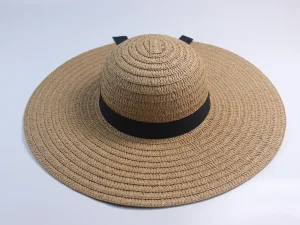
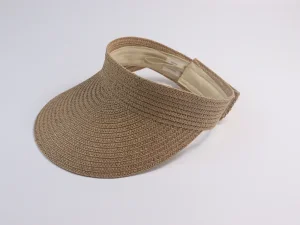
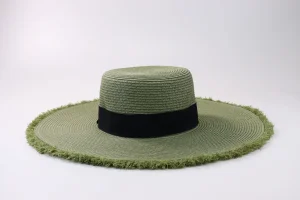
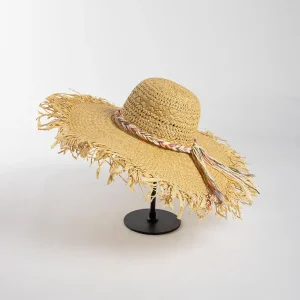
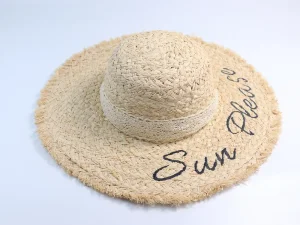
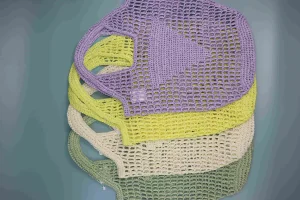
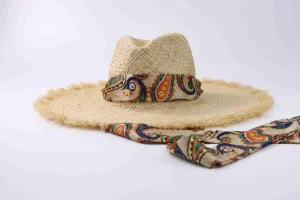
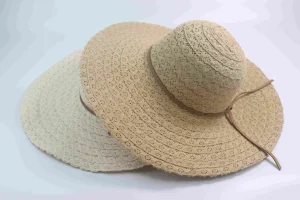
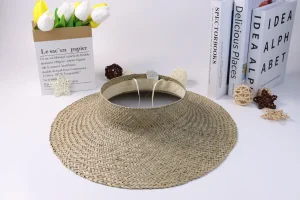
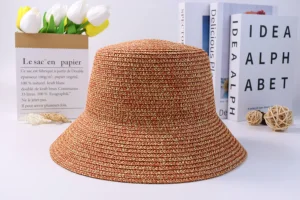
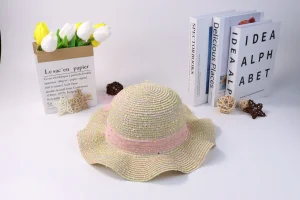
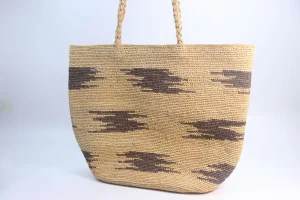
A selection from our active export catalog, each available with OEM logos, custom bands, private-label packaging and low-MOQ sampling.
Trust & Authority
Why Buyers Trust Lige Hats as a Leading Exporter
In B2B sourcing, "leading" is proven, not claimed. These are the experience, expertise, authority and trust signals that define our working relationship with global distributors.
Experience
15+ years of factory operations in Linyi, Shandong. 20-year production manager; 15-year QC manager; average 5+ years team tenure.
Expertise
In-house designers, material specialists and export documentation staff covering OEM, ODM and private-label programs.
Authority
25+ active global distributors and buyers across 60+ countries, from boutiques to mid-market retail chains.
Trust
8-hour response SLA, AQL 2.5 inspection, transparent sampling fees (credited on first PO) and multi-language support.
Working principle: a supplier is only as good as what happens after the PO. Our QC process, 8-hour response window and Qingdao Port logistics partners are built to keep landed cost, sell-through and brand reputation predictable — season after season.
Buyer Q&A
Frequently Asked Questions
Straight answers on MOQ, customization, shipping and quality — the questions our export team fields most often.
What is the minimum order quantity for custom straw woven bags?
Our starting quantity is 50 to 100 pieces per design, depending on material and craftsmanship. This allows boutiques, emerging brands and importers to test new styles before scaling up.
Can we produce private-label bags with our own logo?
Yes. OEM and ODM production is our core business. We customize shape, material, color, size and handles, and can add woven labels, patches, hang tags and packaging branding. Designers can also develop new styles from your mood board or reference samples.
Where is your factory located and how are orders shipped?
We are in Linyi City, Shandong Province, China, close to Qingdao Port. Bulk orders ship by sea as FCL or LCL; samples and urgent small orders can ship by air express.
Which markets do you export straw woven bags to?
Most products go to the United States, Canada, Australia, Mexico, Western Europe and Japan. We serve buyers across 60+ countries and work with more than 25 global distributors.
How fast does your team respond to buyer requests?
We respond and take action within 8 hours, covering product questions, sampling, order follow-up and after-sales service.
What else do you manufacture besides straw woven bags?
Alongside straw bags, we manufacture straw hats, paper hats, paper bags, children's straw hats, toy hats, lifeguard hats, sun visors and winter hats — giving buyers a single, coordinated accessory supplier.
Can you handle compliance documentation for the EU and US?
Yes. Our export team prepares multi-language labeling, CPSIA child-safety labels for children's lines and EU GPSR-ready packaging. Natural-fiber shipments include phytosanitary documentation where required by the destination market.
Ready to Source Your Straw Woven Bag Program?
Share your style references, target quantity and destination market. Our export team replies within 8 hours with material recommendations, a sampling plan and a production timeline.
More from the Catalog
Explore Additional Straw Bags & Accessories
Additional styles from our active export line, each eligible for OEM branding, private-label packaging and sample orders from 50 pcs.