
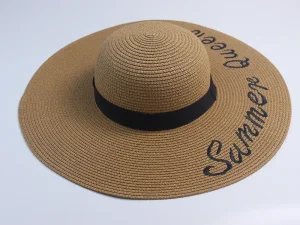
Featured Straw Products
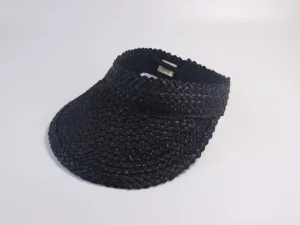
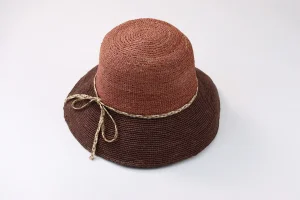
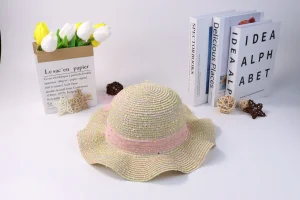
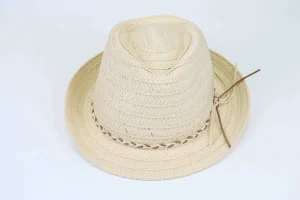
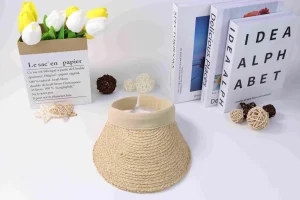
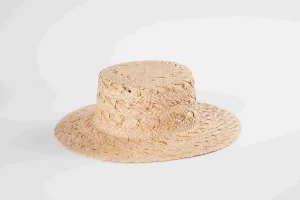
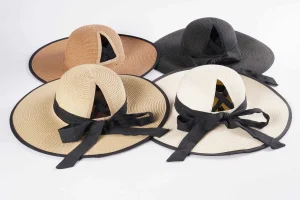
Handwoven Straw Bags & Hats Ready for Private Label
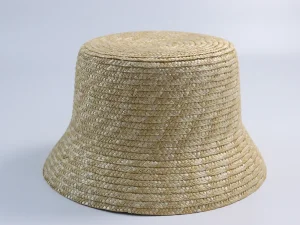
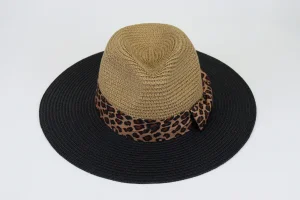
Our highest-turnover silhouettes for importers, boutique brands and resort retail programs. Every style below can be produced in raffia, paper straw or natural grass straw, with custom bands, embroidery, woven labels and packaging.
Global Procurement Landscape
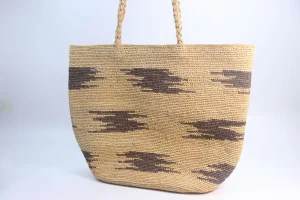
Why Global Enterprises Are Re-specifying Straw Woven Bags in 2025–2026
Straw woven bags — the tote, shoulder and market-bag family produced from handwoven raffia, twisted paper straw and natural grass fiber — have quietly moved from souvenir-tier merchandise to a strategic accessory category for resort retail, coastal fashion, hospitality gifting and eco-conscious fast fashion. For procurement teams, that shift changes the specification conversation entirely.
Where a buyer once asked "what is your cheapest woven bag?", the questions now are: Is the fiber traceable and dye-compliant? Can the handle load-bearing be validated? Does the weave pass tensile tests after simulated transit? Can the supplier support store-level replenishment across 4 seasons without re-tooling? Lige has answered those questions for importers in the United States, Canada, Australia, Mexico, Western Europe and Japan — serving customers in more than 60 countries and working with over 25 global distributors.
This document consolidates what our production and QC teams have learned across 15+ years of OEM and ODM straw manufacturing. It is written for sourcing directors, brand founders and private-label product managers who need an evidence-based view of woven bag supply — not a brochure.
15Years Manufacturing
60Export Countries
25Global Distributors
50Min. Order (pcs/design)
Demand Drivers
Resort and cruise retail, coastal hospitality amenity programmes and "quiet luxury" accessory lines have expanded the addressable market. Buyers now source woven bags as tier-one fashion accessories alongside hats, not as incidental add-ons.
Material Innovation
Raffia's natural resins deliver flexibility plus vibrant dye receptivity; twisted paper straw delivers color uniformity and cost stability at scale. The right mix is dictated by target price, shape retention and packability claims.
Supply Realities
Hand-weaving is labor-intensive and seasonally constrained by fiber harvests. Enterprises win by locking capacity early, standardizing fiber grades and building a dual-material backup into the tech pack.
Enterprise Procurement Requirements
What Global Enterprise Buyers Actually Ask For
Enterprise purchasing behaviour in woven bags clusters into six recurring requirement patterns. Our sales and design teams have catalogued them below — along with how Lige responds to each.
1 · Seasonal Drop Discipline
Four to six drops per year with rapid style refresh. Buyers need suppliers who can prototype in under two weeks and hold molds/blocks so reorders do not require re-sampling.
2 · Full Customization Stack
Custom shape, material, colour, size and handle configuration, plus branding through woven labels, patches, embroidery, hang tags and debossed leather trims.
3 · Compliance Documentation
REACH and CA Prop 65 statements for dyes and finishes, fiber composition declarations, AZO-free evidence and children's product safety documentation for the kids' lines.
4 · Factory Transparency
Verified production address, in-house weaving and finishing rather than trading-desk sourcing, and willingness to host video or in-person audits tied to the actual line.
5 · Logistics Reliability
FCL and LCL sea freight through Qingdao Port, consolidated carton markings, moisture-barrier inner packing and the ability to split shipments across multiple destination DCs.
6 · Service Response Time
Reply and action within 8 hours for queries, sampling progress, order follow-up and after-sales — a benchmark our team treats as a contractual expectation, not an aspiration.
Field note: Across the last three sourcing seasons, the single most common reason a woven bag program slips is not fibre price — it is late technical sign-off on handle attachment and lining construction. Buyers who approve the construction spec before fabric purchase consistently hit their vessel cut-offs.
Macro Industry Solutions
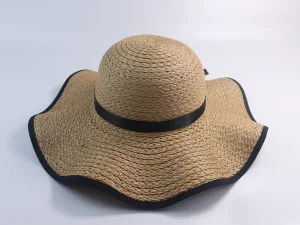
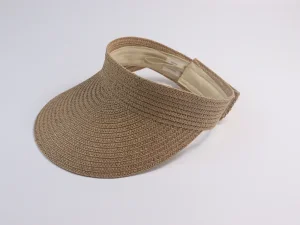
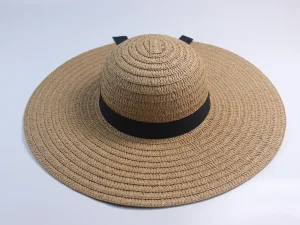
Sector-Specific Woven Bag Programs
Straw woven bags are rarely a single-market product. The same weaving capacity serves very different commercial contexts, each with its own price architecture, packaging and compliance profile.
Resort & Hospitality Retail
Hotel boutiques, cruise lines and destination retail chains need coherent capsule collections that photograph well and pack flat. Raffia totes with leather-look trims and embroidered logos are the anchor. Key spec: packability plus a consistent colour story across 6–12 SKUs.
Fashion & Fast-Retail Programs
Tight calendars, aggressive target costs, high colour-way count. Twisted paper straw dominates here because it delivers uniform colour and predictable shrinkage. Key spec: reorder stability at 50–100 pcs per design so risk is distributed across more SKUs.
Promotional & Corporate Gifting
Branded woven bags for conferences, retail promotions and loyalty programmes. Volume is high, decoration is logo-driven, and delivery windows are unforgiving. Key spec: factory-held blank stock plus fast decoration turnaround.
Children's & Family Lines
Kids' sun hats with neck flaps, toy hats and family matching sets. These carry the heaviest documentation burden — safety, dye-fastness and small-part standards. Key spec: complete technical file at the sampling stage.
Eco & Sustainable Capsules
Buyers building "natural fibre" narratives need fiber provenance and honest durability claims. Hand-woven raffia supports a credible craft story without greenwashing risk. Key spec: documented fiber origin and non-toxic dye statement.
Wholesale & Distribution
Regional distributors carrying broad SKU assortments across hats and bags in a single container. Mixed-carton consolidation and clear barcode labelling matter as much as unit price. Key spec: one supplier covering straw hats, paper hats, straw bags and paper bags.
Buyer's Material Reference
Fiber Selection Matrix for Woven Bags & Hats
The fiber decision drives hand-feel, shape retention, price point and how well a product survives ocean freight. Use this matrix as the starting point for your tech pack conversation.
| Fiber | Hand-Feel & Structure | Best Product Fit | Dye & Colour Behaviour | Buyer Consideration |
|---|---|---|---|---|
| Raffia | Soft, flexible, natural resins support recovery after folding | Floppy totes, bucket bags, premium resort lines, straw bags | Highly dye-receptive; supports bold saturated colourways | Ideal for "packable" claims; confirm fibre origin for provenance storytelling |
| Paper Straw | Lightweight, uniform weave, moderate stiffness | Fedoras, Panama-style hats, seasonal and promotional retail | Clean, consistent colour matching at volume | Add "keep dry" care labels — paper straw softens when soaked |
| Natural Grass Straw | Crisp, structured, artisanal appearance | Boater hats, cowboy hats, structured market bags | Natural tonal variation between batches | Choose when shelf shape retention and premium perception matter most |
| Wheat Straw | Firm, fine weave, excellent crown definition | Top hats, structured silhouettes, formal styles | Natural pale base, accepts tonal dyes well | Specify sawtooth or trim detailing at tech-pack stage |
| Fabric & Knit | Soft, stretch or structured per knit gauge | Visors, winter hats, children's hats, toy hats | Full Pantone range via yarn dyeing | Pair with straw lines for a year-round single-supplier program |
Design tip from our sample room: when a buyer wants both a raffia tote and a matching paper-straw hat in the same colour, request a dual-material lab dip. The two fibres dye differently and a single Pantone reference can drift 1.5–2.5 ΔE between them.
Technical Roadmap & Future Outlook
Where Woven Bag Manufacturing Is Heading
Forecasting in handcraft-adjacent manufacturing is imperfect, but several directional shifts are already visible in our order book and in buyer briefs. Sourcing teams that plan two seasons ahead will capture most of the value.
Fibre Standardization
Buyers are consolidating to two or three approved fiber grades per category to reduce lab-dip cycles and quality variance across shipments.
Digital Tech Packs
3D specification files with construction callouts are replacing photo-only references, shortening sampling rounds from three to one or two.
Traceability Documentation
Fiber origin declarations and dye compliance certificates are moving from "nice to have" to mandatory in European and North American vendor onboarding.
Hybrid Construction
Woven bodies with textile linings, leather-look trims and reinforced handles are expanding woven bags from beach-only into urban carry categories.
Small-Batch Replenishment
MOQ flexibility at 50–100 pcs per design lets brands hold less inventory and reorder winners faster — a structural advantage over rigid large-volume programs.
Automated QC Checkpoints
Measured brim, handle and stitch-density checks at multiple production stages reduce the cost of end-line inspection failures.
Buyer Sentiment Trends (Directional, 3-Season View)
What This Means for Your Next Program
Treat the fiber specification as a living document. Lock one primary and one fallback fiber for every hero SKU. Require construction sign-off before material purchase. And build reorder cadence into the contract rather than discovering it at the second purchase order.
Lige's design and QC teams can walk you through this structure line by line during a sampling kick-off call.
Global Commercial Status
The Current State of the Woven Bag Supply Chain
Handwoven straw manufacturing sits at an unusual intersection: it is simultaneously a traditional craft and an industrial supply channel. Understanding where capacity, cost and risk actually live is essential for enterprise buyers.
Capacity concentration. Weaving expertise clusters in specific regions, and skilled hand-weavers are a finite resource. Factories that own their weaving capacity — rather than brokering finished goods — have materially better control over quality consistency and delivery dates.
Cost structure. Raw fiber, labor and finishing (blocking, trimming, labelling) each contribute meaningfully, and none is easily substituted. Buyers who chase the lowest quoted unit price frequently absorb the difference later in rework, chargebacks or markdowns.
Lead-time reality. Sampling, material procurement, weaving, finishing and ocean transit are sequential and largely non-compressible. FCL and LCL shipments through Qingdao Port benefit from frequent sailing schedules, but buyers should still plan 30–45 days of buffer around peak season.
Logistics access. Lige is based in Linyi City, Shandong Province — within easy reach of one of China's major container gateways. Bulk orders typically ship by sea; samples and urgent small orders move by air or express courier.
In-House vs. Trading Desk
Raw material sorting, weaving, blocking, finishing and final inspection under one roof produces stable quality and pricing without middleman margins.
Deep Bench Experience
A production manager with 20 years of experience, a QC manager with 15 years, and a team averaging 5+ years — reflected in consistent weaves and accurate sizing.
Proven Export Track Record
Products shipped to the United States, Canada, Australia, Mexico, Western Europe and Japan — customers in 60+ countries and 25+ global distributors.
Localization & Compliance Assurance
Meeting Destination-Market Requirements
Export success is as much about documentation and local fit as it is about weaving quality. Each destination market carries its own expectations around labeling, chemical compliance and packaging.
North America
Fiber composition labeling, care instructions and children's product safety files. California Proposition 65 statements are commonly requested for dyes and finishes. Carton markings must suit retailer DC receiving standards.
European Union
REACH-relevant documentation for restricted substances, AZO-free dye evidence, and increasingly detailed fiber origin and sustainability statements. Multilingual labeling is typically required at retail level.
Australia & New Zealand
UV-protection marketing claims should be supportable. Buyers typically request UPF-relevant documentation for sun hats marketed with protection claims, alongside standard labeling requirements.
Japan & Asia-Pacific
Household goods labeling law, detailed fiber composition and strict dimensional tolerances. Packaging presentation quality is often weighted as heavily as the product itself.
Practical guidance: confirm the compliance checklist at the sampling stage, not at shipment. Documentation assembled after production is booked creates the highest risk of a missed vessel cut-off and the highest rework cost.
OEM & ODM Workflow
A Transparent Six-Step Production Process
From first brief to container loading, buyers receive status updates at each stage. Our team responds and takes action within 8 hours across product questions, sampling, order follow-up and after-sales service.
Share Your Brief
Style, material, size, colour, branding and target quantity.
Design & Sampling
Our designers recommend materials and develop samples.
Approval
Confirm samples, labels, packaging and delivery schedule.
Production
Material sorting, weaving, blocking and finishing in-house.
Quality Inspection
Final inspection of shape, stitching, size and trims.
Export Shipping
FCL or LCL sea freight via nearby Qingdao Port.
More Handwoven Styles
Additional Straw Woven Bags & Summer Accessories
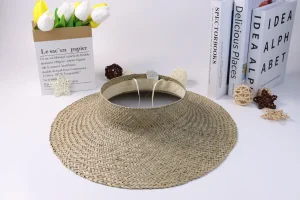
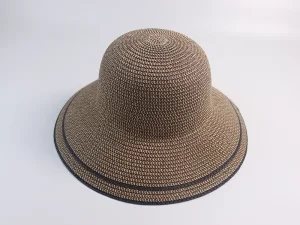
A second tier of proven silhouettes covering visors, bucket hats, customized Panamas, straw tote bags and genuine Panama cowboy styles — all available for OEM/ODM programs from 50–100 pcs per design.
Buyer Q&A
Questions Hat & Bag Buyers Ask Most
Straight answers on MOQ, customization, shipping, compliance and service. Need more detail? Our team replies within 8 hours.
What is the minimum order quantity (MOQ) for custom straw woven bags and hats?
Our starting quantity for small orders is 50 to 100 pieces per design, depending on material and craftsmanship. This lets boutiques, emerging brands and importers test new styles before scaling up — a meaningful advantage when you need to spread inventory risk across more SKUs.
Can Lige produce private-label woven bags with our own logo?
Yes. OEM and ODM production is our core business. We customize shape, material, colour, size and handle or band configuration, and can add branding such as woven labels, patches, embroidery and hang tags. Our in-house designers can also develop new styles from your mood board or reference samples.
Where is your factory located and how are orders shipped?
We are located in Linyi City, Shandong Province, China, close to Qingdao Port. Bulk orders are typically shipped by sea as FCL or LCL shipments, while samples and urgent small orders can be sent by air or express courier.
Which markets do you export to?
Most of our products are exported to the United States, Canada, Australia, Mexico, Western Europe and Japan. We serve customers in more than 60 countries and work with over 25 global distributors.
How quickly does your team respond to buyer requests?
We respond and take action within 8 hours — covering product questions, sampling, order follow-up and after-sales service.
What products do you manufacture besides straw woven bags?
In addition to straw bags, we manufacture straw hats, paper hats, paper bags, children's straw hats, toy hats, lifeguard hats, sun visors and winter hats — a full single-supplier assortment for importers and distributors.
Which fiber should I choose — raffia, paper straw or natural grass straw?
Choose raffia for packability and rich colour; paper straw for colour uniformity and cost stability at volume; and natural grass straw for crisp structure and premium perception. Many programs specify one primary and one fallback fiber per hero SKU to reduce sampling risk.
What compliance documentation can you provide?
Depending on the destination market, we can supply fiber composition declarations, dye and finish statements relevant to REACH and California Proposition 65 requests, care and labeling information, and children's product documentation. We recommend confirming the full compliance checklist at the sampling stage rather than at shipment.
Can you handle mixed containers across hats and bags?
Yes. Mixed-carton and mixed-SKU consolidation across straw hats, paper hats, straw bags and paper bags is standard for distributor accounts. Clear barcode and carton labelling can be configured to your receiving requirements.
Start Your Program
Let's Build Your Next Woven Bag Collection
Send us your style references, target quantity and destination market. Our team replies within 8 hours with material suggestions, a sampling plan and a production timeline.