
Kids · UV
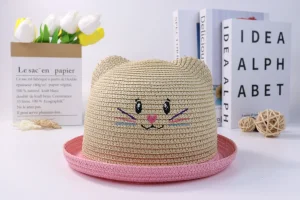
A buyer-facing technical and commercial dossier from Lige Hats — covering factory capability, material engineering, supply-chain resilience, compliance and the technology roadmap behind the world's summer accessories programs.
The eight silhouettes that open most new supply agreements. Each is production-ready in raffia, paper straw or natural grass straw, with custom branding, banding and packaging available from MOQ 50 pcs per design.
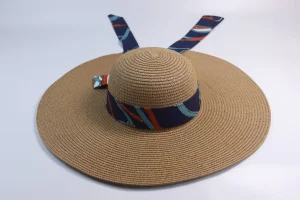
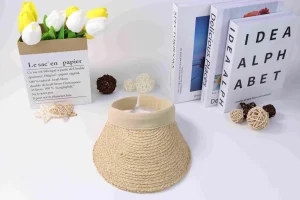
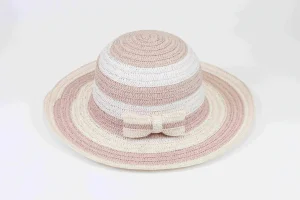
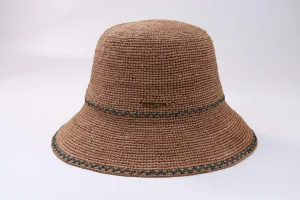
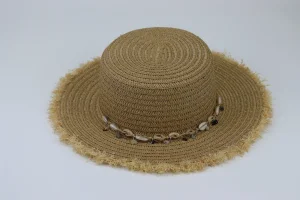
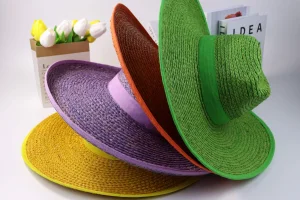
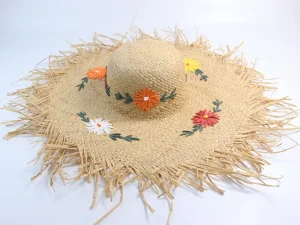
For more than 15 years, Shandong Lige Import & Export Co., Ltd. — trading as Lige Hats — has manufactured straw hats, paper hats, straw bags and paper bags for importers, brand owners and retail buyers worldwide. This document explains how that capability is structured, measured and improved: not as marketing language, but as a series of verifiable operating decisions a procurement team can audit.
A straw hat is deceptively simple. Behind a single floppy brim sit material selection, dye-lot control, blocking temperature, brim-wire tension, humidity exposure, carton compression strength and a dozen other variables that determine whether a retail program sells through or returns as a shrinkage claim. The difference between an average supplier and a leading one is not catalog size — it is process discipline measured at the point of production.
Lige operates as a direct factory in Linyi City, Shandong Province, close to Qingdao Port. Raw material sorting, weaving, blocking, finishing and final inspection run under one roof. That vertical control is why we can hold a 50–100 piece starting quantity without sacrificing unit economics, and why pricing stays stable across repeat seasons.
Buyer behavior in straw hats has shifted from purely seasonal, style-driven purchasing toward program-based sourcing with documented sustainability, sizing consistency and reorder velocity. Four demand patterns dominate enterprise briefs today.
Department stores, mid-market chains and discount formats want 6–14 SKUs per summer season, each with a distinct silhouette, shared color palette and consistent sizing across three head sizes.
Direct-to-consumer labels launch with 2–4 hero styles and demand genuine 50-piece runs, rapid sampling rounds and packaging that photographs well for social and marketplace listings.
Hotels, cruise lines and destination retailers require packable, crush-resistant hats with discreet brand embroidery and strict shipment timing tied to seasonal occupancy peaks.
Music festivals, sports events and brand activations order large single-run volumes with tight deadlines, requiring material substitution flexibility and express logistics options.
| Buyer Type | Primary Priority | Typical MOQ | Lead-Time Sensitivity | Best-Fit Program |
|---|---|---|---|---|
| Retail Private Label | Consistency & OTIF delivery | 1,000–10,000 pcs | Medium | Color-locked seasonal line |
| DTC New Brand | Speed to market | 50–300 pcs | High | Hero-style sampling sprint |
| Travel & Hospitality | Packability & branding | 300–2,000 pcs | High (fixed dates) | Custom embroidery program |
| Promotional Supply | Unit cost & volume | 5,000–50,000 pcs | Critical | Single-SKU volume run |
| Wholesale Distributor | Assortment breadth | 500–5,000 pcs | Low–Medium | Multi-shape catalog buy |
“Factory 4.0” is often used as a slogan. In headwear manufacturing it translates into four concrete capabilities: digital order tracking, standardized process control, modular line configuration and data-informed material planning. Here is how each one shows up on the floor in Linyi.
Every purchase order is tracked through gate-level milestones — brief approval, sample sign-off, material in-house, weaving start, blocking, finishing, QC pass and container load. Buyers receive milestone notifications rather than chasing status emails.
Blocking temperature, dwell time, brim-wire tension, stitch density and band attachment are specified per silhouette and checked at defined intervals. Standardization is what makes a 50-piece run and a 5,000-piece run behave the same way.
Weaving, blocking, finishing and packing cells are reconfigurable, allowing the same floor to switch between floppy brims, structured boaters and children's sizing groups without long changeover downtime.
Historical dye-lot performance, seasonal consumption curves and lead times for raffia, paper straw and natural grass inform purchase timing, reducing both stockouts before peak season and dead inventory afterwards.
The following metrics represent the operational levers buyers care about most when qualifying a straw-hat supplier. The bars show relative internal performance banding rather than absolute guarantees.
When weaving, blocking and finishing are external, every tier adds a timing dependency and a quality assumption. Bringing them in-house changes the failure model.
For buyers, the practical outcome is a supplier that answers capacity questions with numbers rather than reassurances — the single strongest predictor of a reliable peak season.
Headwear innovation is incremental, not theatrical. The roadmap below reflects the direction the category is moving — from material engineering and UV performance to digital product data — and how a supplier should be positioned for each phase.
Blending raffia with paper yarn or introducing treated natural grasses extends durability and shape memory while managing cost. Expect more specifications written around fiber composition rather than generic “straw.”
Horizon · Near TermRetail buyers increasingly want UPF-related documentation and breathability data rather than marketing claims. Suppliers who maintain test references can support compliant product pages and packaging statements.
Horizon · Near TermAs e-commerce share grows, crush resistance and post-shipping recovery become specification lines. Construction choices — wire cores, brim interfacing, weave density — are being selected for transit survival, not only for the showroom.
Horizon · Mid TermFiber-origin documentation and reduced-impact finishing are becoming part of supplier questionnaires. The direction is toward traceable raffia and grass sources with clearer chain-of-custody records.
Horizon · Mid TermDigital twins of hero silhouettes — enabling colorway previews and reduced physical sampling rounds — shorten development cycles and support marketplace content requirements at scale.
Horizon · Long TermAssisted inspection for weave regularity, band alignment and brim symmetry supports human QC rather than replacing it, improving consistency on large single-SKU runs.
Horizon · Long Term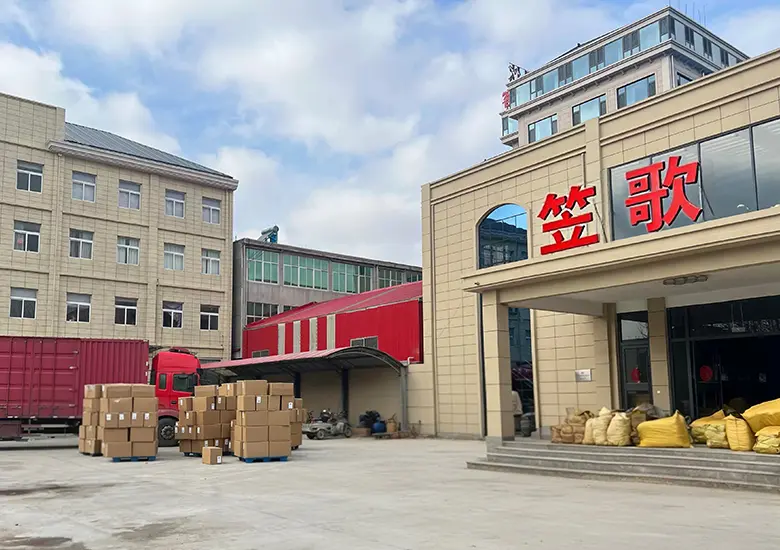
Buyers rarely purchase “a hat.” They purchase a season, a shelf plan, a marketplace catalog or a destination retail concept. Lige structures production around those units of demand.
A single distributor covering the United States, Canada and Mexico needs one silhouette family adapted to three climates and two labeling regimes. A resort group needs the same hat in three colorways with discreet embroidery. A marketplace seller needs hero imagery, clean titles and repeatable color across restocks. Each pattern maps to a different production configuration.
Brim width, weave openness and color depth are tuned to climate and culture: broad protective brims for high-UV markets, lighter weaves for humid regions, muted tones for European resort retail.
Retail-ready polybags, hang tags, care labels, barcode placement and carton marking are planned at sampling stage, not retrofitted before shipment.
FCL for stable seasonal volumes, LCL for mixed-SKU launches, and courier for samples. Consolidating hats with straw bags reduces per-unit landed cost on multi-category orders.
Clear product attributes — material, brim width, crown height, packability, care — support marketplace listings and reduce returns caused by expectation mismatch.
The fiber determines hand-feel, shape retention, price point and how well a hat survives shipping. This is how our product team advises buyers before sampling begins.
A natural palm-leaf fiber traditionally sourced from Madagascar. Its natural resins make it soft, flexible and highly dye-receptive, so brims can be packed and recover their shape.
Best for: floppy hats, bucket hats, premium resort lines, straw bags.
Buyer tip: ideal for “packable” claims and bold, saturated colorways.
Twisted paper yarn woven or braided into a lightweight, uniform fabric. It delivers clean, consistent colors and a competitive unit cost for volume programs.
Best for: fedoras, Panama-style hats, seasonal and promotional retail.
Buyer tip: add “keep dry” care labels — paper straw softens when soaked.
Braided natural stems with inherent stiffness, producing crisp, structured silhouettes and an authentic artisanal look that buyers value at premium price points.
Best for: boater hats, cowboy hats, lifeguard hats.
Buyer tip: choose it when shape retention on the shelf matters most.
Cotton, polyester and knitted constructions extend your assortment beyond summer and into children's and cold-weather categories.
Best for: visors, winter hats, children's hats, toy hats.
Buyer tip: pair with straw lines for a year-round single-supplier program.
Cross-border sourcing fails on documentation far more often than on product. Lige's export process is built around the paperwork a destination market actually requires, prepared at the time of order confirmation.
Commercial invoice, packing list, bill of lading and certificates prepared and cross-checked against the purchase order before dispatch.
Fiber content, country of origin, care instructions and importer identification configured per destination market.
Shape, stitching, sizing, trims and labeling inspected against the approved sample before cartoning.
English-language account management, with market-specific packaging text prepared from buyer-supplied wording.
Carton dimensions, polybag handling and compression strength planned against the buyer's logistics profile and marketplace requirements.
Four operating reasons importers and brand owners keep their seasonal programs with Lige — each tied to a measurable commitment rather than a slogan.
Start with 50 to 100 pieces per design, test the market and scale your winners — private-label launches without overstock risk.
A production manager with 20 years of experience, a QC manager with 15 years, and a team averaging 5+ years — reflected in consistent weaves and accurate sizing.
Raw material sorting, weaving, blocking, finishing and final inspection under one roof — stable quality and pricing without middleman margins.
Rapid response and action within 8 hours, from sampling questions to after-sales follow-up, with one dedicated contact for your account.
| Step | Stage | What Happens | Buyer Deliverable |
|---|---|---|---|
| 01 | Share Your Brief | Style, material, size, color, branding and target quantity are captured. | Confirmed brief document |
| 02 | Design & Sampling | Designers recommend materials and develop physical samples. | Sample with material options |
| 03 | Approval | Samples, labels, packaging and delivery schedule are confirmed. | Signed off specification |
| 04 | Production | Material sorting, weaving, blocking and finishing run in-house. | Milestone status updates |
| 05 | Quality Inspection | Shape, stitching, size and trims are inspected before packing. | Inspection confirmation |
| 06 | Export Shipping | FCL or LCL sea freight via nearby Qingdao Port. | Shipping documents |
Straight answers on MOQ, customization, shipping, compliance and service. Need more detail? Our team replies within 8 hours.
Unit price dominates negotiation conversations, but landed cost is decided by a wider set of variables. Buyers who track these five factors usually end up with a lower true cost even when the quoted unit price is slightly higher.
A brim that arrives bent or a size that runs short converts a cheap hat into an expensive one. Sizing accuracy and carton protection are cost items, not overheads.
Nestable shapes and efficient carton dimensions reduce volumetric weight. Consolidating hats with straw bags lowers per-unit shipping cost on mixed orders.
A late container misses a peak window and forces markdown. Milestone transparency matters more than a two-week-faster verbal promise.
If every restock requires a new color match and a new sample round, replenishment cost rises invisibly. Retained standards remove that friction.
Incomplete attributes cause expectation mismatch and returns. Supplying accurate material, brim and care data protects marketplace ratings and repeat purchase.
A second set of production-ready styles spanning bucket silhouettes, boater classics, wide-brim and organza constructions, and 100% natural hand-woven raffia. Every item can be quoted with your branding, packaging and destination requirements.
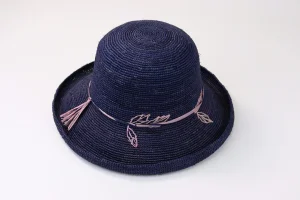
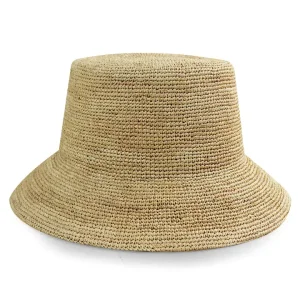
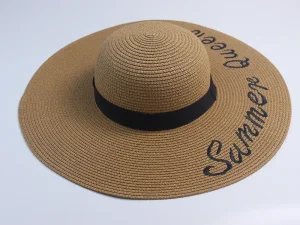
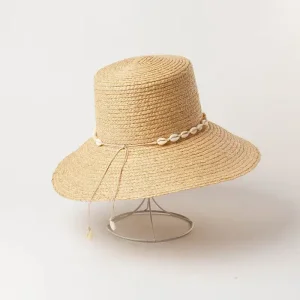
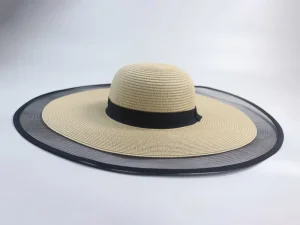
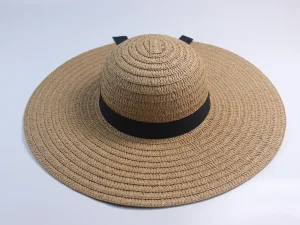
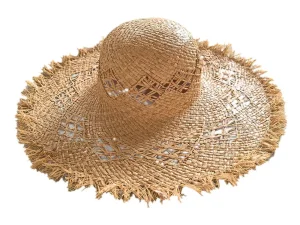
Shandong Lige Import & Export Co., Ltd. is based in Linyi City, Shandong Province, within easy reach of Qingdao Port — one of China's major container gateways. For more than 15 years we have focused on straw hats, paper hats, straw bags and paper bags, combining traditional hand-weaving skills with modern blocking and finishing expertise.
Our customers are importers, wholesalers, brand owners and retailers in the United States, Canada, Australia, Mexico, Western Europe and Japan. They rely on our professional designers, an efficient sales team, competitive factory pricing and dependable quality. Our goal is simple: to become your one-stop hat supplier.
Send your style references, target quantity and destination market. Our team replies within 8 hours with material suggestions, a sampling plan and a production timeline.
+86 136 8639 8175 · [email protected] · WhatsApp +86 178 6505 3218