
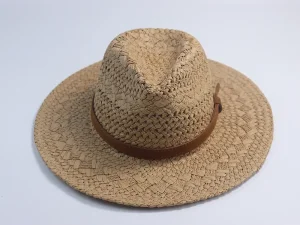
Featured Product Lines
Bulk-Ready Hat Programs Buyers Reorder Season After Season
Every style below is manufactured in-house and available for private label, custom sizing, and colorway development from 50–100 pieces per design.
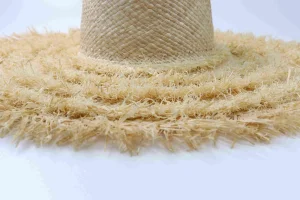
Wholesale Stylish Raffia Hats for Australian Sunshine & Outdoor Fun Manufacturers, Factory
View Product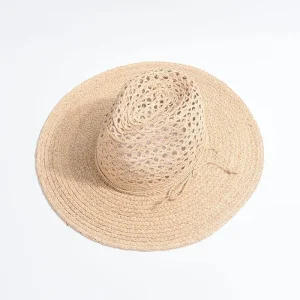
Wholesale Panama Hat, Woven Straw Panama Sun Hat, Classic Wide Brim Summer Vacation Hat Manufacturers, Suppliers
View Product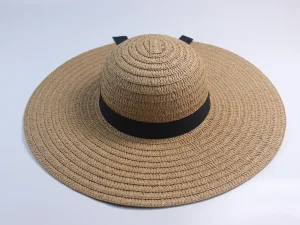
China Big Hat New Style Paper Straw Hats for Women - Summer Floppy Sun Hats from China Suppliers and Factory Supplier, Factory
View Product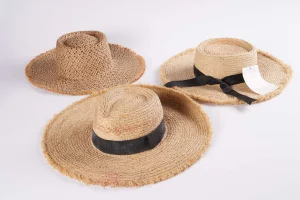
China Stylish Country Hats for Every Outdoor Adventure Suppliers, Factory
View Product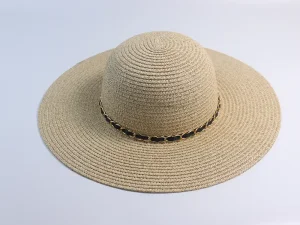
Wholesale Wholesale Women Summer Seaside Straw Sun Visor Hat - Custom Handmade Sun Protection from China Suppliers and Factory Manufacturer, Factory
View Product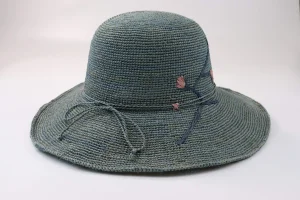
High-Quality Raffia Bucket Hat for Women, Foldable Wide Brim Straw Hat, Casual Vacation Sun Protection Hat Suppliers, Factory
View Product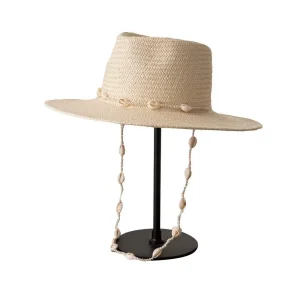
High-Quality Women's Straw Boater Hat, Flat Top Wide Brim Summer Sun Hat with Ribbon Band Manufacturer, Suppliers
View Product
Executive Summary
Why Bulk Cowboy Hats Became a Strategic Sourcing Category
Straw cowboy hats sit at the intersection of three durable demand drivers: sun protection regulation, western lifestyle retail, and festival-driven seasonal spikes. For importers and brand owners, that combination creates a predictable annual reorder cycle — but only when the factory behind it can guarantee consistent weave density, crown symmetry, brim stiffness, and calibrated sizing across a 10,000-piece run.
Over more than 15 years, Shandong Lige Import & Export Co., Ltd. has refined that exact production model in Linyi, Shandong — within easy reach of Qingdao Port, one of China's major container gateways. From Panama and fedora styles to cowboy, boater, bucket and floppy sun hats, our designers and production team sample and manufacture collections in-house, then ship FCL or LCL to more than 60 countries.
This whitepaper consolidates what our sales and QC teams have learned from 25+ global distributors: how the category is evolving, how buyers actually evaluate a supplier, where compliance risk hides, and what a realistic technical roadmap looks like for the next three to five seasons.
Supplier Snapshot
A verified factory profile is the first filter every serious buyer applies.
| Factory base | Linyi, Shandong, China |
| Experience | 15+ years in straw hats |
| Starting MOQ | 50–100 pcs per design |
| Export port | Qingdao (FCL & LCL) |
| Markets served | 60+ countries |
| Response SLA | Within 8 hours |
50–100Pieces per design starting quantity
8 hrsResponse & action on every request
60+Countries served across 6 continents
25+Global distributor partnerships
Industry Trends
Six Forces Reshaping the Bulk Cowboy Hat Market
Buyers who understand structural shifts place better orders — earlier in the season, at more accurate price points, and with fewer returns.
Sustainability Becomes a Purchase Filter
Natural raffia, paper straw and undyed grass fibers increasingly appear on buyer RFQs as specified requirements, not optional extras. Retailers want traceable material stories for their product pages.
Low-MOQ Test-and-Scale Buying
Boutiques and DTC brands now launch with 50–100 pieces per design, then scale winners. Factories that cannot support small first orders lose the long-term program.
UPF & Sun Protection Claims
Especially in Australia, the US Sun Belt and Southern Europe, wide-brim styles with documented UPF50+ construction move faster than fashion-only silhouettes.
Festival & Rodeo Seasonality
Country music festivals, rodeos and outdoor events concentrate demand into narrow windows — rewarding buyers whose suppliers can commit to firm delivery dates.
Packable & Travel-Optimized Shapes
Raffia and paper straw constructions that recover shape after compression support "packable" marketing claims and reduce shipping damage claims.
Private-Label Standardization
Woven labels, hang tags, patches and consistent colorway naming are now baseline expectations, not premium add-ons — pushing buyers toward integrated OEM/ODM partners.
Global Procurement Demand
How Buyers in Each Region Actually Purchase
Regional buying behavior differs sharply. Our sales team profiles requirements by market so sampling and packing match local expectations from the first quote.
United States
Rodeo, country music and western retail drive spring–summer peaks. Buyers prioritize cattleman crown accuracy, brim stiffness and consistent size grading.
Australia & NZ
Sun protection is a public health topic. Wide-brim, UPF-oriented raffia and grass styles dominate, with strong demand for packable travel shapes.
Western Europe
Resort, wedding and coastal retail favor boater, Panama and floppy silhouettes. Buyers emphasize material storytelling and clean finishing quality.
Japan & Korea
Precision sizing, tight tolerance on colorways, and careful carton presentation. Smaller order quantities per SKU but high repeat frequency.
Canada & Mexico
Mixed-season programs: western styles in summer, knit and winter hats in shoulder months. Single-supplier consolidation is a common buying strategy.
Brand Owners & DTC
Mood-board driven development. They need design support, rapid sampling, and confidence that a 200-piece test order will not become a dead end.
Importers & Distributors
Volume-driven programs with multi-year planning. Primary concerns: unit-cost stability, QC documentation, and reliable FCL loading schedules.
Retail Chains
Strict compliance packs, barcode and hang-tag standards, and pooled factory audits. Documentation quality can decide a supplier selection.
Assortment Architecture
Building a Hat Range That Covers Every Retail Slot
A well-constructed bulk order is not a pile of similar hats. It is a ladder: entry price, volume driver, margin builder and brand anchor. Below is the full 16-style reference ladder our design team uses when briefing a new seasonal program.
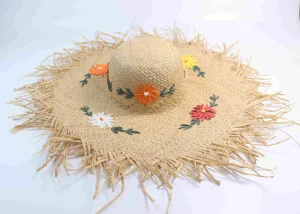
Wholesale Wide Brim Sun Hat for Women - UV Protection & Stylish Design Suppliers, Factories
View Product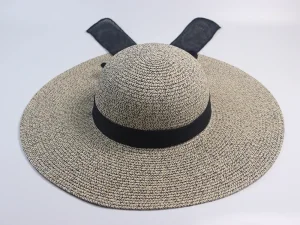
High-Quality Multi-colors lady hat summer hat floppy with big brim Suppliers, Factories
View Product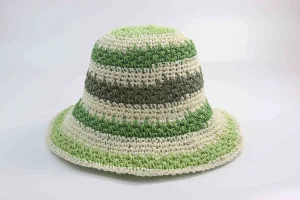
China Trendy Fashion Bucket Hat for Stylish Summer Looks Manufacturer, Suppliers
View Product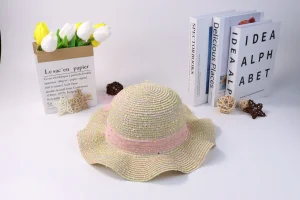
High-Quality Brand Children's Sun Hat UK with Neck Flap, UPF50+ UV Protection Wide Brim Toddler Hat for Summer Outdoor Supplier, Factories
View Product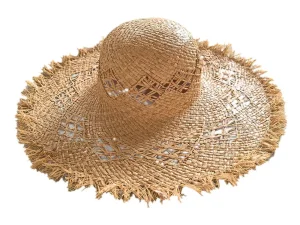
Wholesale 100% Natural Raffia Straw Wide Brim Cloche Hat - OEM Customizable from China Suppliers & Factory Manufacturer, Suppliers
View Product
China Multi-colors Lady Hat Summer Floppy with Big Brim - Premium Quality from China Suppliers & Factory Manufacturers
View Product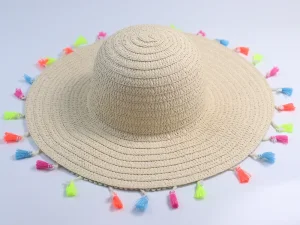
Wholesale Kids Summer Hat & Bag Set - Cute Beach Handbag and Hat - Handmade in China | Premium Quality from Suppliers & Factory Supplier, Factories
View Product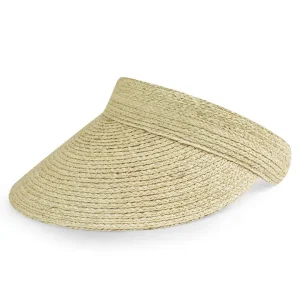
High-Quality Trendy Summer Hats for Women - Stylish & Sun-Proof Styles Manufacturer, Factory
View ProductThe ladder above mirrors how retail assortments are usually planned: one entry-price volume driver, two or three mid-tier fashion shapes, one premium brand anchor, and a children's or accessory extension to raise average basket value.
Macro-Level Solutions
Fiber Strategy Decides Cost, Shape Retention & Claims
The fiber you choose determines hand-feel, shape retention, price point and how well a hat survives shipping. This is how our product team advises buyers before sampling.
| Fiber | Best For | Shape Retention | Buyer Tip |
|---|---|---|---|
| Raffia | Floppy hats, bucket hats, premium resort lines, straw bags | High (recovers after packing) | Ideal for "packable" claims and bold, saturated colorways. |
| Paper Straw | Fedoras, Panama-style hats, seasonal and promotional retail | Medium | Add "keep dry" care labels — paper straw softens when soaked. |
| Natural Grass Straw | Boater hats, cowboy hats, lifeguard hats | Very high (crisp, structured) | Choose it when shape retention on the shelf matters most. |
| Fabric & Knit | Visors, winter hats, children's hats, toy hats | Dependent on construction | Pair with straw lines for a year-round single-supplier program. |
Localization & Compliance
What "Compliant" Actually Means for a Hat Shipment
Compliance is rarely a single certificate. It is a chain — material documentation, labeling, packing integrity and destination-market labeling rules — and each link is inspected somewhere on the way to your warehouse.
Material Documentation
Fiber composition statements, dye and finishing records, and material origin notes support your own product pages and any retailer audit requests.
Labeling Standards
Country of origin, fiber content and care instructions must match the destination market. We adapt label copy per region rather than reusing one generic format.
Packing Integrity
Carton crush testing, moisture protection and internal dividers prevent the two most common claims on straw hat shipments: bent brims and mildew.
Restricted Substance Awareness
Dye, adhesive and finishing suppliers are screened so that restricted substance lists from major retailers can be addressed at source.
Localization Support
We align hang tags, size charts, barcodes and carton marks to each market's conventions, so goods move through retail DCs without rework.
Traceable QC Trail
Pre-production samples, inline checks and final inspection records are retained, giving your compliance team a verifiable file per order.
OEM & ODM Workflow
How a Bulk Order Moves Through the Factory
A transparent six-step process that keeps buyers informed from first brief to container loading — and keeps surprises out of the delivery window.
01
Share Your Brief
Style, material, size, color, branding and target quantity.
02
Design & Sampling
Our designers recommend materials and develop samples.
03
Approval
Confirm samples, labels, packaging and delivery schedule.
04
Production
Material sorting, weaving, blocking and finishing in-house.
05
Quality Inspection
Final inspection of shape, stitching, size and trims.
06
Export Shipping
FCL or LCL sea freight via nearby Qingdao Port.
Experienced Team
A production manager with 20 years of experience, a QC manager with 15 years, and a team averaging 5+ years — reflected in consistent weaves and accurate sizing.
Direct Factory
Raw material sorting, weaving, blocking, finishing and final inspection under one roof — stable quality and pricing without middleman margins.
8-Hour Response
Rapid response and action within 8 hours, from sampling questions to after-sales follow-up, with one dedicated contact for your account.
Technical Roadmap
Where Hat Manufacturing Is Heading Next
A realistic view of what will change in the next three to five seasons — and what buyers should start specifying now to avoid re-sourcing later.
Digital Product Passports
Material origin, fiber composition and care data attached to each SKU will become a standard retailer request, especially in Europe.
Weave Consistency Automation
Vision-assisted inspection will tighten tolerance on weave density and brim symmetry across large runs, reducing buyer-side inbound rework.
Fiber Blending Innovation
Blended natural and recycled fibers are being tested to balance packability, durability and cost — a path toward more stable pricing.
Design-to-Production Speed
Digitized sampling and tighter factory–buyer communication loops shorten the gap between approval and first shipment.
Supplier Selection
Four Reasons Importers Keep Their Program With One Factory
Switching factories mid-season is expensive. These are the four attributes that most often decide whether a supplier becomes a long-term partner.
Low MOQ: 50–100 pcs
Start with 50 to 100 pieces per design, test the market and scale your winners — private-label launches without overstock risk.
Experienced Team
A 20-year production manager, a 15-year QC manager and a team averaging 5+ years keep output consistent from first sample to final carton.
Direct Factory Pricing
Raw material sorting, weaving, blocking, finishing and inspection under one roof — stable pricing without middleman margins.
8-Hour Response
Rapid response and action within 8 hours, from sampling questions to after-sales follow-up, with one dedicated account contact.
Q&A / FAQ
Questions Hat Buyers Ask Us Most
Straight answers on MOQ, customization, shipping and service. Need more detail? Our team replies within 8 hours.
What is the minimum order quantity for custom straw cowboy hats?
Our starting quantity for small orders is 50 to 100 pieces per design, depending on material and craftsmanship. This lets boutiques, emerging brands and importers test new styles before scaling up.
Can you produce private-label hats with our own logo?
Yes. OEM and ODM production is our core business. We customize shape, material, color, size and hat bands, and can add branding such as woven labels, patches and hang tags. Our in-house designers can also develop new styles from your mood board or reference samples.
Where is your factory located and how are orders shipped?
We are located in Linyi City, Shandong Province, China, close to Qingdao Port. Bulk orders are typically shipped by sea as FCL or LCL, while samples and urgent small orders can go by air or express courier.
Which markets do you export hats to?
Most of our products go to the United States, Canada, Australia, Mexico, Western Europe and Japan. We serve customers in more than 60 countries and work with over 25 global distributors.
How quickly does your team respond to buyer requests?
We respond and take action within 8 hours — covering product questions, sampling, order follow-up and after-sales service.
What do you manufacture besides straw hats?
Alongside straw hats, we manufacture paper hats, straw bags, paper bags, children's straw hats, toy hats, lifeguard hats, sun visors, winter hats and other bags.
How do buyers verify quality before a large bulk order?
Most programs begin with a pre-production sample. After approval, we run inline checks during weaving and blocking, followed by a final inspection covering shape, stitching, sizing and trims. Buyers can also request photos and measurement records at each stage.
Can you support a mixed container with several hat styles?
Yes. Mixed-style, mixed-color containers are common for importers and distributors consolidating a season. We plan carton marks and packing lists so each SKU is easy to receive and reconcile at your warehouse.
Let's Build Your Next Cowboy Hat Collection
Send us your style references, target quantity and destination market. Our team replies within 8 hours with material suggestions, a sampling plan and a production timeline.
Explore the Full Range
More Styles From the Same Factory Floor
Fedora and Panama silhouettes, floppy sun hats, boater hats and children's sets — all manufactured under one QC system, all available for private label.
High-Quality China Suppliers Factory Handmade Straw Fedora Cowboy Panama Sun Hat for Unisex, Customizable Size & Style
View Product
Wholesale Stylish Raffia Hats for Australian Sunshine & Outdoor Fun Manufacturers, Factory
View Product
Wholesale Panama Hat, Woven Straw Panama Sun Hat, Classic Wide Brim Summer Vacation Hat
View Product
China Big Hat New Style Paper Straw Hats for Women - Summer Floppy Sun Hats from China Suppliers
View Product
China Stylish Country Hats for Every Outdoor Adventure Suppliers, Factory
View Product
Wholesale Women Summer Seaside Straw Sun Visor Hat - Custom Handmade Sun Protection from China
View Product
High-Quality Raffia Bucket Hat for Women, Foldable Wide Brim Straw Hat, Casual Vacation Sun Protection Hat
View Product