0+
Years OEM / ODM Production
0+
Export Countries Served
0+
Global Distribution Partners
0h
Buyer Response Commitment
Sister Collections · Buy Together
View Full Catalog
Wholesale Hat & Bag Lines Shipped With Felt Programs
Search Intent Decode
What Buyers Actually Mean by “Top Grey Felt Cowboy Hat Exporter”
The phrase “Top Grey Felt Cowboy Hat Exporter Suppliers & Factories” carries four distinct intents at once. A supplier page only ranks and converts when it answers all four — not just the first.
Transactional Intent
“Exporter” and “Suppliers” signal a buyer ready to request a quotation. They need MOQ, FOB pricing logic, lead times and a real sampling path.
Commercial Investigation
“Factories” tells us the buyer is comparing direct manufacturers against trading companies — they want proof of in-house production capacity.
Quality Qualifier
“High-Quality” and “Top” are evaluative modifiers. Buyers expect material specs, felt density grades, stiffener methods and QC protocols.
Localization Intent
Buyers in the US, EU, Australia and the Gulf need label compliance, sizing standards and language support mapped to their own market.
Information Gain · Material Engineering
Grey Felt, Decoded: Why the Fiber Grade Decides Your Retail Price
Most supplier pages say “high quality felt.” That is a claim, not a specification. Below is the actual grading logic our product team uses when quoting a grey felt cowboy hat program.
Wool Felt (100% Wool & Blends)
Dense, matte and shape-retentive. Pure wool takes a wet-block finish beautifully and holds a cattleman crease for years. Blends with 30–50% wool hit mid-market price points without losing hand-feel.
- Grade
- Premium / mid-premium
- Best for
- Western wear brands, boutique retailers, rodeo lines
Rabbit Fur Felt
The softest tier. Fine, tightly interlocked fibers create a velvet surface and high crease memory — the standard for premium “dress western” hats sold above $150 retail.
- Grade
- Luxury
- Best for
- Flagship SKUs, gifting, heritage collections
Vegan & Synthetic Felt
Polyester and recycled-PET felt deliver consistent grey tones, predictable shrinkage and the lowest landed cost — increasingly required by EU and Australian buyers with animal-welfare sourcing policies.
- Grade
- Value / eco-positioned
- Best for
- Promotional, festival, private-label entry lines
The Grey Shade Problem
“Grey” spans charcoal, pewter, stone, slate and silver-belly. Natural undyed wool felt shifts shade between dye lots, so serious exporters supply a Pantone reference or physical swatch card before bulk production.
Stiffener & Shape Memory
Brim stiffness comes from shellac or modern resin stiffeners applied during blocking. Too little and the brim droops in transit; too much and the hat feels plasticky. Buyers should request a “pack-and-recover” test on samples.
Weight & Density Spec Sheet
A professional quotation states felt weight in g/m² or ounces per square yard, crown height, brim width and sweatband material. If the quote omits these, the price is not comparable.
Supply Chain Advantage
Why China Factory Clusters Still Win on Grey Felt Cowboy Hats
It is not simply labour cost. It is the density of the surrounding ecosystem: felt mills, blocking form suppliers, ribbon and trim traders, and container freight within a few hours of the factory gate.
Vertical Integration
Felt sourcing, crown blocking, brim flanging, sweatband stitching, ribbon application and final QC can all sit within one production campus — compressing lead times and removing margin stacking.
Deep Craft Labour Pool
Blocking and hand-finishing a felt cowboy hat is a skilled trade. Clusters like Shandong hold decades of accumulated shaping expertise — the difference between a hat that creases cleanly and one that puckers.
Low MOQ Engineering
Modern Chinese exporters now run 50–100 pieces per design starting quantities — the exact threshold independent western brands need to test a grey colorway before committing to a full container.
Freight & Port Reach
Factories near Qingdao Port offer FCL and LCL consolidation with predictable sailing schedules to Los Angeles, Rotterdam, Sydney and Jebel Ali — the core western-wear import corridors.
Compliance Infrastructure
Export-experienced factories already hold or can quickly obtain the documentation sets Western buyers demand — see the compliance section below.
Design Co-Development
In-house design teams translate a mood board, a competitor reference or a single photo into pattern blocks, colorway options and a costed BOM within days rather than weeks.
Localization Support & Compliance Assurance
The Part Most Suppliers Skip: Market-Specific Readiness
A hat that passes inspection in China can still be rejected at a US customs broker or an EU retail compliance desk. Real “top exporters” pre-empt that gap.
Labeling & Fiber Content Compliance
US programs require FTC-compliant fiber content and country-of-origin marking; EU programs require the same in the destination language. We prepare care-and-content labels, including multi-material breakdowns for wool blends and vegan-felt alternatives, so the hangtag matches the actual BOM.
Chemical & Safety Documentation
Where applicable we supply REACH-aligned declarations on dyes and stiffeners, azo-dye free statements and, for programs entering the US, CPSIA-relevant documentation for any children's sizing. Vegan felt lines are backed by material declarations rather than verbal claims.
Sizing Standardization
US retail expects inches with 1/8 increments; EU and UK expect centimetres and metric sizing. We block to the destination market's head-form standard and publish a size chart in both systems — the single most common cause of retail returns on imported western hats.
Packaging & Retail-Ready Presentation
Options include crushed-pack (cost-efficient, requires recoverable felt), individual polybag, hangtag application, barcode/UPC labeling and shelf-ready inner cartons. We test the pack format against the felt grade before quoting it.
Language & Time-Zone Support
English-language account management with same-day overlap into US, EU and Australian business hours. Documentation, spec sheets and inspection reports are issued in English by default.
Documentation Pack Per Shipment
Commercial invoice, packing list, bill of lading, certificate of origin and inspection report are consolidated into one shipment folder — reducing clearance friction for first-time importers.
Global Procurement Patterns
How Global Enterprises Actually Buy Grey Felt Cowboy Hats
Enterprise and mid-market buyers do not purchase a single hat. They purchase a replenishment program, a brand asset and a risk profile. The briefs below reflect how demand is genuinely structured across regions.
North America · Western Wear Retail
Regional chains and online western retailers order in seasonal waves tied to rodeo and festival calendars. They prioritize crease retention, consistent grey tone across reorders and UPC-ready packaging.
Europe · Fashion & Festival Brands
EU brands lean toward vegan felt and recycled-fiber options, smaller MOQs per colorway and strong sustainability documentation. Grey is treated as a core neutral, not a seasonal accent.
Australia & NZ · Outdoor & Rural Retail
High UV exposure drives demand for wider brims and firmer stiffeners. Buyers frequently specify sun-protection characteristics and expect hats to survive humid storage without shape loss.
Gulf & Middle East · Hospitality & Events
Event and hospitality buyers order in volume for activations and themed experiences, favoring value-tier synthetic felt with tight color consistency and fast turnaround.
Corporate & Promotional Programs
Branded gifting and promotional agencies need logo application (embroidery, debossed leather patch, woven label), fixed budgets and delivery-date guarantees above all else.
Marketplace & DTC Sellers
Amazon, Etsy and Shopify sellers need low MOQ, fast sample turnaround and packaging that survives e-commerce shipping. Crushed-pack formats and recoverable felt grades are the decisive spec here.
Industry Outlook
Five Forces Reshaping the Felt Cowboy Hat Supply Chain
Directional indicators drawn from buyer briefs and category development work across 2024–2026 programs. Figures are indicative planning signals, not market-wide statistics.
Buyer Priority Shift
Relative weight buyers now place on each selection factor when awarding a grey felt program.
01 · Vegan Felt Goes Mainstream
Recycled-PET and plant-based felt are moving from novelty to core assortment, especially for EU and Australian retail where animal-welfare sourcing policies now gate listing approval.
02 · Small-Batch, High-Frequency Reorders
Inventory risk aversion is pushing buyers from two large seasonal orders toward four to six smaller replenishment cycles — which rewards suppliers engineered for low MOQ and fast changeover.
03 · Traceability as a Selling Point
Retailers increasingly request fiber origin and mill-level documentation. Suppliers who can trace felt from mill to finished hat are winning programs that price-only competitors lose.
04 · Grey as a Permanent Neutral
Grey felt has moved beyond seasonal fashion into a year-round core colorway alongside black and tan, stabilizing forecast volumes for buyers.
05 · Digital Sampling & Remote Approval
High-resolution sample photography, video crease tests and digital swatch libraries now shorten approval cycles from weeks to days for overseas buyers.
Localized Application Scenarios
Where Grey Felt Cowboy Hats Earn Their Shelf Space
Specification follows use case. A hat built for a rodeo grandstand and a hat built for a wedding guest are not the same BOM — here is how we segment them.
Rodeo & Western Events
Needs firm stiffener, deep cattleman crease, moisture-resistant sweatband and a brim that holds shape under direct sun. Grey reads as a modern alternative to black.
Country Music Festivals
Volume-driven, trend-sensitive, price-conscious. Synthetic felt with bold grey shades and quick logo application suits limited-run merchandise drops.
Weddings & Formal Western Wear
Rabbit-fur or fine wool felt, hand-stitched leather sweatband, grosgrain or leather band. Grey pairs with charcoal suiting for a dress-western aesthetic.
Resort & Travel Retail
Crushed-pack recoverable felt with a lighter brim, packaged for suitcase transport. Grey works as an unisex colorway in airport and hotel retail.
Screen, Film & Costume Supply
Precise period or character styling, custom crests and trims, small runs with tight deadline management for production houses.
Corporate Gifting & Merch
Debossed leather patches, embroidered logos, branded inner labels and gift-box packaging for premium client gifting programs.
How to Verify a “Top” Exporter
A Six-Step Due-Diligence Checklist for Buyers
Use this sequence before placing a first bulk order. Each step is designed to reveal whether you are dealing with a true manufacturer or a reseller.
Confirm Real Production
Request a live video walkthrough of blocking and finishing lines, not a photo gallery.
Request a Physical Swatch
Grey shades never match on screen. Approve felt grade and color from a physical swatch card.
Order a Pre-Production Sample
Approve crease, brim stiffness, sweatband and label placement before bulk begins.
Audit the Spec Sheet
Felt weight, crown height, brim width, size standard and packaging must be written, not verbal.
Verify Compliance Documents
Ask for fiber content labeling, chemical declarations and, if relevant, vegan material statements.
Confirm Inspection & Shipping Terms
Agree QC checkpoints, AQL level, Incoterms and the documentation pack before deposit.
Buyer Q&A
Grey Felt Cowboy Hat Frequently Asked Questions
What is the minimum order quantity for a custom grey felt cowboy hat?
Starting quantities typically begin at 50 to 100 pieces per design, depending on felt grade and customization depth. Low MOQ programs let independent brands and boutiques validate a grey colorway before committing to container volume. Pure wool and fur-felt tiers may require slightly higher minimums than synthetic options.
How do I make sure the grey shade matches my approved sample?
Ask for a physical swatch card or a Pantone reference tied to your felt lot, and request a pre-production sample approval stage. Because natural undyed wool shifts between dye lots, professional exporters will lock a lab-dip or mill lot for the full order rather than sourcing felt ad hoc.
Can you produce private-label cowboy hats with our logo?
Yes. OEM and ODM production is standard practice. Customization covers felt grade, crown shape, crease style, brim width and shape, sweatband material, hat band, and branding including woven labels, embroidered logos, debossed leather patches and hang tags. In-house designers can also develop new silhouettes from a reference photo or mood board.
What felt options are available if we want a vegan or animal-free hat?
Synthetic and recycled-PET felts provide animal-free alternatives with excellent color consistency and predictable shrinkage. For EU and Australian programs with animal-welfare sourcing policies, request written material declarations to accompany the order rather than relying on verbal assurance.
Where are the hats manufactured and how are orders shipped?
Our facility is located in Linyi City, Shandong Province, China, close to Qingdao Port — one of China's primary container gateways. Bulk orders ship by sea as FCL or LCL with predictable sailing schedules to North America, Europe, Australia and the Gulf. Samples and urgent small orders move by air or express courier.
Which markets do you export to and what documentation is provided?
Most volume goes to the United States, Canada, Australia, Mexico, Western Europe and Japan, serving customers in more than 60 countries with over 25 global distributors. Each shipment is accompanied by a consolidated documentation pack: commercial invoice, packing list, bill of lading, certificate of origin and inspection report, plus market-specific labeling and fiber-content declarations.
How quickly will your team respond to a sourcing enquiry?
Enquiries are answered and acted upon within 8 hours, covering product questions, sampling requests, order follow-up and after-sales support. English-language account management with overlap into US, EU and Australian business hours keeps approval cycles short.
How should I plan lead times for a first order?
Plan around sampling and approval before bulk. Allow time for physical swatch approval, pre-production sample sign-off, bulk production, inline and final inspection, then sea transit. Buyers launching for a rodeo or festival season should work backward from the on-shelf date rather than from the order date, and keep one buffer cycle for reorders.
Can grey felt cowboy hats be packed flat to reduce freight cost?
Yes, provided the felt grade is selected for recoverability. Crushed-pack formats lower carton volume and freight cost significantly, but they only work with felt that regains shape after unpacking. We test the chosen felt grade against the intended pack format before quoting it.
What else can be produced alongside a felt hat program?
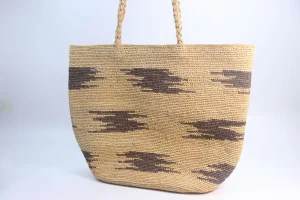
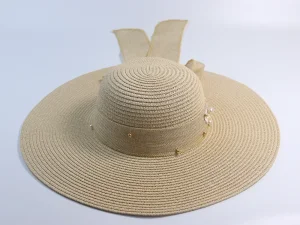
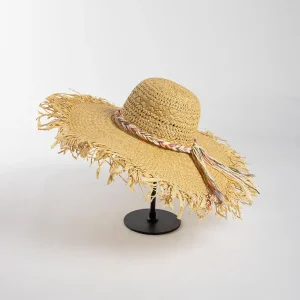
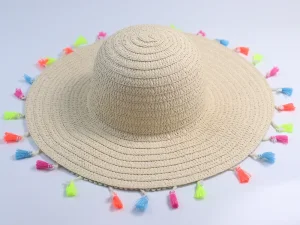
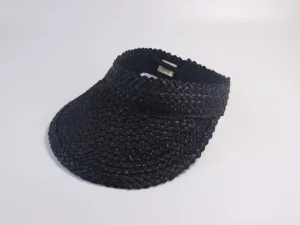
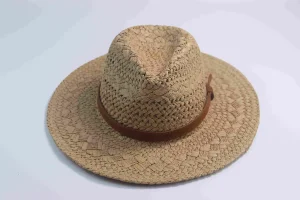
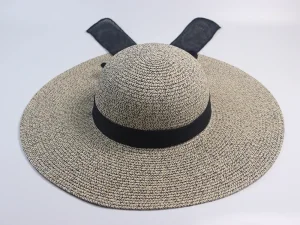
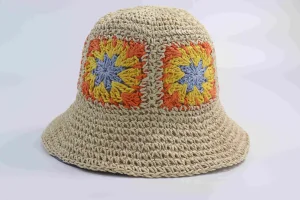
Alongside felt and straw hats, our range covers straw bags, other bags, children's straw hats, toy hats, lifeguard hats, sun visors and winter hats — allowing a consolidating buyer to cover multiple categories with a single supplier relationship.
How do I compare quotations from two suppliers fairly?
Compare written specification, not headline price. Insist that each quote states felt weight and composition, crown height, brim width and stiffness method, sweatband material, size standard, packaging format and Incoterms. A low price on an unstated spec usually means a thinner felt or lighter stiffener.
Do you support market-specific sizing and labeling requirements?
Yes. Hats can be blocked to US, EU, UK or destination head-form standards, with size charts published in both imperial and metric systems, and care-and-content labels prepared in the destination market's required language and format.
Explore the Category
Related Hat & Accessory Manufacturing Hubs
Every silhouette in the collection can be produced in the fiber, finish and colorway your brand requires — with shared tooling and consolidated shipping across categories.
More From the Catalog
Shop Hot Sales
Additional Wholesale Hat & Bag Styles