
Executive Overview
Why the Children Bucket Hat Is the Most Engineered Item in Kids' Sunwear
A bucket hat looks simple. For a buyer, it is not. A child's bucket hat must deliver UPF-rated shade, a secure fit through wind and water play, washability, non-toxic trims, and a silhouette that parents trust and children actually keep on their heads. As the semantic search layer of Google increasingly rewards content that answers why and how rather than repeating a keyword, sourcing pages must publish genuine information gain — measured facts from a factory floor, not adjectives. This guide is written from the position of a 15+ year straw and paper hat manufacturer in Linyi, Shandong, exporting to more than 60 countries, and it treats the children bucket hat as a specification problem to be solved, not a catalog line to be listed.
50–100pcs starting qty / design
8 hrresponse & action window
60+export countries served
15+years hat manufacturing
Product Reference Grid
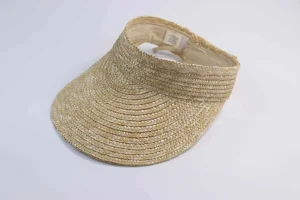
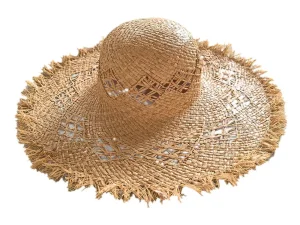
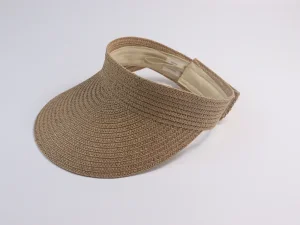
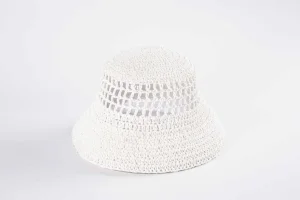
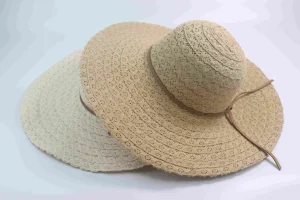
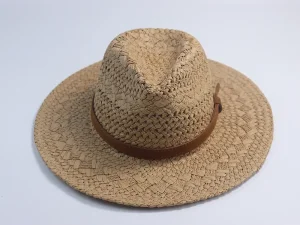
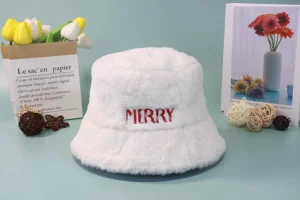
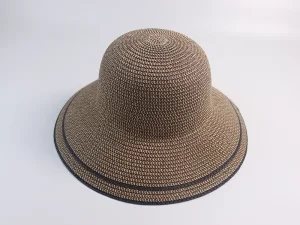
Supplier Catalog: Styles Buyers Cross-Source With Kids' Bucket Hats
Purchasing teams rarely order one hat family in isolation. A kids' bucket program is usually paired with a visor line, a straw beach set or a winter beanie to close the seasonal gap. The eight styles below are the reference items most frequently combined with children bucket hat orders — each links to its live product page.
Localized Use Cases
Australia & NZ
United States
Western Europe
Japan & South Korea
Middle East
Latin America
Cross-Market
One Hat, Seven Climates: How Children Bucket Hats Are Specified by Market
Search-intent research shows that parents and buyers in different regions describe the same product with entirely different words — "sun hat," "beach hat," "nursery hat," "school cap," "reversible bucket." A supplier that answers only one vocabulary loses the rest. The correct approach is to map the hat to local micro-climates and routines, then document the specification differences.
School & Playground Coverage
With UV indexes routinely exceeding 11, the Australian market treats hats as a policy accessory: "no hat, no play" rules at schools and early-learning centres. Buyers here specify a deep brim, a brim width that shades eyes and neck, and a chin-strap breakaway. Search intent clusters around "UV protective kids hat" and "school sun hat."
Camp, Pool & Theme Park
US summer camps order in high volume and demand machine-washable, quick-dry constructions. Intent signals center on "toddler bucket hat with chin strap" and "reversible kids sun hat." Pool and water-park use pushes buyers toward fast-drying polyester blends, while theme-park retail demands bold licensed-style colorways and name-personalization.
Nursery & City Summer
Northern European buyers weight material transparency over volume: OEKO-TEX certified cotton, plastic-free trims, and packable designs that fold into a stroller bag. Intent is long-tail — "organic cotton baby bucket hat," "packable toddler hat for pram" — and conversion depends on certification documentation rather than price.
Kindergarten Commute & Amusement
Compact styling, careful finishing and matched color families matter more than brim size. Parents search "kindergarten sun hat" and expect coordinated hat-bag sets and reversible prints. Retailers value predictable size grading in centimeters because nursery uniforms are sized precisely.
Desert Sun & Resort
Extreme heat and reflection from sand and water push UPF to the top of the brief. Buyers request full-coverage neck flaps, moisture-wicking liners and light colorways with high measured UPF — with "cooling kids sun hat" and "wide brim beach hat for children" as the dominant intent clusters.
Beach, Carnival & Family Retail
Bright palettes, set-based merchandising (hat plus beach bag) and gift-friendly packaging drive orders. Sports clubs and holiday resorts order bulk sets with embroidered crests, moving intent toward "personalized kids beach hat bulk."
Gifting & Personalization
Across all regions, monogrammed and gift-boxed children bucket hats convert at premium margins — especially for baby showers and first-birthday gifting. The intent here is emotive, so photography, packaging and embroidery capability outweigh pure unit cost.
Technical Roadmap 2026–2030
From UPF Fabric to Digital Product Passport: a Five-Year Spec Trajectory
Buyers planning multi-season programs need more than the current catalog. Below is the trajectory our product team and QC department are working toward, phrased as observable, testable milestones rather than marketing promises. Each stage answers a search intent that is already forming: "UPF 50+ kids bucket hat," "washable sun hat toddlers," "traceable cotton children hat," and finally "digital product passport hat."
2026 · Baseline
Verified Protection & Washability
Standardize UPF 50+ testing on every fabric lot, publish wash-cycle shrinkage data, and move to fully non-phthalate, nickel-free trims. Intent served: "UPF 50+ bucket hat for kids," "machine washable toddler sun hat."
2027 · Fit Science
Centimetre Size Grading & Breakaway Straps
Introduce a documented size-grading system per age band with head-circumference tolerance, plus standardized breakaway chin straps and adjustable toggles validated by pull-force testing. Intent served: "adjustable kids bucket hat with chin strap."
2028 · Material Innovation
Recycled Fibers & Cooling Liners
Scale rPET and recycled-cotton constructions, add moisture-wicking mesh liners and reflective brim piping, and publish fiber-origin documentation. Intent served: "recycled kids sun hat," "cooling bucket hat for children."
2029 · Personalization at Scale
Digital Embroidery & Print-on-Demand Batches
Enable low-MOQ personalized orders with digital preview, so boutiques can sell monogrammed sets without inventory risk. Intent served: "personalized toddler bucket hat wholesale."
2030 · Transparency Layer
Digital Product Passport
Attach scan-to-view product data — materials, origin, care, recyclability — aligning with emerging EU product-transparency frameworks. Intent served: "traceable sustainable children hat." Buyers who prepare for this now protect their listing content for the next regulatory cycle.
Supply Chain Resilience
Why the Shandong Hat Cluster Absorbs Shocks Better
Supply-chain questions dominate buyer intent during peak season: "reliable kids hat supplier," "short lead time bucket hat factory," "backup supplier for sun hats." The honest answer lies in cluster economics. Linyi sits within a dense network of weaving, blocking, trimming and packaging specialists, roughly two hours inland from Qingdao Port — one of China's major container gateways. That geography shortens the physical path from raw straw sorting to a loaded container.
- Parallel capacity. Multiple weaving and finishing lines in one cluster mean a single disruption does not stop an order; capacity can be redistributed across workshops in the same province.
- In-house critical steps. Raw material sorting, weaving, blocking, trimming and final inspection run under one roof, so quality decisions are made on the floor, not negotiated between middlemen.
- Experienced leadership. A production manager with 20 years and a QC manager with 15 years of experience translate into stable weaves and accurate sizing — the two failure points buyers report most.
- Low-MOQ flexibility. Starting quantities of 50–100 pcs per design let boutiques and emerging brands test shapes and colors before scaling — the practical antidote to overstock risk.
- Dual shipping routes. FCL and LCL sea freight for bulk, air and express courier for samples and urgent small orders, keeping launch deadlines achievable.
Efficiency is not only speed. It is the ability to keep unit cost, size accuracy and delivery date all stable in the same quarter — the metric sophisticated buyers actually track.
Single Roof
Weaving, blocking, finishing and QC all in-house.
8 Hours
Response and action on product, sample and after-sales requests.
Qingdao Port
Nearby gateway for FCL and LCL export containers.
50–100 pcs
Starting quantity per design for low-risk market testing.
Global Commercial & Industrial Reality
The Children Sun Hat Market in Numbers and Incentives
Buyers searching for a "best children bucket hat supplier" are usually weighing three pressures at once: consumer demand for certified protection, retailer demand for reliable delivery, and regulator demand for documentation. Understanding the industrial landscape clarifies which capabilities are genuinely differentiating rather than cosmetic.
Demand Is Structure-Driven
Children's sun protection demand is anchored by institutional rules — school sun-safety policies, early-learning centre guidelines, pediatric dermatology advice. That makes it less volatile than pure fashion: a robust hat with correct UPF and a secure fit has a durable, repeating buyer base rather than a trend curve.
Certification Becomes Merchandising
OEKO-TEX, UPF test reports and non-toxic trims have moved from compliance filings to shelf talkers. Retail buyers increasingly ask suppliers to hand over documentation at sampling, not after order confirmation — documentation speed is now a competitive factor in supplier selection.
Low MOQ Reshapes the Channel
The rise of boutique and marketplace-native brands has shifted order structure toward smaller, more frequent production runs. Suppliers that support 50–100 pcs per design win the long tail; suppliers that insist on container-only minimums lose the fastest-growing channel segment.
Cost Pressure Is Real
Freight volatility, cotton pricing and tightening chemical regulation all push landed cost upward. The practical response is material discipline — matching paper straw, raffia and cotton blends to the right price tier rather than defaulting to one premium fiber across an entire collection.
Regional Sourcing Diversifies
Many importers now run dual sourcing across countries while keeping a primary China partner for complexity: multi-material hats, embroidery, coordinated sets and premium finishing. China's cluster depth remains the advantage in projects that require craft plus scale in one purchase order.
Digital Shelf Optimization
Marketplace listings reward suppliers whose product data is complete and machine-readable: material composition, UPF rating, care instructions and size grading. Buyers increasingly prefer partners who hand over structured data alongside the goods — it shortens listing preparation and improves discoverability.
Localization & Compliance Assurance
Documentation That Travels With the Carton
For a children's product, compliance is not a sales claim — it is a file. Search intent here is highly specific and commercial: "OEKO-TEX kids hat factory," "CPSIA compliant children sun hat supplier," "REACH children hat manufacturer." A supplier who can answer these queries with real documents wins the inquiry before price is even discussed.
- Textile safety: OEKO-TEX Standard 100 test reports available for cotton and blended fabric constructions.
- UV performance: UPF testing on finished fabrics, with results supplied per lot so the claim on your listing is supported.
- Chemical & mechanical safety: non-phthalate prints, nickel-free hardware, breakaway straps and pull-force validation for small parts.
- Market-specific labeling: fiber content, country of origin, age grading and care symbols formatted for the destination market's rules.
- Localization support: multilingual hang tags, barcodes and carton marking aligned to retailer requirements — so goods arrive shelf-ready, not rework-ready.
15+Years manufacturing
25+Global distributors
60+Countries served
8hrResponse window
Lige Hats operates as Shandong Lige Import & Export Co., Ltd., based in Linyi City, Shandong Province, China, with export experience across the United States, Canada, Australia, Mexico, Western Europe and Japan.
Supplier Capability
Four Capabilities That Separate a Manufacturer From a Trading Desk
Low MOQ: 50–100 pcs
Launch a private-label children bucket hat set without overstock risk; scale the winners once sell-through is proven.
Experienced Team
A 20-year production manager, a 15-year QC manager and a team averaging 5+ years — reflected in consistent weaves and accurate sizing.
Direct Factory
Material sorting, weaving, blocking, finishing and final inspection under one roof — stable pricing without middleman margins.
8-Hour Response
Action within 8 hours on sampling questions, order follow-up and after-sales service, with one dedicated contact.
Buyer Q&A
Questions Importers Ask Before Ordering Children Bucket Hats
These answers mirror the FAQ schema published on our site so that structured data and page content stay consistent — a requirement under Google's quality guidelines for FAQ markup.
What is the minimum order quantity for custom children bucket hats?
Our starting quantity for small orders is 50 to 100 pieces per design, depending on material and craftsmanship. This lets boutiques, emerging brands and importers test new styles before scaling up.
Can Lige produce private-label hats with our own logo?
Yes. OEM and ODM production is our core business. We can customize the shape, material, color, size and hat band, and add branding elements such as woven labels, patches and hang tags. Our in-house designers can also develop new styles from your mood board or reference samples.
Where is your factory located and how are orders shipped?
We are located in Linyi City, Shandong Province, China, close to Qingdao Port. Bulk orders are typically exported by sea freight as FCL or LCL shipments, while samples and urgent small orders can be sent by air or express courier.
Which markets do you export hats to?
Most of our products are exported to the United States, Canada, Australia, Mexico, Western Europe and Japan. We serve customers in more than 60 countries and work with over 25 global distributors.
How quickly does your team respond to buyer requests?
We respond and take action within 8 hours, covering product questions, sampling, order follow-up and after-sales service.
What products do you manufacture besides straw hats?
In addition to straw hats, we manufacture paper hats, straw bags and paper bags, as well as children's straw hats, toy hats, lifeguard hats, sun visors, winter hats and other bags.
How should a buyer choose between raffia, paper straw and cotton for a kids' bucket hat?
Raffia gives a soft, packable and dye-receptive brim for premium resort lines; paper straw delivers clean, consistent color at a competitive unit cost for volume programs; cotton and knit constructions suit washable, everyday and gifting categories. Many buyers combine all three in one seasonal program to cover multiple price tiers from a single supplier.
Extended Catalog
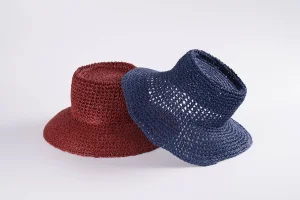
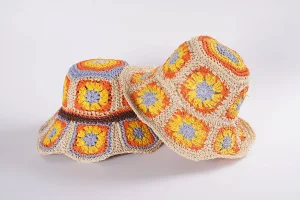
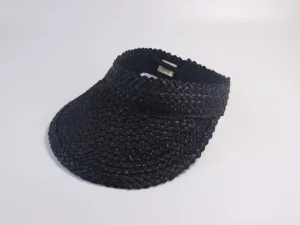
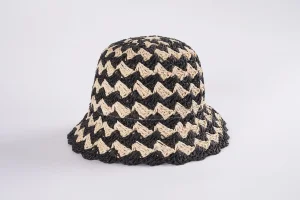
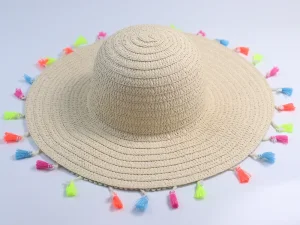
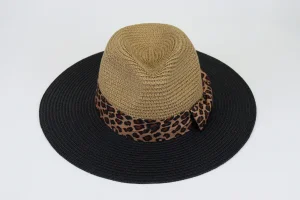
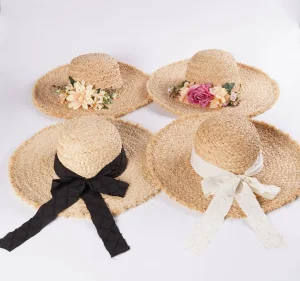
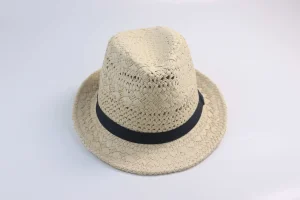
More Reference Styles for Complete Seasonal Assortments
Build Your Next Children Bucket Hat Program With a Factory That Documents Its Work
Send style references, target quantity, head-size range and destination market. Our team replies within 8 hours with material recommendations, a sampling plan and a production timeline — with the compliance file attached from the first conversation.