
Executive Summary
The High-End Straw Hat Supply Chain, Explained for Global Buyers
Sourcing premium straw hats is no longer about finding the cheapest price per unit. It is about shape retention on the shelf, dye consistency across reorders, compliance documentation, and a factory that can carry a brand's identity from a mood board to a landed container. This guide distills what experienced importers, wholesalers and private-label brands evaluate when they shortlist a Best High End Straw Hat Exporter — and how Chinese factories, anchored by Shandong Lige Import & Export in Linyi, deliver the redundancy modern retail programs require.
15+Years manufacturing straw hats & bags
60+Countries served across 6 continents
50–100Starting pieces per design
8hResponse & action on every request
Featured High-End Styles
Premium Straw Hats Buyers Reorder Season After Season
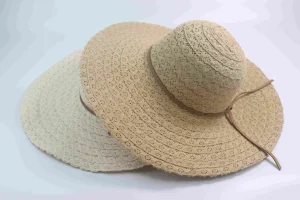
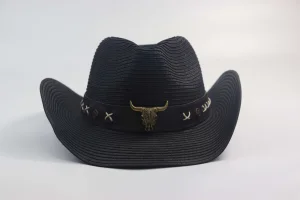
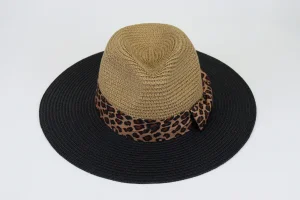
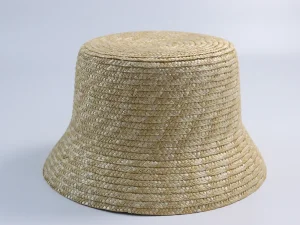
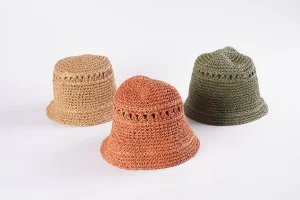
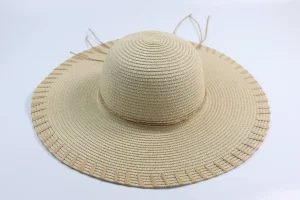
A curated selection of high-end silhouettes — from genuine Panama and hand-woven raffia to structured cowboy and embroidered western profiles.
Structural Advantage
Why China's Straw Hat Factories Dominate High-End Export Programs
China produces a large share of the world's woven headwear — not because of labor cost alone, but because of clustering. Factories in Shandong, Zhejiang and Jiangsu sit inside mature ecosystems for raffia, paper straw, cotton braid, dyes, blocking machinery and trim supply. That proximity compresses sampling cycles and lets a single factory carry an entire seasonal range without outsourcing quality control.
Vertical Integration
Raw material sorting, weaving, blocking, finishing and final QC under one roof — which stabilizes sizing, dye lots and price across reorders.
Low MOQ Reality
Programs starting at 50–100 pieces per design let boutique retailers and emerging private labels test silhouettes before committing to a full season.
Export Logistics
Facilities near Qingdao Port run FCL and LCL programs with FOB, CIF and DDP options — reducing transit risk and giving buyers margin flexibility.
Brand-Ready Design
In-house designers develop shapes from mood boards or reference samples, then align band, trim, woven label and hangtag to a brand's identity.
Industry Outlook
Four Trends Reshaping the High-End Straw Hat Market
Premium straw headwear is being re-priced by sustainability, personalization, sun-safety regulations and DTC-driven speed. Each trend changes how buyers should scaffold their sourcing strategy.
Sustainability as a Spec
Natural raffia, unbleached paper straw and artisan weaving are being written into buying specs, not just marketing copy. Retail buyers increasingly ask for fiber traceability and recycled packaging as part of onboarding.
Customization at Scale
Embroidery, printed jacquard bands, woven badges and heat-transfer logos are now baseline expectations for private-label programs, not upgrades — pushing factories to build small-batch personalization lines.
UV Protection Claims
Markets in Australia, California and Southeast Asia increasingly demand documented UPF ratings. Dense weaves and tighter blocking reduce UV transmission and support substantiated labeling.
Short-Cycle DTC Programs
Direct-to-consumer brands reorder in smaller, more frequent batches. Factories that hold material stock and run 50–100 piece minimums become the natural partners for these cycles.
Craft Authority
What Makes a Straw Hat Genuinely High-End
In the premium tier, three variables determine whether a hat holds its shape through sea freight, retail shelving and re-wear. Buyers who can read these signals avoid costly returns and stale inventory.
- Fiber quality. Raffia from mature Raphia palms in Madagascar carries natural resins that survive folding; lower-grade paper straw will crease and stay creased.
- Weave density. Tight, even stitch geography improves UV blocking and reduces the "sag" that flattens a brim by the time it hits the shelf.
- Blocking & finishing. Heat-blocked crowns and hand-stitched bands separate program-grade hats from promotional units at the same fiber cost.
Our own production line keeps these variables under one roof — raw material sorting, weaving, blocking, finishing and final inspection for Panama, fedora, cowboy, boater, bucket and floppy silhouettes.
Regional Application
Localized Use Cases Across Key Export Markets
Retail demand is not universal. The form factor that sells in Palm Beach may underperform in Queensland. Here is how premium straw hat programs adapt to the buyer's region.
North America
Resort, western and festival retail dominate. Buyers favour packable floppy and cowboy silhouettes with strong branding; UPF language is expected on-pack for California and Florida programs.
Western Europe
Panama and boater styles perform in premium department stores and coastal boutiques. Sustainability documentation — fiber origin, recycled packaging — is now a standard part of onboarding.
Australia & NZ
Hard UPF expectations shape weave choice. Structured brims, chin straps and wider coverage dominate; buyers require consistent dye lots across mid-season reorders.
Latin America
Panama and raffia western silhouettes align with regional styling. Wholesale pricing tolerances are tighter — paper-straw constructions often carry mid-tier volume.
Japan & Korea
Cutting-edge design vocabulary and precision finishing. Small MOQs, frequent drops and a high bar for band stitching and label placement define order patterns.
Middle East & Africa
Sun coverage is functional. Wide brims, breathable weaves and neutral tones dominate resort and hospitality programs; embroidery capabilities are a frequent request.
Macro Solution
Global Procurement Demand & Factory-Level Solutions
Global buyers rarely need "a hat." They need a supplier program that de-risks seasonal launches, absorbs last-minute customization, and holds quality across reorders. The following modules reflect the operational structure of a mature Chinese straw hat factory serving importers, wholesalers and brand owners.
OEM & ODM Programs
Shape, material, color, size and band are customizable. In-house designers develop new silhouettes from a mood board or a reference sample, aligning woven labels, patches and hangtags to the brand's identity — a genuine private-label route rather than a generic reprint.
Seasonal Range Building
A full lookbook — floppy, bucket, boater, fedora/trilby, cowboy and visor — built from shared fibers and finish partners. Buyers consolidate an entire headwear season with a single supplier, reducing audit touchpoints and shipping coordination.
Rapid Sampling & QC
A 20-year production manager and a 15-year QC manager run a six-step pipeline — brief, design & sampling, approval, production, inspection, export — with 8-hour response and action windows across every stage.
Cross-Category Extension
Alongside straw hats, the factory produces paper hats, straw bags, paper bags, children's straw hats, toy hats, lifeguard hats, sun visors and winter hats — allowing a single PO to cover multiple retail categories.
Port-Proximate Export
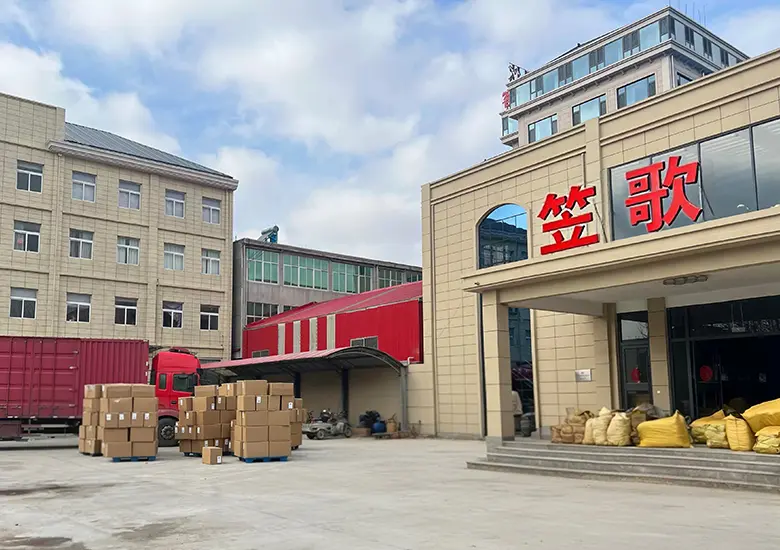
Located in Linyi near Qingdao Port, orders ship as FCL or LCL with consistent transit estimates; samples and urgent reorders move by air or express courier.
Dedicated Account Management
Each buyer keeps one point of contact for briefs, sampling, order follow-up and after-sales — reducing miscommunication risk in multi-SKU seasonal programs.
Workflow Transparency
A Six-Step Pathway from Brief to Landed Container
A predictable pipeline is one of the strongest signals of supplier reliability. This is the sequence premium importers experience when running a straw hat program with an integrated factory.
Share Your Brief
Style, material, size, color, branding and target quantity aligned to your selling season.
Design & Sampling
In-house designers recommend fibers and finishes, then develop physical samples.
Approval
Confirm samples, labels, packaging, price and delivery schedule before production.
Production
Material sorting, weaving, blocking and finishing run in-house with daily oversight.
Quality Inspection
Final QC on shape, stitching, sizing and trims — before packing and staging.
Export Shipping
FCL or LCL sea freight via Qingdao Port; express lanes for samples and urgent reorders.
Buyer FAQ
Questions Global Importers Ask Most
Straight answers on MOQ, customization, shipping, markets and service for straw hat sourcing programs.
What is the minimum order quantity for custom straw hats?
The starting quantity for small orders is 50 to 100 pieces per design, depending on material and craftsmanship. This structure allows boutiques, emerging brands and importers to test new styles before scaling up.
Can you produce private-label hats with our logo?
Yes — OEM and ODM production is core business. Shape, material, color, size and hat band are customizable, and branding such as woven labels, patches and hang tags can be added. In-house designers can also develop new styles from your mood board or reference samples.
Where is your factory and how do you ship orders?
The factory is located in Linyi City, Shandong Province, China, close to Qingdao Port. Bulk orders typically ship by sea as FCL or LCL, while samples and urgent small orders can move by air or express courier.
Which markets do you export to?
Most products go to the United States, Canada, Australia, Mexico, Western Europe and Japan. Customers are served in more than 60 countries, with over 25 global distributors.
How fast does your team respond to buyer requests?
The team responds and takes action within 8 hours, covering product questions, sampling, order follow-up and after-sales service.
What products are manufactured besides straw hats?
Alongside straw hats, production covers paper hats, straw bags, paper bags, children's straw hats, toy hats, lifeguard hats, sun visors, winter hats and other bags.
Which straw material should I choose for a premium line?
Raffia is the preferred choice for packable, dye-rich premium floppy and bucket hats; natural grass straw suits structured boater and cowboy silhouettes where shape retention matters most; paper straw offers clean color consistency for mid-tier volume programs.
Can you support mid-season reorders?
Yes. Factories that hold fiber stock and run low-MOQ lines — including this Linyi facility — are built for mid-season top-ups, so buyers can replenish winning styles without committing to a new sample cycle.
Extended Range
More Wholesale Straw Hats from the Factory Floor
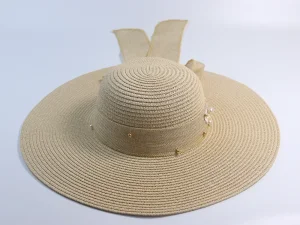
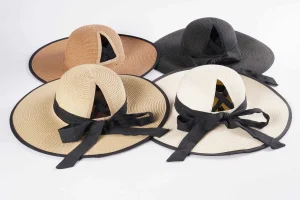
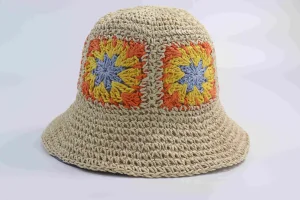
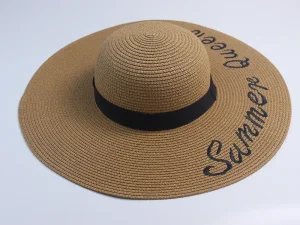
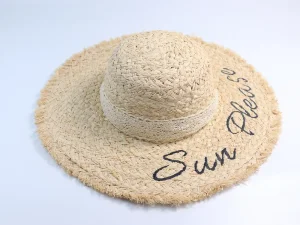
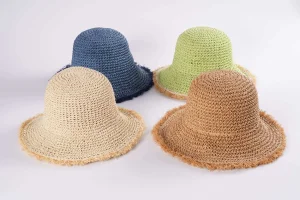
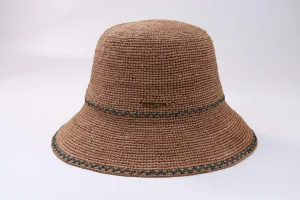
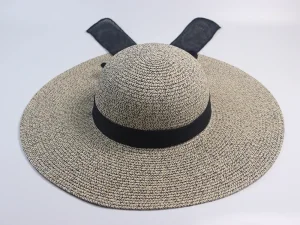
Structured floppy, hand-woven raffia, embroidered western, wide-brim UV styles and travel-ready bucket hats — each available for OEM/ODM customization.
Build Your Next High-End Straw Hat Collection
Send style references, target quantities and destination markets. The team replies within 8 hours with fiber advice, a sampling plan and a production timeline aligned to your retail calendar.