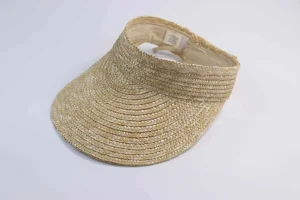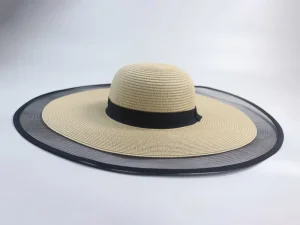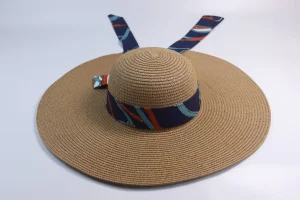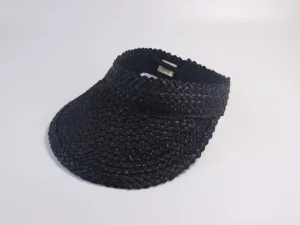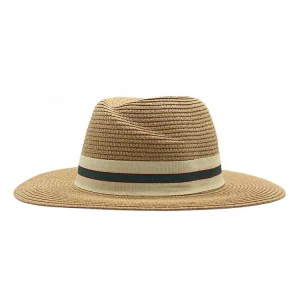
China Classic Panama Hats: Stylish Sun Protection & Comfort Manufacturers, Factory
View Product
China Classic Panama Hats: Stylish Sun Protection & Comfort Manufacturers, Factory
View Product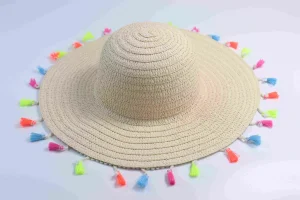
High-Quality UV Protection Children's Sun Hats - Cute & Comfortable Styles Manufacturer, Supplier
View Product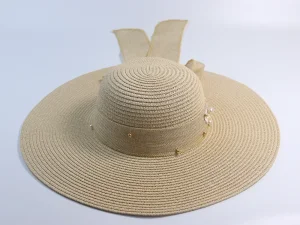 View Product
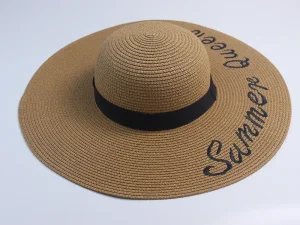 View Product
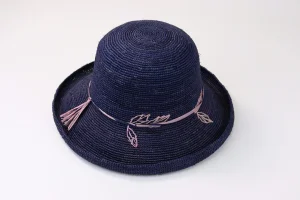 View Product
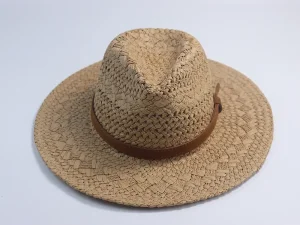
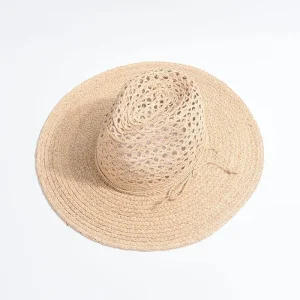
China Straw Fedora Hat Cowboy Hat Panama Hat Sun Hat Manufacturers, Manufacturer
View Product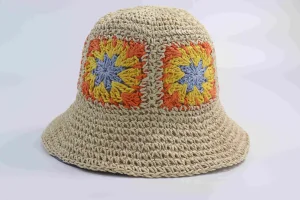 View Product
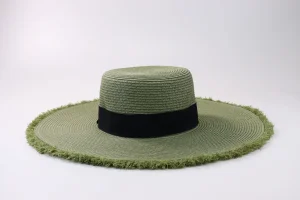
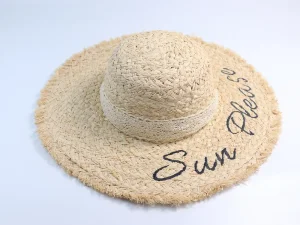
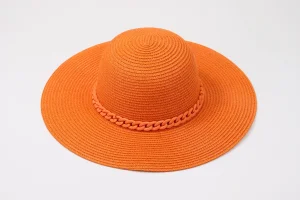
High-Quality Stylish Floppy Beach Hat for Sun Protection & Fashion Manufacturer, Factories
View ProductChildren's straw bags sit at an unusual intersection: they must satisfy a buyer's commercial logic (cost per unit, MOQ, lead time, test compliance) while surviving the harshest real-world wear test in retail — being carried by a child on a beach, in a sandpit and through an airport. That dual standard is what separates a genuine factory partner from a catalog reseller.
Shandong Lige Import & Export Co., Ltd. has produced straw hats, paper hats, straw bags and paper bags for more than 15 years from Linyi City, Shandong Province, within easy reach of Qingdao Port. That same weaving, blocking, finishing and inspection infrastructure now serves our kids straw bag program, where decorative straw hats become functional, scaled-down totes, round cross-body bags and mini shopper silhouettes.
Information gain: this guide includes material-to-cost mapping, age-grading rules, packing density math and compliance checklists that general sourcing blogs typically omit.
China remains the reference origin for woven summer accessories not because of labour cost alone, but because of clustered craft capability. Shandong's straw-weaving belt supplies braided straw, blocked crowns, sewn linings, metal hardware, printed labels and export packing within a short radius — compressing both lead time and quality risk.
Weaving, blocking, pattern cutting, lining sewing and trim attachment happen in one facility. That eliminates the hand-off losses that cause size drift and colour mismatch in multi-vendor supply chains.
Sample rounds in days rather than weeks, because the designer, sample room and material sorter sit in the same building. Buyers can lock a capsule collection before a competitor completes its first prototype review.
Commercial invoice, packing list, HS classification guidance, material composition statements and third-party lab coordination — the paperwork layer that emerging-origin factories often struggle to deliver on schedule.
FCL and LCL consolidation through one of China's major container gateways. For children's bags, which usually ship as high-SKU, mixed-carton loads, LCL flexibility is often the deciding commercial factor.
Sea FCL for full seasonal programs, LCL for replenishment, rail for inland European destinations and express air for samples and small test orders — routes matched to the margin profile of each order.
One named contact from brief to container loading, with an 8-hour response and action commitment covering sampling, order follow-up and after-sales claims.
Children's accessories have moved from impulse add-on to a planned category with its own design language, compliance expectations and seasonal cadence. These are the forces currently visible to factories on the production floor.
Buyers increasingly request raffia, paper straw, jute-cotton blends and recycled polyester linings. Sustainability claims must be traceable, so material documentation has become part of the RFQ, not an afterthought.
Parents read labels for UV protection language and small-parts safety. Design choices — stitched rather than glued attachments, covered hardware, rounded edges — now influence purchase intent directly.
Instead of one large seasonal buy, brands launch smaller, faster fashion capsules. This rewards suppliers that can run low MOQs of 50–100 pieces per design and repeat winners quickly.
Silhouettes are validated on short-form video before production. Round cross-body bags, fruit motifs and pastel colourways travel faster visually than structured totes — design briefs increasingly originate from content metrics.
Kids straw bags pair naturally with matching hats for gift sets. Bundle-ready packing design increases average order value and simplifies retail merchandising.
The same bag ships to six markets with different sizing conventions, labelling laws and colour preferences. Suppliers who manage localisation at the artwork stage reduce reprint and rework costs.
A children's straw bag is rarely bought for a single purpose. Buyers in different regions specify different functional priorities, which changes material, lining, strap and hardware decisions before a single sample is cut.
Priority: sand shake-out, salt resistance, quick dry. Raffia and paper-straw weaves with unlined or mesh-lined bodies perform best; avoid glued interior pockets that trap sand and degrade in humidity.
Priority: stability and structure. A stitched base panel and adjustable strap prevent the bag from collapsing in-store displays — the shape that photographs well on a shelf also folds flatter in bulk cartons.
Priority: bundle compatibility. A bag designed to nest with a matching children's straw hat becomes a two-SKU set, raising basket value without additional tooling investment.
Priority: volume economics and colour consistency. Paper straw performs well here — uniform dye lots and a lower unit cost allow large-quantity orders without visible batch variation.
Priority: design differentiation. Custom embroidery, woven labels, metal eyelets and lining prints convert a commodity silhouette into a branded accessory at modest incremental cost.
Priority: reproducibility. Once a buyer locks a material, weave count and trim spec, repeat orders must match. Documented spec sheets are the operational safeguard for multi-season programs.
Choosing a fibre is a commercial decision, not a purely aesthetic one. The matrix below reflects how our product team typically advises importers when balancing price point, shape retention, compliance and packability.
| Material | Hand-feel & Structure | Best Programme Fit | Cost Positioning | Buyer Watch-out |
|---|---|---|---|---|
| Raffia (palm fibre) | Soft, flexible, strong dye receptivity | Resort lines, fashion capsules, premium gift sets | Upper-mid to premium | Natural fibre variation is normal; set an acceptable tolerance in the spec. |
| Paper straw | Light, uniform, clean colour reproduction | Volume seasonal buys, party favours, promotional retail | Entry to mid | Moisture sensitive — include care labelling and moisture-barrier packing. |
| Natural grass straw | Crisp, stiff, authentic artisanal texture | Structured totes, classic styling, premium shelf presence | Mid to upper-mid | Heavier carton weight affects freight cost — calculate per-unit freight early. |
| Jute / cotton blend | Dense, tactile, matte finish | Eco-positioned ranges, everyday kids totes | Mid | Confirm fibre content documentation for sustainability claims. |
| Fabric & knit trim | Soft, stretch, wide colour range | Straps, linings, drawstring closures, winter capsules | Entry to mid | Colour-fastness testing matters when trims contrast with natural straw. |
Practical sizing bands used in our sample room: 2–4 years (strap drop 28–32 cm, body height 14–16 cm), 5–7 years (32–36 cm, 16–18 cm), 8–10 years (36–42 cm, 18–22 cm). Always confirm against your market's own size charts.
Nested, flat-packed kids bags typically yield 40–70 units per export carton versus 20–30 for structured formats. This single decision can shift per-unit landed cost by a meaningful margin on LCL shipments.
A confirmable programme covers: fibre composition statement, azo-dye and formaldehyde declarations where applicable, small-parts attachment testing, labelling per destination market, and third-party lab coordination at the buyer's nominated facility.
Across the United States, Canada, Australia, Mexico, Western Europe and Japan, inbound requests for children's straw bags share a recognisable structure. Understanding that structure shortens the RFQ cycle considerably.
1. Brief. Style, material, size, colour, branding, quantity.
2. Design & sampling. Material recommendation and prototype development.
3. Approval. Samples, labels, packaging and delivery schedule confirmed.
4. Production. Material sorting, weaving, blocking and finishing in-house.
5. Inspection. Shape, stitching, sizing and trim verification before packing.
6. Export. FCL or LCL sea freight via Qingdao Port, with air or express for samples.
Private label is our core business: shape, material, colour, size and bands are all customisable, and our designers can develop new styles from a mood board or a reference sample.
Straight answers on material selection, MOQ, branding, shipping and compliance — the questions our sales team receives most often.
Send your style references, target quantity and destination market. Our team replies within 8 hours with material suggestions, a sampling plan and a production timeline — no obligation, no template response.