
Industry Whitepaper · 2026 Edition
Wholesale Global Leading Mini Straw Bag Exporters, Manufacturer & Factories
A data-informed guide to sourcing mini straw bags at scale — covering supply-chain resilience, China Factory 4.0, compliance localization, and the technology roadmap global buyers now expect from Category-A exporters.
Export-Ready Catalog Selection
Mini Straw Bag Program Reference Styles
A sample of the miniature and compact woven silhouettes that anchor our wholesale straw bag line — each style is available for OEM/ODM development, private labeling, and multi-market compliance packaging.
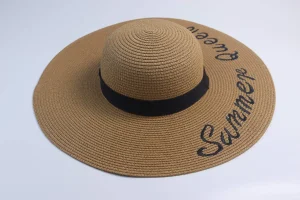
High-Quality Women's UPF 50 Sun Straw Hat — Wide Brim, Foldable, Fashionable Beach Hat from China Suppliers & Factory
View Product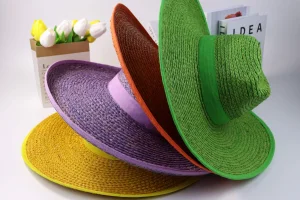
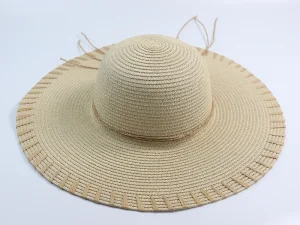
China Women's Straw Wide Brim Hat — Breathable Wide Hat for Women Summer Beach Vacation Suppliers, Factories
View Product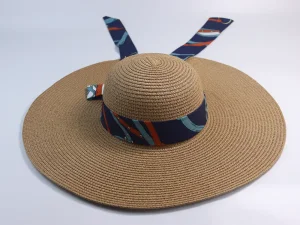
High-Quality Wholesale Women's Summer Hats — Big Brim Sunshine Hats, Custom Bow Decorations Available
View Product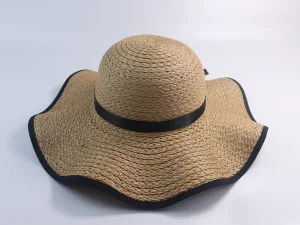
High-Quality China Women's Large Brim Summer Beach Hat — Wavy Edge Sun Protection by Suppliers & Factory
View Product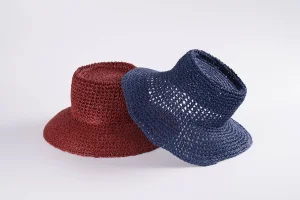
Wholesale Stylish Summer Hats for Women — Sun Protection & Fashion Manufacturer, Suppliers
View Product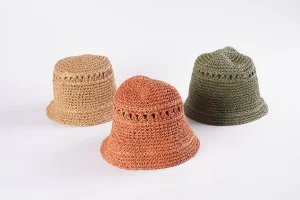
High-Quality Fashionable UV Protection Sun Hats for Women — Quality Designs from China Suppliers & Factory
View Product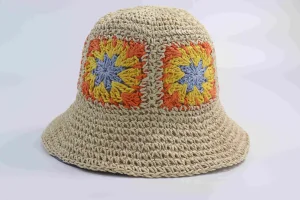
Wholesale Trendy Straw Bucket Hat from China Suppliers — Factory-Made for Ultimate Sun Protection
View Product
Market Intelligence
Why Mini Straw Bags Became a Strategic Sourcing Category
Between 2021 and 2025 the accessory market shifted decisively toward compact, high-frequency-purchase woven goods. Mini straw bags — totelets, bucket minis, crossbody rounds, and structured basket micro-shapes — moved from a seasonal novelty to a core replenishment line for resortwear, festival, gifting, and private-label retail.
Compact-Format Consumption
Urban consumers now favor small-format bags for daily carry, event photography, and travel packing efficiency. Mini silhouettes reduce material cost per unit while raising perceived design value.
Natural-Fiber Preference
Retail buyers increasingly request plant-based, biodegradable, and recyclable fibers. Straw, raffia, seagrass, and paper-straw constructions answer sustainability targets without compromising aesthetics.
Social-Commerce Velocity
Short-form video commerce compresses trend cycles to weeks. Mini bags photograph well, ship cheaply, and support rapid colorway rotations — ideal for DTC and marketplace test-and-scale models.
Low-Volume Viability
Because mini bags use less material per unit, viable MOQs drop. This lets boutique importers, hotel gift programs, and promotional buyers order at 50–300 units per design.
-
0+
Years of Woven Accessory Production
-
0+
Active Global Distributors
-
0+
Countries Served
-
0h
Response & Action on Buyer Requests
Supply Chain Doctrine
China Factory 4.0: Supply-Chain Resilience & Efficiency Advantage
Buyers evaluating a global leading mini straw bag exporter are no longer comparing only unit price. They are stress-testing delivery reliability, documentation readiness, material traceability, and the ability of the factory to absorb demand shocks without breaking a shipment window.
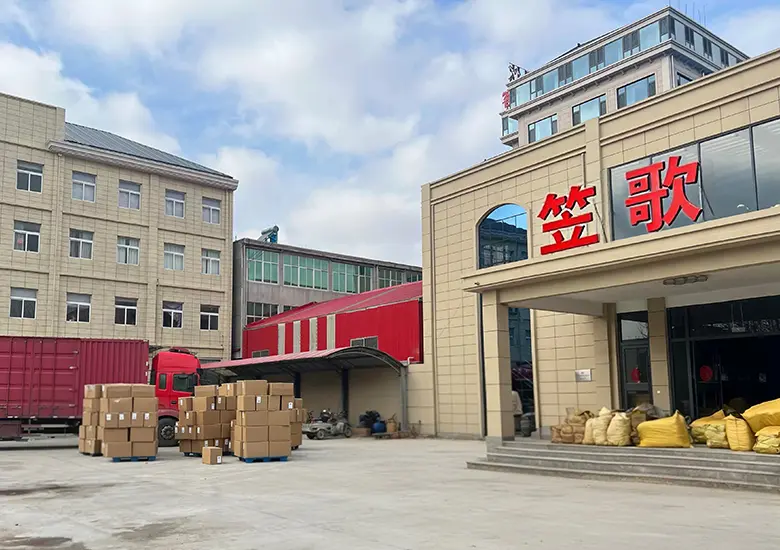
At Lige Hats, the operating model has been rebuilt around four resilience layers: diversified raw-material sourcing, modular line changeover, digital QC checkpoints, and freight routing redundancy through Qingdao Port and inland consolidation hubs.
- Dual-sourcing of raffia, paper straw, and seagrass — reduces single-region fiber exposure and keeps weaving lines running through seasonal harvest gaps.
- Modular changeover — the same blocking and finishing cells switch between mini tote, bucket, crossbody, and hat formats with documented setup protocols.
- Digital QC checkpoints — dimensional verification, weave density sampling, hardware pull-testing, and photo-documented pre-shipment inspection.
- Freight redundancy — FCL and LCL options out of Qingdao, plus express and air corridors for sample and launch-window urgency.
In-House Digital Briefing
Every buyer brief is translated into a structured production spec sheet — material grade, weave count, dimensions, hardware, labeling, and packing method — before sampling begins.
Capacity Buffering
Seasonal surge slots are reserved for repeat clients, preventing the classic pre-summer bottleneck that delays mini bag programs by four to six weeks.
Time-Boxed Milestones
Sampling, approval, bulk production, inspection, and loading are each assigned a tracked milestone window with buyer-visible status updates.
Macro Industry Solutions
Program Architectures for Major Buyer Segments
Different buyers need different commercial structures. The same factory floor can support a 60-piece boutique capsule and a 40,000-unit marketplace replenishment — but only if the program architecture is designed correctly from the first brief.
Boutique & Emerging Brand Capsules
Low MOQ from 50–100 pcs per design, mixed-colorway sampling, and white-label packaging. Ideal for concept validation before committing to container volumes.
Resort, Cruise & Hospitality Gifting
Branded mini straw bags with embroidered or debossed logos, hangtags, and gift-box presentation. Common in hotel amenity programs and onboard retail.
Marketplace & DTC Replenishment
Forecast-based repeats with locked colorway libraries, barcode-ready polybag packing, and stable dimensional tolerances for automated fulfillment.
Promotional & Festival Merchandise
Short-run event programs with tight deadlines, printable branding panels, and cost-engineered constructions for high-volume giveaway tiers.
Wholesale Distribution & Multi-Brand Supply
Consolidated multi-SKU shipments, mixed-carton planning, and documentation prepared for import brokers and customs clearance workflows.
Private-Label Retail Owned Brands
Full ODM development from mood board to finished spec, including woven labels, patches, retail-ready presentation, and seasonal line planning.
Program design note: a single supplier can serve all six segments — but only if material libraries, MOQ thresholds, and QC standards are documented per segment. Buyers should request a written program matrix before sampling, not after.
Technology Roadmap
Technology Roadmap & 2026–2030 Outlook
Export leadership in woven accessories is increasingly a technology story. The factories that win the next procurement cycle will be the ones that can prove — not just claim — material traceability, production transparency, and design-cycle speed.
Digital Material Passports
Machine-readable fiber origin records attached to each SKU family, enabling buyers to answer sustainability questionnaires without chasing the factory for weeks.
Vision-Assisted Weave QC
Camera-based inspection trained on weave-density deviations, catching irregular rows and tension defects before finishing rather than at final inspection.
On-Demand Micro-Batching
Small-batch production cells that can run a 150-unit design alongside a 15,000-unit replenishment without resetting the whole line — shortening lead times for trend-led buyers.
Predictive Replenishment
Shared sell-through signals between buyer and factory to pre-position fiber stock and pre-book line capacity ahead of forecasted demand spikes.
What This Means for Buyers Today
Even before these systems are fully rolled out, buyers should evaluate suppliers against three readiness signals: whether the factory can document fiber origin, whether QC is photo-recorded rather than verbal, and whether changeover between SKU formats is standardized or improvised.
- Ask for a material-origin statement per fiber family.
- Request pre-shipment inspection photographs with measurement references.
- Confirm whether packaging can be barcode-ready for fulfillment centers.
Design-Cycle Compression
Sampling speed has become a competitive weapon. A supplier that returns a physical sample in 7–10 days allows two full concept iterations before a competitor returns the first round. Over a season, that advantage compounds into materially better sell-through.
Our in-house design team maintains a large reference library of mini tote, bucket, crossbody, and structured basket constructions — shortening the gap between a buyer's mood board and an approvable sample.
Localization & Compliance
Localization Support & Market-Specific Compliance Assurance
A straw bag that sells in one market may fail documentation, labeling, or material disclosure requirements in another. Export leadership requires country-by-country readiness — not a single generic export checklist.
Labeling & Origin Marking
Country-of-origin marking, fiber-content labels, and care instructions adapted to destination-market expectations, including woven, printed, and heat-transfer formats.
Documentation Readiness
Commercial invoice, packing list, and origin documentation prepared consistently so import brokers are not blocked at clearance because of inconsistencies.
Restricted-Substance Awareness
Dye, finish, and hardware selections screened against common restricted-substance lists before bulk production, reducing the risk of rejection at destination.
Regional Aesthetic Localization
Colorway and trim recommendations tuned to North American, Australian, Western European, Japanese, and Middle Eastern preferences — not a single global palette.
Retail-Ready Packaging
Polybag, hangtag, tissue wrap, and gift-box options per market — including fulfillment-center-friendly polybag configurations with barcode placement windows.
Multi-Language Buyer Support
English-language commercial correspondence as standard, with support for common buyer-side languages through documentation templates and translated specification sheets.
Global Procurement
What Global Enterprises Actually Demand from a Mini Straw Bag Exporter
Procurement teams at large retail groups, distributors, and brand owners consistently screen suppliers against a repeating set of criteria. These are the ones that decide whether a sample request becomes a purchase order.
| Procurement Criterion | What Buyers Ask For | How an Export Leader Responds |
|---|---|---|
| MOQ Flexibility | Ability to test a design before committing to container volume | Starting quantities of 50–100 pcs per design, with clear scale-up pricing tiers |
| Sampling Speed | Physical samples back within two weeks for seasonal calendar alignment | Structured sample workflow with material recommendations and photo updates |
| Quality Consistency | Repeat orders that match the approved sample in dimension and weave | Documented spec sheets plus dimensional and weave-density inspection checkpoints |
| Documentation | Correct origin, content, and commercial documentation for customs | Standardized export document set prepared alongside production |
| Communication SLA | Fast, accountable replies across time zones | 8-hour response and action commitment with a dedicated account contact |
| Freight Options | Sea, air, and express flexibility depending on urgency | FCL/LCL via Qingdao Port, plus air and express corridors for urgent needs |
| Private Label Capability | Custom branding, labels, patches, and packaging | OEM/ODM with woven labels, hangtags, patches, and retail-ready packaging |
Procurement reality check: the cheapest quotation is rarely the lowest total cost. Late shipments, re-inspection fees, and markdowns from inconsistent quality routinely erase the savings from a lower unit price.
Material & Construction Insight
Fiber Selection Determines Cost, Shape, and Market Fit
The fiber decision is made before the first sample is cut. It determines hand-feel, shape retention, packing behavior, unit cost, and which markets the product can credibly serve.
Raffia
Natural palm-leaf fiber known for flexibility, dye receptivity, and a soft hand-feel. Excellent for mini totes and crossbody shapes that need to fold and recover.
Paper Straw
Twisted paper yarn delivers uniform color and a competitive unit cost. Well suited to volume programs and clean, modern mini silhouettes.
Seagrass & Natural Grass
Stiffer braided fibers that hold structured basket shapes. Preferred where shelf presentation and shape retention matter most.
Cotton & Blended Cord
Extends mini bag programs beyond pure summer into transitional and gift categories, with softer construction and broader color options.
Buyer Q&A
Frequently Asked Questions from Global Wholesale Buyers
Direct answers to the questions that come up most often during sourcing conversations for mini straw bags and woven accessories.
What is the minimum order quantity for wholesale mini straw bags?
Starting quantities are typically 50 to 100 pieces per design, depending on material and construction complexity. This allows boutiques, emerging brands, and promotional buyers to validate a style before committing to a larger replenishment order.
Can you produce mini straw bags with our own brand labels and packaging?
Yes. OEM and ODM production is core to our operation. We customize shape, fiber, color, hardware, lining, and strap configuration, and add branding elements such as woven labels, patches, hangtags, and retail-ready packaging. Our in-house designers can also develop new mini bag shapes from your mood board or reference samples.
Where is the factory located, and how are orders shipped?
Production is located in Linyi City, Shandong Province, China, within easy reach of Qingdao Port. Bulk orders typically move by sea as FCL or LCL shipments, while samples and urgent small orders can be sent by air or express courier.
Which export markets do you serve most frequently?
Most shipments go to the United States, Canada, Australia, Mexico, Western Europe, and Japan. Overall we serve buyers in more than 60 countries and work with over 25 global distributors.
How quickly does the team respond to new buyer requests?
We commit to responding and taking action within 8 hours, covering product questions, sampling requests, order follow-up, and after-sales service.
What product categories do you manufacture besides mini straw bags?
Alongside straw bags, we manufacture straw hats, paper hats, paper bags, children's straw hats, toy hats, lifeguard hats, sun visors, winter hats, and other woven bag categories. This allows buyers to consolidate multiple accessory lines under a single supplier.
Can you support market-specific labeling and compliance documentation?
Yes. We prepare country-of-origin marking, fiber-content labels, care instructions, and the standard export document set required for customs clearance. Label formats — woven, printed, or heat-transfer — are selected according to the destination market and the buyer's retail requirements.
How do you handle quality consistency across repeat orders?
Each approved sample is converted into a written production specification covering dimensions, weave density, hardware, labeling, and packing. Repeat orders are produced against that spec, with dimensional and visual inspection checkpoints before shipment.
Start Your Program
Build Your Next Mini Straw Bag Collection
Send your style references, target quantity, destination market, and packaging requirements. Our team will respond within 8 hours with material recommendations, a sampling plan, and a production timeline.
Extended Reference Range
More Woven Styles Available for Wholesale Development
Additional constructions from our broader woven accessories line — useful for buyers planning mixed-category containers or testing adjacent silhouettes alongside a mini straw bag core program.
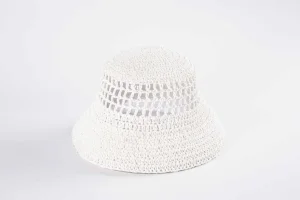
China UV-Blocking Sun Protection Hat with Wide Brim for Outdoors — Manufacturer, Factories
View Product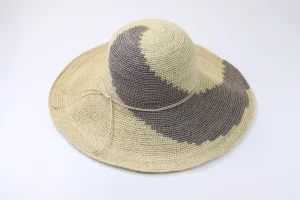
High-Quality Packable Raffia Straw Beach Sun Hat — Manufacturers, Factories
View Product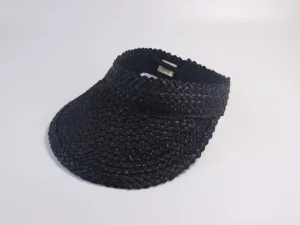
China Natural Wheat Straw Top Hat with Sawtooth — Customizable for Unique Designs, Factories
View Product
China Trendy Straw Bucket Hat — Perfect for Sun Protection! Supplier, Factories
View Product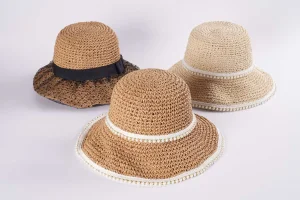
China Stylish Summer Hats for Women — UV Protection & Fashionable Design, Manufacturer
View Product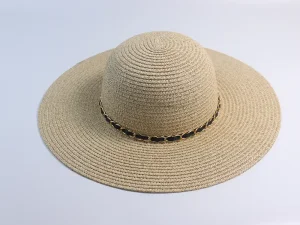
Wholesale Women Summer Seaside Straw Sun Visor Hat — Custom Handmade Sun Protection, Factory
View Product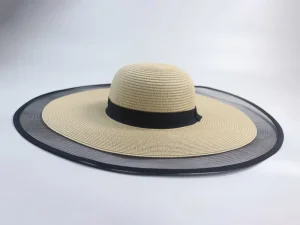
Wholesale Large Brim Organza Floppy Hats for Women — China Suppliers & Factory Customization
View Product