
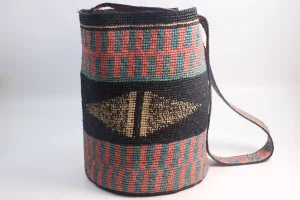
Wholesale Global Leading Mini Straw Bag Manufacturers & Factory
A factory-direct sourcing guide for importers, brand owners and retail buyers — covering China manufacturing advantages, mini straw bag trends, localized applications and end-to-end OEM/ODM supply.
Semantic Overview
Why Mini Straw Bags Have Become a Strategic Sourcing Category
Search data and buyer behaviour both point the same way: shoppers no longer ask only for “straw hats”. They ask for mini straw bag wholesale, raffia crossbody bag supplier, beach picnic handbag factory and packable vacation tote OEM. Each phrase carries a different intent — and a different margin. This guide decodes those intents and explains how Chinese manufacturers such as Shandong Lige Import & Export Co., Ltd. (Lige Hats) structure production around them.
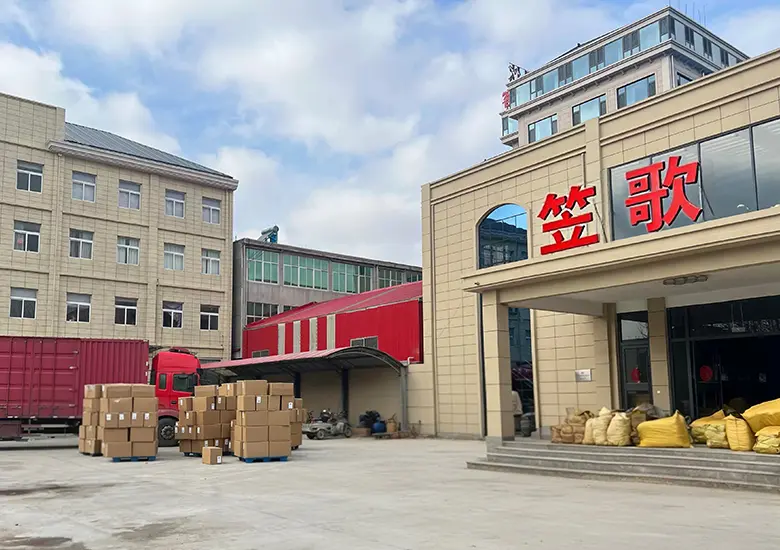
Based in Linyi, Shandong, within easy reach of Qingdao Port, Lige has spent more than 15 years producing straw hats, paper hats, straw bags and paper bags for importers and brands across the United States, Canada, Australia, Mexico, Western Europe and Japan. The mini straw bag line applies the same weaving, blocking and finishing expertise that made their headwear programs repeatable at scale.
0+Years Manufacturing
0+Countries Served
0+Global Distributors
0hResponse & Action
Best-Selling Factory Line
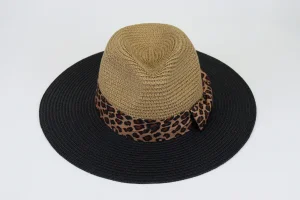
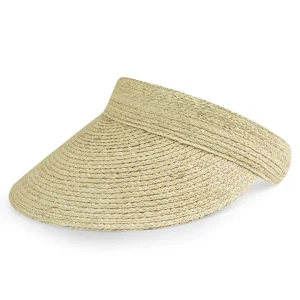
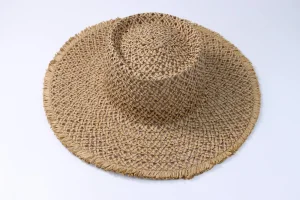
Wholesale Straw Bags & Sun Hats Buyers Reorder Season After Season
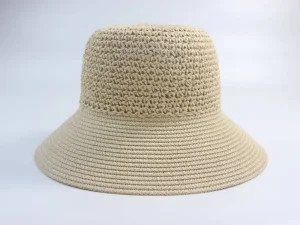
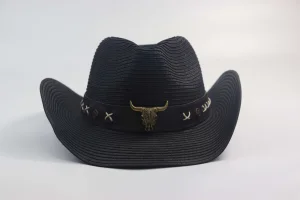
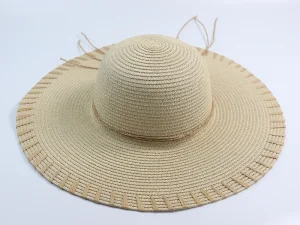
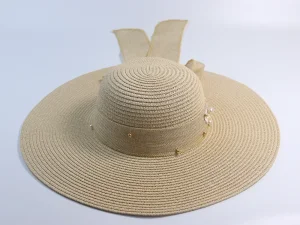
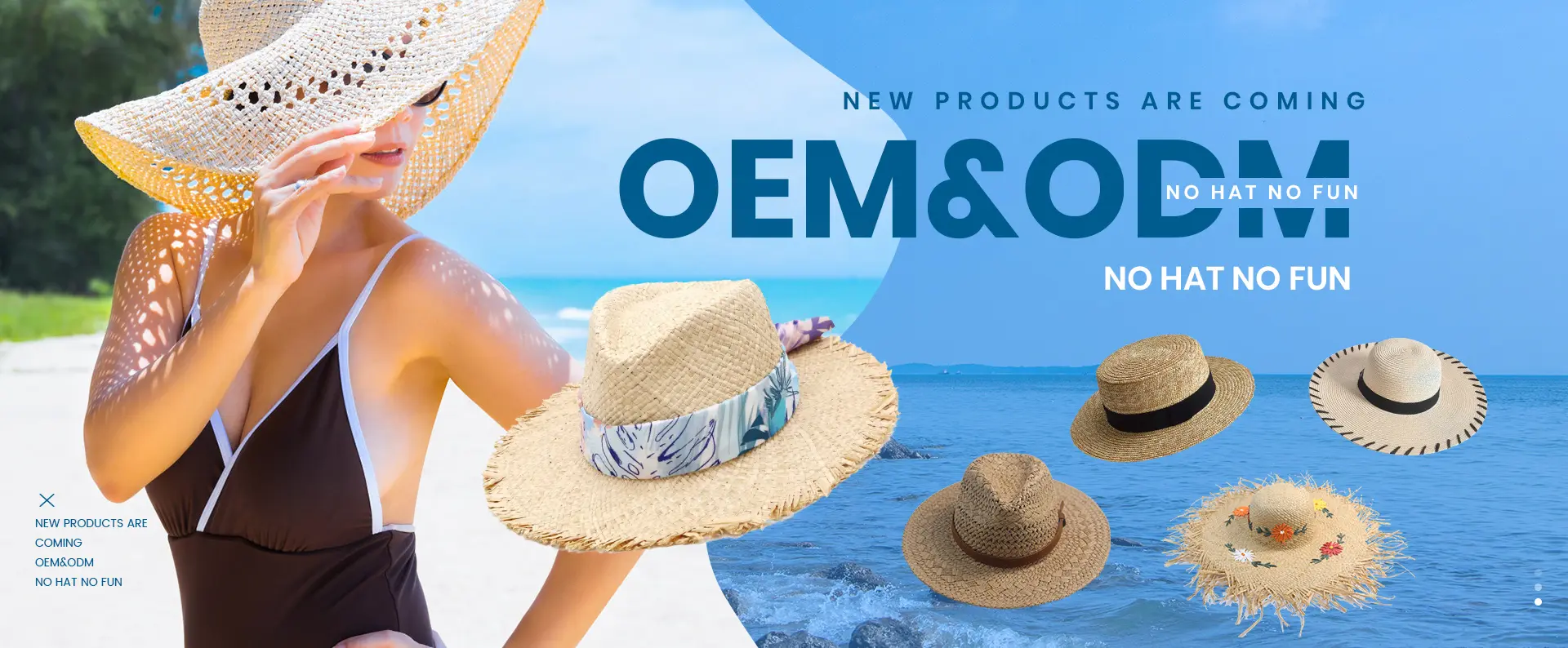
Every silhouette below is produced in-house and can be customized in material, colour, size, banding, lining and branding — with starting quantities from 50 to 100 pieces per design.
China Factory Advantage
What Makes a Global Leading Mini Straw Bag Factory Different
“China manufacturer” is not a single proposition. The difference between a trading desk and a true factory shows up in material consistency, sampling speed, quality drift and — ultimately — in whether your seasonal program lands on time. Here is what to interrogate before you place a purchase order.
Vertical Control of Fiber to Finish
Raw material sorting, weaving, blocking, trimming, lining, hardware attachment and final inspection under one roof. Vertical control removes the hidden hand-offs where colour variance and stitch drift appear in multi-tier supply chains.
Sampling Speed as a Competitive Edge
With designers and sample makers in the same building as production, buyers can iterate quickly on shape, handle drop, lining and hardware — the variables that decide whether a mini straw bag photographs well and sells through.
Access to the Full Linyi Weaving Ecosystem
Shandong’s Linyi region concentrates generations of braiding and weaving skill. That ecosystem gives buyers access to raffia, paper straw, natural grass and knit constructions without sourcing across multiple provinces.
Proximity to Qingdao Port
Linyi sits within efficient trucking distance of Qingdao Port, one of China’s major container gateways. FCL and LCL export programs ship without extended inland transit, which shortens the critical path from final inspection to vessel departure.
Experienced Production & QC Leadership
A production manager with 20 years of experience and a QC manager with 15 years sit behind the line, supported by a team averaging 5+ years. That depth is why sizing, weave density and handle strength stay repeatable across reorders.
Low MOQ for Market Testing
Starting quantities of 50 to 100 pieces per design let boutiques, emerging labels and importers validate a mini straw bag concept before committing to container-scale volume — private-label launches without overstock risk.
Market Intelligence
Mini Straw Bag Trends Shaping 2025–2027 Assortments
Buyer-side demand for woven accessories has matured from a seasonal novelty into a structured category. Five forces are defining how purchasing teams plan their woven bag programs.
Sustainability Moves from Claim to Spec
Natural raffia, paper straw and grass fibers are no longer decorative talking points — they appear in buying specs. Retailers increasingly request fiber origin, care labeling and recyclable packaging as standard line-sheet fields.
Mini Formats Outperform Oversized Totes
Small crossbody and mini shoulder bags photograph well, ship economically and price accessibly. For brands, they lower the entry price point while raising attach-rate potential alongside straw hats and visors.
Multi-Market Launch Calendars
Northern-hemisphere summer, Southern-hemisphere summer and year-round tropical resort markets now overlap. Suppliers who can run staggered production windows become more valuable than single-season vendors.
Data-Backed Reorder Discipline
Sell-through data now drives reorder decisions within a season, not just between seasons. Factories that can hold material inventory and re-run proven SKUs quickly protect the buyer’s replenishment window.
Localized Applications
Where Mini Straw Bags Sell: Six Retail Scenarios
A mini straw bag is not one product — it is a platform. The same woven construction is merchandised differently by region and channel. Below are the scenarios our buyers build programs around, each with distinct material, trim and packaging expectations.
Coastal & Beach Resort Retail
North American and Australian coastal boutiques favour packable raffia minis with cotton lining and soft handles that flatten into a suitcase. Sun hats and visors are cross-merchandised alongside.
Duty-Free & Travel Retail
Airport and cruise channels prioritise light, low-volume items with strong shelf presence. Mini straw bags in paper straw keep unit weight down and colourways consistent across facings.
Mid-Tier Fashion & Department Stores
European department stores request structured mini bags with matte hardware and grosgrain detailing, often in neutral tones. Line sheets typically specify exact dimensions and hardware finishes.
Bridal, Picnic & Event Styling
The “beach picnic holiday handbag” intent sits here: small woven bags with bow decoration, ribbon handles or floral accents, bought in coordinated sets for weddings, showers and photo shoots.
Branded Resort & Hotel Amenities
Hospitality groups order logo-woven mini bags as guest amenities and retail add-ons. Woven labels, patches and hang tags convert a commodity bag into branded merchandise.
Online Pure-Play & Marketplace Sellers
E-commerce-first brands prioritise flat-pack shippability, consistent photography and fast restock. Low MOQ sampling allows rapid listing tests before committing to bulk purchase orders.
Macro Industry Solutions
From Single SKU to Full Program Architecture
Global buyers increasingly consolidate woven accessories with a single capable supplier rather than managing separate vendors for hats, bags and seasonal add-ons. That shift changes what “supplier” means. The right partner should support four solution layers.
Layer 1 — Product Architecture
Build a coordinated range where mini straw bags, straw shoulder totes, floppy hats, bucket hats and visors share a material story. Cohesive palettes and trims increase basket size and reduce buyer risk.
Layer 2 — Customization Architecture
OEM and ODM are the default, not an upsell. Shape, fiber, colour, size, lining, hardware, band, woven label, patch and hang tag are all configurable, with in-house designers developing new styles from a mood board or reference sample.
Layer 3 — Logistics Architecture
FCL shipments for large seasonal buy-ins, LCL for mixed or testing orders, air and courier for samples and urgent replenishment. Consolidating multiple bag and hat SKUs into one container lowers landed cost per unit.
Layer 4 — Service Architecture
Response and action within 8 hours covers product questions, sampling, order follow-up and after-sales. A dedicated account contact means a single thread of accountability from brief to delivery.
Six-Step OEM & ODM Workflow
01 · Share Your Brief
Style, material, size, colour, branding and target quantity.
02 · Design & Sampling
Designers recommend materials and develop samples.
03 · Approval
Confirm samples, labels, packaging and schedule.
04 · Production
Material sorting, weaving, blocking and finishing in-house.
05 · Quality Inspection
Final check of shape, stitching, size and trims.
06 · Export Shipping
FCL or LCL sea freight via nearby Qingdao Port.
Global Procurement Demand
What International Buyers Are Actually Asking For
Most of Lige Hats’ output is exported to the United States, Canada, Australia, Mexico, Western Europe and Japan, serving customers in more than 60 countries and working with over 25 global distributors. Across those markets, purchasing teams converge on the same five requirements.
- Proven, documented sample accuracyBuyers want production to match the approved sample — not “close enough”. Documented spec sheets prevent disputes.
- Low MOQ with real scaling capabilityStarting quantities of 50–100 pieces per design, then scale into container volume without changing factories.
- Reliable communications in EnglishAn 8-hour response window covering product questions, sampling, order follow-up and after-sales.
- Competitive factory-direct pricingRaw material, weaving, finishing and inspection under one roof removes middleman margins from the cost breakdown.
- One-stop hat and bag sourcingStraw bags, paper bags, straw hats, sun visors, children’s hats, lifeguard hats and winter hats from a single supplier.
Material Selection Guide
Raffia, Paper Straw, Natural Grass or Knit: Choosing the Right Fiber
The fiber you choose determines hand-feel, shape retention, price point and how well a mini straw bag survives shipping. This is how our product team advises buyers before sampling begins.
Raffia
A natural palm-leaf fiber traditionally sourced from Madagascar. Its natural resins make it soft, flexible and highly dye-receptive, so bags can be packed flat and recover their shape.
Paper Straw
Twisted paper yarn woven or braided into a lightweight, uniform fabric. It delivers clean, consistent colours and a competitive unit cost for volume programs.
Natural Grass Straw
Braided natural stems with inherent stiffness, producing crisp, structured silhouettes and an authentic artisanal look that buyers value at premium price points.
Fabric & Knit
Cotton, polyester and knitted constructions extend assortments beyond summer and into children’s and cold-weather categories — useful for year-round single-supplier programs.
Buyer FAQ
Questions Importers Ask About Wholesale Mini Straw Bags
Straight answers on minimums, customization, materials, shipping and service. Need more detail? Our team replies within 8 hours.
What is the minimum order quantity for custom mini straw bags and straw hats?
Our starting quantity for small orders is 50 to 100 pieces per design, depending on the material and craftsmanship. This allows boutiques, emerging brands and importers to test new mini straw bag styles before scaling up into container volume.
Can you produce private-label straw bags and hats with our own logo?
Yes. OEM and ODM production is our core business. We can customize shape, material, colour, size, lining, hardware and hat band, and add branding elements such as woven labels, patches and hang tags. Our in-house designers can also develop new styles from your mood board or reference samples.
Where is your factory located and how are orders shipped?
We are located in Linyi City, Shandong Province, China, close to Qingdao Port. Bulk orders are typically exported by sea freight as FCL or LCL shipments, while samples and urgent small orders can be sent by air or express courier.
Which markets do you export straw bags and hats to?
Most of our products are exported to the United States, Canada, Australia, Mexico, Western Europe and Japan. We serve customers in more than 60 countries and work with over 25 global distributors.
How quickly does your team respond to buyer requests?
We respond and take action within 8 hours, covering product questions, sampling, order follow-up and after-sales service.
What products do you manufacture besides mini straw bags?
In addition to straw bags, we manufacture paper bags, straw hats, paper hats, children’s straw hats, toy hats, lifeguard hats, sun visors and winter hats — supporting a one-stop accessory program with a single supplier.
How do you protect quality across a reorder?
Each approved sample is documented with material, dimensions, trim and colour references. A production manager with 20 years of experience and a QC manager with 15 years oversee the line, and final inspection checks shape, stitching, size and trims before export packing.
Can you combine straw bags and hats in one shipment?
Yes. Because bags and hats are produced under one roof, mixed orders can be consolidated into a single FCL or LCL shipment through Qingdao Port, which reduces landed cost per unit and simplifies customs documentation.
More From the Factory
Additional Wholesale Styles Available for Customization
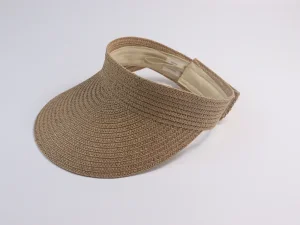
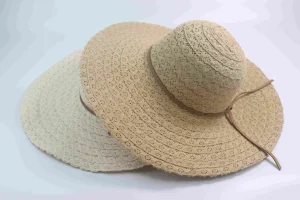
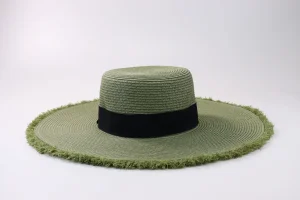
Every item below is offered with OEM/ODM customization, factory-direct pricing and consolidated shipping through Qingdao Port.
Start Your Program
Let’s Build Your Next Mini Straw Bag Collection
Send style references, target quantity and destination market. Our team replies within 8 hours with material suggestions, a sampling plan and a production timeline. Shandong Lige Import & Export Co., Ltd. — Linyi City, Shandong Province, China.