Linyi · Shandong · China
Wholesale Global Leading Straw Tote Bag s Factories & Factory
A buyer-focused, factory-direct guide to sourcing woven straw tote bags alongside OEM/ODM straw hats, paper hats and paper bags — with the material intelligence, quality controls and export logistics global importers actually need.
Factory-Direct Straw Tote & Hat Range
Every Silhouette in the Nearby Sourcing Program
These reference styles ship from the same Linyi facility where our woven straw tote bag production lines operate. Browse the live catalog — each card links to the current product page, and every item can be quoted with a MOQ from 50–100 pcs per design.
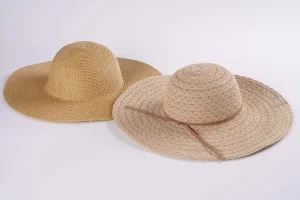
Wholesale Stylish Summer Beach Hats for Women - UV Protection & Fashion Manufacturers, Factories
View Product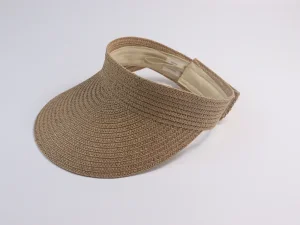
High-Quality China Factory Suppliers Popular Straw Visor Hat for Women and Men - Breathable Sun Protection Summer Accessory Supplier, Factory
View Product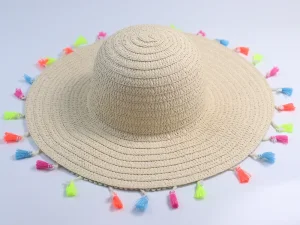
Wholesale Kids Summer Hat & Bag Set - Cute Beach Handbag and Hat - Handmade in China | Premium Quality from Suppliers & Factory Supplier, Factories
View Product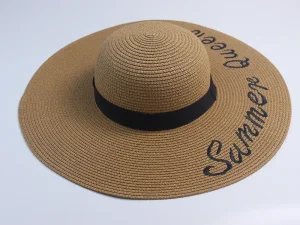
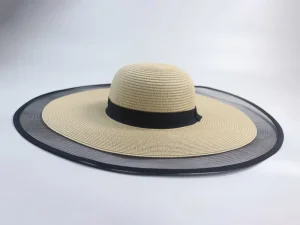
High-Quality Custom Embroidery Women’s Summer Wide Brim Straw Hats - UV Protect Beach Hats from China Suppliers and Factory Suppliers, Factory
View Product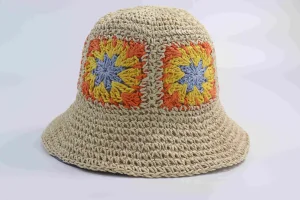
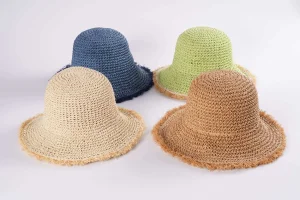
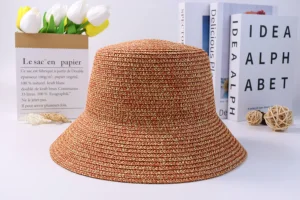
China Trendy Straw Bucket Hat - Perfect for Sun Protection! Supplier, Factories
View Product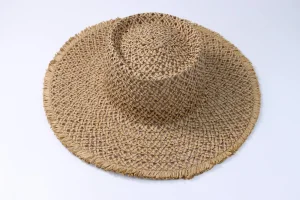
Wholesale Flat Crown Wide Brim Boater Summer Hat Supplier, Suppliers
View Product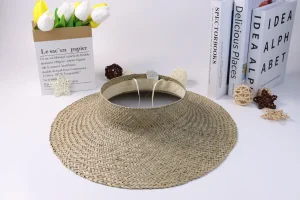
Wholesale Women's Wide Brim Visor, Adjustable Strap Summer Beach Visor Manufacturer, Supplier
View Product
Structural Advantage
Why China-Based Straw Tote Bag Factories Remain the Global Benchmark
The phrase “global leading” is thrown around loosely in sourcing. In woven straw goods, it is measurable. China’s hand-weaving clusters — many concentrated in Shandong and neighbouring provinces — combine generational craft skill with industrial-grade finishing, tooling and container logistics. For importers building a private-label straw tote program, that combination is difficult to replicate at the same cost and consistency anywhere else.
Integrated Craft Clusters
Raw fiber sorting, hand and machine weaving, blocking, lining, trimming and finishing sit within a few kilometres of each other. Buyers benefit from short lead times, faster sampling cycles and less risk of component mismatch between factories.
Port-Near Manufacturing
A Linyi-based facility is roughly a short truck leg from Qingdao Port, one of the busiest container gateways in northern China. FCL consolidation and LCL co-loading both become reliably schedulable for seasonal programs.
Seasonal Speed
Straw tote bags are a tight-season category. A factory that can quote in 8 hours and dispatch first samples within days gives brand owners a real margin over slower sourcing routes.
Deep Material Library
Raffia, paper straw, natural grass, seagrass, cotton cord and blended fibers are all sourced domestically. Designers can iterate on texture and colorway without waiting on imported raw materials.
Mature QC Culture
Experienced QC managers — many with 15 years in headwear and bag inspection — apply AQL-based checks on weave density, rim tension, stitching counts and hardware pull strength before cartons are sealed.
Export DNA
More than 60 countries and 25+ global distributors are already served by established Shandong suppliers. Documentation, labeling and retail-compliance expectations are well understood.
Industry Outlook
Six Trends Reshaping the Global Woven Straw & Tote Category
Sourcing intelligence is not just price discovery. It is understanding what your buyers’ buyers will be asking for next season. The trends below are the ones repeatedly showing up across North American, Australian and Western European retail briefs.
1. Natural Fiber & Sustainability
Buyers increasingly want woven textiles that can be described as renewable, biodegradable or plant-based without greenwashing. Raffia and paper straw are positioned well, but traceable sourcing narratives and honest care labelling separate category leaders from opportunistic sellers.
2. Hat-and-Bag Sets
Co-ordinated sun hat plus tote bag sets are outperforming single SKUs at resort retailers. A single factory producing both components shortens development and stabilises color matching across the pair.
3. Functional Sun Protection
UPF claims are no longer a premium feature — they are an expectation. Woven density, lining choices and brim geometry all contribute to a defensible UPF 50 story that retailers can put on pack.
4. Packable & Travel-Ready
Roll-up and fold-flat constructions have shifted from novelty to mainstream. This drives material decisions: raffia’s natural resins recover shape; paper straw needs careful construction to earn the same “packable” claim.
5. Small-Batch Brand Launches
Emerging DTC and boutique brands are launching with 50–100 pcs per design instead of container-scale minimums. Suppliers that support this without punishing pricing are winning long-term accounts.
6. Personalisation & Embroidery
Custom embroidery, woven labels, charm hardware and monogram bands turn a commodity tote into a gifting and resort-retail product. Buyers now expect these options quoted at sampling stage, not as a later afterthought.
Localised Applications
Where Woven Straw Tote Bags Actually Sell
The same product succeeds or fails based on channel. Buyers who understand localised demand signal return lower rates and higher sell-through. Here is how the major markets are using straw totes today.
- North American resort & beach retail: hat-plus-tote sets, palm embroidery, oversized weekenders priced at a gifting sweet spot.
- Australian summer lifestyle: UPF-forward messaging, adjustable straps, compact silhouettes for outdoor and lifestyle brands.
- Western European boutique: small-batch curated drops, neutral raffia tones, artisanal storytelling and cotton lining upgrades.
- Japanese & Korean premium: hand-finish detail, precise trim alignment, low-volume colour variations and clean labeling.
- Middle East & Gulf hospitality: branded welcome totes, high-durability handles, repeatable bulk restock cycles.
- Latin American cruise & souvenir: bright colorways, co-branding with resort logos and quick-turn restock before peak season.

60+Countries served by the Shandong straw cluster
Macro Solutions
From Single SKU to a Managed Woven Accessories Program
Professional buyers rarely purchase one item. They purchase a season. A leading factory relationship is one that can consolidate straw totes, sun hats, paper bags and children’s accessories under one supplier, one QC standard and one export schedule.
Category Consolidation
Combine straw totes, woven sun hats, paper bags and kids’ sets in a single purchase order — reducing admin load, improving freight economics.
Seasonal Planning
Agree a 12-month calendar with sampling windows, production slots and shipment dates so restocks do not collide with peak freight congestion.
Private-Label Architecture
Woven labels, hang tags, embroidery, monogram bands and gift packaging handled as standard deliverables — not paid extras.
Quality Consistency
One QC protocol across loose goods and bag components means fewer cross-category defects and simpler claims handling for retailers.
Mixed-Mode Logistics
FCL for volume restocks; LCL for new design tests; air or express for time-critical launches. Same factory, three dispatch modes.
Documentation & Compliance
Commercial invoices, packing lists, origin documentation and labeling support aligned with retail partner requirements.
Buyer Motivation
What Global Enterprises Actually Ask Before Choosing a Factory
Across hundreds of sourcing briefs, buyers from retail groups, importers and DTC brands evaluate suppliers on a surprisingly consistent checklist. If a factory can answer these confidently, cross-border cooperation almost always follows.
Realistic MOQ
Can you start at 50–100 pieces per design without destroying the unit price for later volume restocks?
Sampling Speed
How fast do reference samples, material swatches and revised colorways come back — days or weeks?
Consistency Evidence
Can documented QC standards, past AQL reports and QC team tenure justify repeat orders with the same output quality?
Design Literacy
Can the factory translate a mood board into accurate material and shape recommendations, not just "yes, we can make that"?
Port & Logistics Clarity
Which port, which shipping mode options, and how predictable are ETDs during peak season congestion?
Communication SLA
Is 8-hour response a genuine commitment with a named account contact, or a marketing promise that quietly lapses?
15+Years in straw hats, woven bags and paper bags
Factory & Team Credentials
Inside the Shandong Facility That Produces Hats & Totes
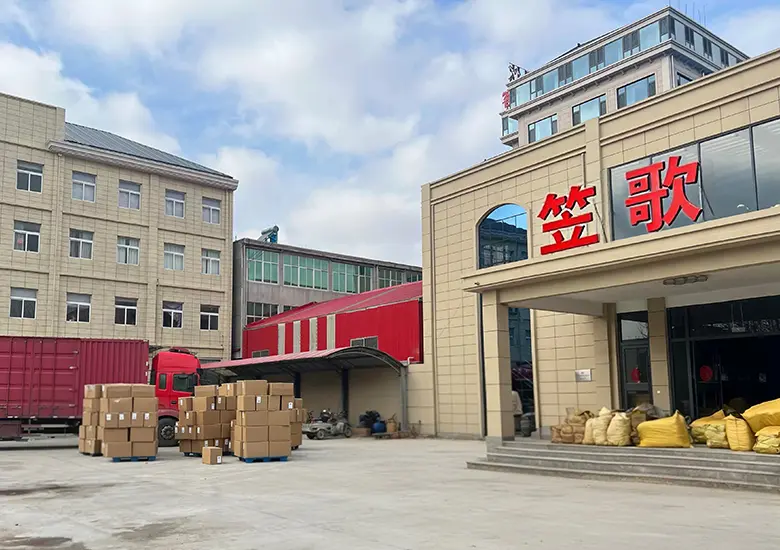
Shandong Lige Import & Export Co., Ltd., trading as Lige Hats, has spent more than 15 years specialising in straw hats, paper hats, straw bags and paper bags. The operation sits in Linyi City, Shandong Province — a location chosen deliberately for proximity to Qingdao Port and to the skilled weaving talent pool that supports the region.
Production, sampling, finishing and final inspection run under one roof. That single-site model is the difference between a supplier who can answer “can you do this?” and one who can answer “here is the sample, the price, the lead time and the packing plan.”
- 20-year production manager overseeing throughput, tooling and material schedules.
- 15-year QC manager running AQL-based inspections on weave, structure and hardware.
- 5+ year average team tenure delivering consistent communication and reliable follow-through.
- 25+ global distributors and 60+ export countries informed by years of compliance learning.
Buyer’s Material Guide
Straw Tote & Hat Fibers Compared Before You Sample
Material choice drives hand-feel, shape memory, packing behavior, price and the claims you can make on retail packaging. This matrix is what our product team discusses with buyers before quoting a woven straw tote program.
Raffia
Natural palm fiber traditionally associated with Madagascar. Natural resins give softness, flexibility and strong dye uptake, so totes and floppy hats recover shape after packing. Best for: resort totes, floppy hats, premium gift sets.
Paper Straw
Twisted paper yarn woven or braided into a uniform, lightweight fabric. Delivers clean consistent colourways and competitive unit costs for volume programs. Best for: fedoras, promotional totes, high-run retail.
Natural Grass
Braided natural stems with inherent stiffness, producing crisp, structured silhouettes and authentic artisanal value. Best for: boater hats, structured totes, lifeguard hats.
Fabric & Knit
Cotton and polyester constructions extend assortment beyond peak summer into winter and children’s categories. Best for: visors, winter hats, kids’ accessories, year-round programs.
Sourcing Q&A
Wholesale Straw Tote & Hat Questions Buyers Ask Most
Direct answers on MOQ, private label, shipping, markets and response time. If a question is missing, the team replies within 8 hours.
What is the minimum order quantity for custom straw hats and tote bags?
Our starting quantity for small orders is 50 to 100 pieces per design, depending on the material and craftsmanship. This lets boutiques, emerging brands and importers test new styles before scaling to container-level volumes.
Can Lige produce private-label hats with our own logo?
Yes — OEM and ODM production is our core business. We customise shape, material, colour, size and hat band, and add branding through woven labels, patches, hang tags and embroidery. Our in-house designers can also develop new styles directly from your mood board or reference samples.
Where is the factory located and how are orders shipped?
We are located in Linyi City, Shandong Province, China, close to Qingdao Port. Bulk orders are typically exported by sea freight as FCL or LCL shipments, while samples and urgent small orders can be dispatched by air or express courier.
Which markets do you export straw totes to?
Most of our products are exported to the United States, Canada, Australia, Mexico, Western Europe and Japan. We serve customers in more than 60 countries and work with over 25 global distributors.
How quickly does the team respond to buyer requests?
We respond and take action within 8 hours, covering product questions, sampling, order follow-up and after-sales service. Each account is assigned a dedicated contact to avoid the “re-introduce yourself every email” problem.
What products do you manufacture besides straw hats?
In addition to straw hats, we manufacture paper hats, straw bags, paper bags, children’s straw hats, toy hats, lifeguard hats, sun visors, winter hats and other bags — giving buyers a single-source solution for seasonal accessories.
Can the factory handle mixed orders with hats and totes together?
Yes. Coordinated hat-and-tote programs are increasingly common for resort and gift channels. Producing both components in the same facility helps align colour matching, trim hardware and packing plans — and simplifies your compliance and freight paperwork.
Build Your Next Wholesale Straw Tote Program With a Factory, Not a Middleman
Share your style references, target quantities and destination market. The team responds within 8 hours with material recommendations, a sampling plan and an indicative production timeline.
More Reference Styles
Related Straw Hat & Accessory Programs
A broader view of the factory’s seasonal range. Each style can be produced in the same woven material, mixed into an existing straw tote order, or quoted as its own private-label program.
High-Quality Stylish Wide Brim Sun Hats for Women - UV Protection Manufacturers, Factory
View Product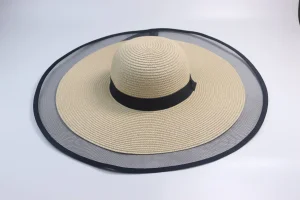
Wholesale Wide Brim Straw Hat - Stylish Sun Protection for Summer Days Manufacturers, Manufacturer
View Product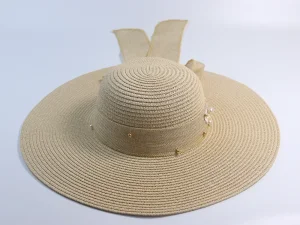
High-Quality China Suppliers Factory Premium Sun Protective Floppy Beach Straw Hat for Women with Bow Decoration Manufacturers, Supplier
View Product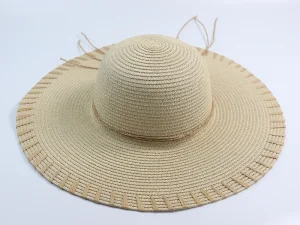
China Womens Sun Straw Hat Wide Brim UPF 50 Summer Hat Foldable Roll up Floppy Beach Hats Manufacturer, Factory
View Product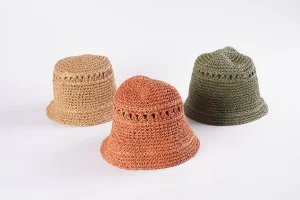
China Stylish Sun Hats for Women - UV Protection & Fashionable Design Manufacturers, Factory
View Product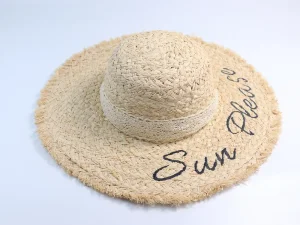
Wholesale Handmade raffia western hat female fashionable embroidery straw hat Manufacturers, Supplier
View Product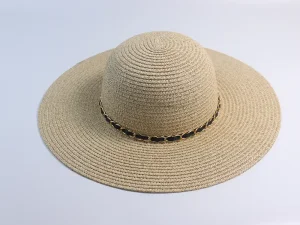
Wholesale Wholesale Women's Summer Seaside Sun Visor Hat - China Suppliers & Factory for Custom Straw Sun Protection Manufacturers, Suppliers
View Product