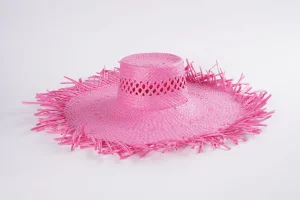
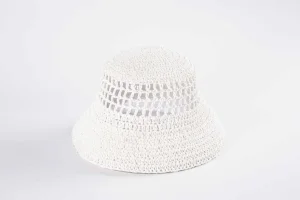
OEM & ODM15+ YearsLinyi · ChinaQingdao Port

Wholesale Leading Cowboy Men's Hat Exporter, Manufacturer & Factory

A factory-direct sourcing guide for importers, brand owners and distributors — built on 15+ years of in-house straw cowboy hat production, from fiber selection to container loading at Qingdao Port.

Industry Context

Why Cowboy Hats Became the Fastest-Compressing Category in Headwear Sourcing

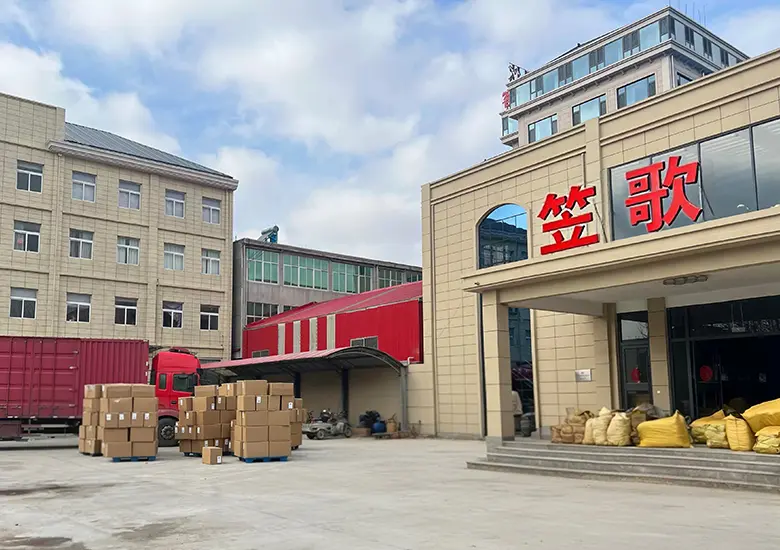
Shandong Lige Import & Export Co., Ltd. — operating as Lige Hats — has manufactured straw hats, paper hats, straw bags and paper bags for more than fifteen years from Linyi City, Shandong Province, with export shipping through nearby Qingdao Port. This page is a working reference for buyers who need more than a product list: it documents material economics, buyer intent patterns, compliance realities and the production workflow that sits behind every wholesale cowboy men's hat order.

15+Years manufacturing hats
60+Countries served
25+Global distributors
50–100Pcs MOQ per design

Demand signals that matter to a wholesale buyer

Western wear no longer lives in a single season, and it no longer lives in a single channel. Rodeo and country-music events, festival retail, resort and cruise assortments, and the steady "cowboy core" trend in premium fashion have pushed straw cowboy hats into year-round replenishment rather than a one-off summer SKU. For importers, that shifts the sourcing question from "what is the lowest unit price?" to "which supplier can keep a shape-consistent line in stock across three continents?"

  • Buyers increasingly source one silhouette family — cattleman, teardrop, pinched-front — across multiple price tiers.
  • Private label programs want small MOQs at the test stage, then rapid scale once a style sells through.
  • Shape retention after sea freight has become a documented buyer requirement, not an afterthought.
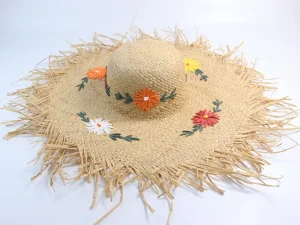
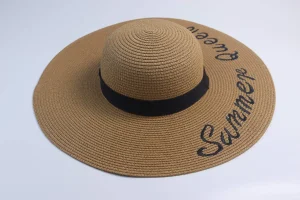
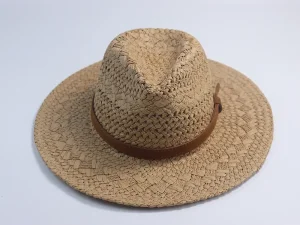
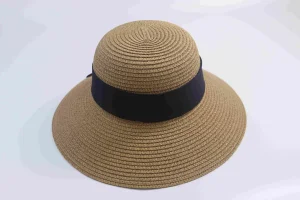
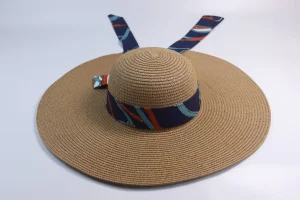
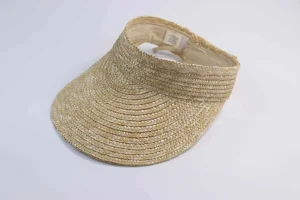
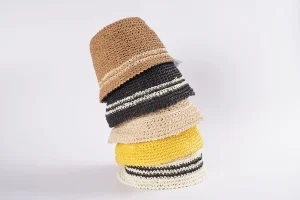
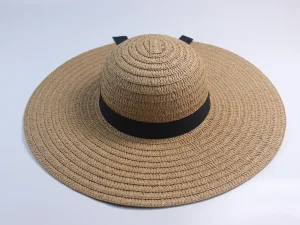
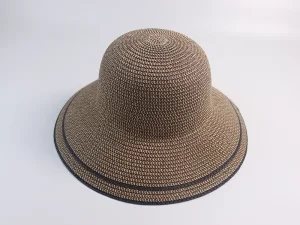
Wide brim straw cowboy hats manufactured in China by Lige Hats
Market Trends

Four structural shifts define where the category is heading between now and the next sourcing cycle. Each one changes what a factory must be able to do — not just what it must be able to weave.

Fiber-to-Shelf Sustainability

Raffia and natural grass straw carry an inherent eco-positioning. Buyers now ask for material origin documentation alongside the price sheet — a trend we answer with traceable raffia palm sourcing and paper-straw alternatives.

Small-Batch, Multi-SKU Programs

Brand owners are compressing season length and expanding colorways. Low MOQ from 50–100 pieces per design, with shared blocking and finishing lines, lets buyers run four colorways where they previously ran one.

Shape Retention as a KPI

Container compression destroys unstructured brims. Structured blocking, brim wire where required, and validated packing configurations are becoming standard line items in supplier scorecards.

Regional Rebalancing

North American and Australian demand remains the anchor, but GCC, Southeast Asia and Latin American resort retail are growing faster in percentage terms — demanding lighter weights and more breathable weaves.

Global Procurement Demand

What Global Buyers Actually Ask For — Mapped by Purchase Intent

Search intent in this category splits cleanly into four buyer profiles. Each one arrives with a different question, a different risk threshold and a different definition of a good supplier. Understanding which profile a buyer belongs to is the first step in a productive sampling conversation.

Buyer ProfilePrimary IntentTypical Order ShapeWhat They Evaluate
Importers & Distributors Reliable container-volume supply of proven western silhouettes 500–5,000 pcs per SKU, repeated seasonally Consistency of shape, on-time FCL loading, landed-cost stability
Brand Owners & Private Label Differentiated design under their own label 50–100 pcs per design at testing, scaling on reorder Design responsiveness, samples, branding execution (labels, patches, tags)
Retail Chains & E-Commerce Seasonal assortment with tight delivery windows Multi-SKU programs with staggered release dates QC documentation, packaging standards, reorder speed
Promotional & Event Buyers Cost-efficient volume with logo application 1,000+ pcs, single design, fixed deadline Unit economics, decoration feasibility, delivery certainty

"The pattern we see repeatedly is that the buyer's first question is about MOQ, but the question that decides whether the program survives its second season is about shape consistency across reorders." — Lige Hats sales team

Macro Industry Solutions

A Supply-Chain Architecture, Not a Product Catalog

Three layers sit behind every successful cowboy hat program: fiber selection, production engineering, and logistics packaging. Weakness in any single layer shows up at retail as a hat that droops, discolors or fails to sell through.

Lige Hats team and straw hat production in Linyi, Shandong

Layer 1 — Fiber selection

Raffia from palm leaf offers softness, dye receptivity and recovery after packing. Paper straw delivers uniform colour and a competitive unit cost for volume programs. Natural grass straw provides the stiffness needed for crisp, structured cowboy brims. Fabric and knit constructions extend the assortment into visors, winter hats and children's lines. Our product team advises buyers on fiber choice before sampling begins, because fiber choice determines price tier, packing method and care labelling.

Layer 2 — Production engineering

Raw material sorting, weaving, blocking, finishing and final inspection all happen under one roof. A production manager with twenty years of experience and a QC manager with fifteen years oversee shape consistency — the single most requested attribute in wholesale western programs.

Layer 3 — Logistics packaging

Cowboy hats are volume-heavy and shape-sensitive. Export packing is designed around container compression, with FCL or LCL sea freight through Qingdao Port, and air or express courier for samples and urgent small orders.

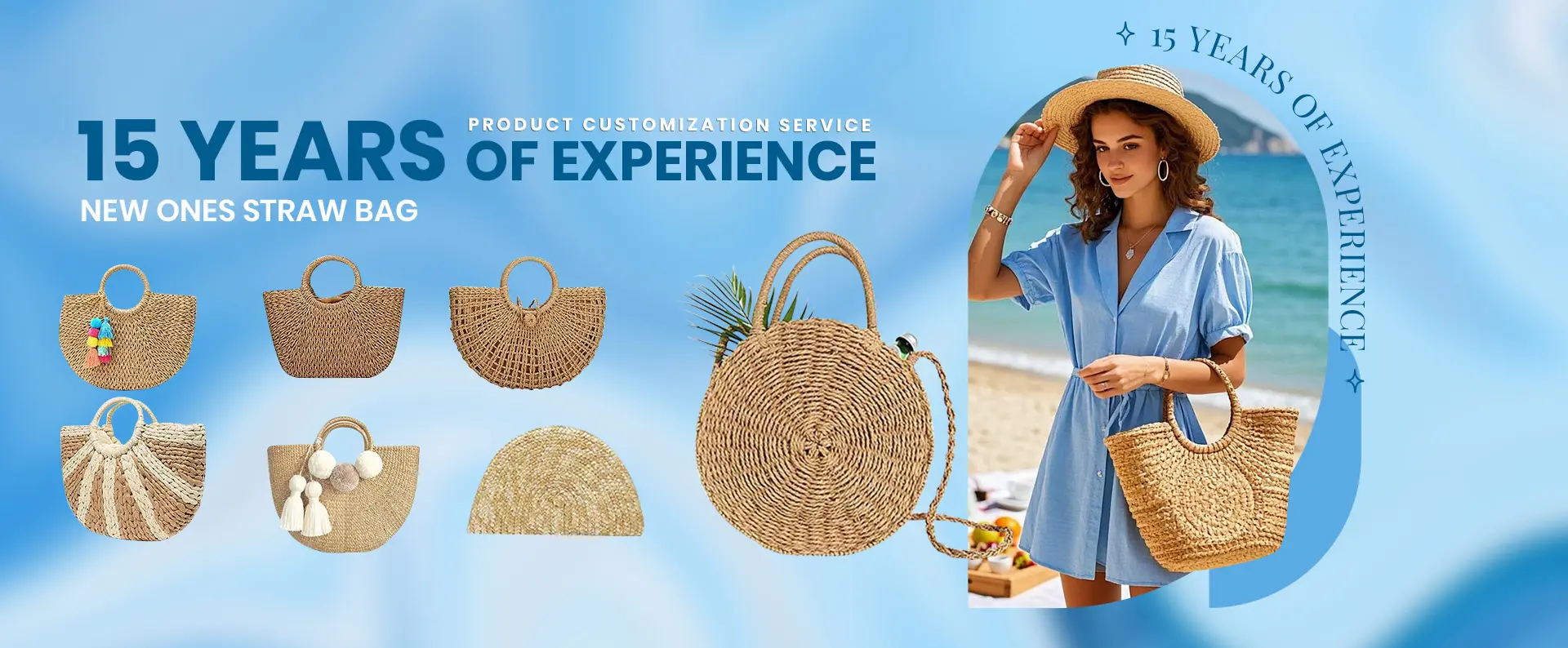
Buyer's Material Reference

Fiber Selection Matrix for Cowboy & Western Headwear

The table below is the same reference our product team uses when a buyer sends a brief without specifying a fiber. It maps material to price tier, shape behaviour and the buyer profile each fiber serves best.

FiberHand-Feel & ShapePrice TierBest-Fit BuyerCare Consideration
RaffiaSoft, flexible, high dye receptivity; recovers after packingPremiumResort lines, boutique private label, straw bags paired with hatsSpot clean; avoid prolonged soaking
Paper StrawLightweight, uniform colour, consistent weaveMid to volumeImporters, promotional buyers, multi-SKU seasonal programs"Keep dry" care label recommended
Natural Grass StrawCrisp and structured; excellent shape retentionPremiumWestern wear specialists, boater programs, lifeguard hatsStore dry; re-block brim after transit if needed
Fabric & KnitSoft, stretch-capable, non-seasonalVolumeVisor, winter hat and children's hat buyersMachine wash depends on blend
Localized Support & Compliance Assurance

Export Readiness Is a Localization Problem Before It Is a Logistics Problem

Every destination market applies its own labeling tolerance, fiber declaration convention and packaging expectation. A leading cowboy men's hat exporter has to translate those requirements into production instructions before a single hat is blocked.

Fiber Declaration & Care Labels

Straw, paper straw and raffia must be declared with correct fiber terminology in each market. Woven labels, care instructions and hang tags are produced to the buyer's destination requirements and reviewed at the sampling stage.

Branding Execution

Woven labels, patches, embroidery and hang tags are applied in-house. For private label programs, our designers can also develop new styles from a mood board or reference sample — the ODM path that lets a brand owner arrive with no technical drawings at all.

Packaging & Transit Protection

Export cartons are dimensioned around hat diameter, with internal separation that prevents brim deformation during FCL or LCL consolidation. Retail-ready polybag and hangtag formats are available where the buyer's channel requires them.

Destination Aligned QC

Final inspection checks shape, stitching, size grading and trims against the approved sample. Where a buyer's retail channel demands specific tolerances, those tolerances are written into the inspection sheet before production begins.

8-Hour Response Commitment

Across time zones, buyers get a response and an action within eight hours — covering product questions, sampling, order follow-up and after-sales service. One dedicated contact owns each account from brief to delivery.

Port-Proximity Logistics

Located in Linyi City, Shandong Province, close to Qingdao Port. Bulk orders ship as FCL or LCL sea freight; samples and urgent small orders move by air or express courier. Serving buyers in 60+ countries with 25+ global distributors.

Technology Roadmap & Future Outlook

From Hand-Blocking to Digital-Assisted Blocking

Cowboy hat manufacturing will never be fully automated — the shape is a matter of touch, tension and judgement. But the surrounding process is becoming measurable, and buyers will increasingly expect to see the measurements.

  1. Digital Block Library

    Standardizing cattleman, teardrop and pinched-front blocking templates so that reorder number four matches reorder number one.

  2. Automated Size Grading

    Direct-to-machine size/spec file transfer reducing grading error between development and bulk production.

  3. In-Line Shape QC

    Brim curvature and crown height measured against the approved sample at the finishing stage rather than after packing.

  4. Trial-Pack Compression Testing

    Validating carton configurations against real consolidation conditions before the shipment leaves the factory.

  5. Fiber Origin Documentation

    Supplier-level traceability for raffia and grass straw, packaged for buyers who must answer sustainability questions at retail.

  6. Sample-to-Catalog Digitization

    Approved samples photographed and archived at the factory so reorders can be verified against a visual record, not memory.

"The future of this category is not a new fiber. It is the same fiber, documented and reproduced with enough discipline that a buyer in Texas, Sydney or Munich can reorder it blind." — Lige Hats production management

OEM & ODM Workflow

Six Steps From First Brief to Container Loading

A transparent, six-step process that keeps buyers informed at every stage. Small orders start at 50–100 pieces per design, with sampling and bulk production handled by the same in-house team.

  1. Share Your Brief

    Style, material, size, color, branding and target quantity — references or a mood board are enough to start.

  2. Design & Sampling

    Our designers recommend fibers and blocking options and develop samples for approval.

  3. Approval

    Confirm samples, woven labels, patches, hang tags, packaging and the delivery schedule.

  4. Production

    Material sorting, weaving, blocking and finishing, all performed in-house.

  5. Quality Inspection

    Final inspection of shape, stitching, size grading and trims against the approved sample.

  6. Export Shipping

    FCL or LCL sea freight via nearby Qingdao Port; air or express courier for samples and urgent orders.

Buyer Q&A

Questions Cowboy Hat Buyers Ask Most

Straight answers on MOQ, customization, shipping, service and product range. If a question is not covered here, our team replies within eight hours.

What is the minimum order quantity for custom straw cowboy hats?
Our starting quantity for small orders is 50 to 100 pieces per design, depending on material and craftsmanship. This lets boutiques, emerging brands and importers test new styles before scaling up — a structure that fits the multi-SKU, short-season buying pattern now common in western headwear.
Can you produce private-label cowboy hats with our own logo?
Yes. OEM and ODM production is our core business. We customize shape, material, color, size and hat bands, and can add branding such as woven labels, patches and hang tags. Our designers can also develop new styles from your mood board or reference samples — no technical drawings required.
Where is your factory located and how are orders shipped?
We are located in Linyi City, Shandong Province, China, close to Qingdao Port. Bulk orders are typically shipped by sea freight as FCL or LCL shipments, while samples and urgent small orders can be sent by air or express courier.
Which markets do you export cowboy hats to?
Most of our products are exported to the United States, Canada, Australia, Mexico, Western Europe and Japan. We serve customers in more than 60 countries and work with over 25 global distributors.
How quickly does your team respond to buyer requests?
We respond and take action within 8 hours, covering product questions, sampling, order follow-up and after-sales service. One dedicated contact owns the account from the first brief to final delivery.
What products do you manufacture besides straw cowboy hats?
In addition to straw hats, we manufacture paper hats, straw bags, paper bags, children's straw hats, toy hats, lifeguard hats, sun visors, winter hats and other bags.

Let's Build Your Next Cowboy Hat Collection

Send your style references, target quantity and destination market. Our team replies within 8 hours with material suggestions, a sampling plan and a production timeline — with one dedicated contact from brief to container loading.