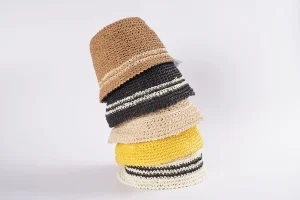
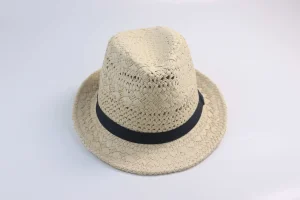
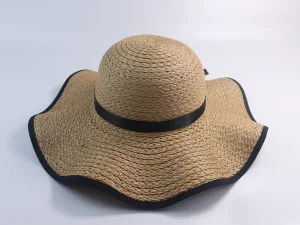
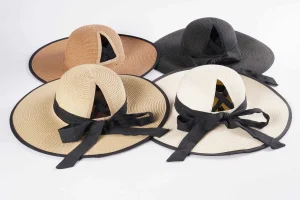
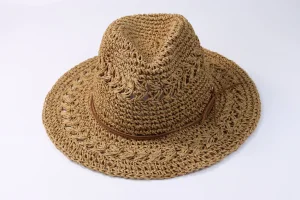
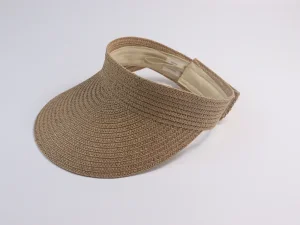
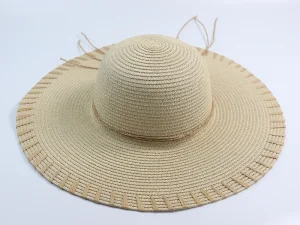
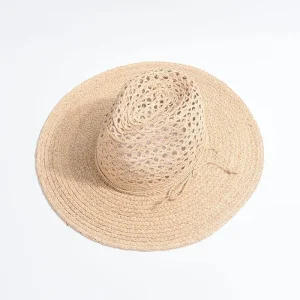
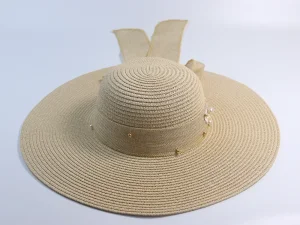
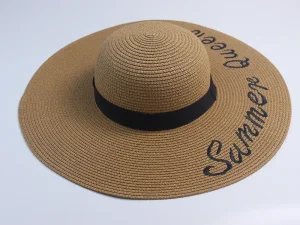
The global headwear category has structurally shifted over the last decade. Where hats were once seasonal impulse purchases, they are now merchandised as year-round accessories with technical claims — sun protection, temperature regulation, packability and, increasingly, circularity.
Within that shift, floppy wool hats have benefited from two converging trends. First, the “quiet luxury” aesthetic has elevated material-first products where visible quality — drape, surface finish, edge binding — replaces logo-driven value. Second, cold-weather and shoulder-season retail has expanded beyond traditional winter staples into full fashion collections.
On the industrial side, the fiber supply picture remains uneven. Wool prices respond to grazing cycles in producing regions, and merino-grade fiber availability fluctuates accordingly. Suppliers who maintain multi-origin fiber inventories and documented blend flexibility absorb these cycles better than those locked into a single grade.
Manufacturing concentration in Asia has also matured. The competitive frontier is no longer labor cost but process control, compliance documentation and the ability to serve small-batch private labels alongside volume importers without retooling the whole line.