
Crown Shape
Center-dent with pinched front is the classic fedora silhouette. Spring weights favor a softer, lower crown (roughly 9–11 cm) so the hat reads casual rather than formal.
The spring fedora occupies a rare commercial position: it carries the structured visual authority of a dress hat, the packability of a travel accessory, and a unit cost that still leaves room for healthy retail margins. For buyers sourcing at wholesale, that combination is why the spring fedora has become a perennial reorder item rather than a novelty style. This white-paper-style guide consolidates what our product, QC and export teams have learned across more than fifteen years of manufacturing straw hats, paper hats, straw bags and paper bags in Linyi City, Shandong Province — and it is written to give sourcing teams information gain: the contextual, experience-based detail that generic catalog pages omit.
A fedora is not a single product; it is a construction standard. Buyers who understand the four variables below can specify precisely, negotiate confidently and avoid costly sample loops.
Center-dent with pinched front is the classic fedora silhouette. Spring weights favor a softer, lower crown (roughly 9–11 cm) so the hat reads casual rather than formal.
Medium brims (5.5–7 cm) with a slight snap-down front deliver the most balanced face framing — the single most requested spec in our spring order book.
Cotton twill or grosgrain sweatbands (2–3 cm) improve fit retention, absorb moisture and protect the weave from head oils — a low-cost upgrade with measurable return-rate impact.
Grosgrain or PU bands, woven labels, metal pins, hang tags and custom liners are all applied in-house, keeping branding consistent across an entire program.
The same fedora silhouette behaves very differently across raffia, paper straw, natural grass straw and blended knit. This is the decision matrix our product team uses when advising buyers before sampling.
Braided natural stems produce crisp, structured silhouettes and an authentic artisanal look. Choose it when shelf shape retention matters most — boater, cowboy and lifeguard programs.
Cotton, polyester and knitted constructions extend assortments beyond summer into visors, winter hats and children’s lines — useful for consolidating a single-supplier year-round program.
Sourcing diversification is real, but for woven headwear the Chinese supply chain retains structural advantages that are difficult to replicate quickly. Our facility in Linyi, Shandong — within easy reach of Qingdao Port — illustrates how this works in practice.
Raw material sorting, weaving, blocking, finishing and final inspection happen under one roof. That removes middleman margin and shortens the feedback loop between QC findings and production corrections.
Shandong’s weaving and braiding clusters mean skilled labour, tooling and trim suppliers sit within a short radius — supporting rapid prototyping and reliable lead times across peak season.
Qingdao Port offers frequent sailings to US, Canadian, Australian and European gateways. FCL and LCL options let small buyers consolidate without absorbing full-container risk.
A production manager with 20 years of experience and a QC manager with 15 years translate into consistent weaves, accurate sizing and fewer chargeback events.
Starting at 50–100 pieces per design, emerging brands can validate a fedora program before committing to container-scale volume.
An 8-hour response and action commitment covers product questions, sampling, order follow-up and after-sales — measured, not merely promised.
Buyers planning next season need more than a style forecast. Below are the structural shifts our export team observes across orders from the United States, Canada, Australia, Mexico, Western Europe and Japan.
Consumers increasingly treat natural fiber as a proxy for quality. Raffia and natural grass straw lines are winning shelf space against synthetic alternatives, and brands are asking for fiber-origin documentation to support marketing claims. Our advice: build the sustainability narrative into the product spec sheet, not the marketing copy alone.
Post-pandemic travel spend has reshaped accessory assortments. Fedoras that fold, flatten and recover shape command higher conversion in travel-retail and e-commerce channels, where shipping compression is unavoidable. Structured-yet-resilient construction is now a design brief, not an afterthought.
Retailers are reducing initial buys and increasing reorder frequency. Suppliers who can hold consistent material lots and repeat a production run quickly become the default partner. This is the operational argument for low-MOQ factory relationships rather than container-only purchasing.
Unisex fedora programs reduce SKU count while widening addressable demand. Buyers are consolidating colorways and letting trim variation carry the assortment — a measurable inventory-efficiency gain.
Because the fedora is shape-dependent, buyers need consistent studio and 360° assets. Factories that provide standardized product imagery reduce the friction between sampling and listing, shortening time-to-market.
With silhouettes converging, brands compete on bands, pins, liners and packaging. In-house trim application allows a single hat body to serve multiple brand identities — high differentiation at low tooling cost.
A fedora optimized for a Hamptons resort line is not the same product as one built for a Queensland outdoor festival. Channel context dictates spec. These are the scenarios buyers most frequently brief us on.
Wide-brim raffia fedoras in neutral tones, sold alongside beachwear. High photo value; packaging matters as much as the hat.
Trim-led differentiation with custom bands and pins. Low MOQ lets boutiques test colorways without inventory risk.
Western-leaning fedora and cowboy hybrids with shapeable brims — built for repeat outdoor wear and photography.
Branded fedoras for golf tournaments, destination weddings and trade events. Heat-transfer labels and custom liners drive recognition.
Australia-focused ranges emphasize coverage and airflow. Higher crown ventilation and brim width outperform decorative detailing.
Beyond single orders, global buyers increasingly need partners who can operate as an extension of their sourcing function. Here are the program structures we run most often.
Pre-booked spring and summer ranges with locked material lots, staggered delivery windows and pre-agreed reorder triggers.
End-to-end branding: woven labels, patches, hang tags, care labels and retail-ready packaging executed in-house.
Hats, straw bags and paper bags shipped together to reduce freight cost and simplify customs documentation.
Final inspection of shape, stitching, sizing and trims, with documentation prepared to align with buyer compliance requirements.
Demand from the United States, Canada, Australia, Mexico, Western Europe and Japan converges on a small set of procurement priorities. Our order data from more than 60 countries and over 25 global distributors consistently surfaces the same themes.
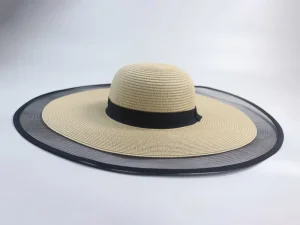
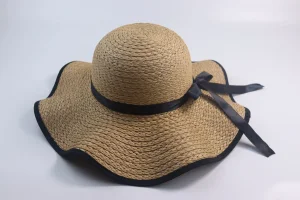
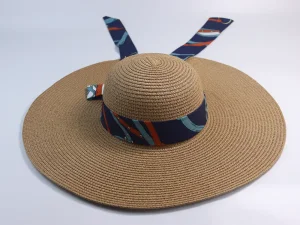
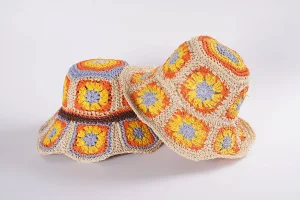
A curated cross-section of our wholesale straw hat and accessory range — proven across North American, Australian and European retail seasons.
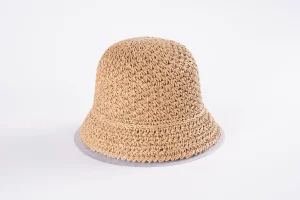
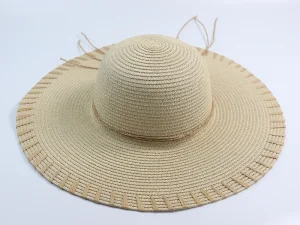
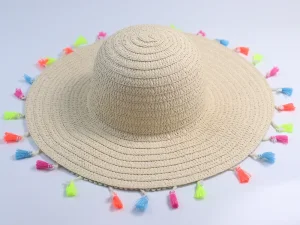
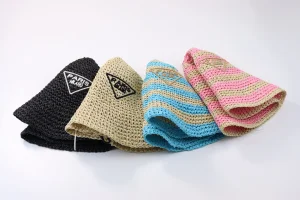
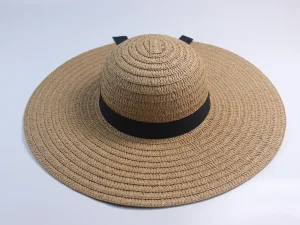
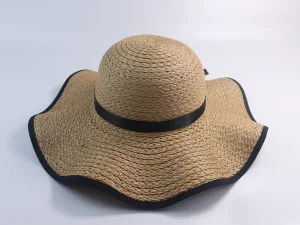
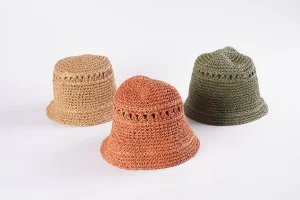
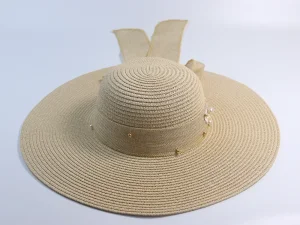
Shandong Lige Import & Export Co., Ltd. is based in Linyi City, Shandong Province, within easy reach of Qingdao Port. For more than fifteen years we have focused on straw hats, paper hats, straw bags and paper bags, combining traditional hand-weaving skills with modern blocking and finishing expertise. Our customers are importers, wholesalers, brand owners and retailers who rely on our professional designers, efficient sales team, competitive factory pricing and dependable quality. Our goal is simple: to become your one-stop hat supplier.
Led by a manager with 20 years of experience in woven headwear, overseeing material sorting, weaving and blocking throughput.
A QC manager with 15 years of experience runs final inspection on shape, stitching, sizing and trims before export packing.
Designers, sales coordinators and QC staff average five-plus years of tenure, keeping communication consistent across seasons.
Straight answers on MOQ, customization, shipping and service. Need more detail? Our team replies within 8 hours.
Our starting quantity for small orders is 50 to 100 pieces per design, depending on material and craftsmanship. This lets boutiques, emerging brands and importers test new styles before scaling up.
Yes. OEM and ODM production is our core business. We customize shape, material, color, size and hat bands, and can add branding such as woven labels, patches and hang tags. Our designers can also develop new styles from your mood board or reference samples.
We are located in Linyi City, Shandong Province, China, close to Qingdao Port. Bulk orders are typically shipped by sea as FCL or LCL, while samples and urgent small orders can go by air or express courier.
Most of our products go to the United States, Canada, Australia, Mexico, Western Europe and Japan. We serve customers in more than 60 countries and work with over 25 global distributors.
We respond and take action within 8 hours — covering product questions, sampling, order follow-up and after-sales service.
Alongside straw hats, we manufacture paper hats, straw bags, paper bags, children's straw hats, toy hats, lifeguard hats, sun visors, winter hats and other bags.
If you need premium hand-feel, dye vibrancy and packability claims, choose raffia. If you need uniform color and the best unit cost at volume, choose paper straw. Natural grass straw is the right call when crisp shelf shape retention matters most.
Yes. Because we manufacture hats, straw bags and paper bags in-house, buyers regularly consolidate mixed containers to reduce freight cost and simplify documentation.
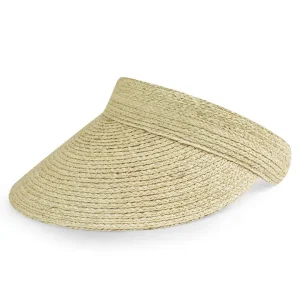
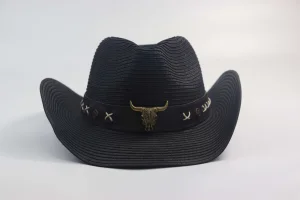
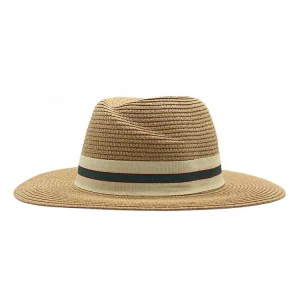
Send us your style references, target quantity and destination market. Our team replies within 8 hours with material suggestions, a sampling plan and a production timeline.