
Why Top Fashion Cowboy Hats Became a Core Wholesale Category
Straw cowboy hats have evolved from a rodeo and western-wear staple into a cross-season fashion accessory sold by boutique brands, resort chains, festival retailers and mass-market importers. That shift has changed what buyers demand from a supplier — and reshaped how factories must operate to win programs.
Style Migration
Grazing-brim "cowgirl" silhouettes, fedora-cowboy hybrids and unisex cattleman crowns have moved into beachwear, music-festival and streetwear assortments, expanding the buyer pool far beyond traditional western retailers.
Global Procurement
Importers now source a single shape family across multiple markets — a US rodeo retailer, an Australian coastal boutique and a Japanese resort line can share one development cycle with localized trims and colorways.
Factory 4.0
Supply-chain resilience is now a purchasing criterion. Digital sample libraries, traceable raffia sourcing and consolidated finishing lines let factories quote faster and ship more predictably than trading desks.
Best-Selling Straw Hat & Sun Hat Programs Buyers Reorder
Every silhouette below is available for OEM and ODM production in raffia, paper straw or natural grass straw, with custom bands, trims, labels and colorways.
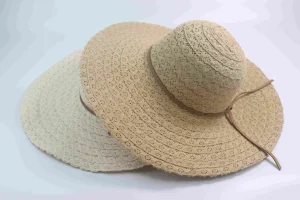
High-Quality Stylish Women's Straw Hats from China Suppliers – Factory Direct for Sun Protection & Fashion
View Product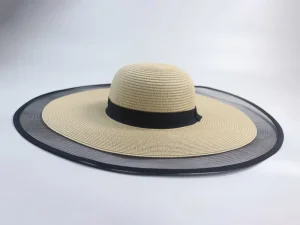
High-Quality Large Brim Temperament Organza Floppy Hats for Women
View Product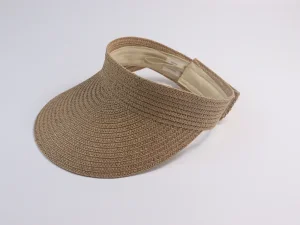
China Factory Suppliers Wholesale Popular Unisex Summer Straw Visor Hat for Women and Men with Sun Protection
View Product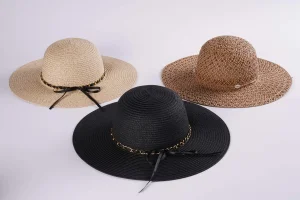
High-Quality Stylish Floppy Sun Hat for Ultimate Sun Protection
View Product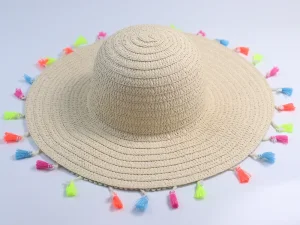
Wholesale Kids' Summer Hat & Bag Set – Cute Beach Handbag and Hat, Customizable Designs Available
View Product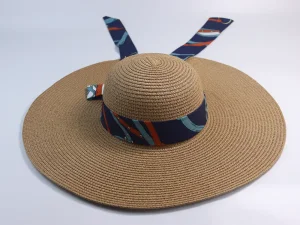
High-Quality Wholesale Women’s Summer Hats – Big Brim Sunshine Hats, Custom Bow Decorations Available
View Product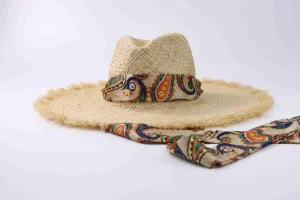
China Stylish Raffia Beach Hat for Sun Protection and Fashion
View Product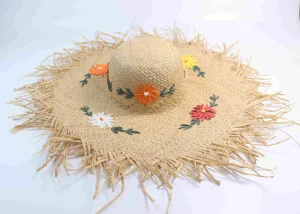
Wholesale Wide Brim Sun Hat for Women – UV Protection & Stylish Design
View ProductTrend Forecast: Where Top Fashion Cowboy Hats Are Heading
Buyers need information gain, not marketing copy. These are the design, material and demand shifts our product team is tracking across the 2025–2027 wholesale cycles.
Festival-Driven Western Revival
Country-music festivals, line-dancing communities and social-media styling have turned the straw cowboy hat into a repeat-purchase accessory rather than a once-a-decade souvenir. Retailers report faster color turnover — cream, sand, blush and terracotta moving season to season — which favors suppliers with short-run sampling capability and flexible banding.
Bridging Cowboy and Resort Wear
Hybrid silhouettes — a cattleman crown on a flatter, softer brim, or a cowboy hat woven in fine raffia with a ribbon band — allow beachwear chains to test western styling without alienating their core customer. Buyers increasingly request a single supplier that can produce both categories to simplify compliance and shipping.
Sustainability as Table Stakes
Natural raffia, paper straw and grass fibers already score well on renewability, but brand buyers now ask for material traceability, recyclable packaging and documented care instructions. Factories that can explain fiber origin in a one-page spec sheet win programs that competitors lose on documentation alone.
Shape Retention & Packability
E-commerce returns on hats are driven mainly by crushed crowns and sizing errors. The market is responding with stiffer stiffening agents, pre-shaped memory brims and collapsible constructions, plus size-grading documentation so marketplace sellers can publish accurate fit tables.
What Global Buyers Actually Ask For in 2026
Purchase briefs have become more specific. Below is a synthesis of recurring requirements across importers, distributors and DTC brands in North America, Europe, Australia and Asia.
| Buyer Requirement | Why It Appears in Briefs | How a Factory Should Respond |
|---|---|---|
| Low MOQ per design | Brands test 6–12 SKUs per season and scale only winners. | Offer 50–100 pcs starting quantities without shifting to trading-desk pricing. |
| Fast sample turnaround | Buying calendars compress; buyers need physical samples for buyer meetings. | Maintain an in-house sample room and a library of proven blocks. |
| Private label & branding | Woven labels, patches, hang tags and custom banding define brand identity. | Integrate trim sourcing into the production plan, not as an afterthought. |
| Consistent sizing | Marketplace returns and reviews punish inconsistent fit. | Publish size-grading charts and inspect every size in final QC. |
| Predictable shipping | Inventory financing costs make late containers expensive. | Use a nearby port gateway and confirm FCL/LCL plans before production ends. |
| Documented materials | Retail compliance teams require fiber and care information. | Supply a spec sheet per SKU covering fiber, weave, size and care. |
China Factory 4.0: Supply-Chain Resilience & Efficiency
The modern advantage is not cheap labor — it is predictable output. Here is how a mature straw-hat factory structures resilience across six operational pillars.
Vertical Raw-Material Control
Sorting raffia, paper yarn and grass braid in-house removes a layer of dependence on external merchants and stabilizes both price and lead time during peak season.
Digital Sampling Libraries
Reusable blocks, brim patterns and crown molds cut development time dramatically, letting buyers see physical samples faster and reducing iteration cycles before bulk orders.
Consolidated Finishing Lines
Weaving, blocking, banding and inspection under one roof avoids the hand-off delays and quality drift typical of multi-vendor production models.
Port Proximity Logistics
Being minutes from a major container gateway such as Qingdao reduces inland transit risk, shortens document lead times and improves schedule reliability for FCL and LCL programs alike.
Structured Quality Inspection
A dedicated QC function with years of category experience catches shape, stitching, sizing and trim defects before packing — the single biggest driver of repeat orders.
Experienced People
Specialist managers with two decades of production and quality experience translate directly into accurate quotes, realistic timelines and fewer surprises at shipment.
Choosing the Right Fiber for a Wholesale Cowboy Hat Program
Fiber choice drives hand-feel, shape retention, unit cost and how a hat survives shipping. This is how our product team advises buyers before sampling begins.
Raffia
Natural palm-leaf fiber with inherent resins that keep it soft, flexible and highly dye-receptive, so bold colorways and packable brims hold their shape.
Best for
Floppy cowboy hybrids, resort lines, straw bags. Ideal for "packable" claims and saturated colors.
Paper Straw
Twisted paper yarn braided into a lightweight, uniform fabric with clean, consistent colors at a competitive landed cost.
Best for
Volume programs, seasonal retail, promotional runs. Add "keep dry" care labels — paper softens when soaked.
Natural Grass Straw
Braided natural stems with inherent stiffness, producing crisp, structured silhouettes with an authentic artisanal look.
Best for
Classic cowboy crowns, boater hats, lifeguard hats. Choose it when shelf shape retention matters most.
Fabric & Knit
Cotton, polyester and knitted constructions extend assortments beyond summer and into children's and cold-weather categories.
Best for
Visors, winter styles, kids' hats. Pair with straw lines for a year-round single-supplier program.
Localization: One Supplier, Many Retail Contexts
The same top fashion cowboy hat can serve radically different use cases. Buyers should confirm a factory can adapt trims, sizing and packaging to each market without changing the core shape.
US Rodeo & Western Retail
Rugged cattleman crowns with stiffer brims, leather-look banding and reinforced sweatbands for genuine outdoor wear and specialty western chains.
Australian Coastal & Beach
Breathable weaves, wide grazing brims for UV protection and lighter colors that suit resort and surf retail environments.
European Boutique
Finer raffia weaves, tonal grosgrain bands and refined finish work for premium positioning with smaller MOQs per colorway.
Festival & Streetwear DTC
Bold banding, embroidery patches and unisex sizing to support drop-style launches with rapid replenishment of bestsellers.
Asia Resort & Travel Retail
Compact, packable constructions with neat finish work and travel-friendly packaging suited to airline and hotel retail channels.
Kids & Family Sets
Coordinated hats and bags, softer elasticized fits and playful trims supporting family and vacation-set merchandising.
A Transparent Six-Step Production Process
A reliable supplier makes each stage visible. This workflow keeps buyers informed from the first brief to container loading.
Share Your Brief
Style, fiber, size, color, branding and target quantity.
Design & Sampling
Our team recommends fibers and develops samples.
Approval
Confirm samples, labels, packaging and schedule.
Production
Sorting, weaving, blocking and finishing in-house.
Quality Inspection
Check shape, stitching, sizing and trims.
Export Shipping
FCL or LCL sea freight via a nearby port.
Questions Wholesale Buyers Ask Most Often
Direct answers on MOQ, customization, shipping and service. For programs with unusual requirements, our team replies within 8 hours.
What is the minimum order quantity for custom straw cowboy hats?
Can Lige produce private-label hats with our own logo?
Where is your factory located and how are orders shipped?
Which markets do you export hats to?
How quickly does your team respond to buyer requests?
What do you manufacture besides straw hats?
Additional Sun Hat & Cowboy Hat References
Explore further styles our factory produces under OEM and ODM programs.
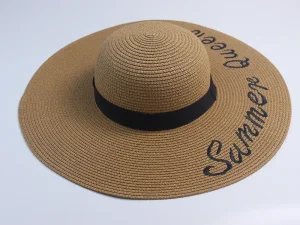
High-Quality Custom Embroidery Women’s Summer Wide Brim Straw Hats – UV Protect Beach Hats
View Product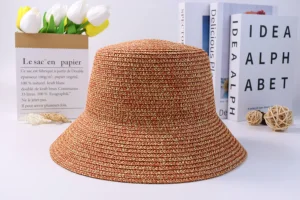
High-Quality Stylish Wide Brim Sun Hats for Women – UV Protection
View Product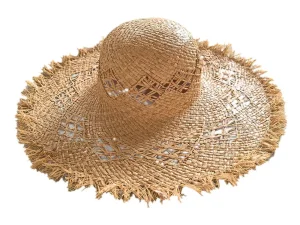
Wholesale 100% Natural Raffia Straw Wide Brim Cloche Hat – Custom OEM
View Product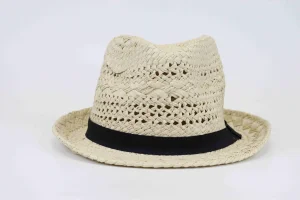
High-Quality Stylish Men's Straw Sun Hat – UV Protection & Breathable
View Product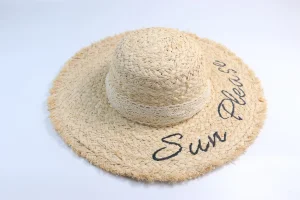
High-Quality Stylish Wide Brim Hats for Women – Sun Protection & Fashion
View ProductWholesale Unisex Straw Visor Hat for Summer Sun Protection – Lightweight & Breathable
View Product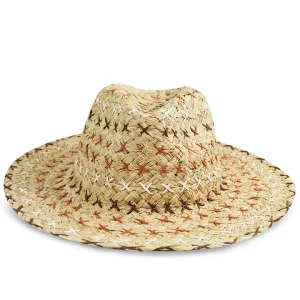
China Straw Cowboy Hat for Women, Classic Western Cowgirl Hat, Lightweight Outdoor Sun Hat
View ProductHigh-Quality 100% Natural Raffia Straw Hand Woven Wide Brim Cloche Hat – China Suppliers & Factory OEM Available
View ProductBuild Your Next Cowboy Hat Collection With a Factory Partner
Send your style references, target quantity and destination market. Our team replies within 8 hours with fiber recommendations, a sampling plan and a production timeline — backed by 15+ years of straw-hat manufacturing expertise, 60+ export markets served and a nearby port gateway for predictable shipping.
Contact Our Team