
Market Overview
Why Luxembourg Is a Serious Buyer Market for Floppy Hats
Luxembourg is not the largest European retail market by population, but it is one of the most disproportionately influential markets for premium accessories. With roughly 660 000 residents, a highly internationalized workforce, above-average disposable income, and one of the highest cross-border shopping profiles in the EU, the Grand Duchy has become a testing ground for travel and resort accessories that later expand into Belgium, France and Germany.
Floppy hats sit at the intersection of three durable demand drivers in this market: sun protection during the Proximus Luxembourg summer tourism season, outdoor lifestyle around the Müllerthal trail, Moselle wine routes and the Ardennes, and premium travel retail linked to Luxembourg Findel Airport. Chinese floppy hat manufacturers have become the industrial backbone of this category, offering the flexibility that larger European factories cannot match at Luxembourg-relevant order volumes.
"A Luxembourg importer rarely asks for a container of a single style. They ask for thirty curated styles, each at 80–300 pieces, delivered in a packable, EU-compliant format. That is precisely the order geometry Chinese floppy hat factories optimize for."
— Supply-chain analysis, Lige Hats export desk
-
High Purchasing Power
GPD per capita and household income sit among the EU's top tier, supporting a premium price ladder for straw and organza floppy hats.
-
Cross-Border Retail Hub
Consumers and buyers operate in French, German and English, driving tri-market packaging, labeling and marketing requirements.
-
Logistics Gateway
Findel Airport cargo and short trucking distance to Antwerp, Rotterdam and Le Havre give Luxembourg importers fast, flexible access to Chinese production.
-
EU Compliance Discipline
REACH, GPSR and textile labeling rules are strictly enforced, so supplier documentation quality matters as much as unit price.
Featured Floppy Hats
Best-Selling Floppy Hat Styles for Luxembourg Buyers
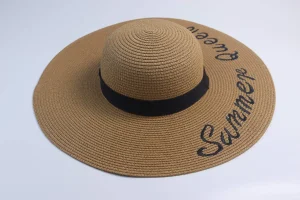
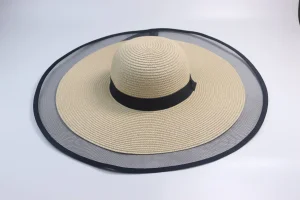
Four core silhouettes proven across Luxembourg resort, travel and premium fashion retail channels. Every style can be produced in raffia, paper straw, natural grass or organza, with EU-compliant labeling.
Wholesale Wide Brim Straw Hat – Stylish Sun Protection for Summer Days Manufacturers, Manufacturer
View Product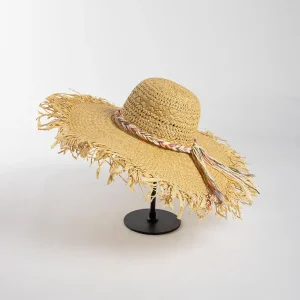
China Old Money Style Floppy Hat Women, Soft Woven Straw Sun Hat, Lightweight Summer Travel Hat Manufacturer, Supplier
View Product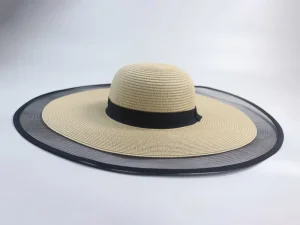
High-Quality Large Brim Temperament Organza Floppy Hats for Women Suppliers, Factory
View Product
Global Industry Snapshot
The Global Floppy Hat Supply Chain in 2024–2026
Understanding the macro picture helps Luxembourg buyers benchmark supplier quotes and derisk seasonal launches.
The global straw hat category — including floppy, bucket, wide-brim and Panama-style silhouettes — has grown steadily after the 2020–2022 disruption. Industry reports place the sun hat and headwear category on a mid-single-digit compound annual growth rate, with European specialty retail and travel-retail channels outperforming mass-market chains.
Three structural shifts are shaping supply:
1. Consolidation of woven-straw production in Shandong and Zhejiang. Chinese manufacturing clusters now control the majority of global raffia and paper-straw hat output, supported by mature dyeing, blocking and packaging infrastructure.
2. Shift to smaller, more frequent orders. EU buyers — including Luxembourg importers — increasingly order in-season replenishments rather than pre-season containers, which favors suppliers with flexible MOQs.
3. Sustainability and traceability expectations. EU Green Deal procurement rules, GPSR and REACH Annex XVII push suppliers toward documented fiber origins, natural dyes and recyclable packaging.
The net effect is that Luxembourg buyers increasingly look for a manufacturer-partner, not a trading agent — a factory capable of handling small, customized, compliance-heavy orders with reliable lead times.
60+Countries served by leading Chinese floppy hat factories
50–100Realistic sample MOQ for boutique EU launches
8hIndustry benchmark response time for serious exporters
15+Years of production experience typical of tier-one suppliers
Chinese Factory Efficiency
Why Chinese Floppy Hat Factories Outperform on Total Cost, Not Just Unit Price
Luxembourg buyers comparing China with Italy, Spain or Portugal quickly discover a structural efficiency gap that goes well beyond labor cost.
Vertically Integrated Production
Leading Chinese floppy hat factories sort raw straw, dye fiber, weave, block, trim, label and pack under one roof. That compression eliminates middlemen, reduces defects at handoff, and shortens sampling cycles from weeks to days.
Industrial Clustering
Shandong and Zhejiang clusters give access to thousands of woven-straw artisans, ribbon and trim suppliers, carton manufacturers and small-item logistics partners. This means fast pivots when a Luxembourg retailer requests a mid-season color update.
QC Discipline
Tier-one factories now run structured final inspections covering shape retention, stitching tension, ribbon alignment, sizing conformance and packaging strength — the exact parameters EU quality raters and retailers scrutinize.
Low MOQ + High Variety
Fifty to one hundred pieces per design is now realistic for private label floppy hats. For Luxembourg buyers testing a style in two or three colorways, this matches market demand precisely.
Port and Air Cargo Access
Qingdao and Ningbo sea ports handle FCL/LCL container shipments to Antwerp, Rotterdam, Le Havre and Genoa, while Shenzhen and Shanghai air cargo reaches Luxembourg Findel via EU hubs within days.
Design & ODM Capability
In-house design teams translate mood boards, Pantone references and lifestyle photos into physical samples fast, allowing Luxembourg boutiques to launch capsule collections without in-country pattern-making costs.
Localized Applications
Where Floppy Hats Actually Sell in Luxembourg
Local commercial reality matters for buyers. These are the five channels where we see consistent reorder patterns for floppy hats into Luxembourg retail.
1. Moselle wine tourism. River cruise passengers and weekend visitors around Remich, Wormeldange and Grevenmacher create a strong seasonal market for wide-brim floppy hats in natural straw and raffia. Boutique wine estates increasingly resell branded hats as a premium add-on.
2. Müllerthal and Ardennes outdoor retail. Hiking-focused stores have leaned into packable, lightweight floppy hats that fold and recover. Soft woven straw and paper straw perform best in this channel.
3. Luxembourg City fashion boutiques. The "old money style" floppy hat and organza silhouettes perform strongly in Rue Philippe II and Grand Rue boutique lines, where 60–150 piece runs of three to five colors are typical.
4. Hotel and resort amenity programs. Luxembourg's high-end hotels, spa destinations and golf clubs increasingly source small batches of branded floppy hats for guest amenities and gift shops.
5. Travel retail at Findel. Airport shops require packaging-ready hats with branded hang tags, multilingual labels and EU-compliant fiber content, favoring suppliers who already handle ODM packaging.
Moselle Wine Route
Müllerthal Trail Retail
Luxembourg City Boutiques
Hotel & Spa Amenity Programs
Findel Travel Retail
Golf & Country Clubs
Seasonal Pop-Ups
Material Engineering
Choosing the Right Fiber for the Luxembourg Climate and Channel
Temperature honesty matters. Luxembourg summers are warm but rarely extreme, which changes the optimal fiber choice compared with southern Europe.
| Fiber | Best Use in Luxembourg | Shape Retention | Price Tier |
|---|---|---|---|
| Raffia | Premium floppy hats, Moselle wine estates, boutique private label | Excellent, recovers after packing | Premium |
| Paper Straw | Volume programs, signage and seasonal pop-ups | Moderate, needs care label | Mid-market |
| Natural Grass Straw | Structured floppy hats, food & beverage hospitality | Very high, crisp silhouette | Premium |
| Organza / Fabric | Fashion-led boutique floppy hats, wedding and event hats | Moderate, soft drape | High fashion |
| Knit / Cotton | Spring and shoulder seasons, golf program add-ons | High, low compression | Accessible |
Buyer guidance: for Luxembourg retail, wide-brim rafia and organza floppy hats drive the highest margin, while paper straw works best as a promotional or secondary-collection line due to lighter rain resistance in spring shoulder seasons.
Industry Trends to Watch
Five Trends Shaping Floppy Hat Manufacturing Through 2026
Packable Design Dominance
"Fits in a weekender bag" is now a top purchase driver for Luxembourg travellers. Suppliers are engineering raffia blends and reinforced brims to allow flat packing without permanent creasing.
EU Sustainability Documentation
Luxembourg importers increasingly request documented fiber origin, dye compliance statements and recyclable polybag alternatives to meet CSR procurement checklists.
Multilingual Labeling Automation
FR / DE / EN trilingual care and fiber labels are increasingly supplied pre-sewn by Chinese factories, eliminating local relabeling cost for Luxembourg retailers selling across borders.
In-Season Replenishment
Compressed order windows require suppliers who can restart production on a previously sampled style in 15–20 days — a growing competitive filter for European buyers.
Boutique Direct Sourcing
Small Luxembourg fashion retailers increasingly bypass wholesale agents and buy factory-direct at 50–150 units, requiring suppliers to support smaller buyers with English and French service.
Content as a Buying Signal
Luxembourg B2B buyers research manufacturers heavily before contacting. Deep technical content, transparent MOQ, EU compliance and real factory photography now determine who gets the first inquiry.
Global Buyer Demand
What Serious Importers Ask Before Placing a Floppy Hat Order
Across the last three seasons, the pattern of buyer questions from Luxembourg and neighbouring markets has shifted from "what is your best price?" to a structured procurement checklist. The most consistent requirements:
Documented MOQ per style and per color
Buyers compare across at least three suppliers before committing; vague MOQ language disqualifies bidders.
REACH and GPSR statements
Written confirmation of fiber composition, azo-dye controls and labeling conformity is now expected in tender packs.
Sampling turnaround and cost refund policy
Sampling is treated as a project gate; buyers expect samples within 7–12 days and refundable on order.
Packaging and hang-tag design
Barcodes, size stickers and branded hang tags packed in-supplier reduce relabeling cost at the Luxembourg warehouse.
Export documentation reliability
Commercial invoice, packing list, HS code and CO or Form A need to be accurate the first time, since Luxembourg customs is efficient but documentation-strict.
Benchmark insight: in Luxembourg, a 200-piece floppy hat program typically spans three colorways and two silhouette families — a matrix that only flexible factories can serve without penalty minimums.
3Typical colorways per style program
7–12Days expected sampling turnaround
15–25Days peak-season replenishment window
2–4Silhouettes per Luxembourg launch
E-E-A-T & Supplier Assessment
How to Evaluate a Chinese Floppy Hat Manufacturer — A Luxembourg Buyer's Checklist
Search-quality raters and procurement teams both reward suppliers with transparent, verifiable expertise. This checklist reflects what serious Luxembourg buyers examine before signing a PO.
Experience (E)
Ask for the number of seasons the factory has supplied EU buyers, specific product photos from real production runs, and references. A floppy hat factory with 15+ years in woven straw has already solved the shape-retention and dye-uniformity problems that new entrants struggle with.
Expertise (E)
Ask about fiber terminology, blocking temperature, shrinkage rates and packing testing. A factory fluent in technical detail will specify raffia vs. paper-straw behavior in transit — critical for a market like Luxembourg where sea and air freight mix.
Authoritativeness (A)
Independent indicators — business registration, export history, participation in trade shows, professional photography, published MOQ and compliance documentation — distinguish a factory from a reseller. False claims are quickly exposed by EU compliance requirements.
Trustworthiness (T)
Clear contacts, named team, WhatsApp and email with response SLAs, refundable sampling, and written QC standards. Buyers should look for at least one verifiable assurance process — not simply a promise of "good quality".
Buyer FAQ
Frequently Asked Questions — Floppy Hats from China for Luxembourg Buyers
What is the minimum order quantity for custom floppy hats shipped to Luxembourg?
Realistic MOQ for private-label floppy hats is 50 to 100 pieces per design and per colorway, depending on the fiber and trim. This fits the typical Luxembourg boutique pattern of three colorways per launch. Larger volumes reduce unit price but are not required to start.
Can Chinese factories supply EU-compliant labeling for the Luxembourg market?
Yes. Tier-one factories now supply pre-sewn fiber-content and care labels in FR, DE and EN, ready for Luxembourg, Belgium, France and Germany retail. REACH compliance statements for dyes and fiber composition are also standard deliverables in tender packs.
How are floppy hats shipped to Luxembourg — sea, air or courier?
Bulk orders generally ship FCL or LCL via Qingdao, Ningbo or Shanghai, arriving at Antwerp, Rotterdam, Le Havre or Genoa, then trucked into Luxembourg. Samples and mid-season replenishment typically move by air via European hubs to Findel Airport. Small trials may use courier.
What sampling lead time should I expect?
For standard shapes already in production, samples typically ship within 7 to 10 days. Fully new silhouettes requiring new blocking or weaving may take 12 to 18 days. Serious suppliers clearly post these timelines on their product pages.
Does a floppy hat factory handle packaging, barcodes and hang tags?
Yes. ODM suppliers commonly provide branded hang tags, barcode sticker application, size stickers, and branded polybag options. Providing artwork early in the process avoids repacking cost in Luxembourg warehouses.
Can you develop a floppy hat from my mood board or existing sample?
Yes. In-house design and pattern teams translate reference photos, Pantone codes and mood boards into physical samples, adjusting brim width, crown height, band material and finish. This is a core ODM capability of top-tier Chinese floppy hat manufacturers.
Which floppy hat styles sell best in Luxembourg retail?
Natural raffia wide-brim floppy hats, "old money style" soft-woven silhouettes and organza floppy hats perform best in Luxembourg boutique channels. For wine-tourism and outdoor retail, packable floppy hats in soft straw are the strongest reorder pattern.
What response time should I expect when requesting a quote?
Serious exporters target an 8-hour response window for product inquiries, sampling requests and quotations. Fast, technically detailed replies are one of the clearest trust signals a Luxembourg buyer can use during supplier shortlisting.
Extended Floppy Hat Range
Full Floppy Hat & Sun Hat Collection for Luxembourg Procurement
Eight additional silhouettes suitable for Luxembourg boutique, resort, event and hospitality channels — all available for private label with EU-compliant labeling.
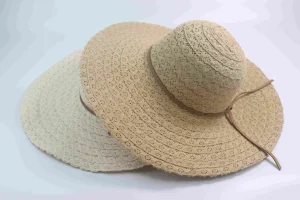
China Stylish Women's Straw Hats for Sun Protection & Fashion Manufacturers, Suppliers
View ProductHigh-Quality Stylish Sun Protection Beach Hat for Women and Men Factories, Factory
View Product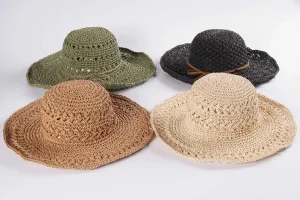
China Stylish Sun Protection Hats for Women – UV Protection & Comfort Factories, Factory
View Product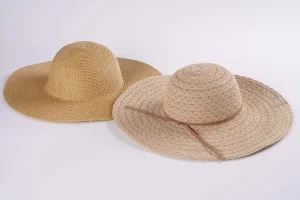
China Wide Brim Sun Hat for Ultimate UV Protection & Style Manufacturer, Supplier
View Product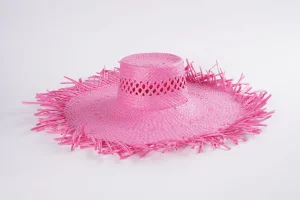
China Stylish Straw Cowboy Hat for Sun Protection and Fashion Manufacturers, Manufacturer
View Product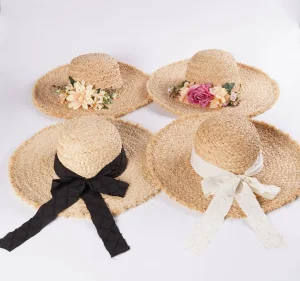
China Stylish Western Hats for Ultimate Cowgirl and Cowboy Look Manufacturers, Supplier
View Product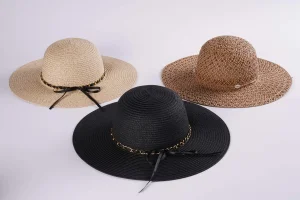
High-Quality Stylish Floppy Sun Hat for Ultimate Sun Protection Manufacturer, Factories
View Product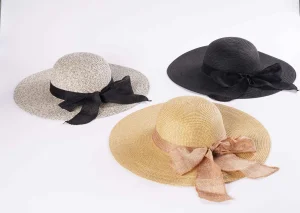
China Stylish Wide Brim Hat for Sun Protection and Fashion Suppliers, Factory
View ProductReady to Build Your Luxembourg Floppy Hat Program?
Share your style references, target quantity and colorway matrix. Our team replies within 8 hours with material suggestions, sampling plan, EU compliance notes and a production timeline tailored to your market.