
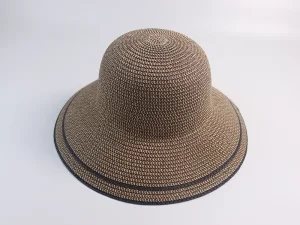
15+Years of OEM/ODM Hat Manufacturing
50–100Pieces MOQ per Toy Hat Design
8 hrsBuyer Response & Action SLA
60+Countries Served, incl. Latin America
Featured for Panama Buyers
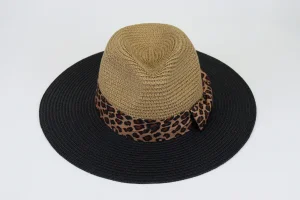
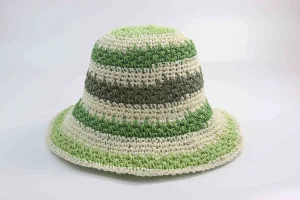
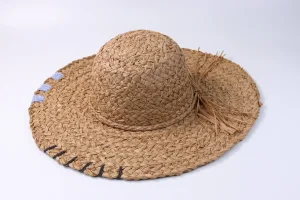
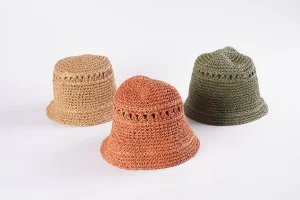
Top 4 Toy & Novelty Hat Lines Ready for Sampling
Curated silhouettes with proven sell-through in Caribbean and Central American retail — from sunny carnival headwear to beach vacation bestsellers. Each can be fully customized with your logo, colorway and packaging.
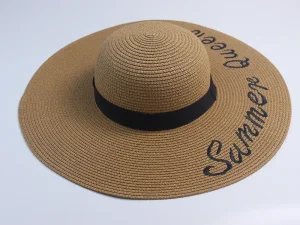
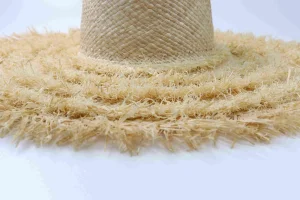
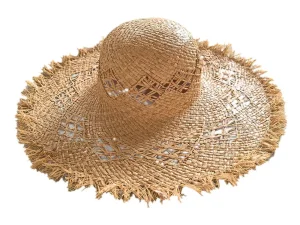
Information Gain · Buyer Intelligence
Why Panamanian Buyers Source Toy Hats Directly From China
Generic manufacturer landing pages stop at fabric and MOQ. Real sourcing decisions in Panama rest on a different set of variables: carnival seasonality, dollarized import math, container economics through Balboa and Colón, and the reliability of a factory that understands tropical humidity, sun exposure and multilingual retail packaging.
This guide is written for importers, wholesale distributors, resort gift shop buyers and event merchandisers who need to answer three questions before placing a toy hat order: is the supply chain compliant, does the factory support small-lot customization, and can it scale with our peak season demand.
-
Direct factory pricing, no trading layer
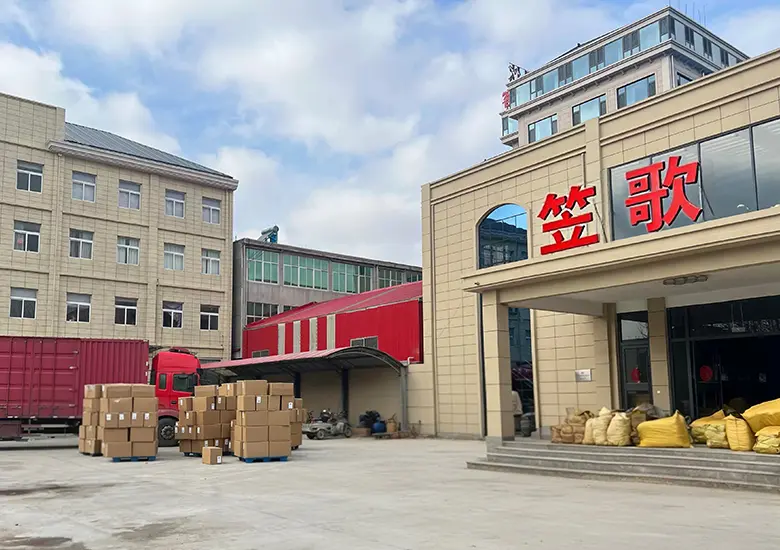
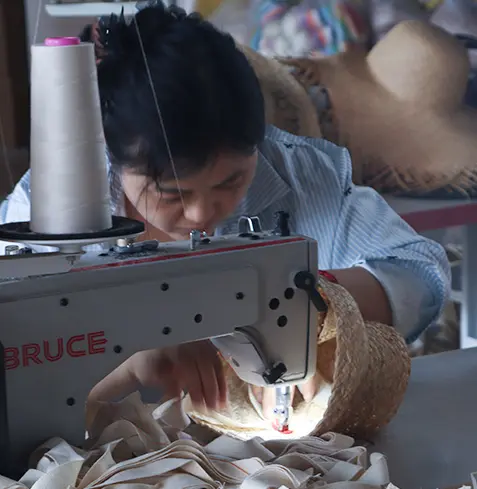
Linyi-based Lige Hats owns the weaving, blocking, finishing and inspection line — the margin a trading company adds is your budget for branding and packaging.
-
Compliance-ready paperwork
Commercial invoice, packing list, HS code, and toy-safety documentation tailored for Panama customs and major retail chains.
-
8-hour reply SLA and small-lot MOQ
Test new novelty designs from 50–100 pieces per style before committing to season-long programs.
FOB / CIF / DDP available
Qingdao Port gateway
Panama-ready labeling
Panama Market Overview
The Panamanian Toy Hat Opportunity, Decoded
Panama is not a single market — it is a confluence of Carnival demand, tourism, cruise retail, canal-adjacent logistics and a fast-growing children's apparel sector. Understanding these layers is essential for the toy hat supplier that wants to serve it well.
Carnival & Festival Seasonality
Panama's Carnival, held across the four days before Ash Wednesday, drives concentrated demand for novelty headwear, masks and costume accessories. The buying window closes in Q4 of the prior year — a production slot that specialty manufacturers must protect from November to January.
Cruise & Resort Retail
Colón's cruise terminals and Bocas del Toro's island gift shops sell thousands of sun hats, bucket hats and fun kids' hats every season. Buyers here value low MOQ, fast replenishment and gift-ready packaging over pure unit cost.
Logistics Hub Economics
Panama's dollarized economy, the Free Trade Zone at Colón and the Panama Canal make it a natural redistribution hub for regional buyers. Toy hats shipped FCL via Qingdao clear Balboa or Manzanillo with predictable timelines.
Children's & Family Categories
Schools, resorts and family tourism generate steady demand for kid-sized straw hats, character-themed toy hats and sun-protection caps. Bilingual English/Spanish packaging is a differentiating requirement here.
Promotional & Event Merch
Brands, sports teams and tourist boards order small runs of branded toy hats for giveaways. Low MOQ combined with woven labels and hang tags makes this an accessible category for local promotional agencies.
Compliance & Safety
Toy hats for children must respect azo-dye restrictions, small-parts safety for under-three age groups, and labeling obligations. Chinese factories experienced in EU and US toy standards are inherently well-positioned for Panama.
Global Procurement Demand
Where Toy Hat Demand Is Going Next
Buyers in Latin America are increasingly moving away from one-shot, price-only sourcing toward longer-term programs where sustainability, personalization and supply resilience carry weight.
Across North America, Europe and Latin America, the toy hat category has matured into a design-led, seasonally segmented market. Three structural shifts define current demand:
1. Sustainability as a baseline requirement. Natural raffia, paper straw and undyed cotton blends now dominate buyer briefs, even at promotional price points. Panamanian importers re-selling to eco-conscious resorts find reusable, natural-material novelty hats easier to merchandise than PVC or synthetic styles.
2. Smaller runs, faster turnarounds. Rather than placing a single large container order eight months in advance, buyers prefer 3–4 batches per year, each 500–2,000 pieces, allowing them to test trends before scaling. This makes 50–100-piece MOQs and 8-hour responsiveness a decisive competitive advantage.
3. Personalization. Embroidered initials, custom colorways, bilingual care labels and retail-ready hang tags are increasingly expected even in the toy and novelty segment. A supplier that designs the packaging in-house shortens the buyer's production cycle by weeks.
| Buyer Type | Typical Order Size | Priority Factors | Recommended Strategy |
|---|---|---|---|
| Carnival / Event Distributors | 3,000–15,000 pcs per style | Delivery date certainty, seasonal styling, unit price | Pre-book production slots in Q4; lock in colors early |
| Resort & Cruise Gift Shops | 200–800 pcs per style | Presentation, gift packaging, in-season novelty | Low MOQ + branded hang tags; 3–4 seasonal drops |
| Children's Retail Chains | 1,000–5,000 pcs per style | Age-appropriate safety, labeling, size grading | Request test reports; align age-grading tiers |
| Promotional & Event Merch | 100–1,000 pcs per SKU | Fast turnaround, logo quality, per-piece cost | Standard blank + woven label, 30–45 day program |
| Regional Wholesalers | Mixed container programs | Price ladder, replenishment, container optimization | Blend 6–8 styles per container to reduce freight cost |
Macro Industry Solutions
A Structured Sourcing Model for Toy Hat Programs
Toy hats succeed in market when suppliers design a program architecture, not just a product. Lige Hats uses a four-pillar model that scales from first sample to sustained supply.
Materials & Design Standardization
A curated library of natural raffia, paper straw, cotton and blends with pre-set colorways, band options and grading. Buyers can assemble a season without custom sampling every SKU, but can also develop bespoke designs from a mood board.
Fast-Cycle Sampling
New concept to physical sample in 7–12 days. Digital proofs and material swatches go out within 48 hours of a brief, so Panamanian buyers working across a time-zone gap still hit their retail windows.
Container & SKU Optimization
Mixed-SKU containers reduce landed freight cost per unit. Our planners blend styles and quantities to fill the container efficiently while ensuring the buyer's bestsellers get priority allocation.
Localization for Panama
Dimensions, bands and packaging tuned to tropical humidity and sun, plus bilingual English/Spanish retail packaging, care labels and warning labels where needed for children's styles.
Localization & Compliance
Localization Support & Compliance Built for Panama
Compliance is not a bolt-on; it is a production step. For toy hats sold in Panama, the biggest risks fall into four categories. Our factory addresses them at the source:
-
Material safety
Azo-free dye compliance, low-formaldehyde finishing and tested components on request — especially for children's lines.
-
Bilingual retail packaging
English/Spanish labels, care instructions, and age grading for toy-style hats — a critical requirement for Panamanian supermarket and toy chain listings.
-
Correct HS classification
Headwear vs. toy vs. accessory HS codes affect duty in Panama. Our documentation team helps you choose the correct tariff line from the start.
-
Documentation & freight readiness
Commercial invoice, packing list, certificate of origin, FOB/CIF/DDP options to Balboa or Manzanillo. Our team supports pre-shipment inspection and freight forwarder handoff.
Technology Roadmap
Where Toy Hat Manufacturing Is Heading Next
We see four technology vectors shaping the next five years of toy hat design, sourcing and compliance.
Digital Design Tools
3D digital sampling shortens the iteration cycle from weeks to days and cuts shipping for buyers verifying designs remotely.
Material Innovation
Recycled paper straw, bio-based raffia blends and closed-loop cotton will expand, driven by retail sustainability mandates.
Blockchain Traceability
Increasingly requested by EU and US chain buyers, traceability from fiber source to final finishing and shipment.
Smart Warehousing
RFID-tagged SKUs and inventory visibility make mixed-SKU container programs and replenishment smoother for regional buyers.
In-Depth Analysis
How China Toy Hat Suppliers Can Serve Panama Better Than Anyone Else
The Linyi advantage. Shandong's Linyi district has been weaving straw, paper and raffia for generations. That regional craft heritage translates into two things Panamanian buyers care about: consistent craftsmanship and predictable cost. Factories here are vertically integrated — raw material sorting, weaving, blocking, finishing and inspection happen under one roof — which directly reduces lead time variance.
Port economics. Qingdao Port offers direct and transshipment services to Balboa and Manzanillo without the added cost of a secondary domestic leg. For full-container loads of 20ft or 40ft, this is significant. For smaller mixed-SKU orders, LCL schedules are frequent enough that replenishment cycles of 25–35 days from factory to Panamanian port are realistic.
Toy hat safety for children. Anything sold as a "toy" hat that children wear must consider age-appropriate safety: detachable components such as pom-poms and appliqués need secure fastening, and warning labels must be legible in Spanish. Historically, many Chinese suppliers ignore this, which creates downstream returns and compliance exposure. Our factory addresses it at the design stage.
Color accuracy and seasonal palettes. Panama's carnival and resort palettes lean toward bright tropical hues and pastel accent colors. Paper straw dye bonds differently from raffia and fabric; a supplier who understands these nuances avoids color mismatch between the sample the buyer approves and the production batch delivered.
Custom packaging for retail channels. Panamanian supermarket chains and toy retailers increasingly require polybag-with-warning, barcode-ready hang tags and Spanish-language product names. A supplier that can offer retail-ready packaging at low quantity unlocks access to these channels that a trading company typically cannot.
Long-term supply resilience. The best partnerships here are not one-off transactions. A well-designed supply program runs 2–3 collections per year, with the buyer sharing forecasts and the factory reserving capacity. Combined with monthly video QC updates, this model de-risks the toy hat category for both sides — and is exactly the model our Panamanian and Latin American partners rely on.
FAQ · Buyer Questions
Frequently Asked Questions From Panamanian Buyers
What importers and distributors ask us most before placing their first toy hat order.
What is the minimum order quantity (MOQ) for toy hats shipped to Panama?
Our starting MOQ is 50 to 100 pieces per design, depending on material, customization complexity and packaging. This lets Panamanian boutiques, resort gift shops and promotional agencies test new novelty styles with minimal inventory risk before committing to larger seasonal programs.
How long does production and delivery to Panama take?
Typical timelines: sampling 7–12 days, bulk production 25–40 days depending on volume, and sea freight from Qingdao to Balboa or Manzanillo roughly 30–40 days for standard routes. We advise buyers to reserve Q4 production windows for Carnival and summer resort seasons.
Can you customize the hats with our brand and Spanish labeling?
Yes. We offer woven labels, printed hang tags, embroidery, patches and bilingual English/Spanish retail packaging. Age-grading and warning labels for children's styles can be specified at the design stage to align with Panamanian retail requirements.
Do your toy hats comply with children's safety requirements?
Our factory applies azo-free dye compliance, low-formaldehyde finishing and secure attachment of decorative components. For children's toy hats we can supply material test reports on request and align age-grading labels with your retail channel's requirements.
What incoterms and payment terms do you offer?
Standard terms are FOB Qingdao. We can also quote CIF Balboa or Manzanillo, and DDP options for qualified buyers. Payment terms are typically 30% deposit with balance against copy of bill of lading; long-term partners can discuss more flexible terms.
Which other Latin American markets do you already serve?
We currently serve importers and distributors across Mexico, Colombia, Peru, Chile, the Dominican Republic and Panama, alongside our core markets in the US, Canada, Australia, Japan and Western Europe. Our Latin American programs typically blend toy hats, kids' straw hats and resort sun hats in mixed containers.
How quickly do you respond to inquiries?
Within 8 hours of receiving a serious inquiry — covering product questions, sampling, order follow-up and after-sales service. Each account is assigned a dedicated contact who handles communication across the time-zone gap.
What other products do you manufacture?
Beyond toy hats, we manufacture paper hats, straw bags and paper bags, children's straw hats, lifeguard hats, sun visors, winter hats and other bags. A single supplier across these categories reduces vendor management overhead for Panamanian buyers building a seasonal assortment.
More Toy & Sun Hat Styles
Explore Our Full Toy & Novelty Hat Range
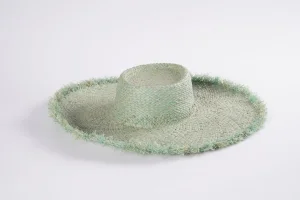
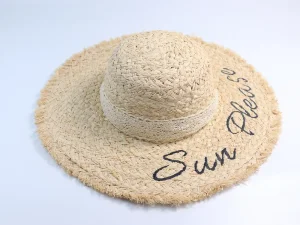
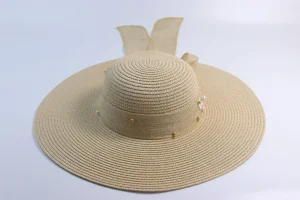
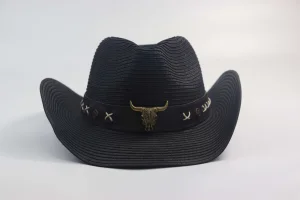
Additional styles regularly ordered by Panamanian and Latin American buyers. All products support OEM/ODM customization and 50–100 piece MOQ per design.
Ready to Source Toy Hats for Panama?
Share your style references, target quantity, colors and destination market. Our team replies within 8 hours with material suggestions, sampling plan and a production timeline.
Send Inquiry Now