
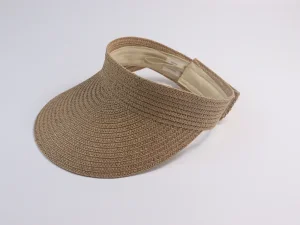
Featured Visor & Sun Hat Program
Four Cores Buyers Reorder for Russian Summer Shelves
These silhouettes clear customs fastest and sell through in the Krasnodar, Sochi and Moscow retail windows. Every SKU below is available with Cyrillic hang tags, EAC-compliant composition labeling and consolidated carton planning for mixed containers.
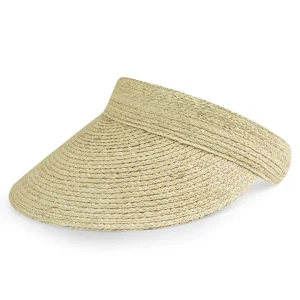
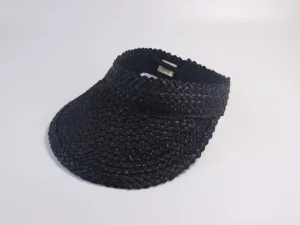
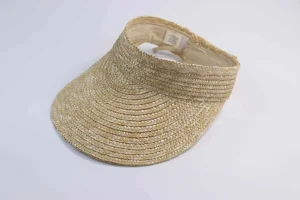
Field Whitepaper
Why Visor Hat Sourcing for Russia Is a Different Discipline
Buyers who treat the Russian Federation as a generic EU export destination usually run into three surprises: a compressed summer sell-in window, a customs regime with its own markings and documentation logic, and a logistics corridor where the last 1,500 kilometres decide your landed cost.
This whitepaper consolidates what we have learned working with importers across Moscow, St. Petersburg, Novosibirsk, Yekaterinburg and the southern resort belt. It is written for category managers, private-label founders and marketplace operators who need a supplier that understands Russia-specific seasonality, compliance and channel economics — not just a factory that can weave a visor.
Everything below reflects our production floor experience in Linyi, Shandong, plus the corrective actions our QC and logistics teams have logged across multiple summer programmes. It is evidence-based rather than aspirational.
Compressed Sell-In Window
Russian summer retail clusters between May and August. Goods must clear customs and reach regional DCs by late April — a 90-day hard ceiling from PO to shelf.
Cost-Sensitive Landed Pricing
Volumetric weight, not unit price, often dominates visor economics. Hollow-crown and empty-top constructions can reduce freight per unit by a measurable margin.
Marking & Documentation Rigor
EAC conformity, Cyrillic composition and care labels, and accurate HS classification for HS 6504 headwear are baseline requirements for a clean clearance file.
Local Market Reality
The Russian Visor & Sun Hat Market: Climate, Channels, Behaviour
Russia is not a single summer market. It is a set of micro-markets with different sun intensity, different retail formats and different willingness to pay. Sourcing strategy has to reflect that.
Sun Belt vs. Northern Belt
Krasnodar Krai, Sochi, Rostov and the Crimea corridor carry genuinely high UV load from May to September. Moscow and St. Petersburg are cooler but still produce a strong two-month peak. Buyers typically split volume roughly 60/40 between southern-sun and northern-lifestyle SKUs.
Resort & Leisure Retail
Black Sea resorts drive impulse purchasing of lightweight open-top visors at beach kiosks and hotel boutiques. Price points sit low, packaging must be compact, and visual colour range matters more than brand.
Marketplace Channel Dominance
Wildberries, Ozon and Yandex Market have become primary first-touch channels for headwear. Listings reward suppliers whose packaging survives fulfilment-centre handling and whose sizing data is complete enough to reduce returns.
Sports & Outdoor Segmentation
Running clubs, tennis academies, cycling groups and hiking communities create steady repeat demand for adjustable sport visors. These buyers value fit engineering, sweat-band absorbency and colourfastness over decoration.
Regional Wholesale Networks
Large wholesale hubs like Sadovod and Lyublino still move meaningful volume into regional kiosks and small chains. For these buyers, MOQ flexibility and mixed-colour cartons matter more than premium finishing.
Pricing Tier Structure
Three tiers dominate: entry beach kiosk pricing, mid-tier chain retail, and a smaller premium resort-boutique tier that rewards natural wheat straw and hand-finished sawtooth detailing.
0Days from PO to Russian shelf (target)
0Primary marketplace channels to plan for
0Distinct climate belts driving SKU split
0Years of headwear production behind each SKU
Global Supply Chain View
Global Visor Hat Manufacturing: Where the Industry Is Moving
Headwear is a mature category, but the supply base is being reshaped by three slow forces: material substitution toward lower-impact fibres, freight-cost-driven packaging redesign, and buyer expectations of shorter development cycles.
China Remains the Anchor
Shandong and Zhejiang remain the densest weaving, blocking and finishing clusters in the world. The competitive advantage now lies less in labour cost and more in integrated finishing quality and export documentation fluency.
Corridor Diversification
Buyers increasingly run dual corridors — rail through the Far East for volume, road-routing through the Caucasus for speed — and need suppliers who can split shipments and re-document mid-route.
Compliance Is the Differentiator
Composition accuracy, fibre-content testing and correct HS classification are no longer nice-to-have. A mis-declared fibre blend is the most common reason shipments stall at clearance.
Localized Use Cases
Where Visor Hats Actually Sell in Russian Conditions
Design decisions should follow the use case. A visor chosen for a Black Sea beach kiosk and one chosen for a Moscow running club share a silhouette but almost no other engineering.
Black Sea Resort Retail
Open-top straw visors in vivid colourways. Compact polybag packing, hook-ready hang tags, price-point engineered for impulse purchase.
Running & Tennis Clubs
Lightweight adjustable sport visors with moisture-wicking bands, reflective trim options and consistent colour control across repeat orders.
Chain Retail Summer Aisle
Standardized size range, carton-level barcode accuracy and consistent dye lots so that multi-store replenishment does not create shade mismatches.
Marketplace Fulfilment
Crush-resistant inner packing, pre-applied labels and complete measurement data so listings can publish accurate size charts and reduce returns.
Corporate & Event Gifting
Low-MOQ private label visors for summer conferences, brand activations and promotional campaigns, with woven label or embroidered logo options.
Agricultural & Field Work
Deeper brims, stronger sweat resistance and neutral colours for summer fieldwork in southern agricultural regions.
Extended Catalog
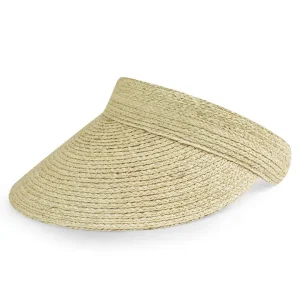
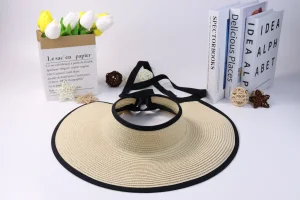
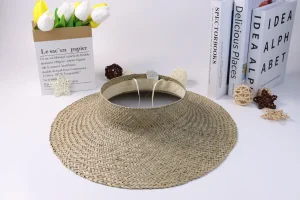
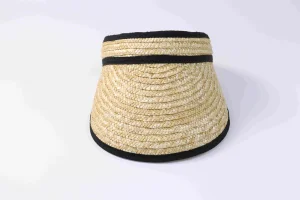
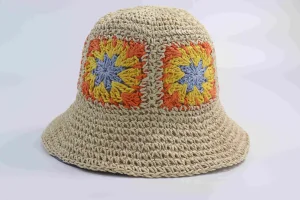
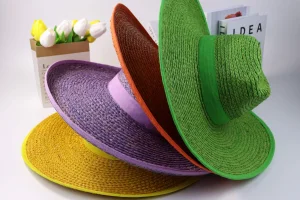
Eight More SKUs to Round Out a Russia Summer Container
Mixing visors with bucket hats, wide-brim styles and foldable sun protection lets a single container cover both the resort belt and the northern lifestyle aisle — improving freight utilisation per unit.


Material Decision Matrix
Choosing the Right Fibre for Russian Freight and Climate
Fibre choice affects shape retention after long rail or road legs, dye consistency across repeat orders, and how the visor behaves in dry southern heat versus humid coastal air.
| Fibre | Shape Retention | Best Russia Use Case | Freight Behaviour | Buyer Note |
|---|---|---|---|---|
| Natural Wheat Straw | High — crisp structure | Resort boutique tier, premium gift sets | Holds shape well in dry conditions | Specify moisture-barrier inner bag for humid coastal storage |
| Paper Straw | Medium — uniform and clean | Chain retail summer aisle, volume programmes | Very light; excellent volumetric efficiency | Add "keep dry" care instruction in Cyrillic |
| Raffia | High — recovers after compression | Packable visor, floppy and open-top styles | Compresses and recovers, ideal for LCL | Best fibre for "packable" on-pack claims |
| Cotton / Knit Fabric | Medium — soft, conforming | Sport visors, running and tennis clubs | Light, foldable, low damage risk | Specify colourfastness grade for washable sport use |
| Polyester Blend | High — dimensionally stable | Promotional and event gifting | Robust, minimal deformation | Pair with recycled-content documentation where required |
Technical Roadmap
Our Four-Stage Route from Brief to Russian Shelf
Every programme runs through the same four gates. Nothing advances without documented sign-off, which is how we keep repeat orders identical to the approved sample.
Stage 01
Brief & Market Mapping
We map your volume split across southern sun belt and northern lifestyle tiers, then lock fibre, colour and price band before sampling starts.
Stage 02
Sampling & Compliance Prep
Physical samples with correct Cyrillic labels, fibre-content declarations and HS classification documentation prepared alongside the product itself.
Stage 03
Bulk Production & QC
In-house weaving, blocking, trimming and final inspection, with AQL-based checks on shape, stitching, size tolerance and label accuracy.
Stage 04
Export & Corridor Handover
Consolidated cartons, volumetric-optimised packing, and documentation aligned with your chosen corridor — rail, road or sea.
Near-Term: Volumetric Engineering
Redesigning inner packing so that a given container holds more visors without deforming brims. Empty-top and open-crown constructions are the primary lever.
Mid-Term: Fibre Traceability
Batch-level documentation on raffia and paper straw origin, supporting buyer-side sustainability claims without overstating certification status.
Long-Term: Fit Engineering
Refining headband profiles and adjustability ranges so one-size-fit-most genuinely covers the Russian consumer head-size distribution and reduces returns.
Macro Industry Solutions
Four Programmes That Remove Operational Friction
Headwear sourcing problems are rarely about the hat. They are about mixed SKU planning, label accuracy, freight utilisation and reorder consistency. Our programmes are built around those four.
Mixed-Container Planning
Combine visors, bucket hats, wide-brim styles and foldable sun protection in a single shipment with colour and size distribution matched to regional demand curves. Reduces per-unit freight cost without overstocking a single style.
Cyrillic Label & Marking Pack
Composition, care and origin labelling in Russian, plus carton barcode and packing-list accuracy. This is the single highest-return investment a supplier can make for Russian buyers.
Low-MOQ Private Label
Starting at 50–100 pieces per design, so emerging brands and marketplace sellers can test colours and shapes before committing to a full production run.
Repeat-Order Consistency Protocol
Retained approved samples, locked dye-lot records and the same production manager assigned to your account so the third order matches the first.
Buyer Q&A
Questions Russian Buyers Ask Before Their First PO
Straight answers based on programmes we have already run. If your question is not covered, our team replies within 8 hours.
What is the minimum order quantity for visor hats shipped to Russia?
Our starting quantity is 50 to 100 pieces per design depending on fibre and finishing. For mixed-container programmes we can combine several styles, each at the lower MOQ, so a first order can test a full colour range without committing to volume on any single SKU.
Can you produce private-label visors with Cyrillic labelling?
Yes. We produce woven labels, printed hang tags, care labels and carton markings in Cyrillic. Composition and care content is prepared from the actual fibre declaration, not a template, so the label matches what is in the hat.
How are orders shipped to Russian destinations?
We are located in Linyi, Shandong, near Qingdao Port. Bulk orders typically move by sea or by rail through the Far East corridor, while samples and urgent replenishment can go by air or express. We prepare documentation aligned to whichever corridor you nominate, and can split a single production run across two routes.
Do you handle EAC conformity documentation?
We prepare the technical documentation, fibre-content test reports and HS classification data that your importer or certification body needs to complete EAC conformity. Certification itself is issued to the importer of record, so we coordinate closely with your nominated body rather than attempting to issue documents on your behalf.
How do you prevent damage to straw visors during long freight legs?
Each visor is packed with an inner shape-retention insert, and cartons are loaded to avoid stacking pressure on brims. For packable and open-top styles we use compression-tolerant constructions so that the visor recovers its shape on unpacking. Moisture-barrier inner bags are specified for humid coastal storage.
Can I get a sample before placing a full order?
Yes. We develop physical samples from your brief, reference image or mood board, with labels and finishing as they will appear in production. Sample lead time depends on fibre availability, and we confirm the schedule before starting.
What other headwear can be combined in the same shipment?
Alongside visors we manufacture straw hats, paper hats, straw bags, paper bags, children's straw hats, toy hats, lifeguard hats, sun visors, winter hats and other bags. Mixing categories in one container is one of the most effective ways to improve freight utilisation for Russian buyers.
How fast does your team respond?
We respond and take action within 8 hours, covering product questions, sampling, order follow-up and after-sales. One dedicated contact stays with your account from first brief to reorder.
Build Your Next Russia Summer Programme with a Factory That Understands the Corridor
Send us your style references, target quantity, destination city and channel. Our team replies within 8 hours with fibre recommendations, a sampling plan and a freight-aware production timeline.