
Cowgirl
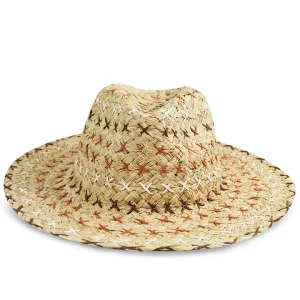
Four proven cowboy and Western silhouettes engineered for Korean wholesale programs — from lightweight outdoor sun hats to packable cattleman-crown rodeo styles.
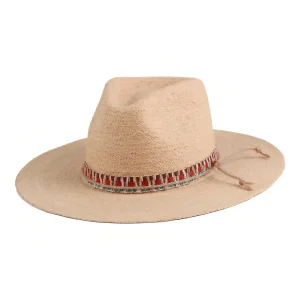
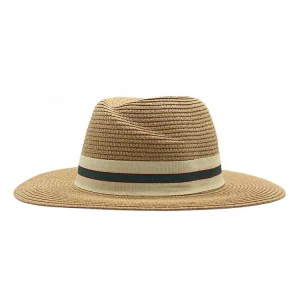
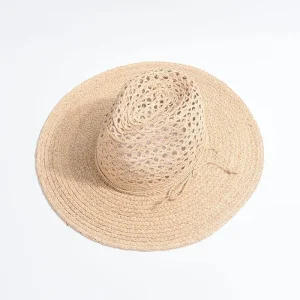
Korea is no longer a passive destination for Western headwear. From Seoul's fashion-forward Yeongnam-dong to Busan's coastal resort retail, the country's demand for straw cowboy hats has moved from novelty to seasonal staple. For importers, distributors and private-label brand owners, this shift creates a unique sourcing problem: how to secure a Korean-appropriate silhouette pipeline with the efficiency of Chinese manufacturing and the documentation reliability Korean compliance teams expect.
This white paper consolidates the practical knowledge our product and export teams have accumulated across more than 15 years of headwear manufacturing, 60+ export markets and 25+ distributor partnerships. Rather than repeat warehouse checklists, it aims to deliver information gain — the actionable, differentiated insight Google's Search Quality Rater Guidelines reward — for procurement managers making real sourcing decisions in Korea, Chinese factory owners preparing for Korean RFQs, and brand strategists mapping the next three to five years of Western-inspired straw headwear demand.
Three forces converge to make Korea distinctive:
Understanding the uniquely Korean commercial context is the difference between shipping good hats and shipping the right hats.
Korean Western hat buying flows through three primary channels: department-store seasonal floors, online platforms (Coupang, Naver Smart Store, Musinsa, Zigzag), and pop-up concept stores anchored in Seoul's fashion districts. Each channel demands a different SKU mix — online runs are broader and shallower, while pop-ups reward statement silhouettes that photograph well.
Korea's summer calendar — from Seoul's Han River festivals to Jeju's resort season and the growing Western-attire trend at music festivals — creates concentrated demand spikes that reward factories with rapid sampling and short-run production capability.
Korea's domestic headwear manufacturing capacity is limited and skewed toward premium millinery and technical fabric headwear. Straw cowboy hat volumes are overwhelmingly import-supported, giving overseas OEM factories a durable and strategic supply role well beyond a single season.
Korean consumers favour refined, muted-toned Western aesthetics. Natural straw, ivory, sand and charcoal colorways outperform loud rodeo palettes, and slimmer silhouettes are frequently requested over the wide, exaggerated crowns more common in US markets.
Korean fashion brands increasingly seek differentiated straw headwear to anchor their capsule drops, but relatively few have invested in dedicated Western design language. This gap rewards importers who can supply both ready styles and design-development services under one contract.
Korean buyers typically prefer fast-transit sea freight via Busan to Qingdao, with air freight reserved for early-season samples and capsule drop replenishments. A factory located near Qingdao Port holds a structural time advantage over inland suppliers.
Cowboy hats in the Korean market live across five distinct scenario clusters. Mapping your assortment against these scenarios sharpens category planning and reduces markdown exposure.
Seoul, Busan and Daejeon host a growing calendar of country-music, folk and Western-theme festivals. Attendees prize packable, lightweight straw cowboy hats that photograph well and survive a full day outdoors. Bleach-straw ranches and Panama straw Western styles perform especially well; buyers frequently ask for coordinated custom bands in brand-safe Korean aesthetic tones.
Jeju Island's resort retail, along with Busan's Haeundae strip and Gangwon coastal hotels, delivers high-margin straw hat demand from May to September. Here buyers prioritize breathability, natural finish and UV protection communication — the perfect environment for Panama-straw cowboy silhouettes with wide brims and lightweight hand-feel.
Korean streetwear and contemporary womenswear labels increasingly build summer capsules around straw cowboy hats. The commercial pattern is a 300–800-piece run per SKU, sold online and in a single Seoul pop-up. Factory flexibility on MOQ, label format and packaging is often more valuable than the lowest absolute unit price.
Korea's camping and hiking culture extends far beyond spring and autumn. Lightweight straw cowboy silhouettes are marketed alongside UV protection as a lifestyle accessory. Breathable weave density and packability are the two most requested technical attributes from this segment.
Duty-free and tourism-driven retail channels, particularly in Seoul and Jeju, stock Western-inspired straw hats for international visitors searching for a compact, photographable souvenir. Buyers here value lightweight construction, clear care labeling and consistency across replenishment rounds.
A three-horizon roadmap for the next three to five years of Western straw headwear, informed by factory-floor observation and Korean buyer feedback cycles.
Buyers will split assortments into two material families: an entry-level paper-straw Western line for volume online channels, and a premium raffia or natural grass straw line for department-store floors and pop-ups. Factories that master both under one roof will dominate re-order conversations.
Korean-driven refinement pushes crown height down slightly and softens brim curvature. We expect stronger demand for featherweight-weave hats under 120 g and packable constructions that preserve shape after 24 hours of compression. Weave density and blocking precision become measurable differentiators.
Korean importers will increasingly require recyclability documentation, dye compliance declarations and origin traceability at the SKU level. Expect tighter integration between suppliers and the KATS compliance ecosystem, and a growing share of straw programs marketed under a sustainability narrative alongside the Western aesthetic.
Faster Korean fashion cycles point toward supplier systems that accept smaller, more frequent runs with digitized order tracking. Expect factories to expose SKU-level production dashboards to distributors and brand owners within a few years.
China's straw headwear supply chain is not just about price — it is about integrated depth. Weaving clusters in Shandong and neighbouring provinces, combined with mature blocking, finishing and packaging ecosystems, produce speed and quality consistency Korean buyers cannot easily replicate domestically.
The Qingdao Port corridor is the operational backbone for Korean orders. It provides a shorter transit to Busan than southern-China ports, and combines with high container velocity, mature customs familiarity and dense ocean-freight schedules. For Linyi-based factories, this combination translates into predictable lead times during the critical May–July Korean season.
On the factory floor, three efficiency levers matter most for Korea programs: sorting the raw straw at source, weaving well ahead of the peak season, and running blocking and finishing under one roof so QC is not fragmented. A vertically integrated supplier compresses the historical 45–60 day production window down to a manageable 25–35 day flow with the right pre-planning.
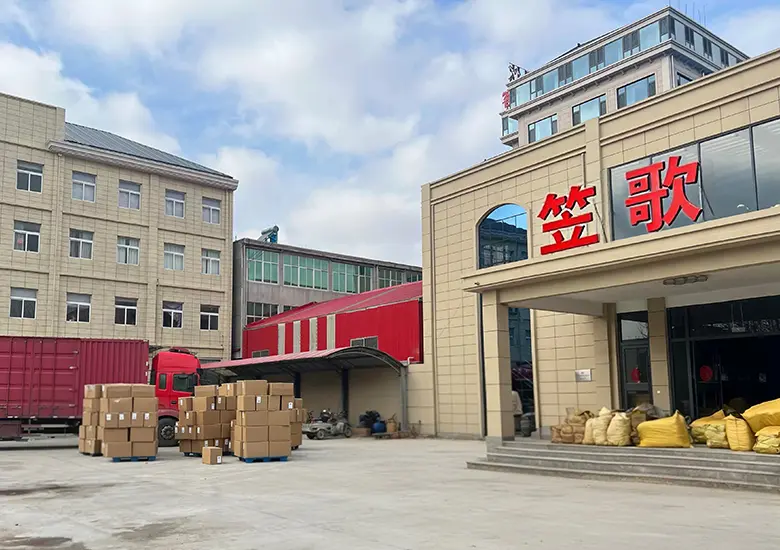
Shandong's proximity to raffia, paper-straw and natural-grass distribution channels allows factories to hold material stock without the volatility that inland suppliers face — critical for short-window Korean summer programs.
Integrated sorting-weaving-blocking-finishing under one roof removes multi-vendor coordination delays. For Korean buyers, this often matters more than an even lower unit cost from a fragmented supplier network.
50–100-piece MOQs per design let Korean importers test styles, run pop-up capsules and replenish winners quickly, without committing to the massive first-order volumes typical of US rodeo programs.
Korea sits inside a broader global re-configuration of Western headwear sourcing. Understanding that broader context sharpens the Korean sourcing decision.
Globally, the straw cowboy hat category has shifted from a niche festival segment to an increasingly mainstream lifestyle accessory. Three structural trends stand out:
Within this global picture, Korea is a differentiated market — more style-conscious, more documentation-disciplined and more compressed in season than most. This makes Korea a high-priority but high-discipline market for any serious straw headwear factory.
Our Korea support program is built around the three documentation and operational pain points importers raise most often.
Each SKU can be accompanied by fibre composition sheets, dye compliance notes and care labeling guidance, aligned with what Korean compliance teams need to file internally and with retail partners.
An in-house QC report on crown shape, stitching, size accuracy and trim attachment is standard. For Korean programs, an additional pack-shot and weight verification per carton is available.
Cowboy crown shapes, custom bands and label layouts developed for a Korean client remain exclusive to that client. We do not resell client-specific designs to unrelated buyers — a routine expectation Korean brand owners correctly insist on.
Commercial invoice, packing list, HS code guidance and certificate-of-origin preparation are handled in-house. For Korean customs, we provide item-level details matched to your purchase order structure.
A single English-speaking account lead manages design iteration, sampling, production and after-sales, with 8-hour response discipline. Korean-side compliance escalations do not need to traverse multiple team layers.
Sea freight via Qingdao to Busan for bulk orders, express for sample rounds, and consolidated shipments for pop-up capsule drops. We can align shipment windows with Korean retail launch dates.
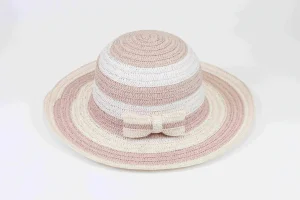
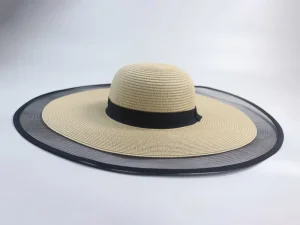
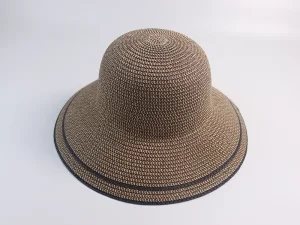
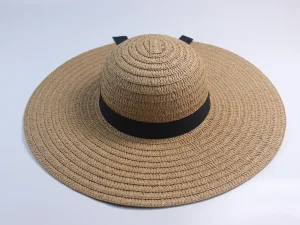
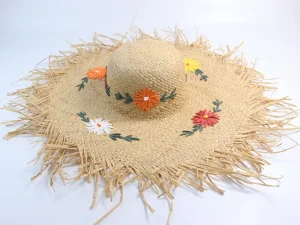
Eight additional styles supporting Korea's Western, resort, festival and lifestyle channels — including children's sun hats, floppy straw styles and factory-direct bucket hats.
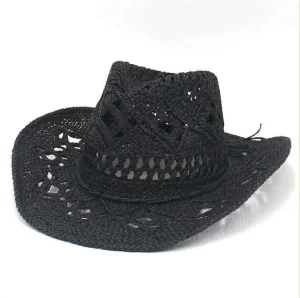
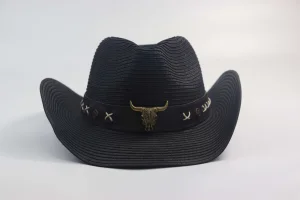
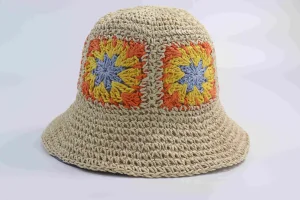
Straight answers to the questions Korean importers and brand owners raise most often during sourcing conversations.
Send us your style references, target quantities and destination — our team replies within 8 hours with material recommendations, a Korea-aware sampling plan and a production timeline aligned to your retail launch.