
Lige Hats · OEM & ODM Straw Headwear Factory
Cowboy Hats Manufacturer & Factory for the Poland Market
A factory-direct supply guide for Polish importers, western-wear retailers, festival merchandisers and private-label brands — covering straw cowboy hats, Panama western silhouettes, material engineering, EU compliance and scalable OEM production from Linyi, China to Gdansk, Gdynia and the Polish retail floor.
Poland-Selected Lookbook
Send Inquiry Now
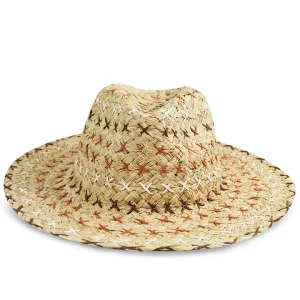
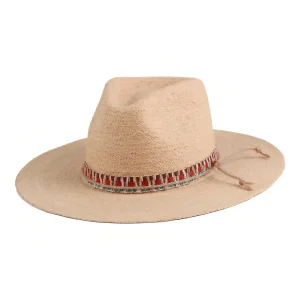
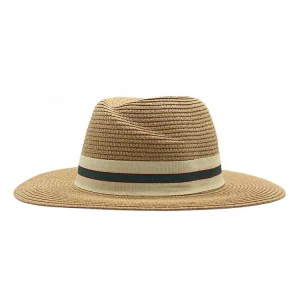
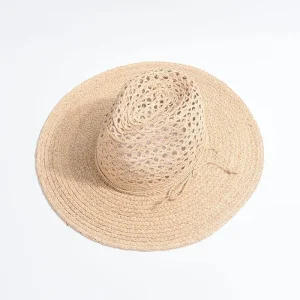
Four Flagship Styles Polish Buyers Test First
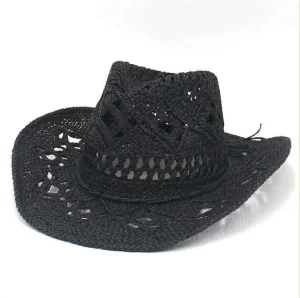
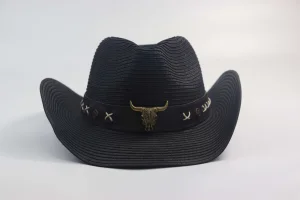
These four straw cowboy and western-adjacent shapes consistently perform in Polish seasonal programs — from Baltic beach tourism to country-music festivals and western-themed hospitality venues.
Market Intelligence
The Polish Cowboy Hat Market: Context Before You Buy
Poland is not a legacy western-wear market like Texas or Alberta — and that is precisely why it rewards well-prepared buyers. Since the early 2020s, Polish consumer demand for straw cowboy hats has shifted from a niche curiosity into a mainstream summer accessory category, pulled by four converging forces: a fast-expanding country-music festival circuit, a re-energised domestic western-riding and equestrian scene, a post-pandemic boom in open-air hospitality, and cross-border e-commerce exposure to UK and US festival aesthetics.
Polish retail is dominated by mid-market chains, seasonal pop-up formats and a highly fragmented independent retail layer. That fragmentation matters: a Kraków boutique may order 80 pieces of a dyed cattleman crown, while a Warsaw festival merchandiser needs 600 pieces of a single wide-brim SKU with a custom ribbon. A factory that can serve both order profiles from a single production line — without a heavy MOQ penalty on the small side — has a real structural advantage in Poland.
Distribution is also unusually concentrated at the Port of Gdansk and Gdynia, with strong rail links eastward and trucking links into Germany, Czechia and Lithuania. Chinese straw headwear that lands in Gdansk can reach a Poznań warehouse in 24 hours and a Berlin retailer in 36 — a fact Polish importers use aggressively when negotiating with Western European buyers.
38MPolish consumer base driving summer headwear demand
GdanskPrimary Baltic gateway for LCL and FCL hat imports
May–SepPeak straw cowboy hat sell-through window
Buyer insight: Polish buyers typically start sourcing 4–5 months before the season. A February sample approval and April container loading is the safest calendar for straw cowboy hats staged for the May–September window.
Global Context
The Global Straw Cowboy Hat Industry at a Glance
Understanding where Poland sits inside the global picture helps buyers negotiate better, plan assortments more accurately and avoid picking the wrong fiber for the wrong channel.
Production Footprint
Global straw cowboy hat manufacturing remains heavily concentrated in China (Shandong, Zhejiang, Guangdong), with secondary capacity in Ecuador (genuine toquilla Panama), Mexico and Vietnam. Shandong's strength is mid-to-large volume woven straw at consistent quality.
Demand Momentum
Western-wear demand has moved from North America toward Europe, Latin America and East Asia. Country-music tourism, influencer-driven festival fashion and heritage-western branding have globalised what used to be a regional style.
Sustainability Pressure
EU retailers increasingly require traceable raffia and paper straw, recycled packaging and clear care labels. Natural straw's biodegradability is a genuine competitive advantage over synthetic hats.
Channel Shift
Allegro, Amazon.pl, Zalando and regional marketplaces are growing faster than physical retail, pushing importers to demand photography-ready, size-consistent product from factories.
Quality Expectations
European importers tolerate fewer defects per carton than many overseas markets. EU-style AQL 2.5 inspection is becoming a baseline requirement for Polish and German buyers alike.
Compliance Landscape
REACH, EU GPSR, textile labelling and packaging directives now shape sourcing decisions. A factory that documents its compliance workflow saves buyers significant onboarding time.
Industry Trends
Five Trends Reshaping Cowboy Hat Sourcing
| Trend | What Buyers Are Doing | What Suppliers Must Deliver |
|---|---|---|
| Packable western | Packing straw cowboy hats flat for travel retail and festival shipping | Soft raffia and paper-straw constructions that recover shape after compression |
| Band customization | Replacing generic bands with branded leather, woven tape and embroidered trims | In-house banding, labelling and sampling of trim combinations |
| Color expansion | Moving beyond natural straw to dyed navy, olive, terracotta and black | Consistent dye lots and colorfastness testing documentation |
| Sustainable claims | Requiring biodegradable straw, recycled polybags, FSC-certified cartons | Material provenance notes and packaging declarations for EU markets |
| MicroMOQ | Testing 3–6 SKUs at 50–100 units before committing to a season | Flexible per-design starting quantities without re-tooling premiums |
Localized Applications
Where Straw Cowboy Hats Actually Sell in Poland
A straw cowboy hat is not only a rodeo product in Poland. Buyers who understand these five application scenarios plan assortments that move faster than generic western imports.
Country & Festival Retail
Polish country-music festivals and open-air summer events have created a durable demand for western-flavoured straw headwear, often positioned as costume-adjacent but worn beyond the event.
Hospitality & Theme Venues
Western-themed bars, ranch-style wedding venues and outdoor resorts in Masuria and along the Baltic coast source matching straw cowboy hats as props, staff uniform accents or guest amenities.
Coastal & Lake Tourism
Baltic beach towns and Masurian lakeside retailers buy wide-brim straw cowboy silhouettes as sun protection that photographs better than a generic floppy hat.
Wedding & Event Styling
Rustic and ranch-themed weddings increasingly use custom-banded straw western hats as favours, guest gifts or couple accessories — a high-margin customization channel.
Equestrian & Western Riding
Polish riding clubs and western-style stables drive a smaller but very loyal repeat-purchase segment that values durability, correct crown shape and sizing consistency over fashion novelty.
Independent Boutique Retail
Small Polish boutiques curate 30–80 piece buys with strong visual identity, making per-design MOQ flexibility and fast sampling the deciding factor in supplier choice.
Technology Roadmap
From Fiber to Container: Our Production & Technology Roadmap
Raw material traceability
Supplier documentation for raffia, paper straw and natural grass, tied to batch codes and buyer PO records for EU audit readiness.
Automated blocking consistency
Hat blocks calibrated to keep cattleman crown and brim widths within tolerance — the single largest source of western hat complaints.
Digital sampling archive
Photographed, measured sample records for every shape and colorway, enabling faster repeat orders across Polish seasons.
AQL-driven inspection
Carton-level visual inspection with documented defect categories matched to European importer expectations.
Consolidated export logistics
Qingdao departure consolidated for Gdansk / Gdynia arrival, with LCL options for smaller Polish importers and FCL for seasonal programs.
Materials Engineering
Raffia stays the premium pick for packable western shapes; paper straw delivers the best cost per unit for volume promotions; natural grass straw holds the crispest cattleman silhouette on a shelf. For Poland's mixed-channel demand, a three-material assortment usually beats a single-fiber program.
Future Outlook
Expect continued demand for packable western straws, greater color differentiation, and rising documentation demands from EU importers. Factories that invest in traceability and per-design flexibility will keep Polish buyers longer than the cheapest quote on a spreadsheet.
Macro Solutions
A Macro Industry Solution for Polish Importers
Rather than treating cowboy hats as an isolated SKU purchase, a macro solution layers assortment planning, packaging, compliance and logistics together — the actual workflow Polish buyers need.
Assortment Planning Support
Buyers can combine straw cowboy hats, Panama western silhouettes and straw bucket hats in a single seasonal program, spreading risk across multiple Polish sales channels with a single container.
Retail-Ready Packaging
Custom hang tags, care labels, polybag configurations and barcode-ready cartons aligned to Polish retail and marketplace requirements — reducing rework at the importer's warehouse.
EU Compliance Assistance
Support for REACH documentation, material declarations and labeling guidance that aligns with EU GPSR and Polish retail requirements.
Flexible Replenishment
Low-MOQ restocks mid-season let Polish buyers respond to heatwaves, festival demand spikes and marketplace stock-outs without a full container commitment.
Proven Capacity
Factory-Backed Numbers Polish Buyers Actually Ask For
0+
Years manufacturing straw hats
0+
Countries served globally
0–100
Per-design starting quantity
8h
Response and action window
Production manager with 20 years of experience, QC manager with 15 years and an in-house design team driving OEM and ODM programs — the operational backbone behind consistent Polish programs.
Q&A
Buyer Q&A for the Poland Market
What is the minimum order for straw cowboy hats shipped to Poland?
Our starting quantity is 50 to 100 pieces per design, depending on material and detailing. Polish boutiques and marketplace sellers often test with 50–80 units per SKU before scaling for the summer season.
Can you add Polish-market branding and labels?
Yes. We produce OEM and ODM programs with woven labels, patches, embroidered bands, custom hang tags and care labels. Polish language care and composition labels can be coordinated with your packaging plan.
How are hats shipped to Poland?
Bulk orders ship by sea from Qingdao, typically arriving through Gdansk or Gdynia as FCL or LCL. Samples and small urgent orders can go by air or courier. Transit time varies by schedule and volume.
Which straw is best for Polish summer conditions?
Raffia handles humidity and packing well; paper straw offers excellent cost efficiency for volume programs; natural grass straw keeps the crispest silhouette. For Poland's mixed retail and festival channel mix, a multi-material assortment works best.
How long does sampling take?
Sampling timelines depend on the shape, material and customization degree. Our team responds and takes action within 8 hours on any request, including sampling questions and scheduling.
Do you support seasonal replenishment after the first shipment?
Yes. Low-MOQ restocks are designed for exactly this. Polish buyers can respond to heatwaves, festival demand spikes and marketplace stock-outs without committing to a full container.
Can sizes be aligned to Polish head measurements?
Yes. We produce to standard size ranges and can align crown and brim dimensions to your specification. A sample approval round before bulk production is strongly recommended for western shapes.
Full Product Range
Send Inquiry Now
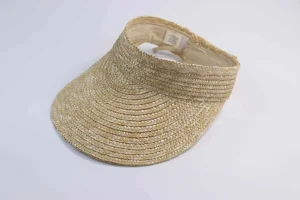
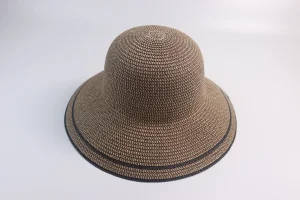
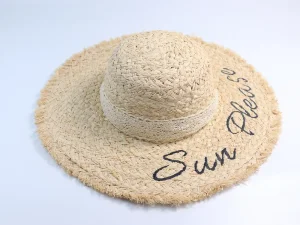
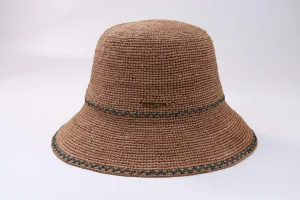
More Styles Polish Buyers Bundle With Cowboys
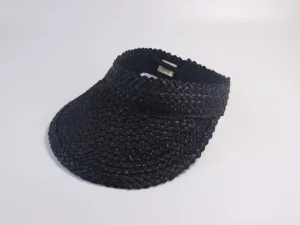
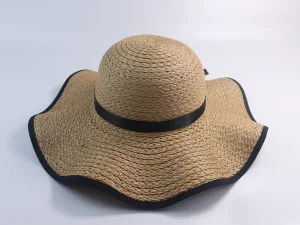
Straw hats, visors and bucket silhouettes commonly ordered alongside straw cowboy hats to build a full summer headwear program in one container.
Ready to Build Your Poland Cowboy Hat Program?
Tell us the silhouettes, materials, colors and approximate quantities you need. Our team responds within 8 hours with material suggestions, a sampling plan and a production timeline calibrated to your Polish season.