
UV Protection
A production-led B2B partner for Dutch importers, wholesalers, boutique chains and private-label fashion brands — from first mood board to FCL delivery at Rotterdam, with verifiable quality control, EU-ready documentation and a low Minimum Order Quantity of 50 pcs per design.
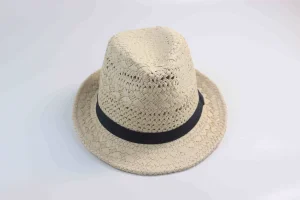
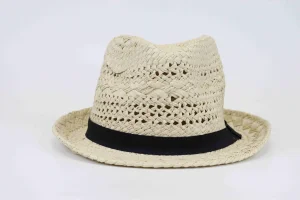
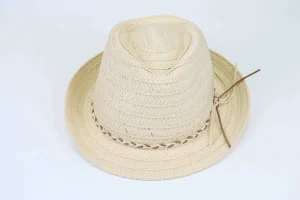
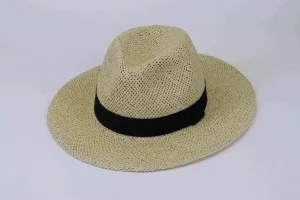
Dutch buyers tend to reorder shapes with a crisp center-dent crown, a controlled brim width between 5.5 cm and 7 cm, and a hand-feel that survives Schiphol transit, canal-side humidity and spring wind. These four product families are the workhorses of our Netherlands order book, and every one is available in raffia, paper straw or natural grass straw with your own trim, band and label.
The Netherlands is not a large country, but it is a disproportionately influential headwear market. Amsterdam and Rotterdam function as the entry port for European distribution; Utrecht, Eindhoven, Groningen and Maastricht host a dense network of independent boutiques, concept stores and department-store concessions. Dutch buyers are famously direct, price-literate and quality-focused: they expect clear cost breakdowns, realistic lead times and a supplier who answers questions the same working day.
We build for exactly that. Our factory in Linyi, Shandong, has spent more than 15 years producing fedora and trilby silhouettes across raffia, paper straw and natural grass straw. For Netherlands-based customers, we combine a low MOQ of 50–100 pieces per design, an 8-hour response commitment across CET business hours, and export routes that connect to Rotterdam Port and Amsterdam Schiphol (AMS) without the friction that usually comes with sourcing from Asia.

Understanding buyer behavior is the difference between a quotation that disappears into a folder and an order that repeats every season. Here is the commercial reality on the ground in the Netherlands — and how our factory is set up around it.
The Netherlands runs on independent boutiques and small chains rather than mega-format buyers. Orders frequently land in the 100–600 piece range per style, which makes a supplier’s minimum order quantity and per-colour flexibility far more important than raw scale.
Dutch buyers negotiate hard, but they respect logic. They want to see the material cost, the labour cost and the freight assumption separately. We quote in a line-item format so purchasing teams can benchmark and defend the decision internally.
Rotterdam remains the dominant European gateway for FCL container freight, with Schiphol handling express and air-freight sampling. Sea freight from Qingdao to Rotterdam typically takes 30–38 days port-to-port, which makes accurate production planning critical.
EU importers now routinely ask for REACH-aligned azo dye declarations, packaging material disclosure and, for fashion labels, EUDR-style due-diligence notes on natural fibres. We prepare this documentation as standard on request.
In many Dutch boutiques the person replying to your email is the owner. That means questions come fast, decisions are made quickly, and the supplier who answers clearly and completely in one reply usually wins the order.
Dutch summer demand peaks between April and August, with a secondary spike around King’s Day and coastal holiday retail. Purchase orders are typically placed between November and February, so production slots are locked very early in the year.
Many suppliers use the two terms interchangeably. For a buyer, that is a red flag. Fedora and trilby are genuinely different structures, and the difference has a direct impact on material consumption, blocking time and the final landed cost.

The fedora carries a wider brim, typically 6–8 cm, a taller crown with a lengthwise center dent and a distinctive pinch at the front. It reads as a classic, dressier silhouette — historically associated with formal menswear and later adopted by women’s fashion. On the shop floor, a fedora occupies more shelf space and requires more blocking skill, so per-unit cost is slightly higher.
The trilby is the slimmer sibling: a shorter crown, a much narrower brim (often 3.5–5 cm) and a more pronounced back tilt. It is lighter, cheaper to produce, and travels better — which is why it appears so often in Dutch resort and holiday assortments. A trilby is easier to pack, easier to merchandise and easier to reorder in volume.
More material, longer blocking time, larger packaging box.
Lower material cost, better packability, easier to ship LCL.
Adjustable inner sweatband, alternate sizing, elastic fit options.
Sourcing from China is not a differentiator. Sourcing from the right factory is. The distinction shows up in material consistency, sample turnaround and how gracefully the supplier behaves when something goes wrong at inspection.
Natural straw arrives in variable batches. We sort fibre by colour and thickness before weaving, which is what prevents the frustrating batch-to-batch shade drift that damages reorder confidence.
Crowns are steamed and blocked to shape, brims are wired or stiffened, bands are hand-stitched, labels are sewn in. One facility means one accountable party if a specification is missed.
Our location in Linyi is a short truck haul from Qingdao, one of China’s largest container gateways. That combination of port proximity and factory directness keeps freight costs and scheduling predictable.
Trading companies add 8–20% for coordination you often end up doing yourself anyway. Because we own the production line, that margin stays in your gross profit, not in a broker’s invoice.
In-house design and sample room capability typically turns a new silhouette around in 7–12 working days rather than the 3–4 weeks common when a design brief travels through an intermediary.
Retail hang tags, polybag specifications, FSC-marked cartons and barcode labelling at carton level are all configurable — helpful when your Dutch retail partner has a strict receiving standard.
Send your style reference, target quantity and required delivery window. Our team will reply within 8 hours with a material recommendation, a sampling plan, and a landed-cost estimate to Rotterdam.
Selling into the EU carries a documentation burden that US or Australian orders simply do not. We treat that as part of the product, not an afterthought.
On request we issue declarations for restricted azo dyes, formaldehyde and heavy metals across natural straw, raffia and dye stuffs, aligned with REACH Annex XVII requirements your EU importer needs for customs and legal due diligence.
Polybag thickness, recycled-content carton options and clear material labelling for PPWR-facing reporting. For boutique wholesale channels, we can supply low-plastic and paper-based alternatives.
For buyers tracking deforestation and natural-resource exposure, we can document fibre origin (Madagascar raffia, paper straw, grass straw) and outline the traceability steps we maintain at the raw material sorting stage.
Our sales team works a schedule that overlaps with Netherlands business hours, so questions about samples, invoices or inspection reports are answered while your office is still open, not the next morning.
The headwear category is undergoing a quiet but significant shift in materials, storytelling and channel mix. These are the trends our Netherlands-facing customers are already acting on.
Dutch consumers, especially in Amsterdam and Utrecht, increasingly ask about material origin. Raffia and natural grass straw win more shelf space than synthetic blends when the story is clearly presented on the hang tag.
Retailers are reducing SKU duplication by stocking a single silhouette positioned as unisex, with sizing on the sweatband rather than gender on the label. This has increased trilby orders meaningfully.
Travel-oriented builds — softer crowns, flexible brim wire, packable boxes — continue to grow as short-haul European city breaks replace long-haul vacations for many consumers.
Fashion labels are moving toward micro-collections of 50–150 pieces per colourway. Suppliers who cannot support small MOQs are being designed out of the conversation entirely.
Natural-fibre due diligence and packaging disclosure are no longer final-stage checks; they appear in the first buyer conversation. Suppliers who can answer these questions early earn trust faster.
Often seen as a mid-century relic, the trilby returns through festival retail and elevated resortwear. Narrow brims, brighter bands and lighter weights are key design levers for 2026.
A hat is not a single product; it is a component of many commercial contexts. Understanding those contexts helps you specify the right construction and trim for each channel.
Independent stores in Amsterdam’s Nine Streets and Rotterdam’s Witte de With require differentiated styling, custom bands and small runs — ideal for 50–150 piece orders.
Zeeland and the Wadden Islands drive seasonal demand for packable trilbies and lightweight fedoras, often sold through resort gift shops with private labels.
Dutch event stylists and wedding planners source fedoras for spring and summer ceremonies; consistent colour matching across multiple sizes is the deciding factor.
Dutch festival culture — from Lowlands to Pinkpop — creates a concentrated, fashion-forward demand window for trilbies with vivid bands and lightweight construction.
Every order we produce passes through the same documented workflow. It exists so that both sides know what happens next, who owns the decision, and when money is committed.
You share silhouette, band, colour, sizing, target quantity and destination. We recommend raffia, paper straw or natural grass with cost comparison.
Our in-house sample room prepares a pre-production sample in 7–12 working days; designers can adjust crown height, brim width and trim per your feedback.
Sample, label artwork, packaging specification and delivery schedule are confirmed in writing before deposit invoicing.
Fibre sorting, weaving, blocking, banding and labelling run through our Linyi facility under in-line QC checks.
A dedicated QC manager with 15 years of experience audits crown shape, brim symmetry, stitching, sizing and trim attachment before packing.
FCL or LCL sea freight ex-Qingdao to Rotterdam, or air freight via Schiphol for urgent small orders. All export documentation prepared in-house.
Beyond fedora and trilby silhouettes, our Linyi facility produces bucket hats, wide-brim sun hats, raffia styles, visors, top hats and paper straw hats — allowing a Netherlands buyer to consolidate an entire summer headwear assortment with a single supplier, one deposit, and one bill of lading.
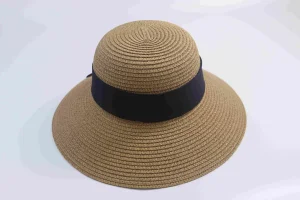
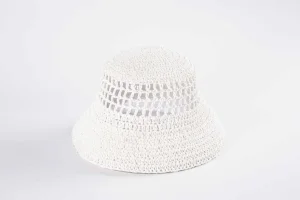
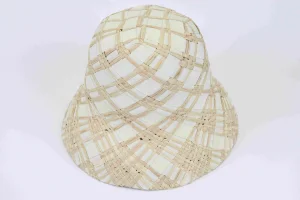
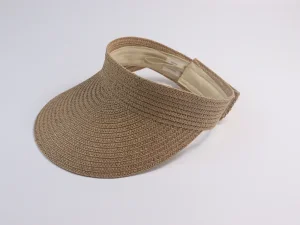
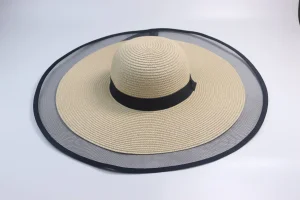
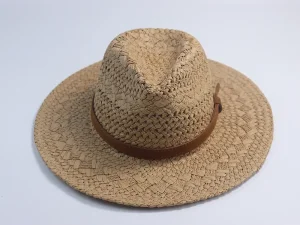
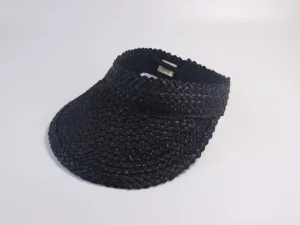
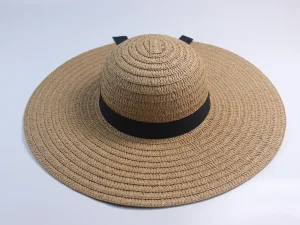
Fedoras, trilbies, bucket hats and visors can all ship in the same container — one deposit, one production window, one bill of lading to Rotterdam.
Practical answers to the questions Netherlands-based buyers ask most often. If your question is not covered here, our team replies within 8 hours.