
Floppy · Old Money
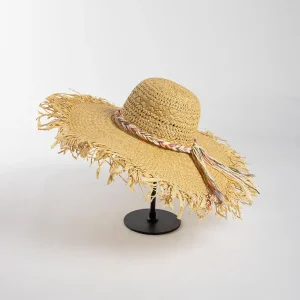
These are the silhouettes our Chilean and South American importers reorder every season — packable, wide-brim and designed for the coastline from Arica to Puerto Montt.
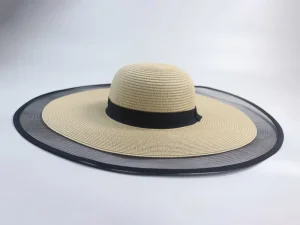
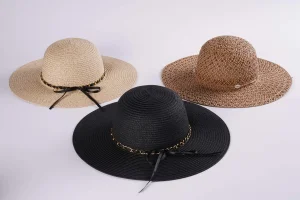
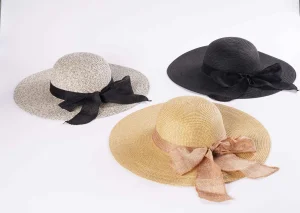
Chile's geography makes the floppy hat a genuine utility product rather than a seasonal whim. From the Atacama Desert — one of the highest solar-radiation zones on earth — to the Mediterranean-climate vineyards of the Central Valley and the wind-swept beaches of Viña del Mar, Concepción and La Serena, UV exposure is a year-round commercial driver rather than a summer spike.
For importers and brand owners, that means steady demand across two retail seasons: the domestic high summer (December–February) and the Northern-Hemisphere counter-season window. Chilean retail is also highly concentrated — Falabella, Ripley, Paris (Cencosud) and a deep network of independent boutiques and market stalls in Providencia, Bellavista and coastal strip towns all stock headwear. That concentration rewards suppliers who can deliver consistent quality, retail-ready packaging and stable lead times.
This white paper outlines the category economics, the technical specification choices that matter for Chilean conditions, the compliance and logistics route map, and the localization roadmap we recommend to buyers building a floppy hat program for the Chilean market.
Understanding where floppy hats actually sell in Chile is the difference between a reordered program and a warehouse of dead stock.
Chilean headwear demand flows through four distinct channels, each with its own specification preferences and quality expectations. Department stores under the Falabella, Ripley and Paris banners typically require retail-ready polybag or hang-tag packaging, barcode compliance and consistent colorways across an order. They also demand pre-shipment inspection reports. Independent boutiques in Santiago's Providencia, Las Condes and Bellavista districts lean toward trend-led silhouettes — organza brims, Old-Money styling, oversized brims — and accept lower volumes at higher price points.
Coastal and resort retail concentrates in Viña del Mar, Reñaca, Concón, La Serena, Pucón and Puerto Varas. These buyers prioritize packability and brim stiffness that survives wind. Finally, the informal market — ferias, beach kiosks and street vendors — moves extremely high volumes of entry-price paper-straw floppy hats. We recommend a three-tier price ladder (entry / core / premium) rather than a single specification, because Chilean shelf space naturally segments this way.
Chile's mining, agriculture and viticulture sectors are significant B2B buyers of wide-brim sun protection. Although hard-shell safety helmets dominate formal PPE procurement under Chile's SUSESO framework, non-PPE sun hats for visitors, seasonal vineyard crews, tourism guides and promotional programs represent a real, underserved industrial channel. A branded floppy hat is a common corporate giveaway for mining communities, wine estates and outdoor event sponsors. Our private-label program supports small corporate batches from 50 pieces, making it feasible for regional distributors to serve this segment without large inventory commitments.
Chile's cruise season runs roughly October to April, feeding headwear demand in Punta Arenas, Ushuaia-adjacent gateways and the fjords. Meanwhile the country's wine tourism circuit in the Colchagua and Maipo valleys creates steady as-needed orders from boutique hotels and cellar-door shops. Because these buyers order in small, frequent bursts, our low-MOQ model and 8-hour response commitment is designed specifically for their procurement rhythm.
Barcode compliance, retail-ready packaging and pre-shipment QC reports for Falabella, Ripley and Paris banner buyers.
Trend-led organza, Old-Money and oversized brims for Providencia, Las Condes and Bellavista retail.
Packable, wind-stable brims for Viña del Mar, Reñaca, La Serena and Pucón resort retail.
Counter-season cruise and wine-tourism programs with small, frequent replenishment orders.
Chile does not buy in isolation. Understanding the global picture helps Chilean buyers benchmark price, lead time and specification.
Globally, straw and woven headwear sits at the intersection of three macro forces: a shift toward natural and recycled fibers, a widening of UPF (ultraviolet protection factor) claims into mainstream fashion, and a fundamental shift in sourcing toward lower MOQ, faster replenishment, and multi-material flexibility. Chinese woven headwear manufacturing — concentrated around Shandong, Zhejiang and Jiangsu provinces — remains the dominant global supply base because it can handle hand-weaving, blocking, finishing, banding and labeling under one roof.
First, fibers. Natural raffia, paper straw and grass straw are increasingly favored over synthetic blends because consumers and retailers want low-impact materials they can explain on-shelf. Second, functional claims. Wide-brim floppy hats are increasingly specified with measurable UPF targets and tested brim widths, not just aesthetic language. Third, sourcing model. The post-2020 shift to smaller, more frequent orders has accelerated the adoption of low-MOQ factory-direct suppliers — which is exactly the model we operate on.
For Chile specifically, the implication is that the winning supplier is not the cheapest one but the one who can deliver small lots, specify for UV, and hold a consistent color and shape standard across repeat orders. Our raw-material sorting, hand-blocking and finishing lines are organized to meet that standard.
Four technical pillars we apply to every floppy hat program bound for Chile.
Brim widths of 10–14 cm with tight-weave raffia or paper straw deliver meaningful shade coverage for Atacama-grade exposure.
Blocked crowns and stabilized brim edges resist deformation in coastal wind and pack flat for tourist transport.
Polybag, hang-tag, barcode label and carton configuration designed for department-store receiving desks.
Color standards filed per SKU so repeat orders match the first shipment — critical for multi-store Chilean rollouts.
Choose raffia, paper straw, grass straw or organza based on target retail price, UPF requirement and packing constraints.
Define brim width (typically 10–14 cm for Chile), droop angle and crown stiffness on the blocking line.
Weaving, edge binding, band attachment and hand-trim detailing, all completed in-house.
Dye lot records and color standards per SKU to protect repeat orders against shade drift.
Polybag, hang-tag, barcode and carton mark configuration prepared for Chilean receiving compliance.
Brim shape, stitching, sizing and trim checks before the container leaves the factory.
FCL or LCL ocean freight from Qingdao Port, with express or air options for urgent sample and small-lot orders.
Importing into Chile brings a specific set of paperwork, labeling and channel requirements. We help buyers prepare for them at the factory stage rather than at the port.
Every silhouette below can be produced in raffia, paper straw or grass straw, with custom bands, labels and colorways configured for Chile.
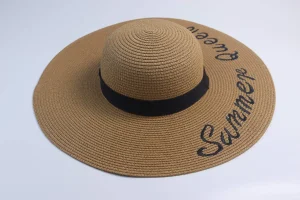
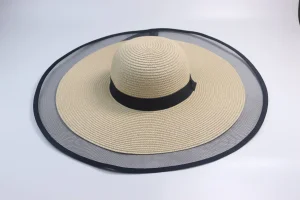
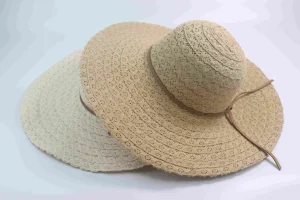
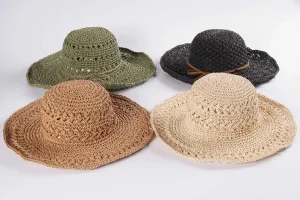
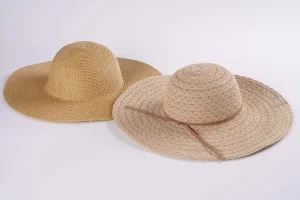

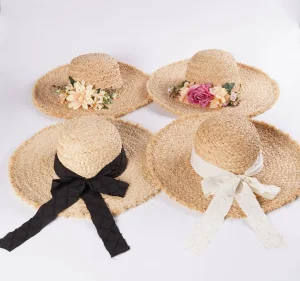
Six concrete use cases our Chilean buyers build their assortments around.
Viña del Mar, Reñaca and La Serena shops need packable, wind-stable floppy hats with strong on-shelf color.
Tour operators and hotels in San Pedro de Atacama require maximum brim coverage for sun exposure.
Colchagua and Maipo valley estates order small runs of branded floppy hats for cellar-door retail.
Organza and Old-Money styling for Santiago boutiques targeting trend-led, higher-margin fashion buyers.
Punta Arenas and fjord cruise retail needs compact-packing hats for tourist luggage and gift purchases.
Branded corporate and promotional floppy hats for outdoor festivals, marathons and mining community events.
Where the category is heading over the next three to five years, and how buyers can position ahead of it.
Several trends are converging to make the floppy hat a strategically attractive category for Chilean importers. First, UV consciousness is rising. Chile's ozone layer and high solar radiation keep sun-protection messaging relevant year-round, which extends the sellable season beyond a brief December–February window. Hat programs described with UV-protection language will continue to outperform purely fashion-led programs at retail.
Second, material transparency is becoming a purchase driver. Chilean consumers increasingly respond to natural-fiber messaging, and raffia, grass straw and paper straw give retailers an authentic sustainability story. Blue-collar and corporate buyers are also asking for recognizable natural materials in promotional headwear.
Third, sourcing models are shifting toward smaller, more frequent orders. Escalating shipping costs and unpredictable demand make large seasonal buys riskier. A factory-direct low-MOQ model with reliable color consistency and retail-ready packing is the most defensible sourcing structure.
Our recommended three-year roadmap for a Chilean floppy hat program: Year 1 — sample 8–12 SKUs across three price tiers and test with 2–3 retail partners. Year 2 — lock winning SKUs with color standards and expand into branded corporate programs. Year 3 — introduce a counter-season cruise and tourism collection and consolidate supply under a single one-stop supplier relationship.
Lige Hats is not a trading desk. We are the manufacturer behind the hats.
15+ years focused exclusively on straw hats, paper hats and woven bags, with a production manager of 20 years and a QC manager of 15.
In-house designers and weavers handle fiber selection, brim geometry, blocking, banding and color consistency in one facility.
One-stop supplier to importers, distributors and brand owners in 60+ countries, with 25+ global distribution partners.
Low MOQ from 50–100 pieces, a factory-direct 8-hour response commitment and export shipping through nearby Qingdao Port.
Direct answers on MOQ, customization, shipping and compliance for the Chilean market.
Send us your style references, target quantity and destination market. Our team replies within 8 hours with material recommendations, a sampling plan and a production timeline for Chile.