
Top Pick
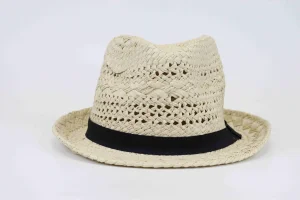
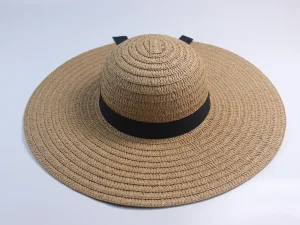
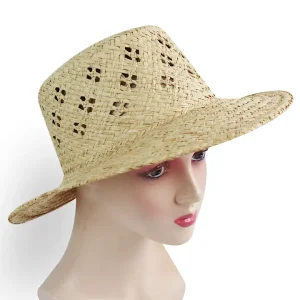
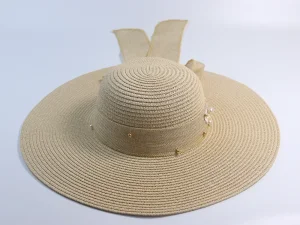
The "Other Bags" category — woven straw totes, paper-straw beach bags, raffia crossbody styles, jute shoppers and promotional totes — sits between fashion accessories and packaging. In Malaysia, that intersection is unusually lucrative, because three of the country's largest revenue engines depend on it: tourism retail, FMCG promotion and Islamic-season gifting.
Malaysia welcomed roughly 20+ million international arrivals in recent recovering cycles, with inbound tourism heavily concentrated in Kuala Lumpur, Penang, Langkawi, Kota Kinabalu and Johor Bahru. Every one of those destinations hosts resort boutiques, duty-free outlets and airport retail that sell sun hats, beach bags and tote bags on a seasonal cycle that mirrors the Northern Hemisphere summer plus the year-end monsoon-shoulder "escape season".
At the same time, Malaysia's domestic retail landscape is dominated by department store groups, pharmacy chains and hypermarket operators who run year-round gift-with-purchase and festive campaigns. Chinese New Year, Hari Raya Aidilfitri, Deepavali and Christmas each require a fresh bag SKU cycle. A Malaysian buyer therefore doesn't source bags in one-off batches — they source continuously and in rotation, which is exactly the operating model an experienced China factory partner is built for.
And third: Malaysia is a re-export and fulfilment hub. Port Klang and the Port of Tanjung Pelepas are among the busiest container ports in Southeast Asia. A growing number of brands land goods in Malaysia, add local embellishment (ribbon, embroidery, private label) and ship onward to Singapore, Indonesia, Brunei and the Middle East. That makes Malaysia not just a market but a distribution gateway — and it makes the quality and consistency of the incoming bag supply chain strategically important.
"In semantic sourcing terms, a Malaysian buyer searching for 'other bags factory' is rarely searching for a factory. They are searching for a supply chain that can survive a three-festival calendar, a port bottleneck, and a brand audit — all at once."
That is the search intent this white paper is built to answer. It is not a catalogue page. It is an information-gain asset: a document that gives procurement teams, brand managers and sourcing directors data they cannot find on a competitor's product grid.
Three structural shifts are reshaping how bags are bought and sold worldwide — and all three favour buyers who source directly from a capable, audited factory rather than through layered trading intermediaries.
European and North American buyers increasingly require provenance documentation for natural fibres. Raffia, jute, paper straw and seagrass now come with questions about origin, dye chemistry and biodegradability. Factories that can answer in writing win the tender.
Retail calendars have tightened. Buyers now brief factories 4–6 weeks later than they did a decade ago, while expecting the same delivery date. That compresses everything: sampling, approvals, bulk production and booking. Only vertically integrated factories absorb that compression.
D2C brands and marketplace sellers need 50–300 piece runs per SKU, not 5,000. The global industry has quietly split into two tiers: high-MOQ commodity suppliers, and agile small-batch factories. The second tier now commands premium pricing.
Across enquiries received from North American, Australian, Gulf and Southeast Asian buyers, the same five procurement requirements recur with remarkable consistency. They form the de facto global buying standard for the "Other Bags" category:
Buyers want inspection reports, not assurances. A factory that can present a written AQL inspection protocol, with photographic evidence per shipment, wins repeat orders.
Woven labels, hang tags, printed polybags and branded cartons must be sourced inside the factory's own workflow — not outsourced to a third party who delays the line.
The 50–100 piece entry point has become a benchmark. Buyers test with a small run, then scale the winner. Factories that refuse small runs lose the long-term account.
Quoted lead times are increasingly verified against historical performance. A factory quoting 25 days but delivering in 40 is worse than one quoting 35 and delivering in 33.
Malaysian and Southeast Asian buyers frequently need FOB, CIF and occasionally DDP structures — often across multiple Malaysian ports within a single contract year.
Consolidating hats, straw bags, paper bags and promotional totes with one supplier reduces admin, freight consolidation cost and communication overhead dramatically.
The efficiency of Chinese bag manufacturing is not a marketing claim. It is the compound result of cluster density, vertical integration and process maturity — three advantages that are extremely difficult to replicate quickly elsewhere.
1. Cluster density. Bag production in China is concentrated in specialised clusters. Within a 100-kilometre radius, a factory can source woven raffia, printed labels, plastic closures, ribbon, cartons and shipping materials from dedicated suppliers who produce nothing else. That density collapses procurement lead time from weeks to days.
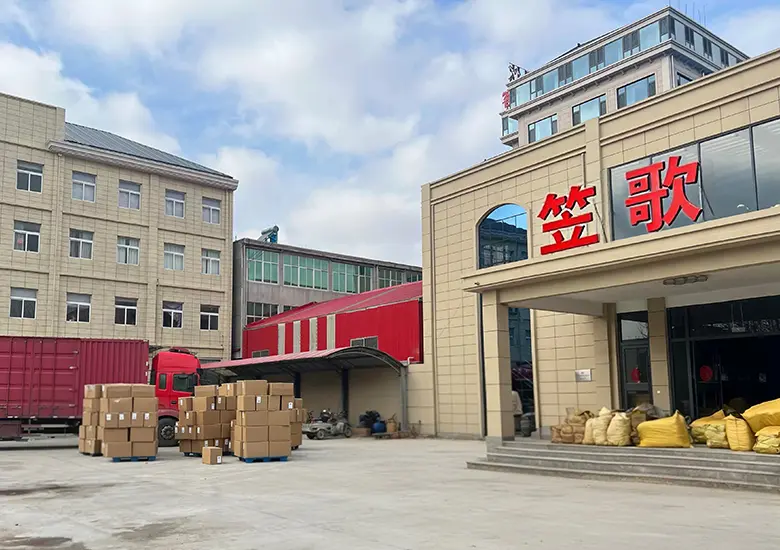
2. Vertical integration. The strongest factories do not buy finished bag bodies. They sort raw material, weave or braid in-house, cut and sew, attach trims, apply branding, inspect and pack under one roof. Every handoff removed from the chain removes one failure point and one delay.
3. Process maturity. A factory that has produced seasonal bag ranges for 15 years has solved problems regional factories have not yet encountered: how paper straw behaves in humidity, how to stabilise a woven tote's base, how to pack so bags arrive uncrushed after 3 weeks at sea.
4. Workforce depth. Experienced production managers and QC specialists compress the learning curve on every new SKU. A production manager with 20 years of experience can diagnose a shape-retention issue from a photo, saving weeks of back-and-forth sampling.
Malaysia's retail calendar is not a scaled-down version of Europe's. It is its own rhythm — driven by island tourism, malls, festive gifting and a strong local SME brand culture. These are the six scenarios the factory collaborates with Malaysian buyers on most frequently.
Langkawi, Redang and Tioman boutique stores sell beach totes and floppy hats on a tight seasonal window. Buyers need small initial orders, fast replenishment and packable materials that survive humid storage.
Retail groups run gift-with-purchase promotions tied to CNY, Hari Raya and Deepavali. Promotional woven totes and paper-straw shoppers with quality branding are a recurring category need.
Corporate Hari Raya hampers and wedding favours rely on woven baskets and jute bags as packaging. These are branded, ordered in batches and subject to strict delivery-date guarantees.
Airport outlets in KLIA and Senai sell packable travel accessories. The buyer needs supplier documentation, consistent quality and packaging that holds up to handling during transit.
Malaysian SMEs — from batik accessories to café branding — need 50–300 piece private-label runs. Low MOQ is the entry ticket; consistent quality is what makes them reorder.
Malaysian importers who supply Singapore, Brunei and the Gulf often need goods landed at Port Klang or PTP, then relabelled locally. Flexible FOB/CIF terms accommodate this workflow.
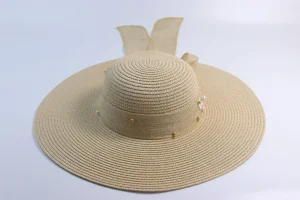
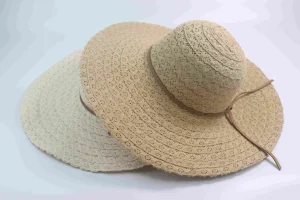
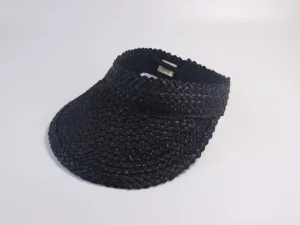
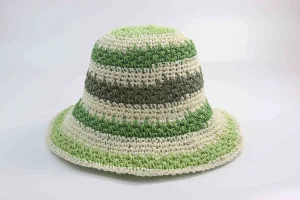
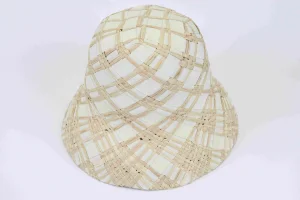
Every item below is available for private label, with low MOQ entry points and full material traceability. Click any card to open the full product specification.


Trends matter only if they change what a buyer specifies. These four will affect which factories survive and which buyers win shelf space.
Growing substitution of synthetic fibres with raffia, jute, seagrass and paper straw. The buyer dialog has shifted from "what's cheapest" to "what can we document as natural and biodegradable".
Southeast Asian sellers increasingly launch bag SKUs on Shopee, Lazada and Amazon. That requires fast-turn small batches, one consistent quality level and packaging that survives e-commerce shipping.
Buyers are reducing supplier count. A single factory that can deliver hats, straw bags, paper bags and promotional totes wins multi-year contracts that used to be split across four suppliers.
One more trend deserves a paragraph of its own. Information gain has become a purchasing criterion — and this cuts both ways. Buyers are increasingly selecting suppliers not on price alone, but on how much useful information the supplier can provide: material specifications in writing, photos of production, historical lead-time data. A factory that treats transparency as a competitive advantage will win the next decade of orders. A factory that hides behind opaque catalogues will lose it.
That is exactly why this document exists in its current form. The product tier above is real, but the information layer around it is what separates a reliable factory partner from an interchangeable one.
The workflow below is the same one used with import partners across Southeast Asia. It is deliberately structured to keep the buyer's exposure small during the uncertainty phase and to lock in quality during the scale phase.
Style, material preference, target quantity, destination port and target retail price.
Material recommendation and one to three prototype samples for approval.
Lock specifications, labels, packaging, pricing and delivery schedule.
Material sorting, weaving, finishing and branding in-house.
AQL-based final inspection before packing, with photographic evidence.
FCL or LCL departure from Qingdao, with documentation for Malaysian customs.
A resort group needed beach totes and floppy straw bags delivered ahead of a shoulder season. The factory ran a 120-piece trial per style, then scaled to 1,800 units after sell-through confirmation, with a two-week delivery window.
Send Inquiry Now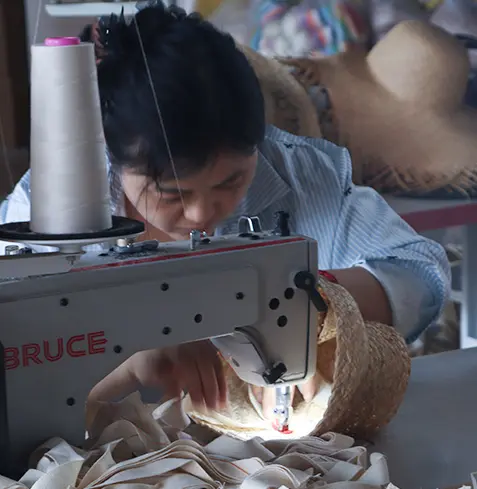
A festive gifting brand required 4,000 branded jute and woven basket units delivered before Hari Raya. The factory arranged a custom label and ribbon run in parallel to bulk production, landing goods 10 days ahead of schedule.
Send Inquiry NowDirect answers to the questions our team receives most often from Malaysian importers, brand owners and retail procurement leads.
Send your style references, target quantity, destination port and campaign timing. Our team replies within 8 hours with material recommendations, a sampling plan and a production timeline aligned to your retail calendar.