
01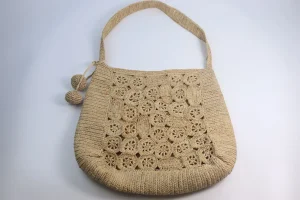
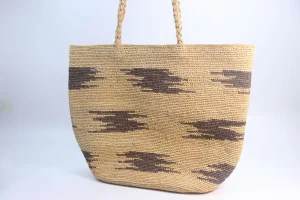
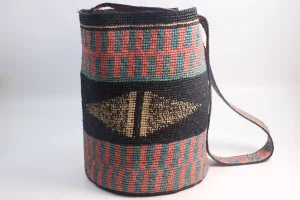
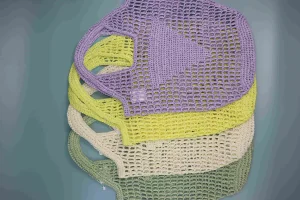
Four flagship silhouettes from our straw bag line — proven across New England summer seasons and ready for private-label programs with MOQs from 50–100 pcs per design.
Boston is not a single-season beach town — it is a dense, high-income, tourism-driven metro where straw bags move through four distinct channels: coastal boutique retail, resort and hospitality gifting, university-adjacent lifestyle stores, and a growing DTC e-commerce base across Massachusetts, Rhode Island and Cape Cod.
Newbury Street and the Seaport District boutiques curate tightly, prioritizing small-batch capsules and story-driven materials over deep inventory. Meanwhile, Cape Cod, Nantucket and Martha's Vineyard resort operators buy on a seasonal clock that begins sourcing in late Q3 and closes POs by January for a May–September sell-through. For a supplier, that means Boston buyers value reliable sampling speed, DDP-friendly logistics, and clear material documentation more than they value the lowest possible FOB unit price.
The Boston metro also sits at the center of New England's sustainability-forward retail identity. Buyers in Cambridge, Somerville and Brookline frequently ask for fiber provenance, dye chemistry disclosure and recyclable packaging — requests that map directly onto raffia, paper straw and natural grass programs.
Straw bags have moved from seasonal beach accessory to year-round lifestyle category. Three structural forces are driving volume and margin for importers and brand owners.
Natural-fiber accessories are now evaluated on fiber provenance, dye chemistry, water usage and end-of-life. Buyers increasingly request AZO-free dyes, formaldehyde-free finishes and biodegradable packaging. Suppliers that can document these inputs win specification-led orders instead of competing on price alone.
Boston buyers now source heavily through digital line sheets, video sampling and 3D renders. Suppliers who deliver studio-grade imagery, spec sheets and short-run sample videos shorten the sales cycle.
Emerging Boston DTC brands launch 6–12 SKU capsules per season. MOQs of 50–100 pcs per design allow these brands to test, reorder winners and build a defensible identity.
Hotels, yacht charters and wedding planners across Cape Cod and the Islands commission branded straw totes as amenity or welcome gifts — a high-margin, repeat-order channel.
While some buyers consider nearshore options in Mexico or Portugal, the TCO analysis for woven straw still favors Asia-based specialists for craft depth, scale and material access — provided the supplier controls logistics, compliance and communication. Our team builds that control into every Boston-bound shipment via FCL consolidation through Qingdao with onward DDP support options.
Fiber choice determines hand-feel, shape memory, cost and compliance posture. This is the framework our product engineers use with buyers before sampling begins.
Sourced primarily from Madagascar and East Africa, raffia is soft, dye-receptive and naturally resilient. It packs flat and recovers shape — ideal for crossbody bags that ship compressed and explode into form on shelf.
Twisted paper yarn delivers uniform color, tighter weave tolerance and a lower unit cost at volume. A strong fit for private-label lines where repeatability matters more than artisanal variance.
Braided natural stems produce crisp, structured silhouettes with an authentic artisanal read — the preferred choice for premium resort and hospitality programs where perceived craftsmanship is the value driver.
Cotton macramé and blended knits extend assortments beyond straw — enabling year-round programs, softer price ladders and coordination with our other bags categories.
Boston buyers operate under the US regulatory framework with specific regional pressures — Massachusetts waste-disposal rules, New England sustainability expectations, and the practical realities of East Coast port congestion.
| Requirement | Boston Buyer Need | Our Standard Response |
|---|---|---|
| Fiber identification | Accurate fiber content for retail labels | Per-SKU fiber composition sheet supplied with every PO |
| Dye & finish compliance | AZO-free, formaldehyde-free statements | Supplier declarations available on request |
| Sampling speed | 1–2 week sampling for seasonal windows | Sample lead time quoted per design; express options |
| Logistics | Predictable East Coast delivery | FCL / LCL via Qingdao with DDP support options |
| Packaging | Reduced plastic, recyclable cartons | Polybag-optional packing on request |
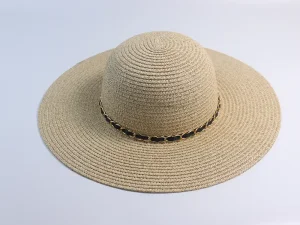
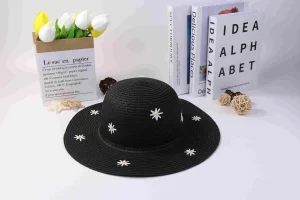
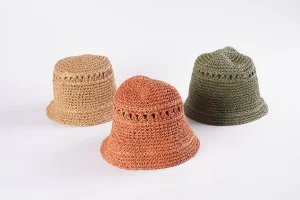
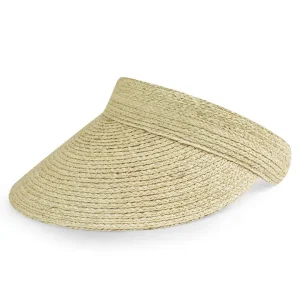
Beyond straw bags, our catalog covers sun hats, visors and kids' styles — enabling a single-supplier seasonal program across accessories and bags.
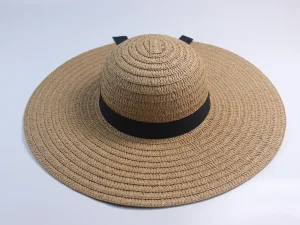
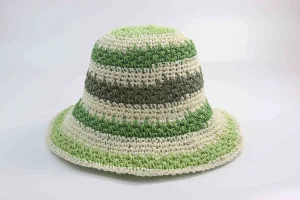
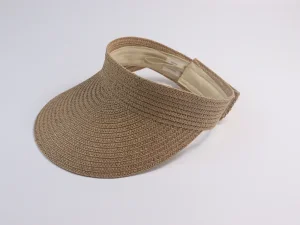
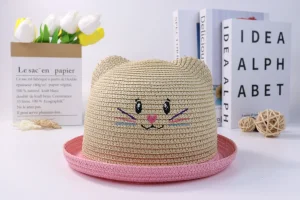
Style references, fiber preference, size, branding and target quantity.
Our designers recommend materials and build samples to your spec.
Confirm sample, labels, packaging and delivery schedule.
Material sorting, weaving, blocking and finishing in-house.
Final QC on shape, stitching, dimensions, trims and labels.
FCL or LCL via Qingdao Port, with DDP options for US East Coast.
Our R&D roadmap tracks four innovation tracks that will shape supplier selection for Boston buyers over the next three seasons.
Lot-level traceability for raffia and natural grass, enabling buyers to communicate provenance to sustainability-conscious New England consumers.
3D visual sampling to compress the design-to-PO cycle from weeks to days, reducing physical sample shipments and carbon footprint.
Exploring low-water dye chemistry for raffia and paper straw, aligning with state-level water stewardship expectations in New England.
Modular handles, replaceable trims and mono-material construction to support end-of-life disassembly and recycling.
Practical questions from Boston-based importers, boutiques and brand owners.
Share your brief, target quantity and delivery window. Our team will return material recommendations, a sampling plan and a production timeline — typically within 8 hours.