
UV Protection
A buyer-focused technical brief on sourcing children's and novelty toy hats for Nagoya retailers, theme parks, character-goods distributors and souvenir channels — covering global supply realities, Chinese factory efficiency, local application scenarios, compliance and procurement strategy.
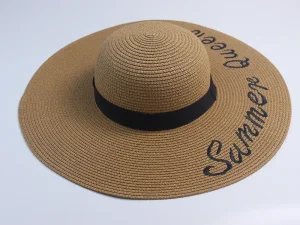
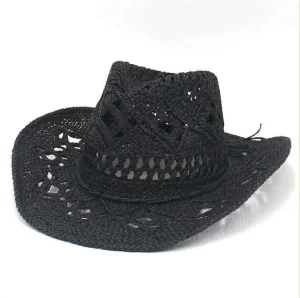
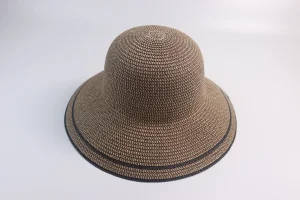
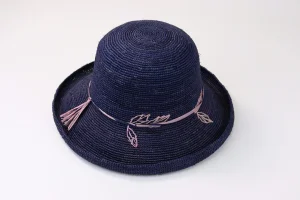
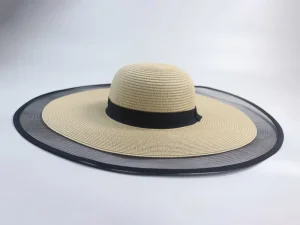
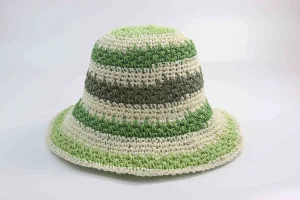
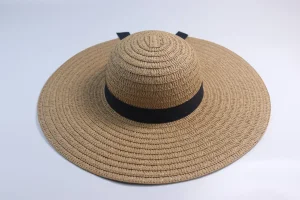
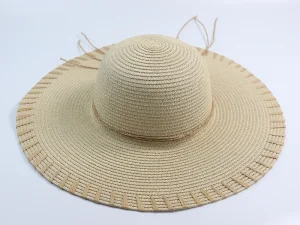
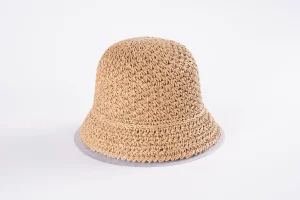
Nagoya's humid subtropical summers and strong spring UV levels make breathable straw and raffia constructions a repeat purchase category. These four silhouettes are the most requested starting points for Aichi-based retail and tourism channels.
Nagoya is not a secondary market that behaves like Tokyo. Its commercial identity — family leisure, manufacturing, character licensing and a very high per-capita concentration of theme-park and aquarium footfall — produces a toy-hat demand profile that rewards suppliers who understand the local calendar and channel mix.
The Nagoya metropolitan area (Aichi, Gifu and Mie prefectures) is one of Japan's three largest economic zones, anchored by Toyota's industrial belt and by a dense concentration of family-oriented leisure assets within roughly a 60-minute drive. For toy-hat suppliers, this geographic compression matters: a single seasonal program can serve theme parks, shopping malls, museum gift shops, aquariums and roadside station (michi-no-eki) retail in one replenishment cycle.
Unlike apparel-driven fashion headwear, toy hats in Nagoya are sold predominantly as impulse and souvenir products. Purchases cluster around three triggers: a child asking for a character or animal-shaped hat, a family photo opportunity on a day out, and a gift purchase at a tourist or event venue. This means unit economics are driven less by fabric sophistication and more by four variables: visual impact at point of sale, safe and lightweight construction, retail price band discipline and short replenishment lead time inside a narrow summer window.
The Aichi climate compounds this. Nagoya summers combine high humidity with intense solar exposure, so parents actively look for breathable, quick-drying materials. Toy hats positioned as sun-safe rather than purely decorative have consistently wider seasonal reach — they extend from June into September rather than peaking in a single holiday week.
Toy hats sit at the intersection of three separate global industries: children's accessories, licensed character merchandise and experience-driven souvenir retail. Each has its own cost structure, compliance load and replenishment logic — and a serious supplier must be fluent in all three.
Global production of woven straw, felt and plush novelty headwear is concentrated in East and Southeast Asia. China remains the dominant source for flexible-MOQ, high-variety programs, while Vietnam and Bangladesh have grown in basic cut-and-sew categories.
Character and franchise licensing drives a large share of premium-priced toy hats. Licensed programs demand tighter colour control, approval-sample traceability and packaging compliance — capabilities that separate genuine factories from trading intermediaries.
Theme parks, aquariums, zoos and seasonal festivals increasingly treat headwear as a high-margin memory product. The commercial logic has shifted from "cheap souvenir" to "photogenic, wearable, safe and repeatable."
Children's products face stricter chemical, small-parts and labelling regimes globally. Japan's Food Sanitation Act and ST Mark framework, the EU's REACH and EN 71, and US CPSIA all impose different evidence requirements on the same SKU.
Retailers increasingly test novelty styles in small quantities before committing to full seasonal programs. Factories that can profitably run 50–100 piece runs with custom trims have a structural advantage over volume-only producers.
Paper straw, recycled PET felt, raffia blends and organic cotton are moving from niche to mainstream. Buyers now ask for material documentation alongside the sample, not after the order is placed.
Efficiency claims are common in supplier marketing and rarely quantified. Below is a structured breakdown of the specific mechanisms that make Chinese toy-hat manufacturing commercially competitive for Japanese buyers — and where those advantages genuinely end.
| Efficiency Driver | What It Delivers in Practice | Buyer Impact for Nagoya Programs |
|---|---|---|
| Cluster-based material supply | Straw, raffia, paper yarn, felt and trims sourced within short distances of production, shortening restock cycles. | Fast colour and material changes between seasonal drops without long lead-time penalties. |
| Vertical integration | Weaving, blocking, trimming, labelling and inspection under one roof instead of multi-vendor handoffs. | Fewer quality escapes, single-point accountability, consistent sizing across reorders. |
| Flexible small-run tooling | Digital pattern making and low-cost moulds allow 50–100 piece runs to remain profitable. | Retailers can test novelty styles with limited capital exposure before scaling winners. |
| Skilled hand-finishing labour | Hand-banded, embroidered and appliqué finishes executed at scale with repeatable quality. | Premium visual detail at mass-production cost — a decisive factor for souvenir-grade pricing. |
| Export logistics maturity | Consolidated FCL and LCL routing from major ports including Qingdao, Ningbo and Shanghai. | Predictable sailing schedules into Nagoya and Osaka ports for seasonal deadline control. |
| Sample-to-bulk continuity | Approved samples retained and referenced on the production line. | Reduces first-order risk and makes reorder quality predictable across seasons. |
An honest limit worth stating: Chinese factories do not automatically win on compliance. Japanese buyers should confirm chemical-test documentation, small-parts safety for under-3 age bands, and whether the supplier is a genuine manufacturer or a trading intermediary. Efficiency is only an advantage when it is paired with verifiable quality systems.
Buying behaviour differs sharply by channel. A theme-park hat and a boutique hat may use the same weave but require completely different cost structures, packaging and compliance documentation.
High-footfall venues around Nagoya sell headwear as a photograph-driven impulse item. Requirements: strong silhouette recognition, lightweight construction for children, adjustable chin straps where appropriate, and retail-ready polybagging. Peak quantities sit in the July–August window.
Gift-shop buyers favour animal-shape and marine-inspired novelty hats with a clear educational or thematic link. These programs run longer than pure summer lines because venue footfall is less weather-dependent and gift purchasing is year-round.
Mall-based children's apparel and lifestyle retailers favour coordinated colour stories across a capsule. Small-run flexibility matters more than unit price here — buyers need 6–10 styles per season without committing to volume.
Regional festivals, fireworks events and seasonal markets require short production windows and tight delivery dates. The critical capability is not cost — it is reliable date adherence on modest quantities.
Roadside station and travel-gift buyers prioritise regional identity — local colours, motifs and small embroidered details. Low MOQ with custom embroidery is the decisive sourcing requirement in this channel.
Local manufacturers and service companies order branded children's hats for family-day events and promotional giveaways. These programs reward suppliers who can execute small, logo-customised runs quickly and consistently.
These are directional shifts our product and sales teams observe across buyer briefs from Japan, Europe and North America — not speculative forecasts.
Parents increasingly read UPF and material breathability before aesthetics. Hats marketed with credible sun-protection language convert better and command a modest price premium.
Raffia, paper straw, recycled PET and organic cotton are entering mainstream briefs. Buyers now request material origin notes at the sampling stage rather than after purchase orders.
Seasonal monoliths are fragmenting into multiple micro-drops. Suppliers with 50-piece MOQ capability and short sampling cycles win disproportionate share.
Buyers want local motifs, embroidered place names and region-specific palettes. This fragments SKUs and increases the value of flexible, low-volume production.
Retail-ready packaging with printed hang tags, story cards and biodegradable polybags is increasingly specified rather than optional, particularly in gift channels.
Compliance evidence is becoming a pre-qualification requirement. Suppliers who can produce test reports, material declarations and audit summaries on request shorten buyer decision cycles.
Across importers, brand owners and retail buyers, procurement requests converge on a consistent set of non-negotiables. Understanding them in advance shortens the path from first inquiry to confirmed production slot.
The most frequent buyer questions are not about price. They are about risk — quality consistency, compliance evidence, delivery reliability and whether a supplier can genuinely execute a small first order without hidden minimums.
Buyers typically request: documented material composition, colour-matching against Pantone references, physical pre-production samples, packaging mock-ups and a written production timeline with QC checkpoints. For licensed or character-derived designs, they additionally require approval-stage sample retention and a clear statement on intellectual property handling.
Lead-time expectations are tightening. A realistic and honest manufacturing plan for a custom toy-hat program is roughly 7–15 days for sampling and 25–45 days for bulk production, plus transit. Suppliers who communicate realistic dates rather than optimistic ones retain accounts longer, because seasonal retail deadlines punish optimism severely.
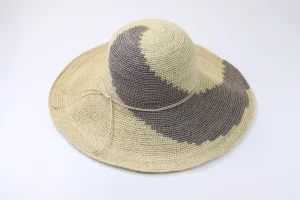
These styles support capsule planning across summer retail, travel and gift channels in the Nagoya region. Every item is available for sampling, custom trims and localized branding.
A transparent six-stage process designed around seasonal deadlines, approval traceability and predictable reorder quality.
Style direction, target retail price, age band, material preference, quantity, branding and destination channel.
Material recommendation, pattern development and physical pre-production samples with colour references.
Sample sign-off, label and packaging confirmation, compliance evidence and written production schedule.
Weaving, blocking, trimming and hand-finishing executed in-house with defined quality checkpoints.
Shape, stitching, sizing, small-parts safety and trim attachment verified against the approved sample.
Consolidated FCL or LCL routing from Qingdao and other major ports to Nagoya and Osaka gateways.
Direct answers on MOQ, compliance, shipping and customization. For anything not covered here, our team responds within 8 hours.
Send us your style references, target retail price band and destination channel. Our team replies within 8 hours with material recommendations, a sampling plan and a realistic production timeline.