
0+Years of straw hat manufacturing
0Pcs minimum order per design
0+Countries served worldwide
0hResponse & action on every inquiry
Argentina Hero SKUs
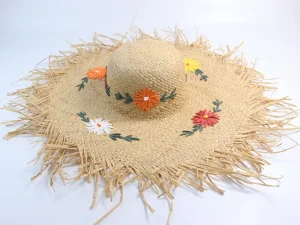
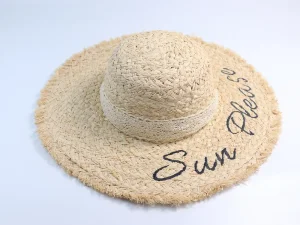
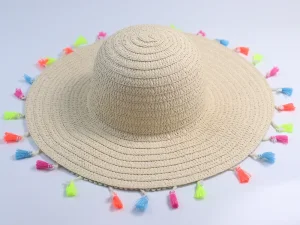
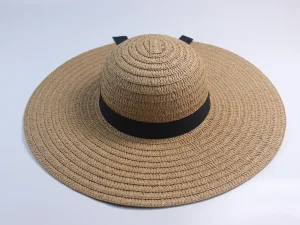
Four Hot Sales Lines Selling Fast into Argentina
These four silhouettes align with Argentina's spring/summer retail calendar (September–March), coastal tourism demand in Mar del Plata and Pinamar, and the premium boutique channel in Buenos Aires. Each is available with private label branding, custom band trims and export-ready cartonization.

ARGLatin America's 3rd-largest headwear importing economy
Argentina Market Brief
Why Argentina Is a High-Intent Growth Market for Straw Hats
Argentina presents one of the most seasonally complementary markets for China-based headwear manufacturers. Because its austral spring–summer window (September to March) runs opposite to the Northern Hemisphere, Argentine importers can absorb production capacity that would otherwise sit idle between November and February in the EU and US supply chain. This counter-seasonality smooths factory utilization, shortens lead times and lets buyers negotiate better price tiers.
Three structural demand drivers stand out:
1. Coastal tourism and resort retail. Mar del Plata, Pinamar, Villa Gesell and the Cariló corridor generate concentrated summer demand for sun protection hats, beach bags and matching kids' sets. Boutique hotels, resort shops and beach kiosks restock aggressively between October and January; distributors that pre-book April–June shipments capture the strongest margin.
2. Urban fashion and event culture. Buenos Aires supports a strong independent-boutique scene concentrated in Palermo Soho, Recoleta and San Telmo. Elevated raffia western hats, embroidered crowns and structured fedoras appear in local fashion editorials during spring/summer, aligning with the styling cues that drive reorder behavior in Northern Hemisphere boutiques.
3. Wholesale distribution to neighbors. Many Argentine wholesalers (particularly in Buenos Aires and Córdoba) also serve Paraguay, Uruguay, Bolivia and parts of Chile. Strong packaging, Spanish-language labeling and consistent QC therefore multiply the commercial value of every Argentine buyer relationship.
In practical terms, the market values mid-to-premium quality at accessible price points — meaning paper straw and raffia lines rather than ultra-luxury toquilla fibers — supported by flexible MOQs, predictable export documentation and Spanish-speaking sales support.
Global Industry Outlook
Global Straw Headwear: Supply, Demand & Structural Shifts
The global straw and woven-hat category has moved from a seasonal commodity business toward a design-led, compliance-driven accessory category. Four forces now shape how importers choose suppliers.
Supply Concentration
China remains the dominant source of straw hats, with clusters in Shandong (Linyi, Qingdao) and Zhejiang/Hebei. The buyer's edge now lies in identifying true factory-direct suppliers rather than multi-tier trading intermediaries.
Compliance & Material Traceability
Buyers increasingly demand restricted-substance declarations and documented fiber origins. Raffia (Madagascar origin) and natural grass straw programs are being scrutinized for deforestation and labor standards, favoring suppliers with material inventories and honest documentation.
Demand Polarization
Volume retail (mass-market sun hats) competes on price and packability, while boutique and resort channels command premium prices for hand-woven, embroidered and branded designs. Suppliers capable of serving both segments with one relationship reduce buyer overhead.
Sustainability as Margin Driver
Consumers pay more for natural fiber hats marketed with verifiable origin stories. That has pushed sellers to differentiate via raffia and hand-weaving narrative — creating opportunity for suppliers with genuine in-house weaving capability.
Lead-Time Compression
Post-pandemic buyers demand shorter reorder cycles. Suppliers that maintain standing stocks of popular colorways and offer 50–100 pc MOQs can win share from suppliers who now require 500+ minimums.
Digital Buyer Journeys
More importers shortlist suppliers through product photography, spec sheets and responsiveness of the initial inquiry. Clear SKU imagery, structured specs and an 8-hour reply promise measurably influence shortlist decisions.

9Localized application scenarios for Argentina
Localized Application Scenarios
Where Straw Hats Actually Sell in Argentina
Argentina's climate, retail calendar and consumer culture create distinctive use cases that buyers can leverage when planning assortments and negotiating with suppliers. The eight scenarios below are the ones we hear about most often from Argentine importers and their retail accounts:
Coastal resort retail. Mar del Plata and the Atlantic coast corridor demand wide-brim floppy hats, packable travel styles and UPF-rated beach hats from late October through February.
City boutique fashion. Palermo and Recoleta boutiques regularly test embroidered raffia western hats and structured fedora silhouettes as trend-led capsules for spring/summer editorials.
Country & equestrian events. Argentina's strong equestrian culture (polo, field days, Expo Rural) supports demand for structured straw cowboy hats and western silhouettes.
Kids and family vacation sets. Bundled hat + bag sets for children perform well in family-focused beach retail and theme-park gift shops, where cross-category value is key.
Winery and rural tourism. Mendoza, Salta and Patagonian wine regions have seen growth in branded sun hats that hotels and tour operators offer as promotional or retail items.
Festival and event merchandising. Music festivals and outdoor shows in Córdoba and Buenos Aires regularly include headwear as branded merchandise, supporting lower-cost paper straw lines with custom prints and labels.
Sport and outdoor retail. Visors, lightweight sports caps and packable sun hats fit into outdoor and fitness stores, particularly for paddle tennis, running and golf communities.
Corporate and gift market. The corporate gifting sector increasingly orders branded sun hats and straw bags for summer promotional programs in insurance, banking and hospitality.
Technology Roadmap & Future Outlook
From 2026 to 2029: The Straw Hat Supply Chain Roadmap
Where does the straw hat category go from here? Our product and factory teams map four stages of industry evolution that informed buyers should plan around.
PHASE 01 · 2026
Traceable Materials
Material-level traceability (raffia origin, paper straw certifications) shifts from premium option to baseline requirement for EU and North American importers.
PHASE 02 · 2027
Automated Blocking
Semi-automated steam blocking, laser-cut brim shaping and digital pattern cutting reduce variance between production runs and cut sampling lead times.
PHASE 03 · 2028
Digital Merchandising
AR try-on for sun hats, digital product twins and photo-realistic renders shorten buyer shortlisting — especially for remote Argentine importers.
PHASE 04 · 2029
Circular Materials
Recycled paper straws, mono-material trims and take-back programs begin moving from experimental SKUs to volume retail lines for sustainability-focused brands.
Macro Industry Solutions
A Tiered Supply Program for Argentina-Focused Importers
Rather than a one-size-fits-all catalog, Lige Hats supports Argentine distributors through a three-tier supply program that scales with channel and season.
Tier 1 · Volume Programs
Paper straw floppy hats, bucket hats and basic sun hats with 200–500 pc per-SKU runs. Ideal for hypermarkets, department-store chains and mass-market promotional buyers.
Tier 2 · Fashion & Boutique
Raffia floppy hats, embroidered western styles and structured fedoras with 50–150 pc per-SKU runs. Custom bands, hang tags and Spanish-language labeling supported.
Tier 3 · Private Label Capsule
Fully ODM-designed capsule collection developed from mood boards for resort, winery or equestrian themes — packaged as a branded launch platform, not a single style.
Full Hot Sales Catalog
Eight Additional SKUs Built for Argentina & LATAM
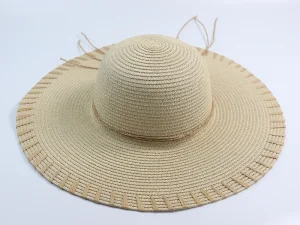
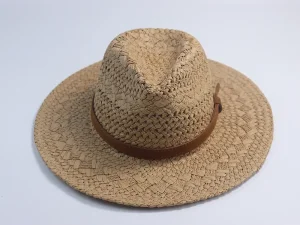
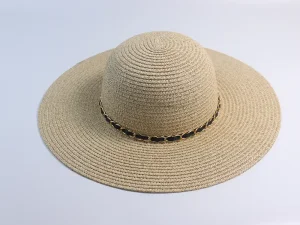
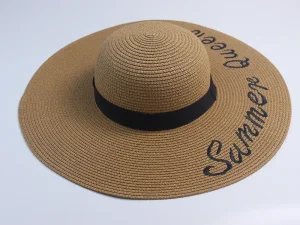
Each style below is available from 50 pieces per design, with custom color, band, size and branding. Product pages contain spec sheets, photography and MOQ details — click through to request a sample.
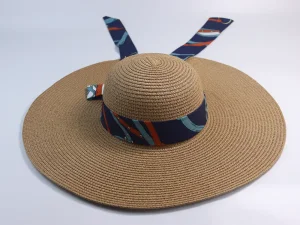
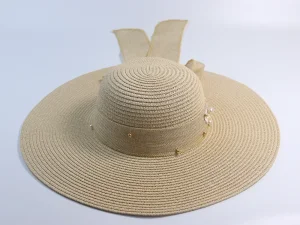
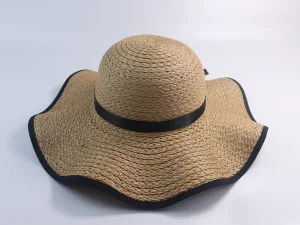
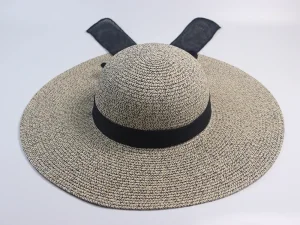
Buyer Q&A
Frequently Asked Questions
Practical answers for Argentina-focused importers evaluating Lige Hats as a straw hat supplier.
Do you have experience supplying Argentine importers and LATAM distributors?
Yes. Our exports already reach 60+ countries and 25+ distributors worldwide, with Latin American importers being a growing segment of our business. We are comfortable with Spanish-language documentation, DDP and FOB terms, and typical LATAM customs requirements. Let us know your destination port — Buenos Aires, Rosario or a neighboring country's gateway — and we will align the shipping plan accordingly.
What is the minimum order for a first Argentine trial order?
50 to 100 pieces per design, depending on material and shape complexity. This allows Argentine boutiques, small chain retailers and importers to test new styles during one summer season before committing to a full container. Many of our Argentine-style programs began as single-SKU 50–100 pc trials.
How do you handle shipping to Argentina?
We typically ship by sea as FCL or LCL through Qingdao Port, arriving at Buenos Aires or other main Argentine gateways. Samples and urgent reorders can move by air express. We prepare commercial invoice, packing list, certificate of origin (as applicable) and support your customs broker with any requested documentation.
Can we add our own label, hang tag and Spanish-language care instructions?
Yes. Private label and full ODM are our core business. We can add woven labels, printed hang tags, branded poly bags, stickers and Spanish care and material labels. If you provide a brand style guide we follow it; if not, our in-house designer can propose labeling to match your price point and market.
What is the typical lead time for a first order?
After sample approval, standard production for first run ranges from 25 to 40 days, depending on material, volume and finishing (embroidery, custom bands). Custom development from mood board to production-ready sample typically adds 10–15 days. Plan initial Argentine orders to arrive by September–October to capture the austral spring/summer window.
Do you support quality inspection before shipment?
Yes. Our in-house QC manager has 15 years of experience and conducts final inspection on shape, stitching, size, trims and packaging. We welcome third-party inspection (SGS, Bureau Veritas, QIMA) arranged by the buyer, and can supply pre-shipment photographs before container loading.
What materials would you recommend for the Argentine climate?
For coastal and desert sun conditions we recommend raffia for premium lines and paper straw for volume lines, with UPF-rated constructions for outdoor / beach usage. For fashion-led Buenos Aires boutiques, embroidered raffia western hats and structured paper-straw fedoras are strong reorder performers. The final choice depends on the channel and price point; we can present a material comparison during inquiry.
Build Your Argentina Spring/Summer Program with Lige Hats
Share your target styles, quantities and destination port. Our team responds within 8 hours with material recommendations, a sampling plan and an FOB quotation — Spanish-language documentation available.
Explore Collections