
Straw Hat · Serbia
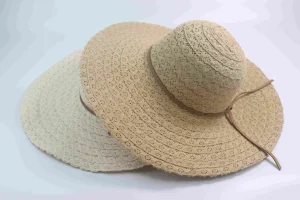
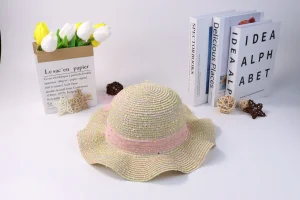
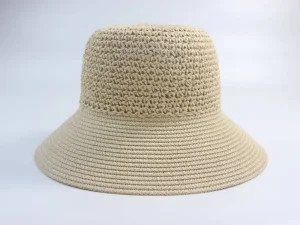
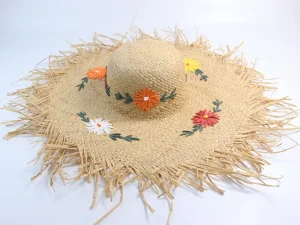
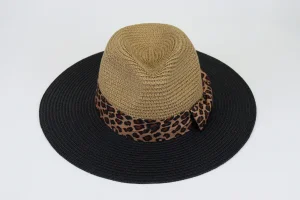
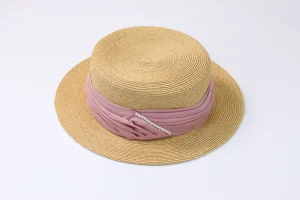
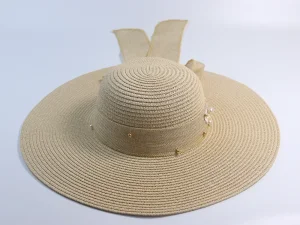
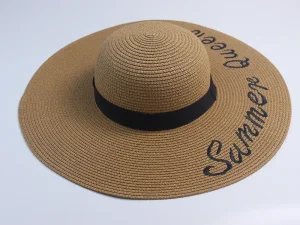
Proven silhouettes that Serbian importers, coastal resort retailers and Adriatic-adjacent tourism distributors reorder season after season. Every style can be produced as a matching hat-and-bag set for a coherent summer collection.
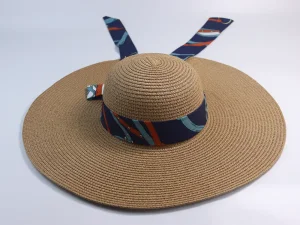
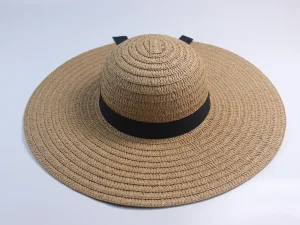
Serbia has emerged as one of the most commercially dynamic non-EU markets in the Western Balkans. Since the Stabilisation and Association Agreement and the EU candidate pathway accelerated trade liberalisation, Serbian apparel, accessories and lifestyle retail has matured rapidly. Belgrade, Novi Sad, Niš and Kragujevac now host a dense mix of domestic chains, franchise retail, e-commerce platforms and independent boutiques — all of them requiring differentiated bag and headwear assortments at competitive landed cost.
At the same time, Serbia's own manufacturing base remains concentrated in segments such as automotive components, food processing and basic textiles. The woven bag, straw bag, paper bag and promotional accessories categories are structurally under-supplied locally. That gap is precisely where a specialised Chinese factory partner becomes commercially decisive.
Serbian buyers typically source these goods through three channels: direct factory import (best margin, requires supplier vetting), regional distributors in Croatia, Hungary, Romania or Greece (higher cost, faster delivery), or European wholesale marketplaces (highest cost, narrow SKU depth). A direct OEM/ODM manufacturer in Shandong eliminates the intermediary layer without sacrificing the specification control that Serbian retail licensing and tourism accounts demand.
The global bag and accessories market is estimated at well over USD 100 billion in retail value across handbags, totes, shoulder bags, beach bags, paper shopping bags, promotional bags and woven carry-alls. The segments our factory services — woven straw bags, raffia totes, paper shopping bags, cotton canvas totes and fabric pouches — sit in the fastest-growing sub-tier because they intersect three structural demand drivers.
The EU's Packaging and Packaging Waste Regulation and parallel national rules in candidate countries are pushing retailers from single-use plastic bags toward reusable woven and paper alternatives — a category with strong substitution runway across Southeast Europe.
Post-pandemic travel retail, resort boutiques and festival culture across the Adriatic-adjacent region created sustained demand for packable straw totes, beach bags and souvenir-grade woven accessories. Buyers need high-emotion design at disciplined unit cost.
Consumer research across Europe consistently shows stronger preference for raffia, paper straw, jute and cotton over virgin synthetics. This is the core specification area where Chinese weaving specialists hold absolute supply-chain depth.
China remains the world's largest producer of woven bags, straw bags and paper shopping bags, holding a dominant share of global export volume. Shandong, Zhejiang and Guangdong are the three primary industrial clusters. This concentration translates into unmatched SKU range and responsive sampling.
European buyers are increasingly bypassing multiple intermediaries. Direct factory relationships reduce landed cost by an estimated 18–35% versus stacked distribution and improve specification fidelity because the buyer communicates with the people who build the product.
Independent brands and Serbian boutique chains cannot absorb 2,000-piece minimums. Chinese manufacturers with in-house weaving now offer 50–100 piece starting runs, letting smaller Serbian retailers test collections without overstock risk.
"China is cheap" is an outdated framing. The real advantage in the 2020s is vertically integrated production velocity — the ability to move from concept to container in weeks, with consistent quality and predictable landed cost. This is what Serbian importers actually buy.
Raw raffia, paper yarn and natural grass arrive from dedicated regional sources. Weaving, blocking, stitching, hardware attachment and packaging occur under one roof — eliminating the quality drift that occurs when steps are subcontracted across multiple small workshops.
Shandong's weaving workforce has multi-generational craft knowledge. This matters most on hand-woven raffia and braided grass products, where machine replication still cannot reproduce hand tension — the key quality signal for premium Serbian retail accounts.
Qingdao Port is one of the world's busiest container gateways. From Linyi, containers reach Qingdao within hours. Sea routes to Rijeka, Koper and Thessaloniki connect onward by truck or rail into Serbia via the Corridor X and Corridor VII freight corridors.
Understanding the end-use vertical is how a manufacturer earns specification trust. Here are the six Serbian commercial channels that most frequently source woven, straw, paper and fabric bags from our factory.
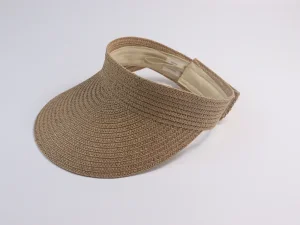
Serbia's Danube spa towns, mountain resorts and outbound Adriatic travel create predictable demand for beach straw bags, sun visors and packable raffia totes. Retailers along Kopaonik, Zlatibor and Danube cruises source souvenir-grade woven accessories with destination-specific colourways.
Serbian retail chains including franchise supermarket networks and pharmacy groups are systematically replacing single-use carriers with branded reusable woven and paper bags. This is a high-volume, specification-driven channel requiring durable handles, consistent print registration and dependable delivery slots.
Belgrade's Strahinjića Bana and Novi Sad's creative quarters are populated by independent boutiques curating small-batch accessories. They need 50–300 piece runs across multiple SKUs, with private labels, hang tags and controlled packaging that mirrors European brand conventions.
Serbian banks, telecoms, energy firms and agencies order branded canvas totes, jute bags and gift pouches for client events, conference kits and end-of-year campaigns. Volume and timeline discipline matter more than design complexity in this segment.
EXIT Festival in Novi Sad and dozens of regional festivals, weddings and cultural events create recurring short-cycle demand for straw gift bags, mini paper pouches and branded cotton favours — typically custom-labelled and delivered on tight windows.
Serbian online retail growth has driven strong demand for branded paper shopping bags, dust bags and reusable fabric totes used as part of the unboxing experience. This is a category where Chinese factories deliver custom print, lamination and small-volume colourways efficiently.
These trends are already visible in Serbian retail buying briefs. Understanding them before sampling shortens development cycles and improves sell-through.
Buyers increasingly request documented fibre origin, country of raw material harvesting and material certifications. We now supply material declarations alongside every raffia, paper straw and cotton specification, enabling Serbian brand owners to comply with emerging EU disclosure requirements.
Retailers increasingly merchandise matching straw bags and straw hats as one visual story. A single factory producing both categories removes the coordination overhead of sourcing from two different suppliers and improves colour and weave consistency across a collection.
Leather-look handles, brass-tone rings, woven twill straps and metal clasps have become competitive differentiators in the mid-premium segment. We now provide these as standard upgrade options, replacing the plastic-dominated trims common five years ago.
Brand-sensitive accounts cannot tolerate colour drift across seasonal restocks. Our dye process now operates to Pantone Textile references, and buyers receive physical standards for every approved colourway. This eliminates the "not-quite-the-same shade" problem.
Serbian retail is de-risking inventory by ordering smaller quantities more often. We've aligned production planning so reorders of approved styles can run at 100+ piece volume, enabling frequent replenishment rather than single large seasonal buys.
Buyers now routinely request alternative routing and stock-holding flexibility. Serbian importers typically combine sea freight to Rijeka or Koper with truck consolidation, and we provide FOB, CIF and DAP terms depending on destination preference.
Our sales team fields enquiries from Serbian, EU, North American, Australian, Gulf and Southeast Asian buyers every week. The requirements below are the five recurring themes.
Buyers want video tours, factory registration documents, and direct contact with production supervisors — not intermediary sales staff. We provide real production footage and dedicated account owners.
Written QC reports, dimension specifications with tolerance, colour standards and photographic evidence of final inspection before shipment are becoming baseline expectations rather than add-ons.
Buyers plan promotions months ahead. Our production planning explicitly reserves capacity against confirmed orders and communicates any risks early rather than after the fact.
Woven labels, paper hang tags, barcode stickers, polybag labelling and FNSKU-style compliance are provided as a complete OEM package — Serbian and European retailers receive shelf-ready goods.
Buyers treat 7-day sampling as a competitive differentiator; 30-day sampling loses accounts. Our sample department operates parallel to bulk production, preserving both timelines.
Multiple payment terms, flexible Incoterms and options to combine woven bags, straw hats and paper bags in a single mixed container — a real cost saver for smaller Serbian importers.
A complete assortment from sun protection through woven totes. Every SKU can be private-labelled, colour-matched and combined across a single mixed container for efficient Serbian import logistics.
Direct, specification-level answers on ordering, logistics, quality and compliance for buyers sourcing other bags from China into Serbia and the wider region.
Send us your style references, target quantities and destination city. Our team replies within 8 hours with material recommendations, specification options and a sampling and manufacturing timeline — engineered for the Serbian market from the first email.